Melanie Racette-Campbell – författare
Visar alla böcker från författaren Melanie Racette-Campbell. Handla med fri frakt och snabb leverans.
4 produkter
4 produkter
1 238 kr
Skickas inom 10-15 vardagar
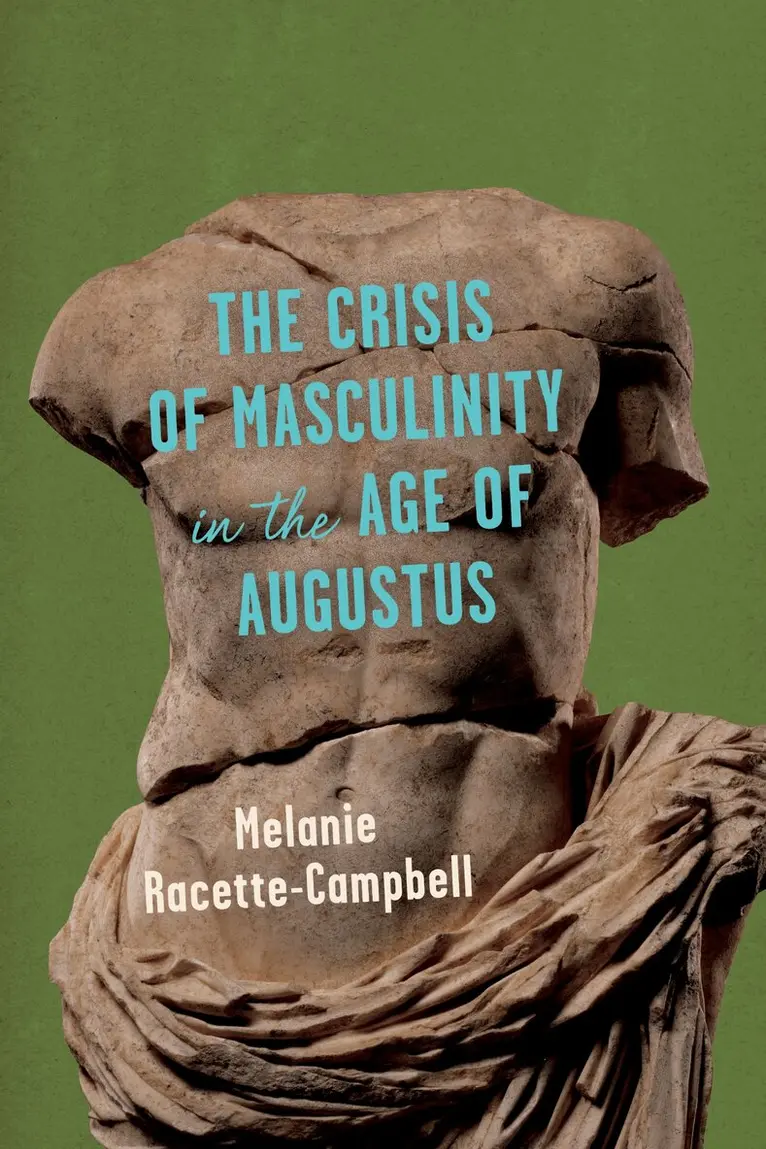
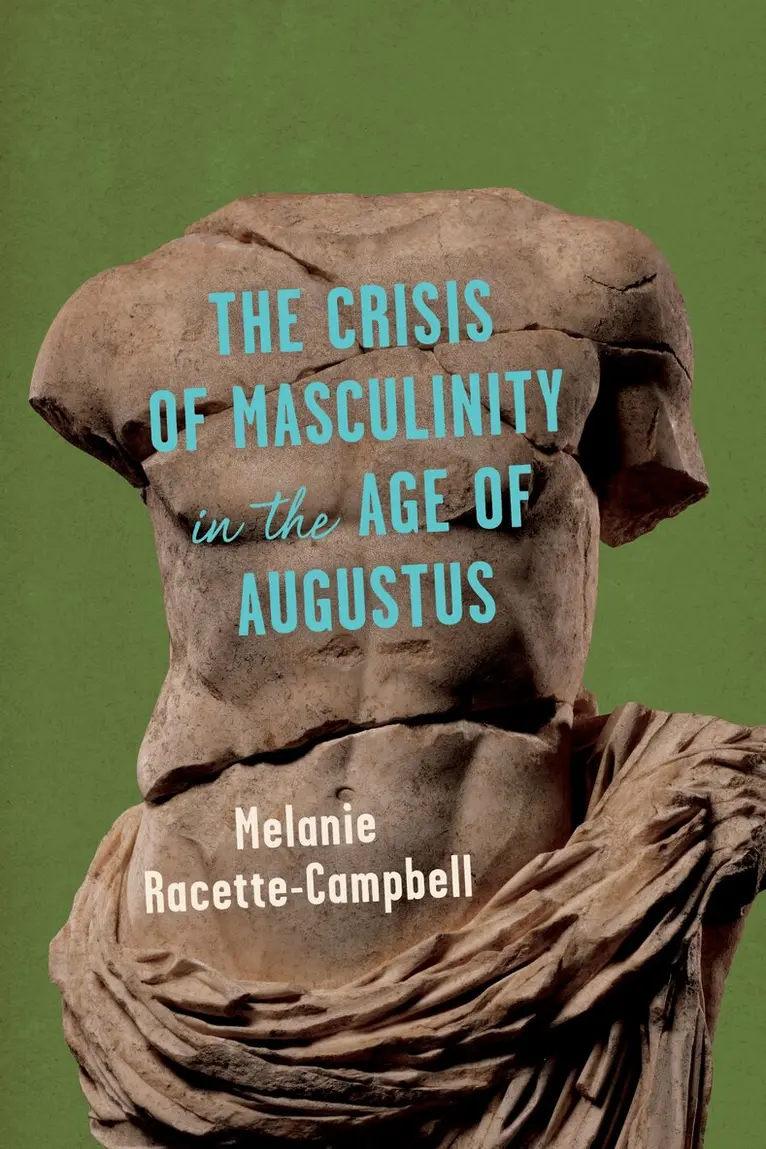
The political rupture caused by the ascension of Augustus Caesar in ancient Rome, which ended the centuries-old Republic, had drastic consequences for the performance and understanding of masculinity in a markedly androcentric society. Previously, masculinity was established and maintained through the frame of competition, in both public and private spheres—but the total accumulation of power by one man foreclosed most avenues of, and even appreciation for, competition. Melanie Racette-Campbell examines how Rome’s elite men navigated this liminal moment between Republic and Empire, and shows that the process was neither linear nor uniform. Already in the late Republic, prior to Augustus’s rise to power, cracks in the hegemonic concept of masculinity were starting to show. Careful reading of contemporary texts reveals a decades-long process as tumultuous and unsteady as the political events they echoed, one in which multiple and competing strategies for reconceiving the nature of masculinity were tested, employed, discarded, and adopted in a complex public-private discourse. The eventual reconstitution of a definition of Roman manhood was not easily agreed upon. Masculinity in both the Republic and the Empire are well studied subjects, but by shining a light on the precise moment of transition Racette-Campbell unveils the precise complexity, contours, and nuances of the Augustan crisis of masculinity.
392 kr
Skickas inom 10-15 vardagar
The political rupture caused by the ascension of Augustus Caesar in ancient Rome, which ended the centuries-old Republic, had drastic consequences for the performance and understanding of masculinity in a markedly androcentric society. Previously, masculinity was established and maintained through the frame of competition, in both public and private spheres—but the total accumulation of power by one man foreclosed most avenues of, and even appreciation for, competition. Melanie Racette-Campbell examines how Rome’s elite men navigated this liminal moment between Republic and Empire, and shows that the process was neither linear nor uniform. Already in the late Republic, prior to Augustus’s rise to power, cracks in the hegemonic concept of masculinity were starting to show. Careful reading of contemporary texts reveals a decades-long process as tumultuous and unsteady as the political events they echoed, one in which multiple and competing strategies for reconceiving the nature of masculinity were tested, employed, discarded, and adopted in a complex public-private discourse. The eventual reconstitution of a definition of Roman manhood was not easily agreed upon. Masculinity in both the Republic and the Empire are well studied subjects, but by shining a light on the precise moment of transition Racette-Campbell unveils the precise complexity, contours, and nuances of the Augustan crisis of masculinity.
2 085 kr
Skickas inom 3-6 vardagar
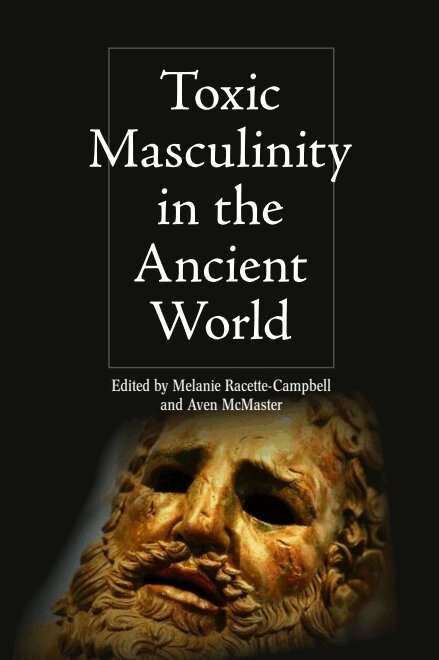
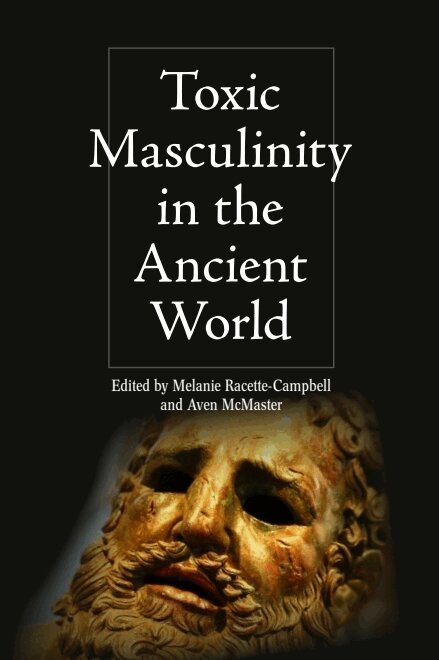
Offers the first study of toxic masculinity in the context of ancient Greece and RomeCovers both Greek and Roman societies, and a broad range of sources, such as curse tablets, history, philosophy, drama, poetry, and medical textsConnects the ancient and modern world to improve our understanding of bothAddresses contemporary issues and events such as violence against women and online hate groupsProvides a model for using anachronistic theoretical frameworks to understand the pastContributes to the field of masculinity studies by bringing together work on gender in ancient Greece, Rome, and contemporary Western societiesThis book looks at a contemporary concept toxic masculinity and considers its usefulness for understanding the ancient Mediterranean world. By concentrating on the particular elements that make up this form of masculine behaviour and identity, briefly defined as a performance of masculinity that is harmful to people who should be protected, to one's community, or to oneself, we illuminate tensions and contradictions within Greek and Roman conceptions of gender, while tracing some origins of modern gender roles. This book also highlights the ways that texts and events from the ancient world are invoked in the construction of toxic masculinity today. Covering Athenian oratory and drama, Roman poetry and history, curse tablets, early Christian writing, Italian cinema, US politics, and more, this collection brings together the ancient and modern to ask what shapes a culture's understanding of masculinity and how to identify the aspects of that understanding that can cause harm.
306 kr
Skickas
This book looks at a contemporary concept toxic masculinity and considers its usefulness for understanding the ancient Mediterranean world. By concentrating on the particular elements that make up this form of masculine behaviour and identity, briefly defined as a performance of masculinity that is harmful to people who should be protected, to one's community, or to oneself, we illuminate tensions and contradictions within Greek and Roman conceptions of gender, while tracing some origins of modern gender roles. This book also highlights the ways that texts and events from the ancient world are invoked in the construction of toxic masculinity today. Covering Athenian oratory and drama, Roman poetry and history, curse tablets, early Christian writing, Italian cinema, US politics, and more, this collection brings together the ancient and modern to ask what shapes a culture's understanding of masculinity and how to identify the aspects of that understanding that can cause harm.