
Melissa Kravetz – författare
Visar alla böcker från författaren Melissa Kravetz. Handla med fri frakt och snabb leverans.
4 produkter
4 produkter
964 kr
Skickas inom 5-8 vardagar
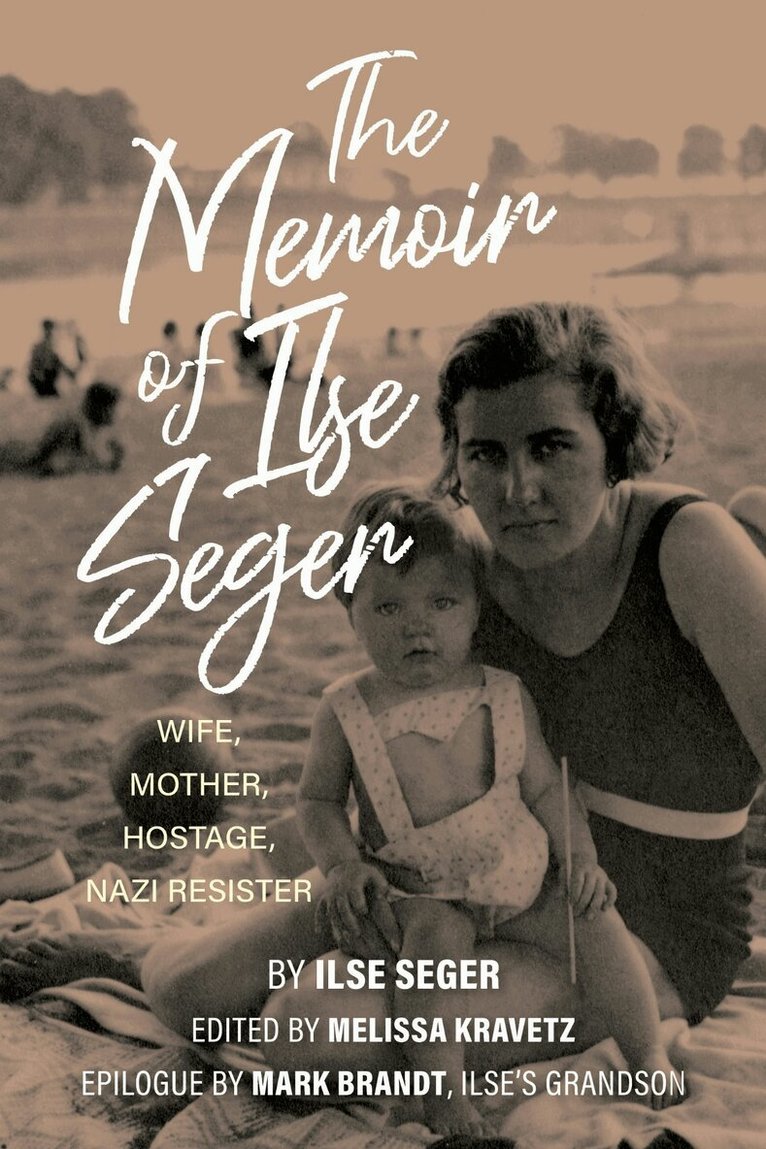
Elisabeth "Ilse" Seger was the wife of Gerhart Heinrich Seger, a German Social Democratic member of the Reichstag from 1930 to 1933. He was reelected for the last time on March 5, 1933, shortly after Hitler came to power. A week later, the Nazis arrested him and held him in "protective custody" for three months in a local prison in Dessau and then sent him to Oranienburg concentration camp for six months, until he escaped to Czechoslovakia. In The Memoir of Ilse Seger, Ilse tells Gerhart's story, but more importantly, she tells her own story: of her early resistance to the Nazi regime as a political opponent herself; of her solidarity with the Jews during the early years of Nazi persecution; of her defiance of expectations for women at the time; of her time as a hostage alongside her daughter, Renate, in Rosslau concentration camp and how they got out with help from members of Parliament; and, lastly, of her first years living in exile in France and Switzerland as her husband went on an anti-fascist speaking tour in the US. Ilse's story is an incredible contribution to our understanding of gendered political resistance, life in early German concentration camps, and Alltagsgeschichte, or the history of everyday life, by showing what everyday life was like for the wife of a political opponent in Nazi Germany.The Memoir of Ilse Seger is a gripping narrative of adventure and intrigue about the wartime life of an ordinary, decent woman.
387 kr
Skickas inom 5-8 vardagar
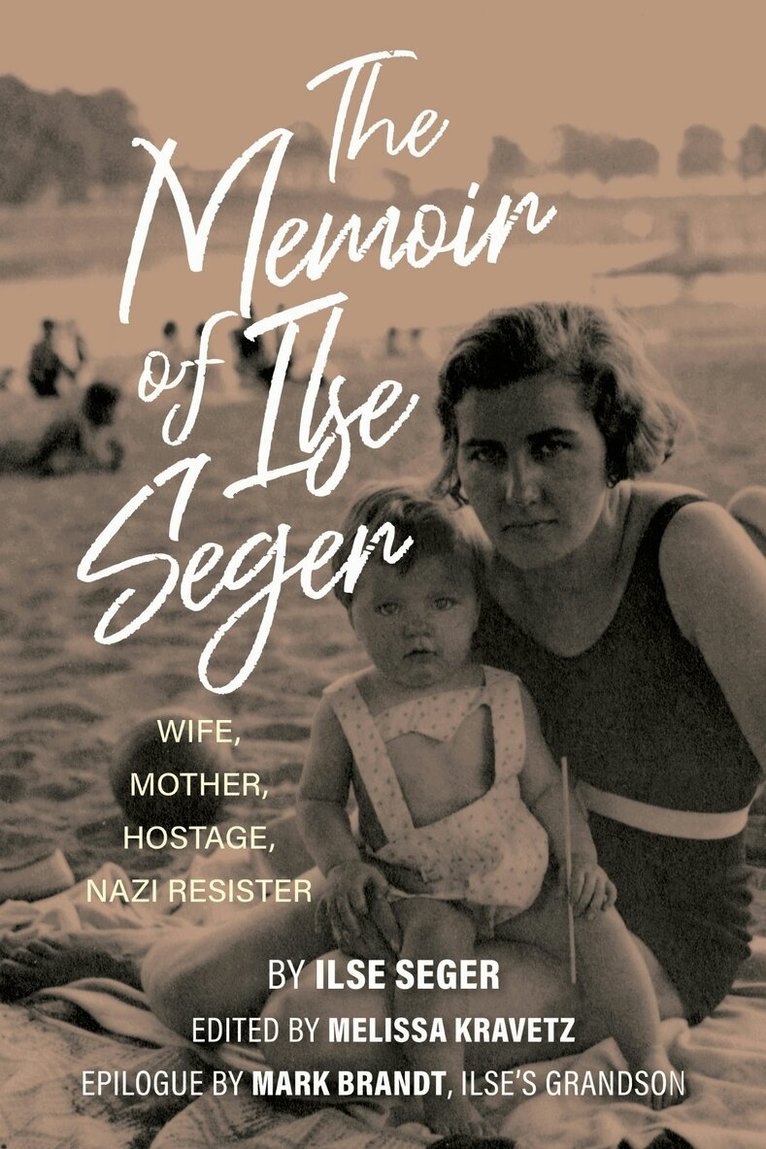
Elisabeth "Ilse" Seger was the wife of Gerhart Heinrich Seger, a German Social Democratic member of the Reichstag from 1930 to 1933. He was reelected for the last time on March 5, 1933, shortly after Hitler came to power. A week later, the Nazis arrested him and held him in "protective custody" for three months in a local prison in Dessau and then sent him to Oranienburg concentration camp for six months, until he escaped to Czechoslovakia. In The Memoir of Ilse Seger, Ilse tells Gerhart's story, but more importantly, she tells her own story: of her early resistance to the Nazi regime as a political opponent herself; of her solidarity with the Jews during the early years of Nazi persecution; of her defiance of expectations for women at the time; of her time as a hostage alongside her daughter, Renate, in Rosslau concentration camp and how they got out with help from members of Parliament; and, lastly, of her first years living in exile in France and Switzerland as her husband went on an anti-fascist speaking tour in the US. Ilse's story is an incredible contribution to our understanding of gendered political resistance, life in early German concentration camps, and Alltagsgeschichte, or the history of everyday life, by showing what everyday life was like for the wife of a political opponent in Nazi Germany.The Memoir of Ilse Seger is a gripping narrative of adventure and intrigue about the wartime life of an ordinary, decent woman.
Women Doctors in Weimar and Nazi Germany
Maternalism, Eugenics, and Professional Identity
Inbunden, Engelska, 2019
731 kr
Skickas inom 5-8 vardagar
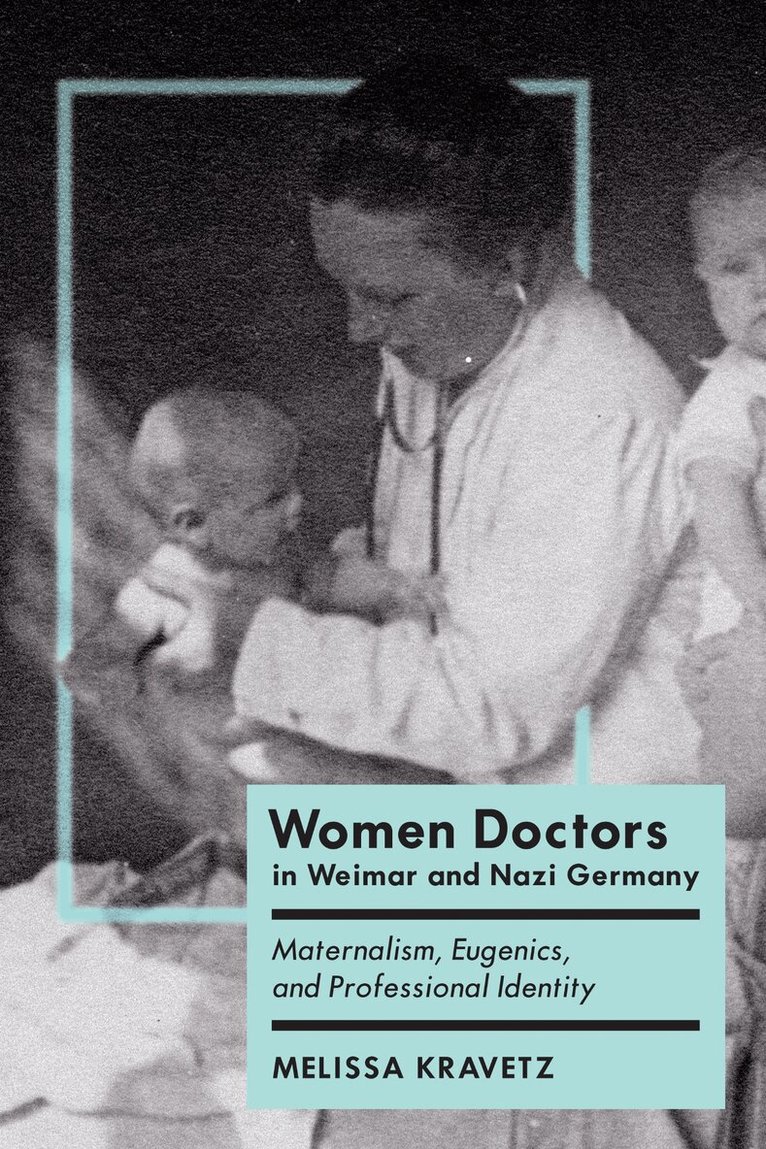
Examining how German women physicians gained a foothold in the medical profession during the Weimar and Nazi periods, Women Doctors in Weimar and Nazi Germany reveals the continuity in rhetoric, strategy, and tactics of female doctors who worked under both regimes. Melissa Kravetz explains how and why women occupied particular fields within the medical profession, how they presented themselves in their professional writing, and how they reconciled their medical perspectives with their views of the Weimar and later the Nazi state.Focusing primarily on those women who were members of the Bund Deutscher Ärztinnen (League of German Female Physicians or BDÄ), this study shows that female physicians used maternalist and, to a lesser extent, eugenic arguments to make a case for their presence in particular medical spaces. They emphasized gender difference to claim that they were better suited than male practitioners to care for women and children in a range of new medical spaces. During the Weimar Republic, they laid claim to marriage counselling centres, school health reform, and the movements against alcoholism, venereal disease, and prostitution. In the Nazi period, they emphasized their importance to the Bund Deutscher Mädels (League of German Girls), the Reichsmütterdienst (Reich Mothers’ Service), and breast milk collection efforts. Women doctors also tried to instil middle-class values into their working-class patients while fashioning themselves as advocates for lower-class women.
Women Doctors in Weimar and Nazi Germany
Maternalism, Eugenics, and Professional Identity
Häftad, Engelska, 2023
348 kr
Skickas inom 5-8 vardagar
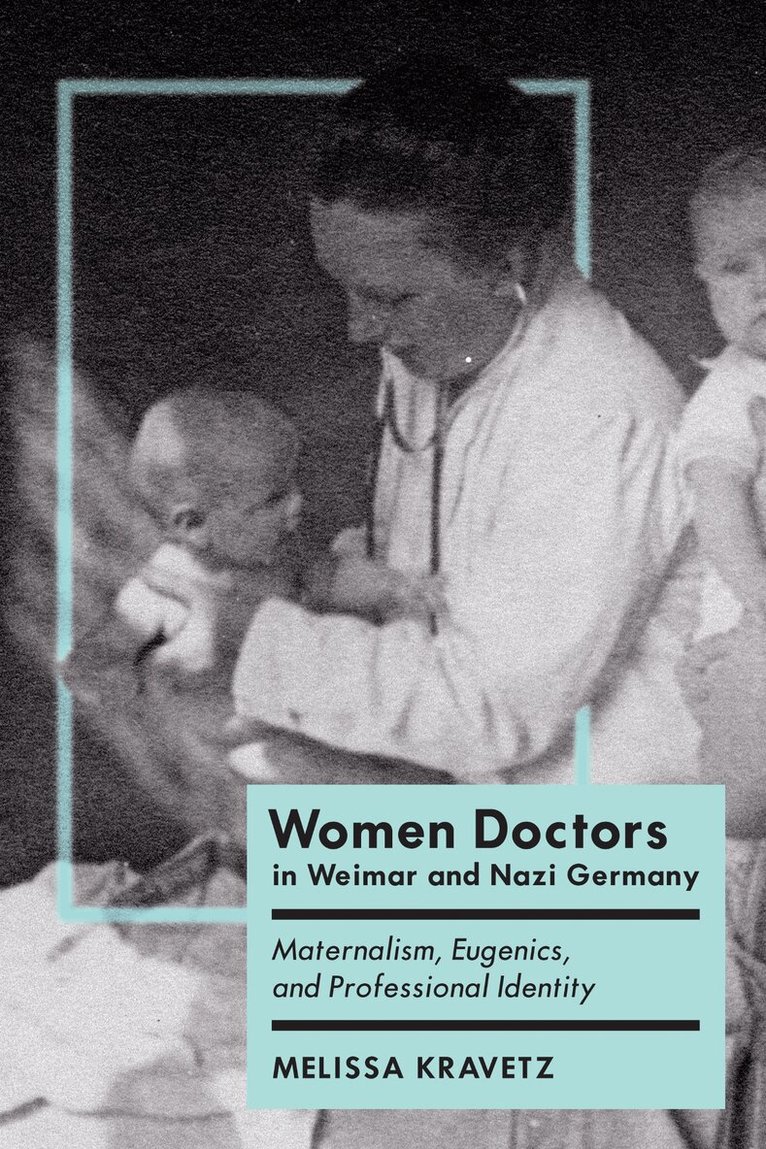
Examining how German women physicians gained a foothold in the medical profession during the Weimar and Nazi periods, Women Doctors in Weimar and Nazi Germany reveals the continuity in rhetoric, strategy, and tactics of female doctors who worked under both regimes. Melissa Kravetz explains how and why women occupied particular fields within the medical profession, how they presented themselves in their professional writing, and how they reconciled their medical perspectives with their views of the Weimar and later the Nazi state.Focusing primarily on those women who were members of the Bund Deutscher Ärztinnen (League of German Female Physicians or BDÄ), this study shows that female physicians used maternalist and, to a lesser extent, eugenic arguments to make a case for their presence in particular medical spaces. They emphasized gender difference to claim that they were better suited than male practitioners to care for women and children in a range of new medical spaces. During the Weimar Republic, they laid claim to marriage counselling centres, school health reform, and the movements against alcoholism, venereal disease, and prostitution. In the Nazi period, they emphasized their importance to the Bund Deutscher Mädels (League of German Girls), the Reichsmütterdienst (Reich Mothers’ Service), and breast milk collection efforts. Women doctors also tried to instil middle-class values into their working-class patients while fashioning themselves as advocates for lower-class women.