Melvin R. Lansky - Böcker
Visar alla böcker från författaren Melvin R. Lansky. Handla med fri frakt och snabb leverans.
4 produkter
4 produkter
457 kr
Skickas inom 7-10 vardagar
This collection traces the history of psycho-analytically informed thinking about dreams, using selected contributions from Freud to the present to highlight both the legacy of The Interpretation of dreams and the evolving use of the dream as a research tool- of the mind first, later of the psychoanalytic process and of pathology and loge predicaments, and finally as a tool to be integrated with other methods of investigation.
710 kr
Skickas inom 10-15 vardagar
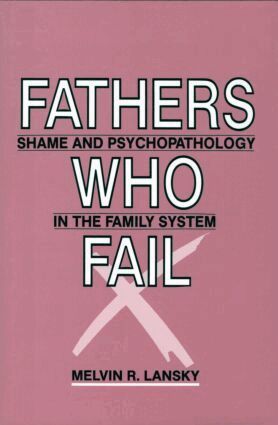
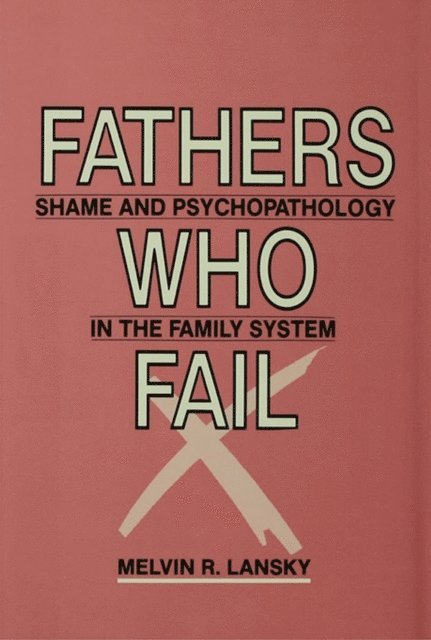
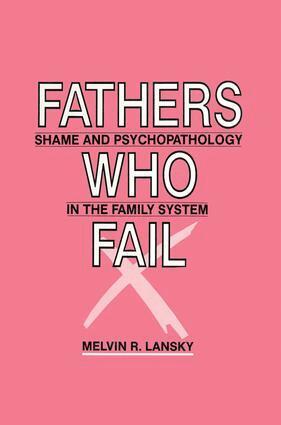
Despite the burgeoning literature on the role of the father in child development and on fathering as a developmental stage, surprisingly little has been written about the psychiatrically impaired father. In Fathers Who Fail, Melvin Lansky remedies this glaring lacuna in the literature. Drawing on contemporary psychoanalysis, family systems theory, and the sociology of conflict, he delineates the spectrum of psychopathological predicaments that undermine the ability of the father to be a father. Out of his sensitive integration of the intrapsychic and intrafamilial contexts of paternal failure emerges a richly textured portrait of psychiatrically impaired fathers, of fathers who fail. Lansky's probing discussion of narcissistic equilibrium in the family system enables him to chart the natural history common to the symptomatic impulsive actions of impaired fathers. He then considers specific manifestations of paternal dysfunction within this shared framework of heightened familial conflict and the failure of intrafamilial defenses to common shame. Domestic violence, suicide, the intensification of trauma, posttraumatic nightmares, catastrophic reactions in organic brain syndrome, and the murder of a spouse are among the major "symptoms" that he explores. In each instance, Lansky carefully sketches the progression of vulnerability and turbulence from the father's personality, to the family system, and thence to the symptomatic eruption in question. In his concluding chapter, he comments tellingly on the unconscious obstacles - on the part of both patients and therapists - to treating impaired fathers. The obstacles cut across different clinical modalities, underscoring the need for multimodal responses to fathers who fail.

829 kr
Skickas inom 10-15 vardagar
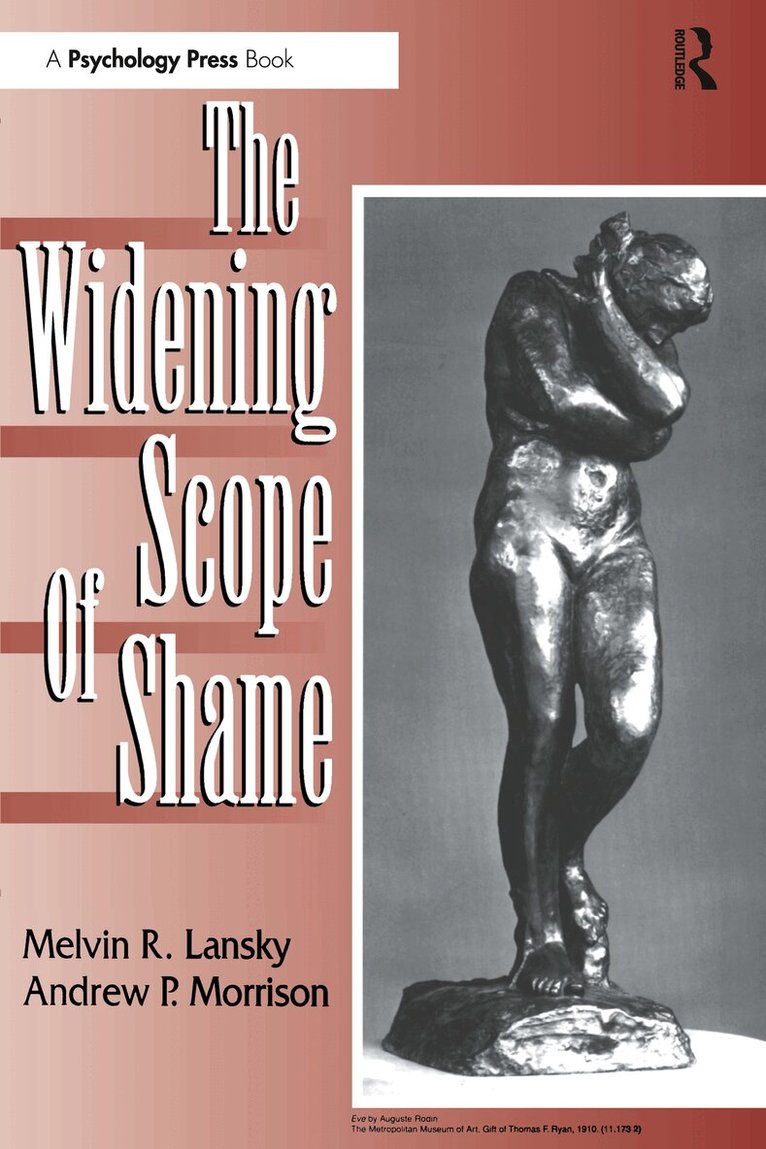
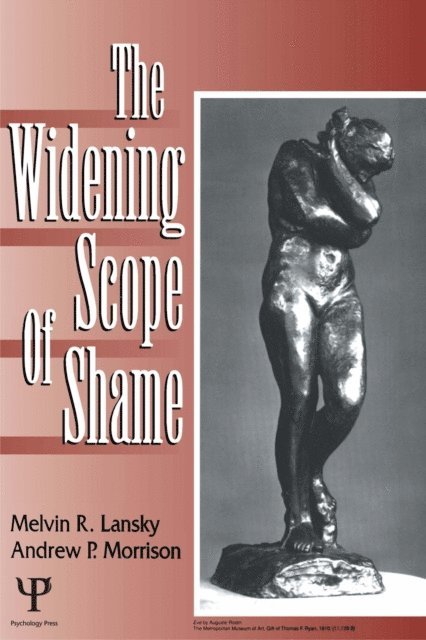
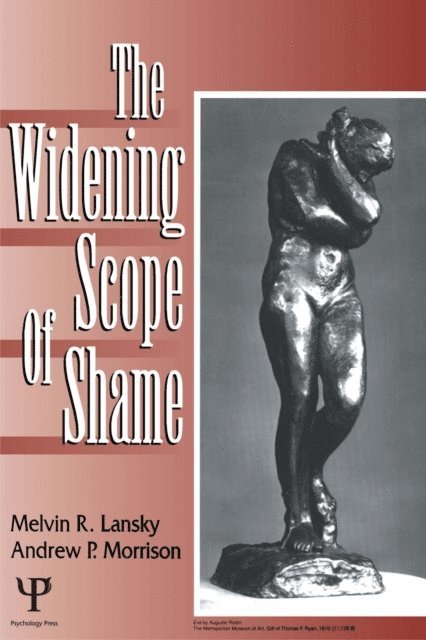
The Widening Scope of Shame is the first collection of papers on shame to appear in a decade and contains contributions from most of the major authors currently writing on this topic. It is not a sourcebook, but a comprehensive introduction to clinical and theoretical perspectives on shame that is intended to be read cover to cover. The panoramic scope of this multidisciplinary volume is evidenced by a variety of clinically and developmentally grounded chapters; by chapters explicating the theories of Silvan Tomkins and Helen Block Lewis; and by chapters examining shame from the viewpoints of philosophy, social theory, and the study of family systems. A final section of brief chapters illuminates shame in relation to specific clinical problems and experiential contexts, including envy, attention deficit disorder, infertility, masochism, the medical setting, and religious experience. This collection will be of special interest to psychoanalytically oriented readers. It begins with a chapter charting the evolution of Freud's thinking on shame, followed by chapters providing contemporary perspectives on the role of shame in development, and the status of shame within the theory of narcissism. Of further psychoanalytic interest are two reprinted classics by Sidney Levin on shame and marital dysfunction. In both depth of clinical coverage and breadth of perspectives, The Widening Scope of Shame is unique in the shame literature. Readable, well organized, and completely up to date, it becomes essential reading for all students of this intriguing and unsettling emotion and of human development more generally.
682 kr
Skickas inom 10-15 vardagar
Despite the burgeoning literature on the role of the father in child development and on fathering as a developmental stage, surprisingly little has been written about the psychiatrically impaired father. In Fathers Who Fail, Melvin Lansky remedies this glaring lacuna in the literature. Drawing on contemporary psychoanalysis, family systems theory, and the sociology of conflict, he delineates the spectrum of psychopathological predicaments that undermine the ability of the father to be a father. Out of his sensitive integration of the intrapsychic and intrafamilial contexts of paternal failure emerges a richly textured portrait of psychiatrically impaired fathers, of fathers who fail. Lansky's probing discussion of narcissistic equilibrium in the family system enables him to chart the natural history common to the symptomatic impulsive actions of impaired fathers. He then considers specific manifestations of paternal dysfunction within this shared framework of heightened familial conflict and the failure of intrafamilial defenses to common shame. Domestic violence, suicide, the intensification of trauma, posttraumatic nightmares, catastrophic reactions in organic brain syndrome, and the murder of a spouse are among the major "symptoms" that he explores. In each instance, Lansky carefully sketches the progression of vulnerability and turbulence from the father's personality, to the family system, and thence to the symptomatic eruption in question. In his concluding chapter, he comments tellingly on the unconscious obstacles - on the part of both patients and therapists - to treating impaired fathers. The obstacles cut across different clinical modalities, underscoring the need for multimodal responses to fathers who fail.