Mette Lebech – författare
Visar alla böcker från författaren Mette Lebech. Handla med fri frakt och snabb leverans.
6 produkter
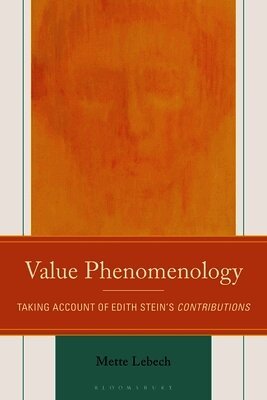
Value Phenomenology
Taking Account of Edith Stein’s Contributions
Av Mette Lebech
Inbunden, 2026
1208 kr
Lägg i varukorg
This work explores Edith Stein’s phenomenology of values as found in her early work—specifically, in her Contributions to a Philosophical Foundation for Psychology and the Humanities (1922).Mette Lebech makes a constructive exposition of its implications by discussing the experience of value and …
European Sources of Human Dignity
A Commented Anthology
Av Mette Lebech
Häftad, 2019
877 kr
Lägg i varukorg
This anthology brings together texts of significance for the conceptualisation of human dignity as a constitutional principle in Europe from the earliest evidence until 1965. It divides into four parts, respectively presenting the ancient, the medieval, the early modern and the modern sources. As …
Value Phenomenology
Taking Account of Edith Stein’s Contributions
Av Mette Lebech
E-bok, 2026
1325 kr
Lägg i varukorg
Explores Edith Stein's phenomenology of values as found in her early work-specifically her Contributions to a Philosophical Foundation for Psychology and the Humanities (1922). Mette Lebech makes a constructive exposition of Stein's phenomenology of values by discussing the experience of value and …
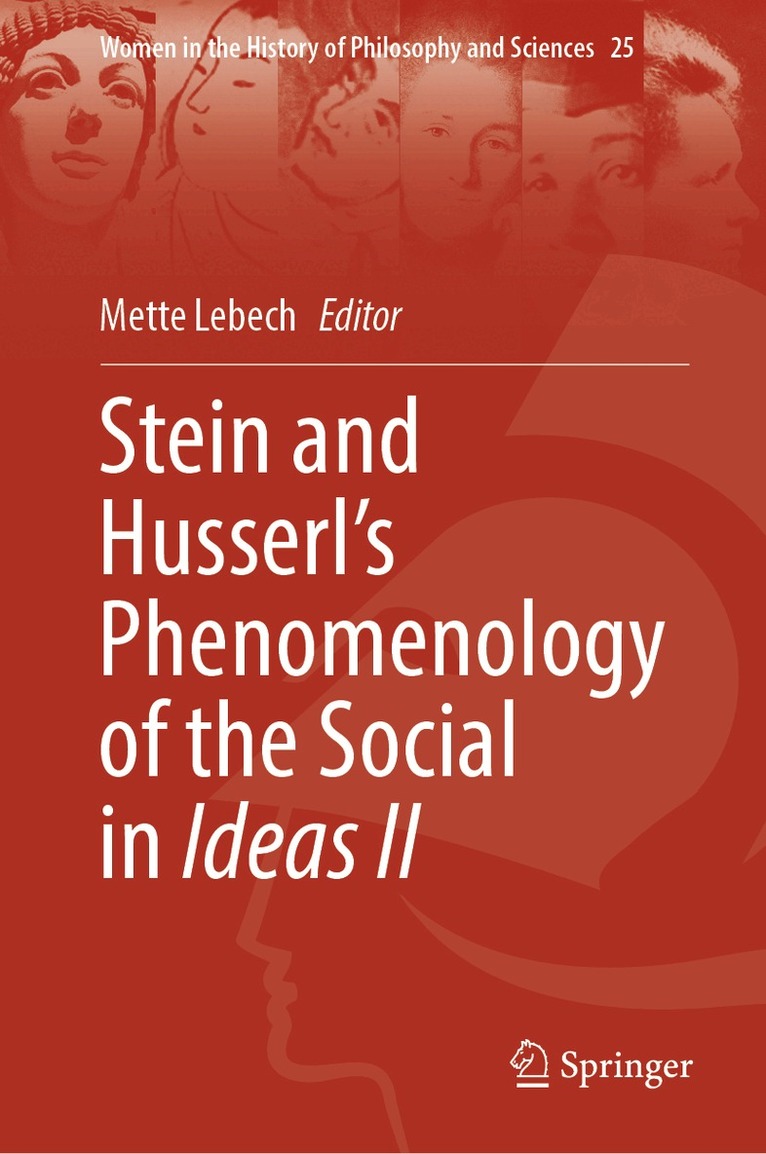
Stein and Husserl’s Phenomenology of the Social in Ideas II
Av Mette Lebech
Inbunden, 2026
1529 kr
Lägg i varukorg
This book presents a collection of articles most of which stem from papers given at the conference Stein’s and Husserl’s Intertwined Itineraries 1916-25 with Focus on Ideas II, hosted online, during COVID at the Centre for the History of Women Philosophers and Scientists, University of Paderborn, …
Stein and Husserl's Phenomenology of the Social in Ideas II
Av Mette Lebech
E-bok, 2026
1948 kr
Lägg i varukorg
This book presents a collection of articles most of which stem from papers given at the conference Stein’s and Husserl’s Intertwined Itineraries 1916-25 with Focus on Ideas II, hosted online, during COVID at the Centre for the History of Women Philosophers and Scientists, University of Paderborn, …
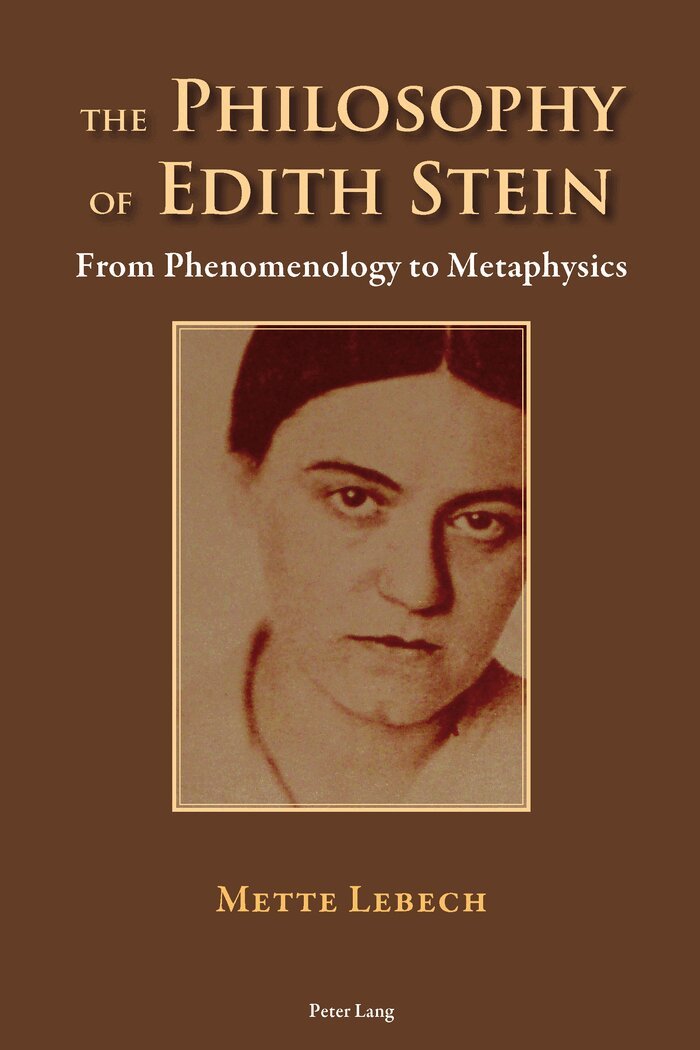
Philosophy of Edith Stein
From Phenomenology to Metaphysics
Av Mette Lebech
Häftad, 2015
764 kr
Lägg i varukorg
Many interested reader will have put aside a work by Edith Stein due to its seeming inaccessibility, with the awareness that there was something important there for a future occasion. This collection of essays attempts to provide an idea of what this important something might be and give a key to …