M.F. Thorpe – författare
Visar alla böcker från författaren M.F. Thorpe. Handla med fri frakt och snabb leverans.
20 produkter
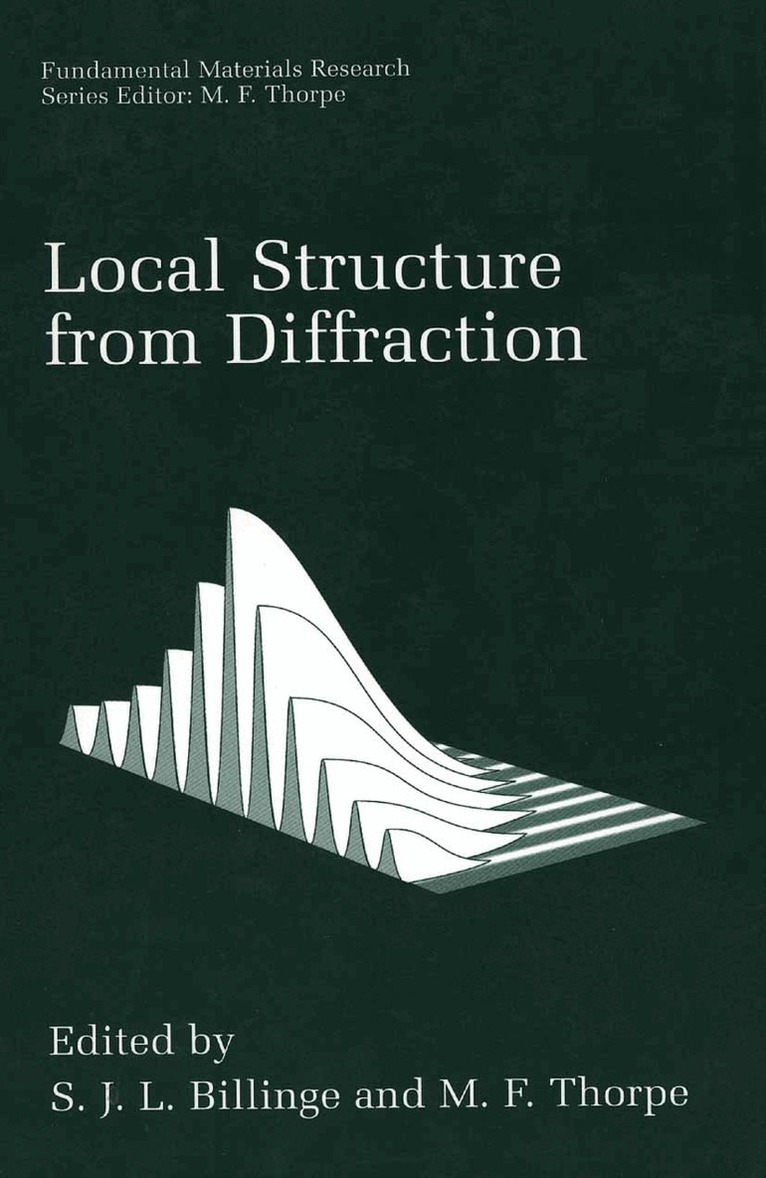
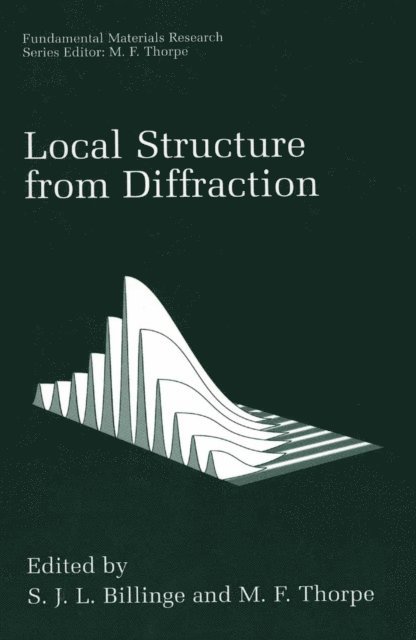
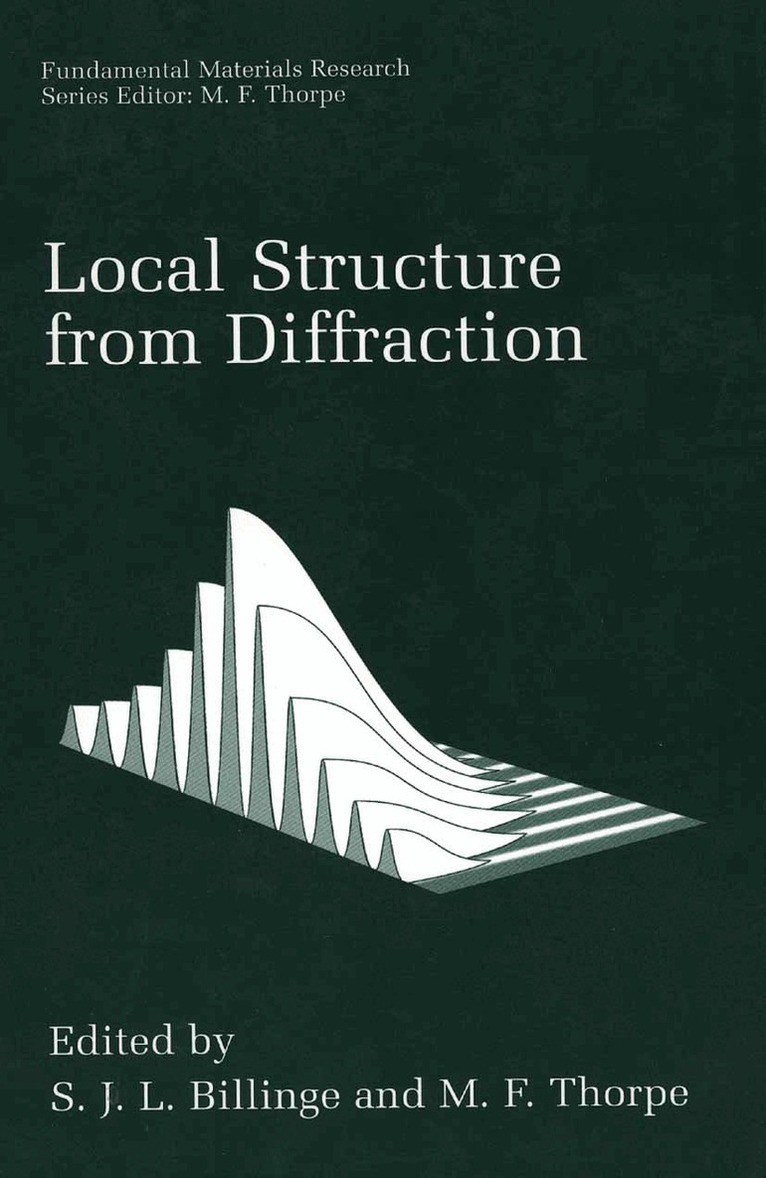
Local Structure from Diffraction
Av S. J. Bilinge, Conference on Local Structure from Diffr m. fl.
Inbunden, 1998
2406 kr
Lägg i varukorg
This series of books, which is published at the rate of about one per year, addresses fundamental problems in materials science. The contents cover a broad range of topics from small clusters of atoms to engineering materials and involve chemistry, physics, materials science and engineering, with …
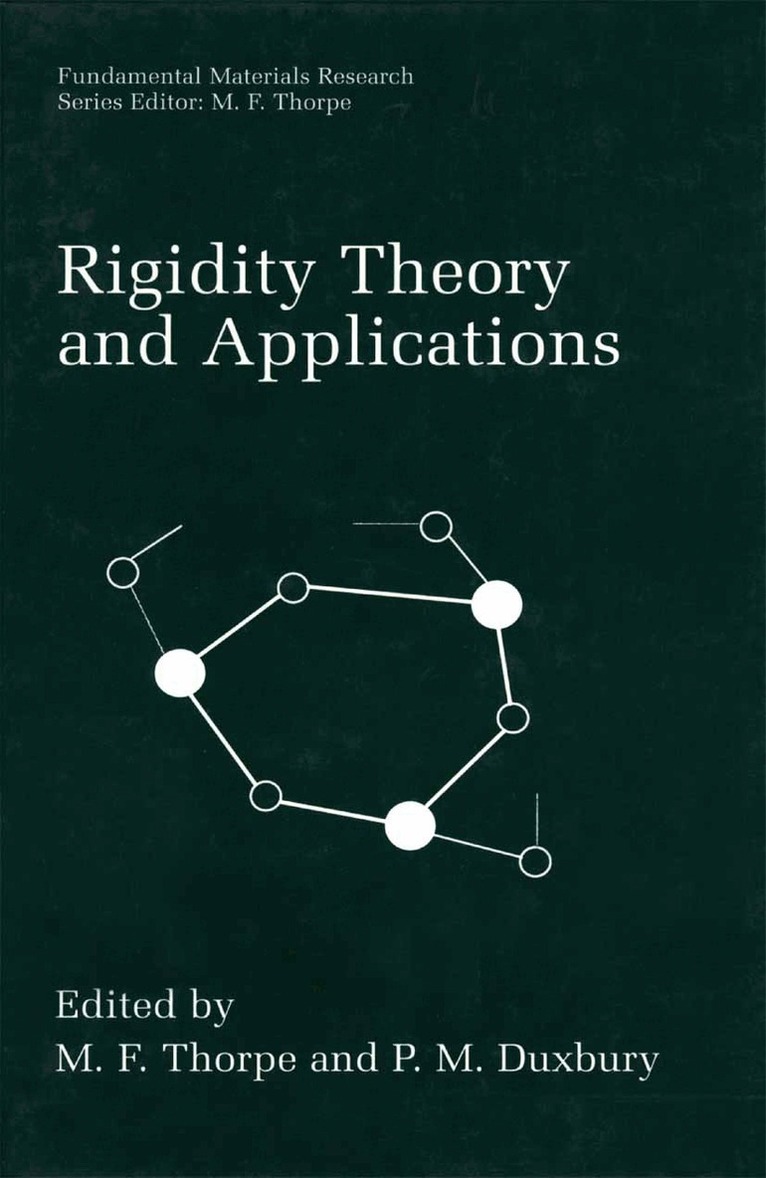
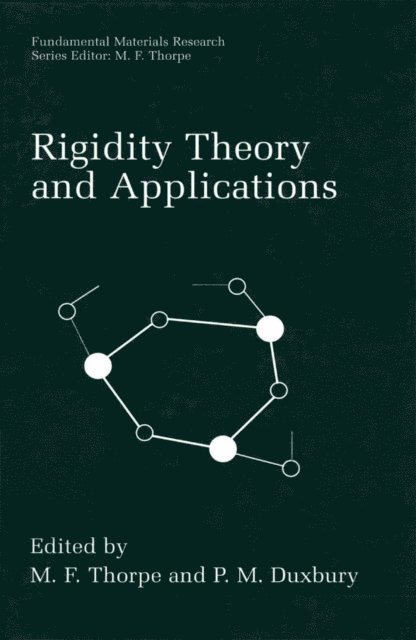
Rigidity Theory and Applications
Inbunden, 1999
2188 kr
Lägg i varukorg
Although rigidity has been studied since the time of Lagrange (1788) and Maxwell (1864), it is only in the last twenty-five years that it has begun to find applications in the basic sciences. The modern era starts with Laman (1970), who made the subject rigorous in two dimensions, followed by the …
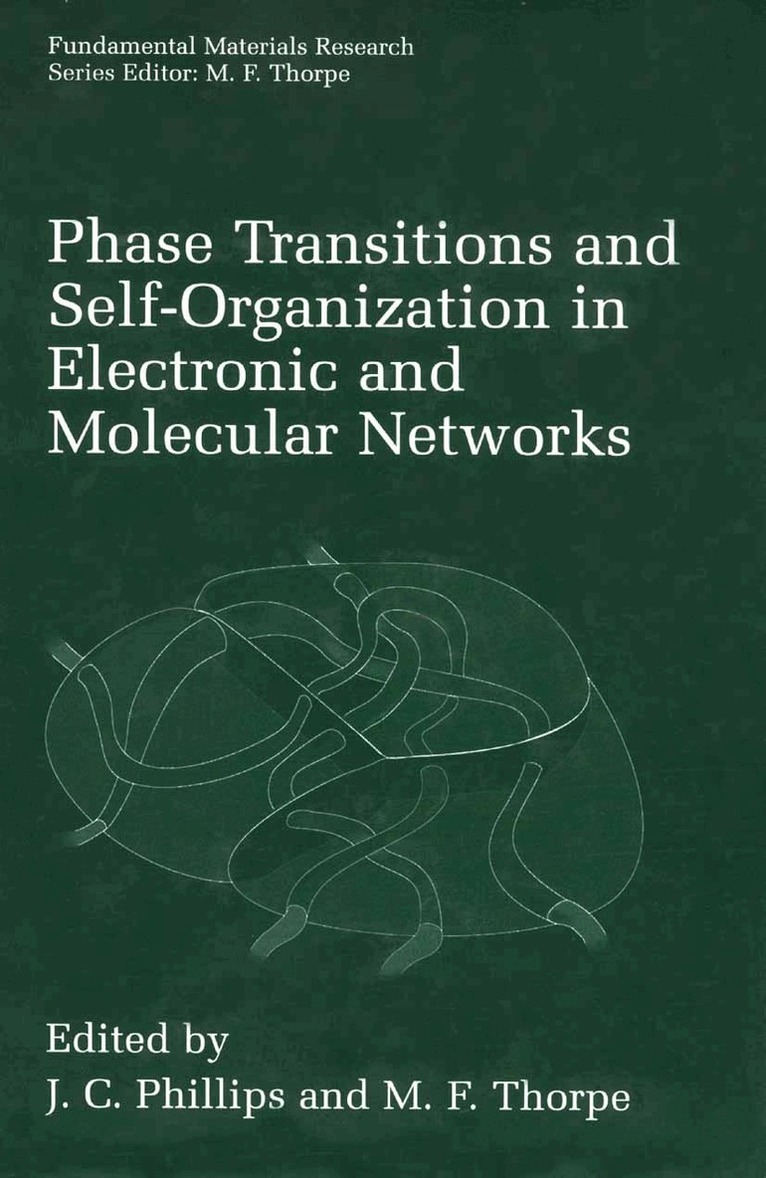
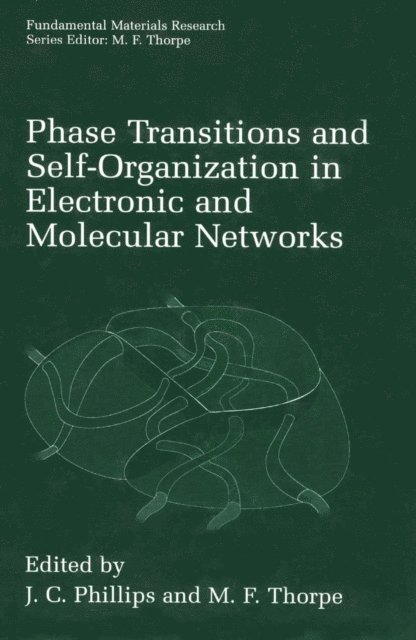
Phase Transitions and Self-Organization in Electronic and Molecular Networks
Inbunden, 2001
1643 kr
Lägg i varukorg
Advances in nanoscale science show that the properties of many materials are dominated by internal structures. In molecular cases, such as window glass and proteins, these internal structures obviously have a network character. However, in many partly disordered electronic materials, almost all …
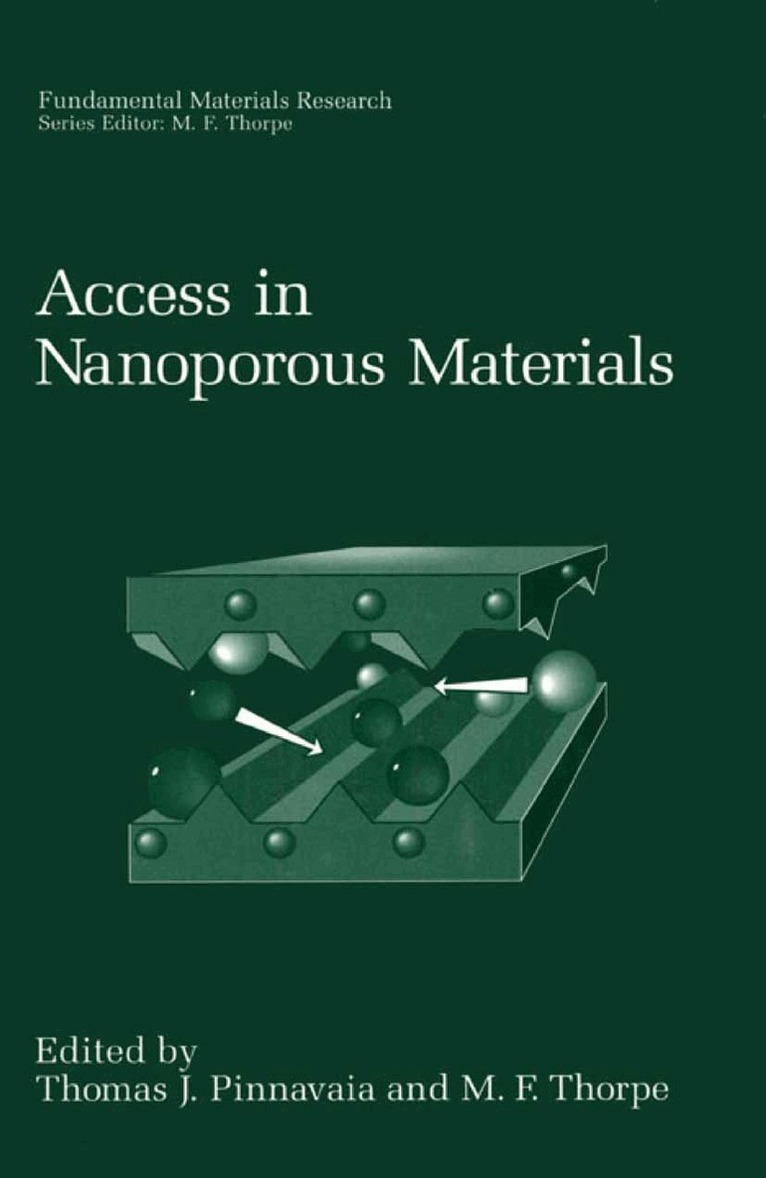
Access in Nanoporous Materials
Av M.F. Thorpe, T.J. Pinnavaia
E-bok, 2006
734 kr
Lägg i varukorg
This series of books, which is published at the rate of about one per year, addresses fundamental problems in materials science. The contents cover a broad range of topics from small clusters of atoms to engineering materials and involve chemistry, physics, and engineering, with length scales …
Local Structure from Diffraction
Av M.F. Thorpe, S.J.L. Billinge
E-bok, 2006
3157 kr
Lägg i varukorg
This series of books, which is published at the rate of about one per year, addresses fundamental problems in materials science. The contents cover a broad range of topics from small clusters of atoms to engineering materials and involve chemistry, physics, materials science and engineering, with …
Rigidity Theory and Applications
E-bok, 2006
2925 kr
Lägg i varukorg
Although rigidity has been studied since the time of Lagrange (1788) and Maxwell (1864), it is only in the last twenty-five years that it has begun to find applications in the basic sciences. The modern era starts with Laman (1970), who made the subject rigorous in two dimensions, followed by the …
Phase Transitions and Self-Organization in Electronic and Molecular Networks
E-bok, 2006
2111 kr
Lägg i varukorg
Advances in nanoscale science show that the properties of many materials are dominated by internal structures. In molecular cases, such as window glass and proteins, these internal structures obviously have a network character. However, in many partly disordered electronic materials, almost all …
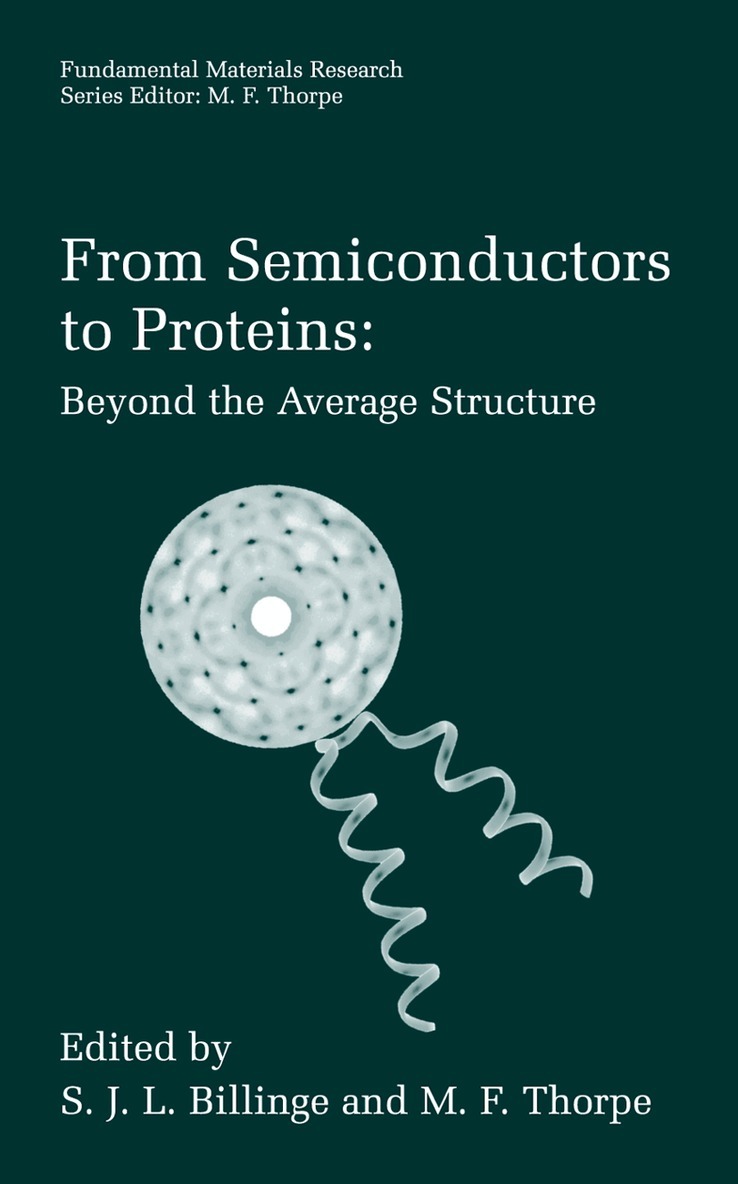
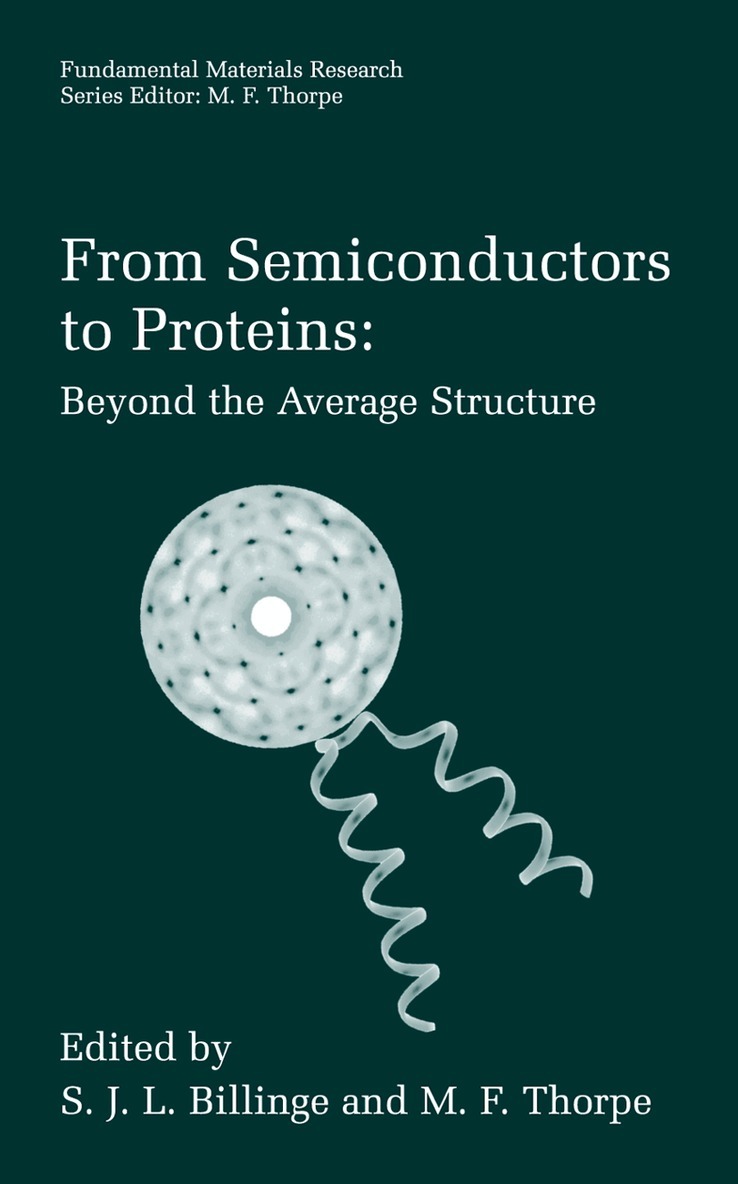
From Semiconductors to Proteins: Beyond the Average Structure
Av S. J. L. Billinge, S.J.L. Billinge m. fl.
Inbunden, 2002
1643 kr
Lägg i varukorg
This series of books, which is published at the rate of about one per year, addresses fundamental problems in materials science. The contents cover a broad range of topics from small clusters of atoms to engineering materials and involve chemistry, physics, materials science, and engineering, with …
Protein Flexibility and Folding
Av L.A. Kuhn, M.F. Thorpe
Inbunden, 2001
2638 kr
Lägg i varukorg
The papers in this volume are from the workshop on Protein Flexibility and Folding held in Traverse City, Michigan from August 13 - 17, 2000. The purpose of the workshop was to bring together diverse people interested in protein folding and flexibility from theoretical, computational and …
Amorphous Insulators and Semiconductors
Inbunden, 1997
2188 kr
Lägg i varukorg
The aim of this NATO ASI has been to present an up-to-date overview of current areas of interest in amorphous materials. In order to limit the material to a manageable amount, the meeting was concerned exclusively with insulating and semiconducting materials. The lectures and seminars fill the gap …
Properties and Applications of Amorphous Materials
Av M.F. Thorpe, L. Tichý
Inbunden, 2001
2188 kr
Lägg i varukorg
The aim of this NATO ASI has been to present an up-to-date overview of current areas of interest in amorphous materials, with particular emphasis on electronic properties and device applications. In order to limit the material to a manageable amount, the meeting was concerned almost exclusively …
Properties and Applications of Amorphous Materials
Av M.F. Thorpe, L. Tichý
Häftad, 2001
2188 kr
Lägg i varukorg
The aim of this NATO ASI has been to present an up-to-date overview of current areas of interest in amorphous materials, with particular emphasis on electronic properties and device applications. In order to limit the material to a manageable amount, the meeting was concerned almost exclusively …
Local Structure from Diffraction
Av S.J.L. Billinge, M.F. Thorpe
Häftad, 2011
2406 kr
Lägg i varukorg
This series of books, which is published at the rate of about one per year, addresses fundamental problems in materials science. The contents cover a broad range of topics from small clusters of atoms to engineering materials and involve chemistry, physics, materials science and engineering, with …
From Semiconductors to Proteins: Beyond the Average Structure
Av S.J.L. Billinge, M.F. Thorpe
Häftad, 2012
1643 kr
Lägg i varukorg
This series of books, which is published at the rate of about one per year, addresses fundamental problems in materials science. The contents cover a broad range of topics from small clusters of atoms to engineering materials and involve chemistry, physics, materials science, and engineering, with …
From Semiconductors to Proteins: Beyond the Average Structure
Av M.F. Thorpe, S.J.L. Billinge
E-bok, 2012
2111 kr
Lägg i varukorg
This series of books, which is published at the rate of about one per year, addresses fundamental problems in materials science. The contents cover a broad range of topics from small clusters of atoms to engineering materials and involve chemistry, physics, materials science, and engineering, with …
Access in Nanoporous Materials
Av T.J. Pinnavaia, M.F. Thorpe
Häftad, 2013
552 kr
Lägg i varukorg
This series of books, which is published at the rate of about one per year, addresses fundamental problems in materials science. The contents cover a broad range of topics from small clusters of atoms to engineering materials and involve chemistry, physics, and engineering, with length scales …
Rigidity Theory and Applications
Häftad, 2013
2406 kr
Lägg i varukorg
Although rigidity has been studied since the time of Lagrange (1788) and Maxwell (1864), it is only in the last twenty-five years that it has begun to find applications in the basic sciences. The modern era starts with Laman (1970), who made the subject rigorous in two dimensions, followed by the …
Phase Transitions and Self-Organization in Electronic and Molecular Networks
Häftad, 2013
1643 kr
Lägg i varukorg
Advances in nanoscale science show that the properties of many materials are dominated by internal structures. In molecular cases, such as window glass and proteins, these internal structures obviously have a network character. However, in many partly disordered electronic materials, almost all …
Amorphous Insulators and Semiconductors
Häftad, 2010
2188 kr
Lägg i varukorg
The aim of this NATO ASI has been to present an up-to-date overview of current areas of interest in amorphous materials. In order to limit the material to a manageable amount, the meeting was concerned exclusively with insulating and semiconducting materials. The lectures and seminars fill the gap …
Properties and Applications of Amorphous Materials
Av L. Tichy, M.F. Thorpe
E-bok, 2012
2862 kr
Lägg i varukorg
The aim of this NATO ASI has been to present an up-to-date overview of current areas of interest in amorphous materials, with particular emphasis on electronic properties and device applications. In order to limit the material to a manageable amount, the meeting was concerned almost exclusively …