M.G. Bos – författare
Visar alla böcker från författaren M.G. Bos. Handla med fri frakt och snabb leverans.
8 produkter
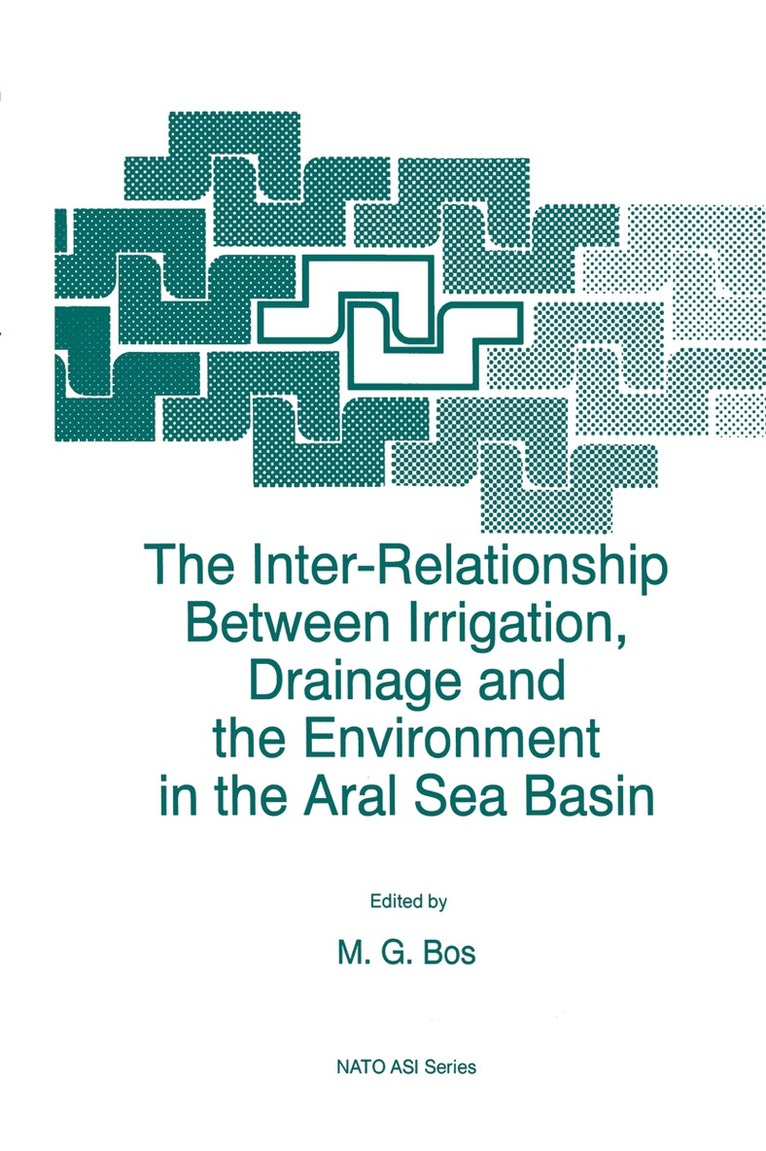
Inter-Relationship Between Irrigation, Drainage and the Environment in the Aral Sea Basin
Av M.G. Bos
Inbunden, 1996
1643 kr
Lägg i varukorg
The irrigated area in the Aral Sea basin totals about 7. 5 million hectare. Part of the water supplied to this area is consumed by the irrigated crop; the remainder of the supplied water drains to the groundwater basin, to downstream depressions, or back to the rivers. During its use, however, this …
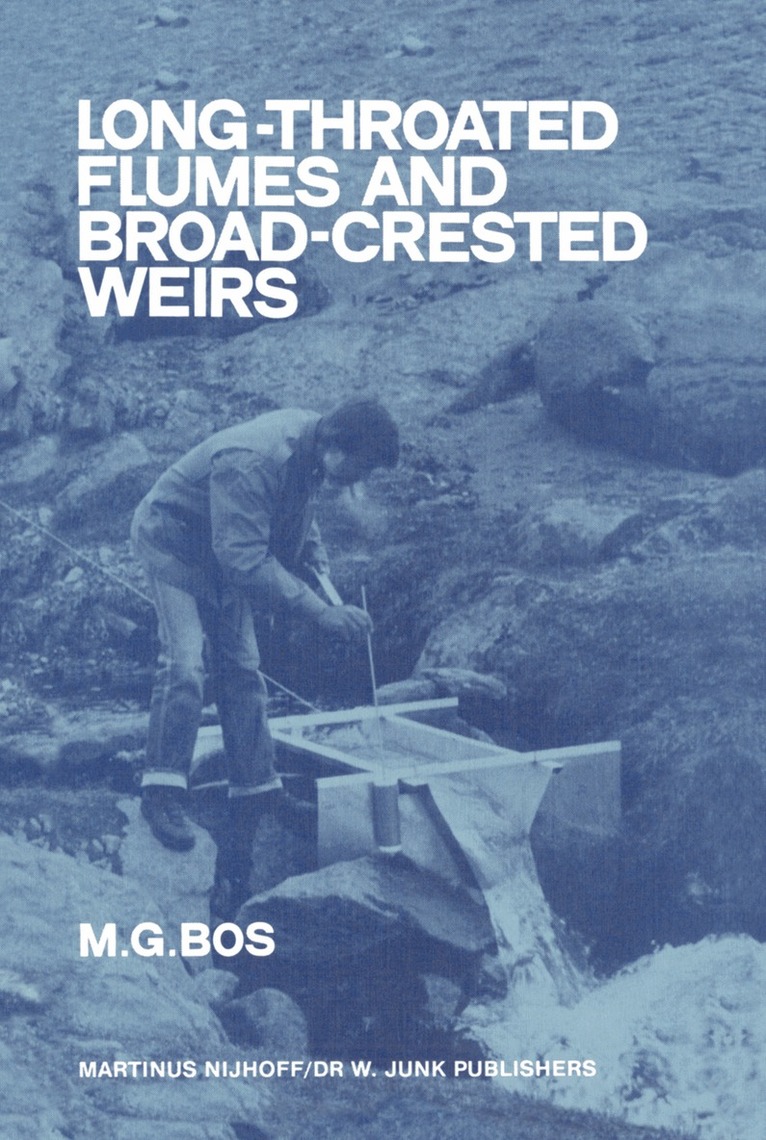
Long-Throated Flumes and Broad-Crested Weirs
Av M.G. Bos
Inbunden, 1984
1098 kr
Lägg i varukorg
In the context of water management, structures that measure the flow rate in open channels are used for a variety of purposes: (i) In hydrology, they measure the discharge from catchments; (ii) In irrigation, they measure and control the distribution of water at canal bifurcations and at off-take …
GIS and Remote Sensing Techniques in Land- and Water-management
Av M.G. Bos, A. van Dijk
E-bok, 2013
1570 kr
Lägg i varukorg
Managing land and water is a complex affair. Decisions must be made constantly to allocate and use natural resources. Decision and action in any use of resources often have strong interactions and side-effects on others, therefore it is extremely important to monitor and forecast the impacts of the …
Inter-Relationship Between Irrigation, Drainage and the Environment in the Aral Sea Basin
Av M.G. Bos
E-bok, 2012
2111 kr
Lägg i varukorg
The irrigated area in the Aral Sea basin totals about 7. 5 million hectare. Part of the water supplied to this area is consumed by the irrigated crop; the remainder of the supplied water drains to the groundwater basin, to downstream depressions, or back to the rivers. During its use, however, this …
Long-Throated Flumes and Broad-Crested Weirs
Av M.G. Bos
E-bok, 2012
1459 kr
Lägg i varukorg
In the context of water management, structures that measure the flow rate in open channels are used for a variety of purposes: (i) In hydrology, they measure the discharge from catchments; (ii) In irrigation, they measure and control the distribution of water at canal bifurcations and at off-take …
Long-Throated Flumes and Broad-Crested Weirs
Av M.G. Bos
Häftad, 2011
1098 kr
Lägg i varukorg
In the context of water management, structures that measure the flow rate in open channels are used for a variety of purposes: (i) In hydrology, they measure the discharge from catchments; (ii) In irrigation, they measure and control the distribution of water at canal bifurcations and at off-take …
GIS and Remote Sensing Techniques in Land- and Water-management
Av A. van Dijk, M.G. Bos
Häftad, 2011
1207 kr
Lägg i varukorg
Managing land and water is a complex affair. Decisions must be made constantly to allocate and use natural resources. Decision and action in any use of resources often have strong interactions and side-effects on others, therefore it is extremely important to monitor and forecast the impacts of the …
Inter-Relationship Between Irrigation, Drainage and the Environment in the Aral Sea Basin
Häftad, 2011
1643 kr
Lägg i varukorg
The irrigated area in the Aral Sea basin totals about 7. 5 million hectare. Part of the water supplied to this area is consumed by the irrigated crop; the remainder of the supplied water drains to the groundwater basin, to downstream depressions, or back to the rivers. During its use, however, this …