Michael A. Adler – författare
Visar alla böcker från författaren Michael A. Adler. Handla med fri frakt och snabb leverans.
3 produkter
3 produkter
357 kr
Skickas inom 11-20 vardagar
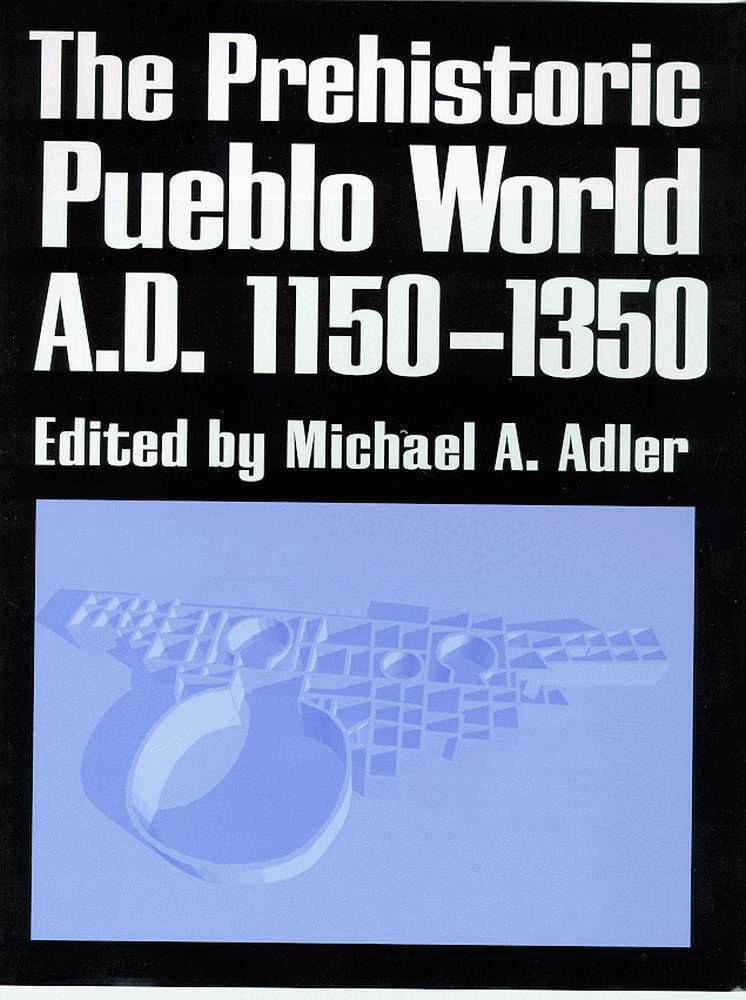
From the mid-twelfth to the mid-fourteenth century, the world of the ancestral Pueblo people (Anasazi) was in transition, undergoing changes in settlement patterns and community organization that resulted in what scholars now call the Pueblo III period. This book synthesizes the archaeology of the ancestral Pueblo world during the Pueblo III period, examining twelve regions that embrace nearly the entire range of major topographic features, ecological zones, and prehistoric Puebloan settlement patterns found in the northern Southwest. Drawn from the 1990 Crow Canyon Archaeological Center conference "Pueblo Cultures in Transition," the book serves as both a data resource and a summary of ideas about prehistoric changes in Puebloan settlement and in regional interaction across nearly 150,000 square miles of the Southwest. The volume provides a compilation of settlement data for over 800 large sites occupied between A.D. 1100-1400 in the Southwest. These data provide new perspectives on the geographic scale of culture change in the Southwest during this period.Twelve chapters analyze the archaeological record for specific districts and provide a detailed picture of settlement size and distribution, community architecture, and population trends during the period. Additional chapters cover warfare and carrying capacity and provide overviews of change in the region. Throughout the chapters, the contributors address the unifying issues of the role of large sites in relation to smaller ones, changes in settlement patterns from the Pueblo II to Pueblo III periods, changes in community organization, and population dynamics. Although other books have considered various regions or the entire prehistoric area, this is the first to provide such a wealth of information on the Pueblo III period and such detailed district-by-district syntheses. By dealing with issues of population aggregation and the archaeology of large settlements, it offers readers a much-needed synthesis of one of the most crucial periods of culture change in the Southwest. Contents-1. "The Great Period": The Pueblo World During the Pueblo III Period, A.D. 1150 to 1350, Michael A. Adler-2.Pueblo II-Pueblo III Change in Southwestern Utah, the Arizona Strip, and Southern Nevada, Margaret M. Lyneis-3. Kayenta Anasazi Settlement Transformations in Northeastern Arizona: A.D. 1150 to 1350, Jeffrey S. Dean-4. The Pueblo III-Pueblo IV Transition in the Hopi Area, Arizona, E. Charles Adams-5. The Pueblo III Period along the Mogollon Rim: The Honanki, Elden, and Turkey Hill Phases of the Sinagua, Peter J. Pilles, Jr.-6. A Demographic Overview of the Late Pueblo III Period in the Mountains of East-central Arizona, J. Jefferson Reid, John R. Welch, Barbara K. Montgomery, and Maria Nieves Zedeno-7. Southwestern Colorado and Southeastern Utah Settlement Patterns: A.D. 1100 to 1300, Mark D. Varien, William D. Lipe, Michael A. Adler, Ian M. Thompson, and Bruce A. Bradley-8. Looking beyond Chaco: The San Juan Basin and Its Peripheries, John R. Stein and Andrew P. Fowler-9. The Cibola Region in the Post-Chacoan Era, Keith W. Kintigh-10. The Pueblo III Period in the Eastern San Juan Basin and Acoma-Laguna Areas, John R. Roney-11. Southwestern New Mexico and Southeastern Arizona, A.D. 900 to 1300, Stephen H. Lekson-12.Impressions of Pueblo III Settlement Trends among the Rio Abajo and Eastern Border Pueblos, Katherine A. Spielman-13. Pueblo Cultures in Transition: The Northern Rio Grande, Patricia L. Crown, Janet D. Orcutt, and Timothy A. Kohler-14. The Role of Warfare in the Pueblo III Period, Jonathan Haas and Winifred Creamer-15. Agricultural Potential and Carrying Capacity in Southwestern Colorado, A.D. 901 to 1300, Carla R. Van West-16. Big Sites, Big Questions: Pueblos in Transition, Linda S. Cordell-17. Pueblo III People and Polity in Relational Context, David R. Wilcox-Appendix: Mapping the Puebloan Southwest, Michael Adler and Amber Johnson
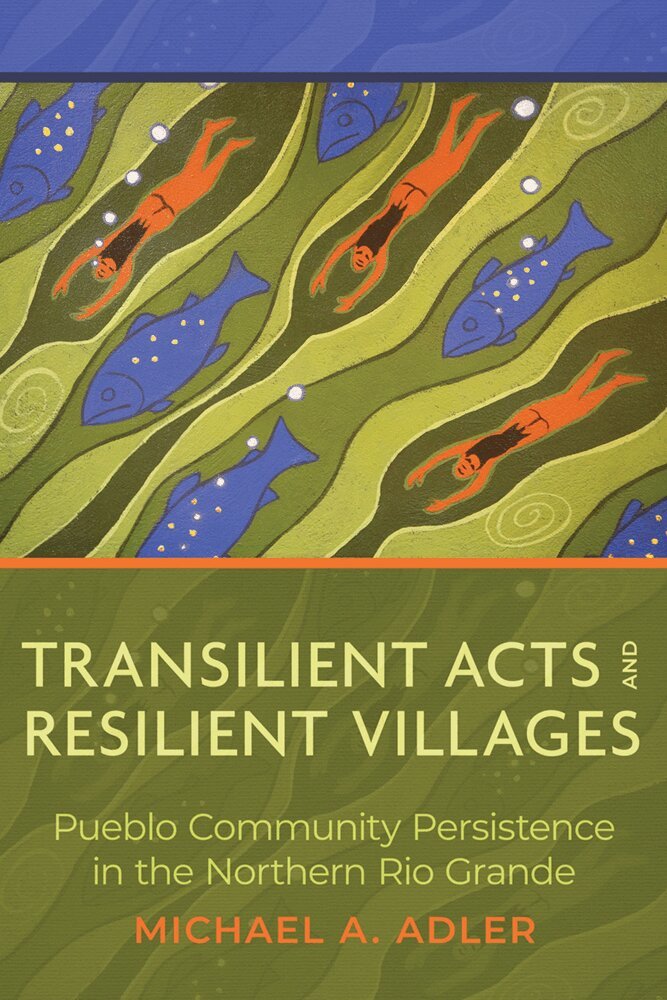
Transilient Acts and Resilient Villages
Pueblo Community Persistence in the Northern Rio Grande
Inbunden, Engelska, 2026
822 kr
Skickas inom 7-10 vardagar
A powerful rethinking of resilience through the lens of Pueblo history, this work reveals how Tiwa communities in the Northern Rio Grande used culturally intentional strategies to adapt, transform, and endure across a millennium of change. Anthropologist Michael A. Adler introduces the concept of transilience—culturally intentional acts that address existential threats and enable transformation—as a framework for interpreting the long-term persistence of Tiwa communities.Focusing on the Tiwa-speaking communities of Taos, Picuris, and Pot Creek Pueblos, Adler shows how social and ritual organization, architectural change, and sacred geographies were mobilized in response to disruption. He challenges conventional resilience theory, which emphasizes systemic stability, instead centering Indigenous agency, mobility, and sacred practice as key to understanding cultural endurance.Grounded in decades of collaborative research with Pueblo communities, Transilient Acts and Resilient Villages is a vital contribution to southwestern archaeology. It offers a compelling model for how archaeology can respectfully engage with descendant communities and provides essential insights for scholars, students, and community members seeking to understand the complexities of cultural persistence in the face of change.
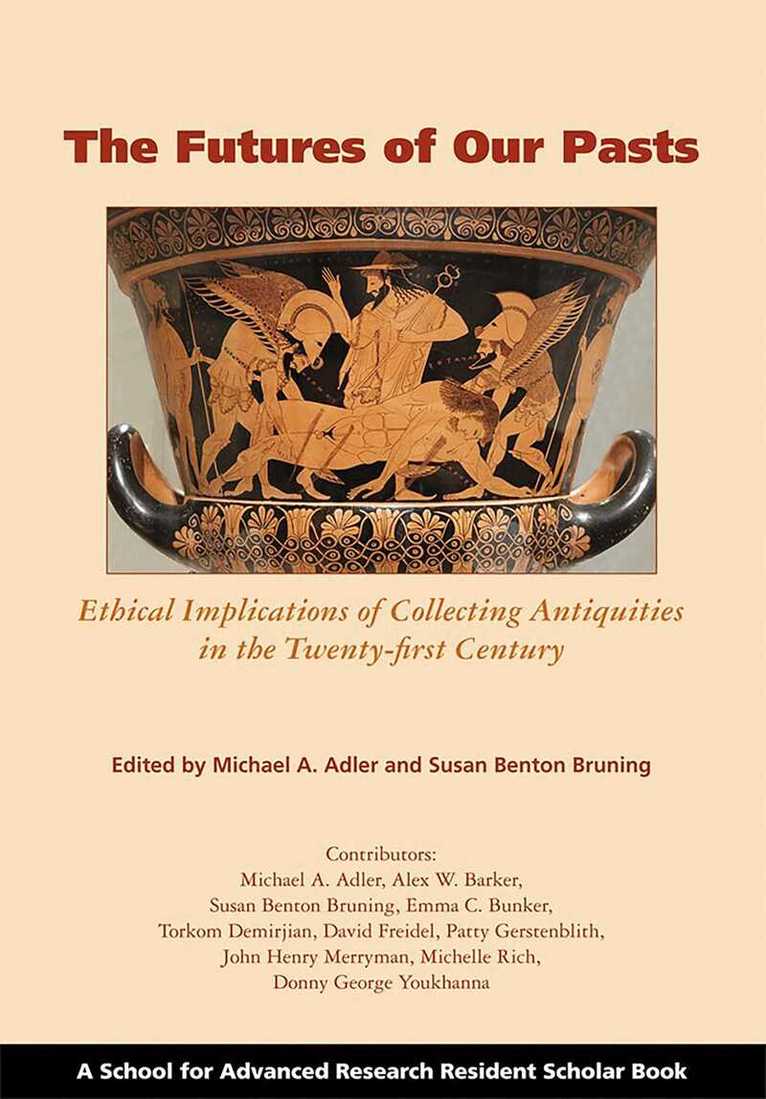
Futures of Our Pasts
Ethical Implications of Collecting Antiquities in the Twenty-first Century
Häftad, Engelska, 2012
504 kr
Skickas inom 3-6 vardagar
Ownership of “the past”—a concept invoking age-old struggles to possess and control ancient objects—is an essential theme in understanding our global cultural heritage. Beyond ownership, however, lies the need for stewardship: the responsibility of owners, possessors, and others interested in ancient objects to serve as custodians for the benefit of present and future generations. Peru is battling Yale University over artifacts from Machu Picchu, Italy is demanding the return of treasured objects from museums and collectors alike, and Native American tribes and other indigenous communities seek to reclaim important cultural items and rebury human remains and funerary objects taken from their lands. In the middle of this roiling debate over who has the right to collect and display antiquities, a group of scholars convened to debate differing perspectives on the ethics of antiquities collecting. This volume is one outgrowth of those efforts.