Michael A. Sells - Böcker
Visar alla böcker från författaren Michael A. Sells. Handla med fri frakt och snabb leverans.
3 produkter
3 produkter
274 kr
Skickas inom 7-10 vardagar
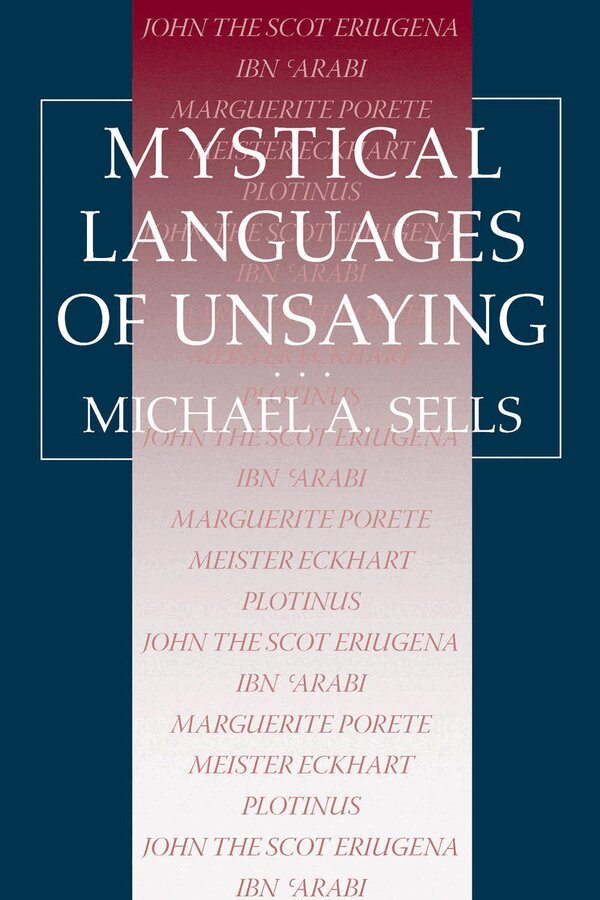
This text examines a mode of mystical discourse, "apophasis", which literally means "speaking away." Sometimes translated as "negative theology," apophatic discourse embraces the impossibility of naming something that is ineffable by continually turning back upon its own propositions and names. In this study of apophasis in Greek, Christian and Islamic texts, Michael Sells offers a sustained, critical account of how apophatic language works, the conventions, logic, and paradoxes it employs, and the dilemmas encountered in any attempt to analyze it. This book includes readings of the most rigorously apophatic texts of Plotinus, John the Scot Eriugena, Ibn Arabi, Marguerite Porete, and Meister Eckhart, with comparative reference to important apophatic writers in the Jewish tradition, such as Abraham Abulafia and Moses de Leon. Sells reveals essential common features in the writings of these authors, despite their wide-ranging differences in era, tradition and theology. By showing how apophasis works as a mode of discourse rather than as a negative theology, this work aims to open the subject up for re-evaluation.Sells demonstrates that the more radical claims of apophatic writers - claims that critics have often dismissed as hyperbolic or condemned as pantheistic or nihilistic - are vital to an adequate account of the mystical languages of unsaying. This work also has implications for the relationship of classical apophasis to contemporary languages of the unsayable. Sells challenges many widely circulated characterizations of apophasis among deconstructionists, as well as a number of common notions about medieval thought and gender relations in medieval mysticism.
Del 11 - Comparative Studies in Religion and Society
Bridge Betrayed
Religion and Genocide in Bosnia
Häftad, Engelska, 1998
548 kr
Skickas inom 3-6 vardagar
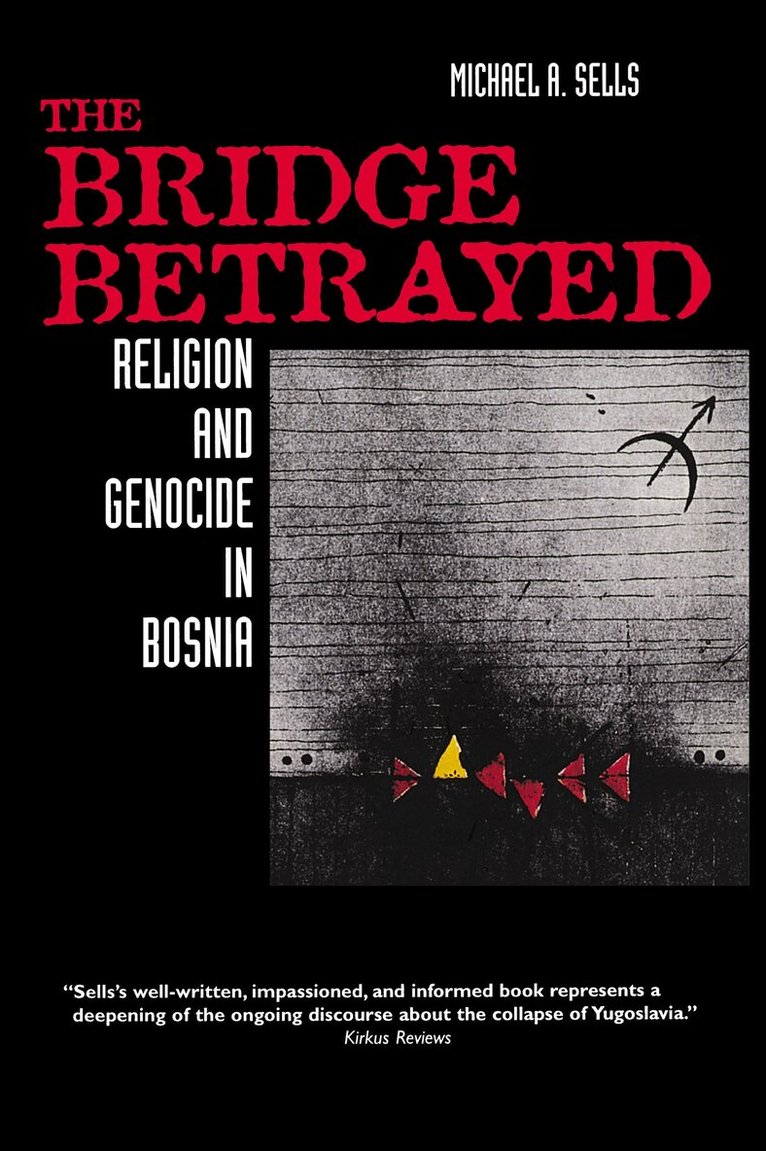
The recent atrocities in Bosnia-Herzegovina have stunned people throughout the world. With Holocaust memories still painfully vivid, a question haunts us: how is this savagery possible? Michael A. Sells answers by demonstrating that the Bosnian conflict is not simply a civil war or a feud of age-old adversaries. It is, he says, a systematic campaign of genocide and a Christian holy war spurred by religious mythologies. This passionate yet reasoned book examines how religious stereotyping--in popular and official discourse - has fueled Serbian and Croatian ethnic hatreds. Sells, who is himself Serbian American, traces the cultural logic of genocide to the manipulation by Serb nationalists of the symbolism of Christ's death, in which Muslims are 'Christ-killers' and Judases who must be mercilessly destroyed. He shows how 'Christoslavic' religious nationalism became a central part of Croat and Serbian politics, pointing out that intellectuals and clergy were key instruments in assimilating extreme religious and political ideas. Sells also elucidates the ways that Western policy makers have rewarded the perpetrators of the genocide and punished the victims.He concludes with a discussion of how the multireligious nature of Bosnian society has been a bridge between Christendom and Islam, symbolized by the now-destroyed bridge at Mostar. Drawing on historical documents, unpublished United Nations reports, articles from Serbian and Bosnian media, personal contacts in the region, and Internet postings, Sells reveals the central role played by religious mythology in the Bosnian tragedy. In addition, he makes clear how much is at stake for the entire world in the struggle to preserve Bosnia's existence as a multireligious society.
360 kr
Skickas inom 3-6 vardagar
"In these critical times nothing could be more valuable for the West than a rediscovery of its true spiritual heritage: books which were once the treasures of people, now rare and little known."Seyyed Hossein NasrEarly Islamic Mysticism: Sufi, Qur'an, Mi'raj, Poetic and Theological Writings translated, edited and with an introduction by Michael A. Sellspreface by Carl W. ErnstGod is the light of the heavens and earth.The light like the light of a lamp in a nicheThe lamp enclosed in a cover of glassThe glass like a glistening starKindled from the oil of a blessed treeAn olive not of the East not of the WestIts oil glows forth nearly without the touch of fire…Qur'an 24:35The first centuries of Islam saw the development of Sufism as one of the world's major mystical traditions. Although the later Sufi writings by mystics such as Rumi are known and available in translation, access to the crucial early period of Islamic mysticism has been far more limited.This volume opens with an essay on the place of spirituality within the Islamic tradition. Immediately following are the foundation texts of the pre-Sufi spirituality: the Qur'an passages most important to the mystical tradition; the accounts of Muhammad's heavenly ascent (Mi'raj); and the crucial work of early poets in setting a poetic sensibility for speaking of union with the divine beloved.The volume then presents the sayings attributed to the key early figures of Islamic spirituality: Ja'far as-Saddiq, the Sixth Imam of the Shi'ite Tradition; Rabi'a, the most famous woman saint of classical Islam; Muhasibi, the founder of Islamic moral psychology; Bistami, whose sayings on mystical union have generated fascination and controversy throughout the Islamic tradition; Tustari, a pioneer in the mystical interpretation of the Qur'an; Junayd, who helped place Sufi mysticism at the center of the Islamic tradition; Hallaj, famous for his ecstatic utterances and martyrdom; and Niffari, whose sayings are considered among the deepest mystical expressions within Islam.The sayings of these pioneers are embedded in the later stratum of analytical and synoptic writings of later Sufi thinkers: Sarraj; Sulami; Qushayri; and 'Attar. Extensive portions of these writers are translated into English for the first time.†