Michael Bintley - Böcker
Visar alla böcker från författaren Michael Bintley. Handla med fri frakt och snabb leverans.
12 produkter
12 produkter
580 kr
Skickas inom 10-15 vardagar
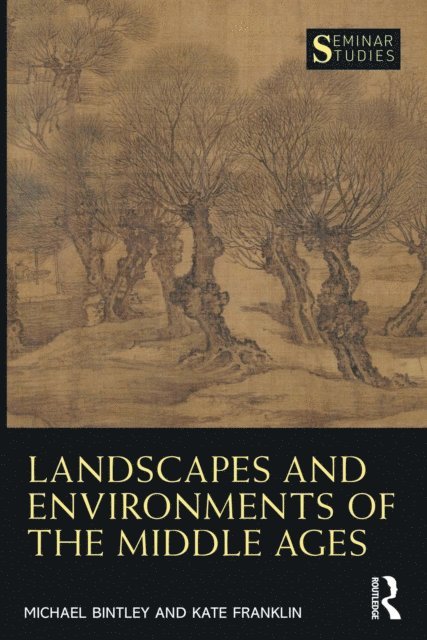
This book is a comprehensive introduction to the landscapes of the Middle Ages within and beyond Europe, paying close attention to the relationship between ‘real’ and imagined landscapes and the ways that medieval people made and inhabited their world.Rather than studying 'nature' in the Middle Ages, the book instead examines the spaces that people constructed through soil, stone, and song; water and wasteland; plants and animals; and timber, textiles, and texts, which in turn made up the medieval world. Likewise, the text emphasises a definition of environment that focuses on ‘living with’, inviting readers to think about the more-than-human worlds that medieval people depended on, cared for, constructed, and damaged. Bringing together a wide range of primary source material, including evidence from texts, material culture, and visual arts, the book reflects the diversity of landscapes and human responses to them throughout the course of this period and considers the role that these medieval worlds have played in shaping the modern, both physically and culturally.Landscapes and Environments of the Middle Ages is an excellent resource for both undergraduate and postgraduate students in medieval studies and history, offering interdisciplinary, transhistorical, and transnational insights into this period of immense change and innovation.
2 153 kr
Skickas inom 10-15 vardagar
This book is a comprehensive introduction to the landscapes of the Middle Ages within and beyond Europe, paying close attention to the relationship between ‘real’ and imagined landscapes and the ways that medieval people made and inhabited their world.Rather than studying 'nature' in the Middle Ages, the book instead examines the spaces that people constructed through soil, stone, and song; water and wasteland; plants and animals; and timber, textiles, and texts, which in turn made up the medieval world. Likewise, the text emphasises a definition of environment that focuses on ‘living with’, inviting readers to think about the more-than-human worlds that medieval people depended on, cared for, constructed, and damaged. Bringing together a wide range of primary source material, including evidence from texts, material culture, and visual arts, the book reflects the diversity of landscapes and human responses to them throughout the course of this period and considers the role that these medieval worlds have played in shaping the modern, both physically and culturally.Landscapes and Environments of the Middle Ages is an excellent resource for both undergraduate and postgraduate students in medieval studies and history, offering interdisciplinary, transhistorical, and transnational insights into this period of immense change and innovation.
2 122 kr
Skickas inom 7-10 vardagar
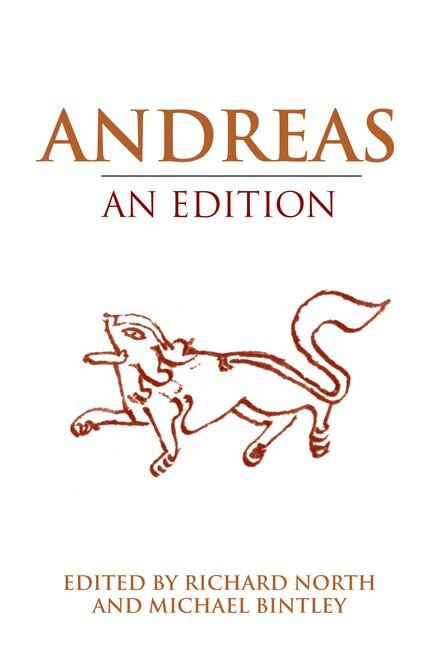
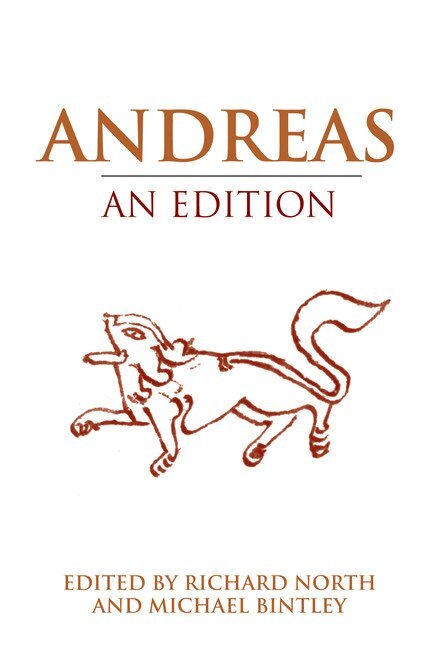
This is the first edition of Andreas for 55 years, also the first to present the Anglo-Saxon, or rather Old English, text with a parallel Modern English poetic translation. The book aims not only to provide both students and scholars with an up-to-date text and introduction and notes, but also to reconfirm the canonical merit of Andreas as one of the longest and most important works in Old English literature. The introduction to our text is substantial, re-positioning this poem in respect of nearly six decades’ progress in the palaeography, sources and analogues, language, metrics, literary criticism and archaeology of Andreas. The book argues that the poet was Mercian, that he was making ironic reference to Beowulf and that his story of St Andrew converting pagan Mermedonian cannibals was coloured by King Alfred’s wars against the Danes (871-9, 885-6, 892-6). Andreas is here dated to Alfred’s later reign with such analysis of contexts in history and ideology that the author’s name is also hypothesized. The Old English text and Modern English translation of Andreas are presented in a split-page format, allowing students at whatever level of familiarity with the Anglo-Saxon vernacular to gain a direct access to the poem in close to its original form. The translation follows the poem’s word order and style, allowing modern readers to feel the imagination, ideology and humour of Andreas as closely as possible. The text of the Old English poem is accompanied by a full set of supporting notes, and a glossary representing the translation.
Del 29 - Anglo-Saxon Studies
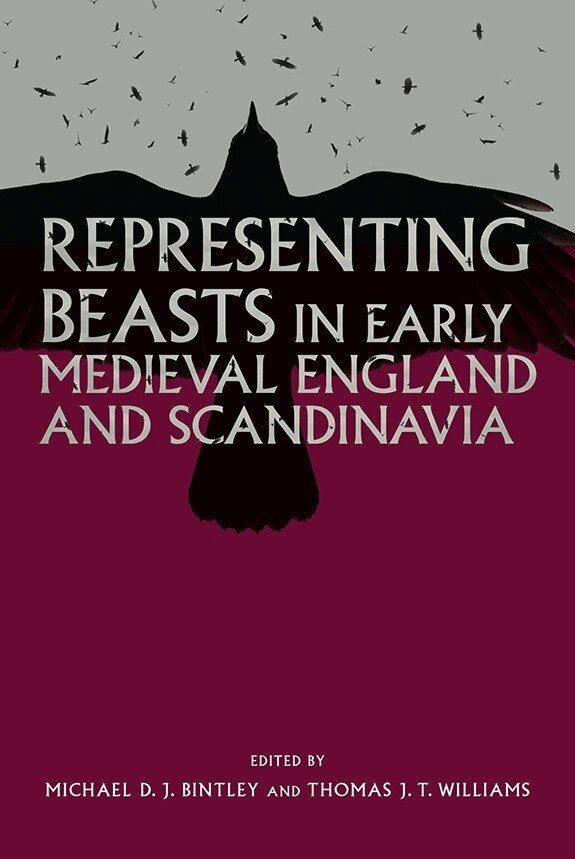
Representing Beasts in Early Medieval England and Scandinavia
Inbunden, Engelska, 2015
1 336 kr
Skickas inom 7-10 vardagar
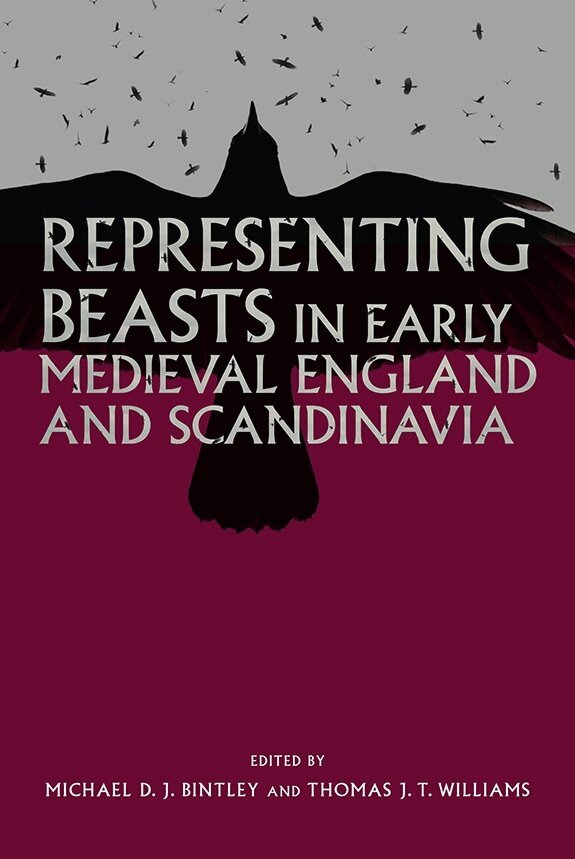
Essays on the depiction of animals, birds and insects in early medieval material culture, from texts to carvings to the landscape itself.For people in the early Middle Ages, the earth, air, water and ether teemed with other beings. Some of these were sentient creatures that swam, flew, slithered or stalked through the same environments inhabited by their human contemporaries. Others were objects that a modern beholder would be unlikely to think of as living things, but could yet be considered to possess a vitality that rendered them potent. Still others were things half glimpsed on a dark night or seen only in the mind's eye; strange beasts that haunted dreams and visions or inhabited exotic lands beyond the compass of everyday knowledge.This book discusses the various ways in which the early English and Scandinavians thought about and represented these other inhabitants of their world, and considers the multi-faceted nature of the relationship between people and beasts. Drawing on the evidence of material culture, art, language, literature, place-names and landscapes, the studies presented here reveal a world where the boundaries between humans, animals, monsters and objects were blurred and often permeable, and where to represent the bestial could be to holda mirror to the self.Michael D.J. Bintley is Senior Lecturer in Medieval Literature at Canterbury Christ Church University; Thomas J.T. Williams is a doctoral researcher at UCL's Institute of Archaeology.Contributors: Noël Adams, John Baker, Michael D. J. Bintley, Sue Brunning, László Sándor Chardonnens, Della Hooke, Eric Lacey, Richard North, Marijane Osborn, Victoria Symons, Thomas J. Williams
287 kr
Skickas inom 7-10 vardagar
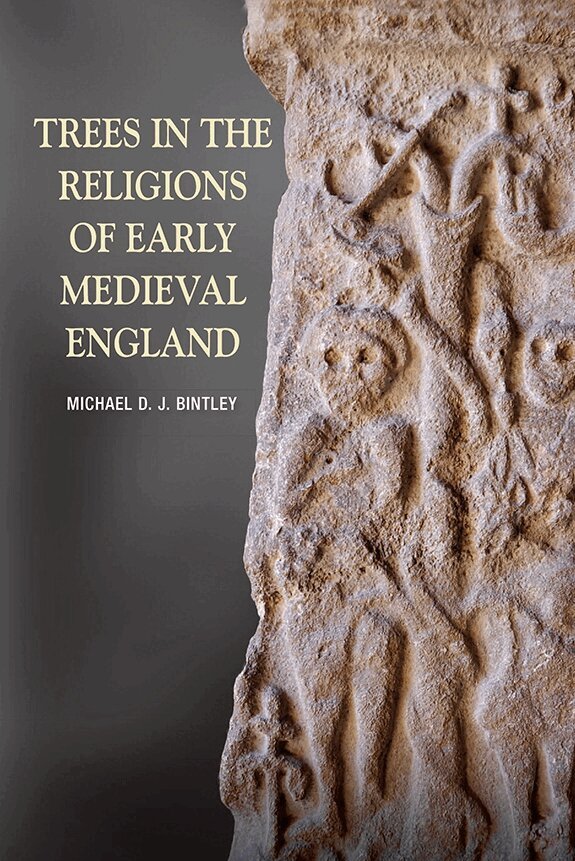
Drawing on sources from archaeology and written texts, the author brings out the full significance of trees in both pagan and Christian Anglo-Saxon religion.Author won the Faculty Research Award from the Faculty of Arts and Humanities, Canterbury Christ Church University.Trees were of fundamental importance in Anglo-Saxon material culture - but they were also a powerful presence in Anglo-Saxon religion before and after the introduction of Christianity. This book shows that they remained prominent in early English Christianity, and indeed that they may have played a crucial role in mediating the transition between ancient beliefs and the new faith. It argues that certain characteristics of sacred trees in England can be determined from insular contexts alone, independent of comparative evidence from culturally related peoples. This nevertheless suggests the existence of traditions comparable to those found in Scandinavia and Germany. Tree symbolism helped early English Christians to understand how the beliefs of their ancestors about trees, posts, and pillars paralleled the appearance of similar objects in the Old Testament. In this way, the religious symbols of their forebears were aligned with precursors to the cross in Scripture. Literary evidence from England and Scandinavia similarly indicates a shared tradition of associations between the bodies of humans, trees, and other plant-life. Though potentially ancient, these ideas flourished amongst the abundance of vegetative symbolism found in the Christian tradition.
Del 29 - Anglo-Saxon Studies
Representing Beasts in Early Medieval England and Scandinavia
Häftad, Engelska, 2019
385 kr
Skickas inom 7-10 vardagar
Essays on the depiction of animals, birds and insects in early medieval material culture, from texts to carvings to the landscape itself.For people in the early Middle Ages, the earth, air, water and ether teemed with other beings. Some of these were sentient creatures that swam, flew, slithered or stalked through the same environments inhabited by their human contemporaries. Others were objects that a modern beholder would be unlikely to think of as living things, but could yet be considered to possess a vitality that rendered them potent. Still others were things half glimpsed on a dark night or seen only in the mind's eye; strange beasts that haunted dreams and visions or inhabited exotic lands beyond the compass of everyday knowledge.This book discusses the various ways in which the early English and Scandinavians thought about and represented these other inhabitants of their world, and considers the multi-faceted nature of the relationship between people and beasts. Drawing on the evidence of material culture, art, language, literature, place-names and landscapes, the studies presented here reveal a world where the boundaries between humans, animals, monsters and objects were blurred and often permeable, and where to represent the bestial could be to holda mirror to the self.MICHAEL D.J. BINTLEY is Lecturer in Early Medieval Literature and Culture at Birkbeck, University of London; THOMAS WILLIAMS is a former curator of Early Medieval Coins at the British Museum.Contributors: Noël Adams, John Baker, Michael D. J. Bintley, Sue Brunning, László Sándor Chardonnens, Della Hooke, Eric Lacey, Richard North, Marijane Osborn, Victoria Symons, Thomas J. Williams
Del 15 - Boydell Studies in Medieval Art and Architecture
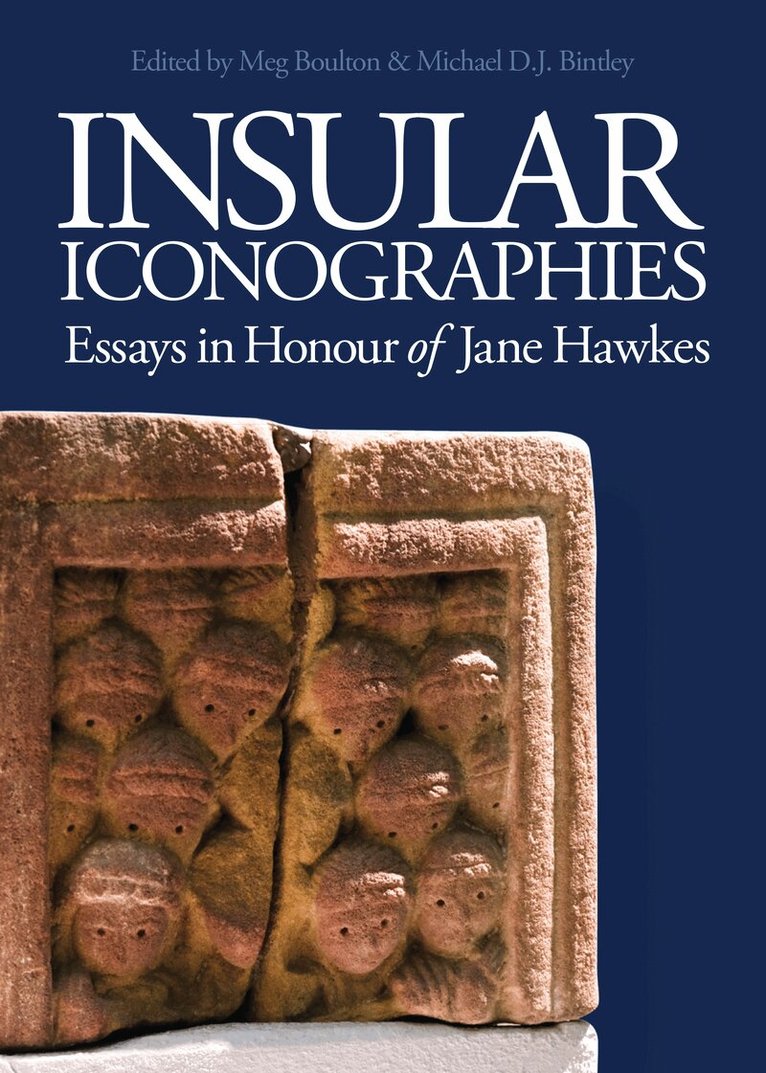
Insular Iconographies
Essays in Honour of Jane Hawkes
Inbunden, Engelska, 2019
571 kr
Skickas inom 7-10 vardagar
Essays on aspects of iconography as manifested in the material culture of medieval England.Professor Jane Hawkes has devoted her career to the study of medieval stone, exploring its iconographies, symbolic significances and scholarly contexts, and shedding light on the obscure and understudied sculpted stone monuments of Anglo-Saxon England. This volume builds on her scholarly interests, offering new engagements with medieval culture and the current scholarly methodologies that shape the discipline. The contributors approach several significantobjects and texts from the early and later Middle Ages, working across several disciplinary backgrounds and periods, largely focusing on the Insular World as it intersects with wider global contexts of the period. The chapters cover a wide range of subjects, from the material culture of baptism, to the material, symbolic and iconographic consideration of the artistic outputs of the Insular world, with essays on sculpture, metalwork, glass and manuscripts,to ideas of stone and salvation in both material and textual contexts, to intellectual puzzles and patterns - both material and mathematic - to consideration of the ways in which the conversion to Christianity played out on the landscape.MEG BOULTON is Research Affiliate and Visiting Lecturer in the History of Art Department at the University of York; MICHAEL D.J. BINTLEY is Lecturer in Early Medieval Literature and Culture at Birkbeck, University of London. Contributors: Elizabeth Alexander, Michael Brennan, Melissa Herman, Mags Mannion, Thomas Pickles, Harry Stirrup, Heidi Stoner, Colleen Thomas, Philippa Turner, Carolyn Twomey,
631 kr
Skickas inom 7-10 vardagar
This is the first edition of Andreas for 55 years, also the first to present the Anglo-Saxon, or rather Old English, text with a parallel Modern English poetic translation. The book aims not only to provide both students and scholars with an up-to-date text and introduction and notes, but also to reconfirm the canonical merit of Andreas as one of the longest and most important works in Old English literature. The introduction to our text is substantial, re-positioning this poem in respect of nearly six decades’ progress in the palaeography, sources and analogues, language, metrics, literary criticism and archaeology of Andreas. The book argues that the poet was Mercian, that he was making ironic reference to Beowulf and that his story of St Andrew converting pagan Mermedonian cannibals was coloured by King Alfred’s wars against the Danes (871-9, 885-6, 892-6). Andreas is here dated to Alfred’s later reign with such analysis of contexts in history and ideology that the author’s name is also hypothesized. The Old English text and Modern English translation of Andreas are presented in a split-page format, allowing students at whatever level of familiarity with the Anglo-Saxon vernacular to gain a direct access to the poem in close to its original form. The translation follows the poem’s word order and style, allowing modern readers to feel the imagination, ideology and humour of Andreas as closely as possible. The text of the Old English poem is accompanied by a full set of supporting notes, and a glossary representing the translation.
Del 26 - Anglo-Saxon Studies
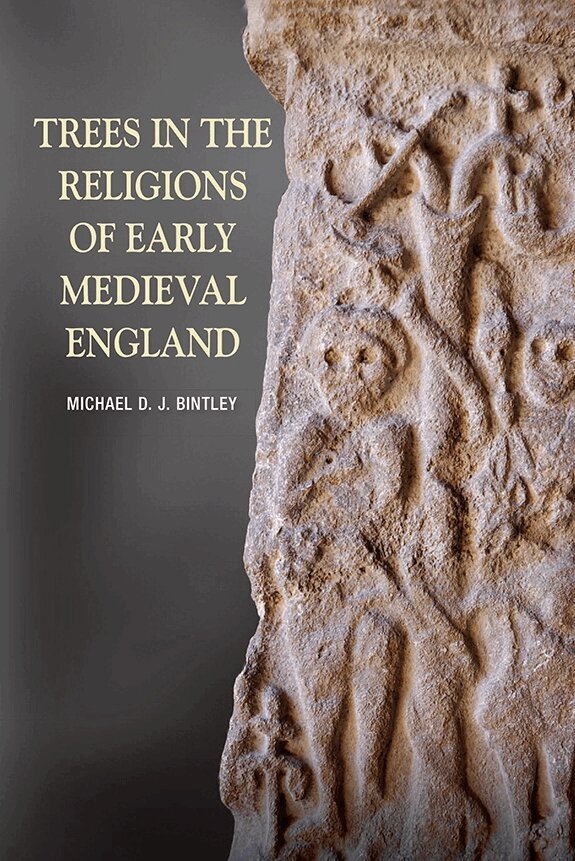
Trees in the Religions of Early Medieval England
Inbunden, Engelska, 2015
1 040 kr
Skickas inom 7-10 vardagar
Drawing on sources from archaeology and written texts, the author brings out the full significance of trees in both pagan and Christian Anglo-Saxon religion.Author won the Faculty Research Award from the Faculty of Arts and Humanities, Canterbury Christ Church University.Trees were of fundamental importance in Anglo-Saxon material culture - but they were also a powerful presence in Anglo-Saxon religion before and after the introduction of Christianity. This book shows that they remained prominent in early English Christianity, and indeed that they may have played a crucial role in mediating the transition between ancient beliefs and the new faith. It argues that certain characteristics of sacred trees in England can be determined from insular contexts alone, independent of comparative evidence from culturally related peoples. This nevertheless suggests the existence of traditions comparable to those found in Scandinavia and Germany. Tree symbolism helped early English Christians to understand how the beliefs of their ancestors about trees, posts, and pillars paralleled the appearance of similar objects in the Old Testament. In this way, the religious symbols of their forebears were aligned with precursors to the cross in Scripture. Literary evidence from England and Scandinavia similarly indicates a shared tradition of associations between the bodies of humans, trees, and other plant-life. Though potentially ancient, these ideas flourished amongst the abundance of vegetative symbolism found in the Christian tradition.
Del 8 - Nature and Environment in the Middle Ages
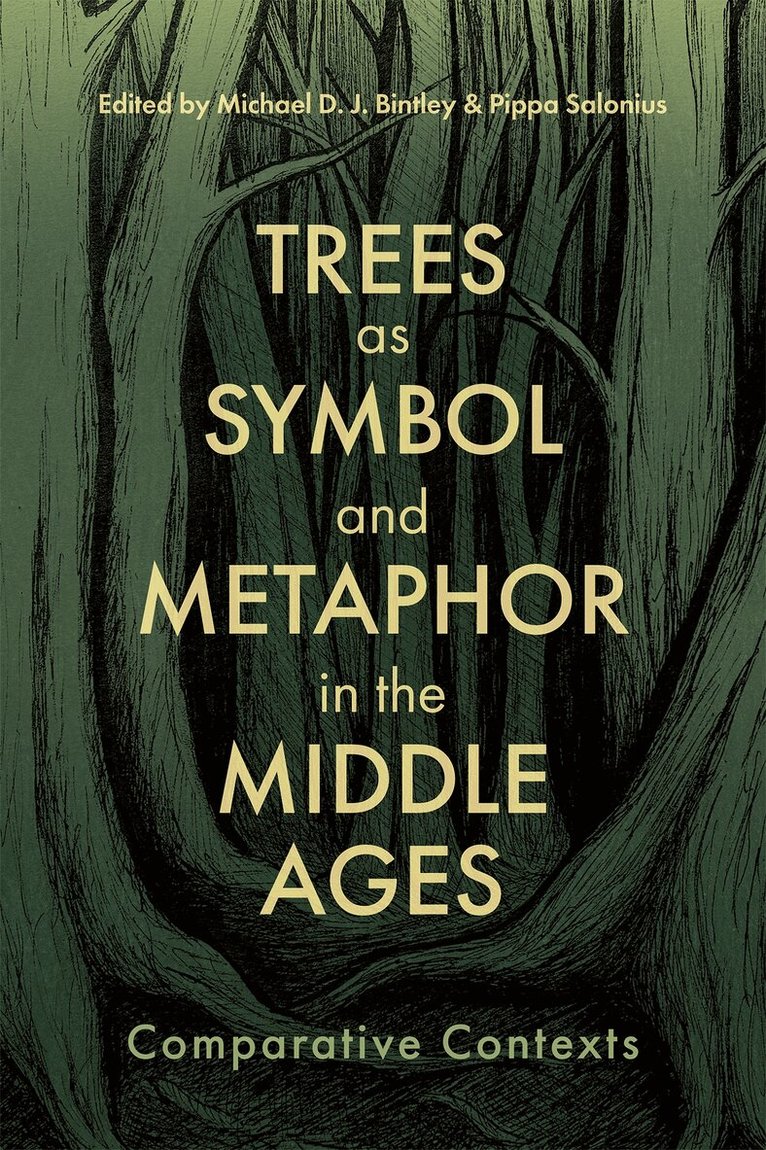
Trees as Symbol and Metaphor in the Middle Ages
Comparative Contexts
Inbunden, Engelska, 2024
1 336 kr
Skickas inom 7-10 vardagar
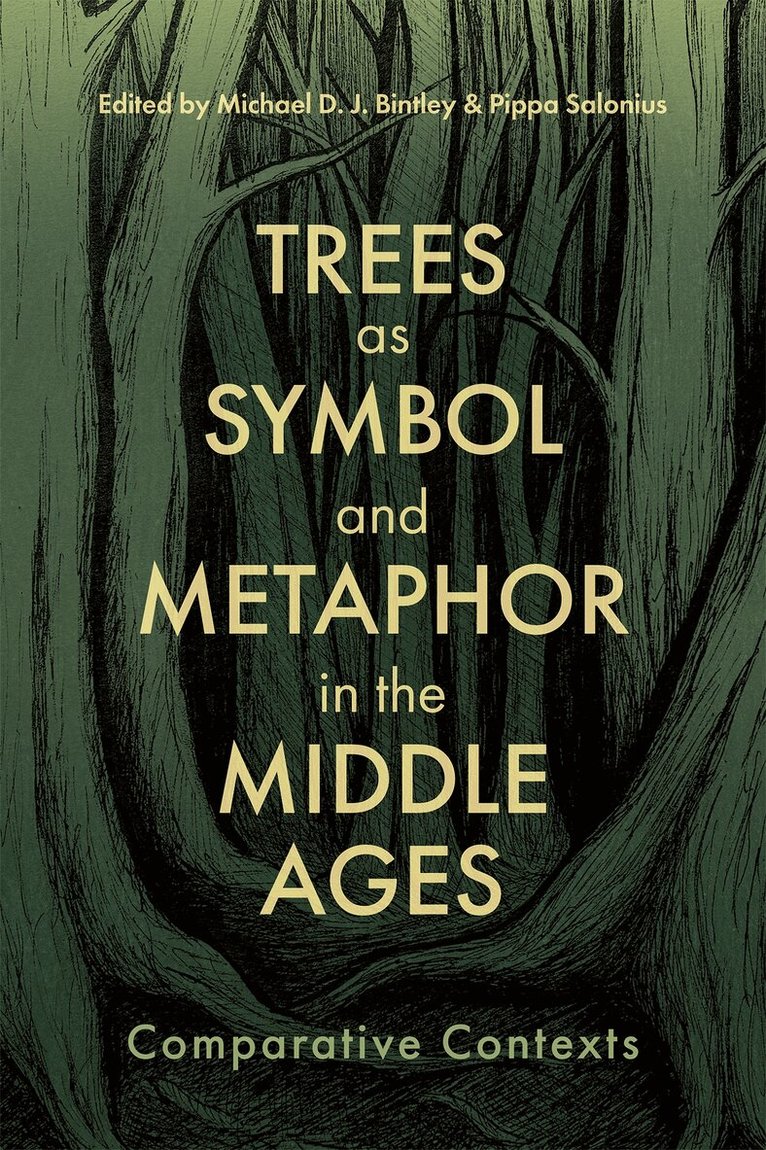
WINNER: AFCEMS Prize 2024Highlights human encounters with the forest and its trees at the time of the European Middle Ages, when their lofty boughs were weighted with meaning.Forests, with their interlacing networks of trees and secret patterns of communication, are powerful entities for thinking-with. A majestic terrestrial community of arboreal others, their presence echoes, entangles, and resonates deeply with the human world. The essays collected here aim to highlight human encounters with the forest and its trees at the time of the European Middle Ages, when, whether symbol and metaphor, or actual and real, their lofty boughs were weighted with meaning.The chapters interrogate the pre-Anthropocene environment, reflecting on trees as metaphors for kinship and knowledge as they appear in literary, historical, art-historical, and philosophical sources. They examine images of trees and trees in-themselves across a range of environmental, material, and intellectual contexts, and consider how humans used arboreal and rhizomatic forms to negotiate bodies of knowledge and processes of transition. Looking beyond medieval Europe, they include discussion of parallel developments in the Islamic world and that of the Māori, the indigenous people of New Zealand.
Del 8 - Nature and Environment in the Middle Ages
Trees as Symbol and Metaphor in the Middle Ages
Comparative Contexts
Häftad, Engelska, 2026
409 kr
Kommande
WINNER: AFCEMS Prize 2024Highlights human encounters with the forest and its trees at the time of the European Middle Ages, when their lofty boughs were weighted with meaning.Forests, with their interlacing networks of trees and secret patterns of communication, are powerful entities for thinking-with. A majestic terrestrial community of arboreal others, their presence echoes, entangles, and resonates deeply with the human world. The essays collected here aim to highlight human encounters with the forest and its trees at the time of the European Middle Ages, when, whether symbol and metaphor, or actual and real, their lofty boughs were weighted with meaning.The chapters interrogate the pre-Anthropocene environment, reflecting on trees as metaphors for kinship and knowledge as they appear in literary, historical, art-historical, and philosophical sources. They examine images of trees and trees in-themselves across a range of environmental, material, and intellectual contexts, and consider how humans used arboreal and rhizomatic forms to negotiate bodies of knowledge and processes of transition. Looking beyond medieval Europe, they include discussion of parallel developments in the Islamic world and that of the Māori, the indigenous people of New Zealand.
Settlements and Strongholds in Early Medieval England
Texts, Landscapes, and Material Culture
Inbunden, Fornengelska, 2020
1 300 kr
Skickas inom 5-8 vardagar