Michael C. Harris – författare
Visar alla böcker från författaren Michael C. Harris. Handla med fri frakt och snabb leverans.
11 produkter
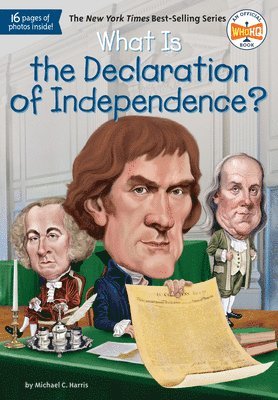
What Is the Declaration of Independence?
Häftad, 2016
165 kr
Lägg i varukorg
NEW YORK TIMES BESTSELLER • Step back in time to the creation of America’s founding document with this fascinating history for young readers, part of the beloved What Was? series. The perfect way to celebrate the U.S.A.’s 250th anniversary! On a hot summer day near Philadelphia in 1776, Thomas …
What Is the Declaration of Independence?
Av Jerry Hoare, Michael C. Harris
E-bok, 2016
51 kr
Lägg i varukorg
Step back in time to the birth of America and meet the real-life rebels who made this country free! On a hot summer day near Philadelphia in 1776, Thomas Jefferson sat at his desk and wrote furiously until early the next morning. He was drafting the Declaration of Independence, a document that …
Qu es la Declaraci n de Independencia?
Av Jerry Hoare, Michael C. Harris
E-bok, 2023
102 kr
Lägg i varukorg
Artificial Intelligence
E-bok, 2011
466 kr
Lägg i varukorg
Explores the advances science has made in artificial intelligence, and how scientists have used it to change our lives today and how they are planning to use it to change our future.
Unusual Diseases
E-bok, 2011
466 kr
Lägg i varukorg
Explores the advances science has made in diseases, and the different types of viruses and bacteria that can creep into our bodies and what they can do to us.
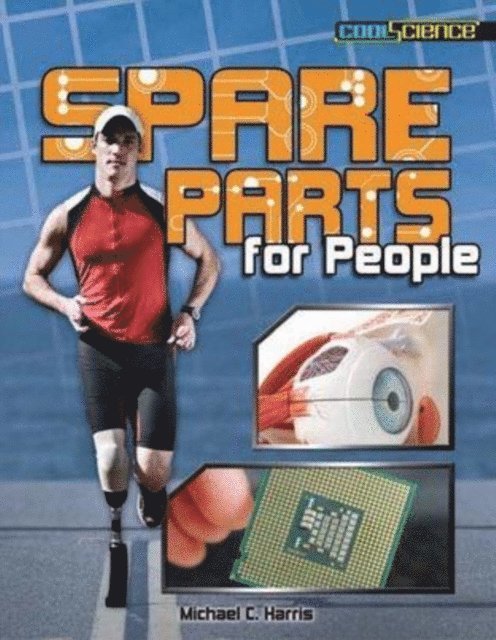
Spare Parts For People
E-bok, 2011
456 kr
Lägg i varukorg
Photographs and real-world examples explain scientific concepts related to artificial organs and limbs, discussing organ transplants, bionic arms and legs, synthetic blood, and more.
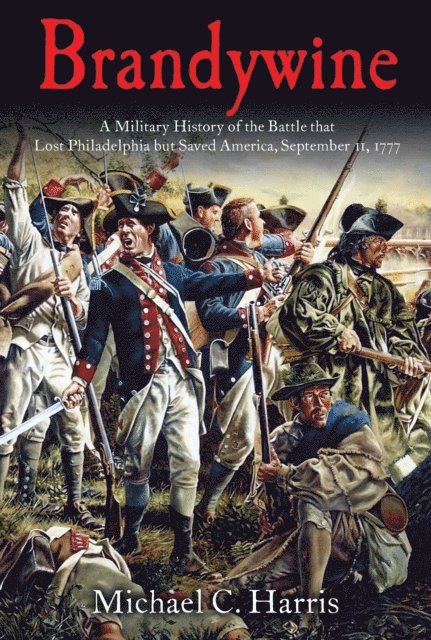
Brandywine
A Military History of the Battle that Lost Philadelphia but Saved America, September 11, 1777
E-bok, 2014
221 kr
Lägg i varukorg
Winner of the American Revolution Round Table of Richmond Book Award—"An impressive interpretation of the battle" (Arthur S. Lefkowitz, author of Benedict Arnold''s Army). Long overshadowed by the stunning American victory at Saratoga, the complex British campaign that defeated George Washington''s …
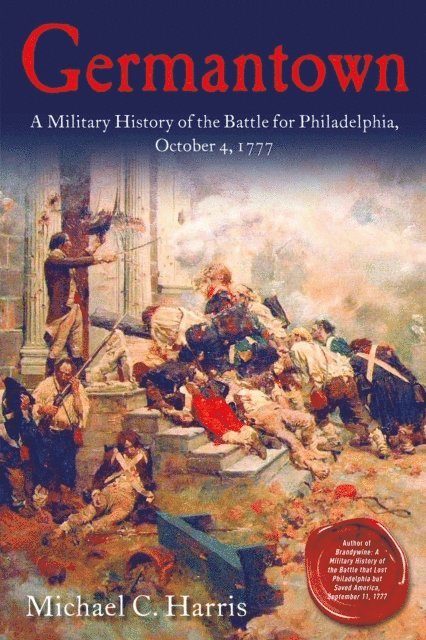
Germantown
A Military History of the Battle for Philadelphia, October 4, 1777
E-bok, 2020
162 kr
Lägg i varukorg
The award–winning author of Brandywine examines a pivotal but overlooked battle of the American Revolution''s Philadelphia Campaign.Today, Germantown is a busy Philadelphia neighborhood. On October 4, 1777, it was a small village on the outskirts of the colonial capital—and the site of one of the …
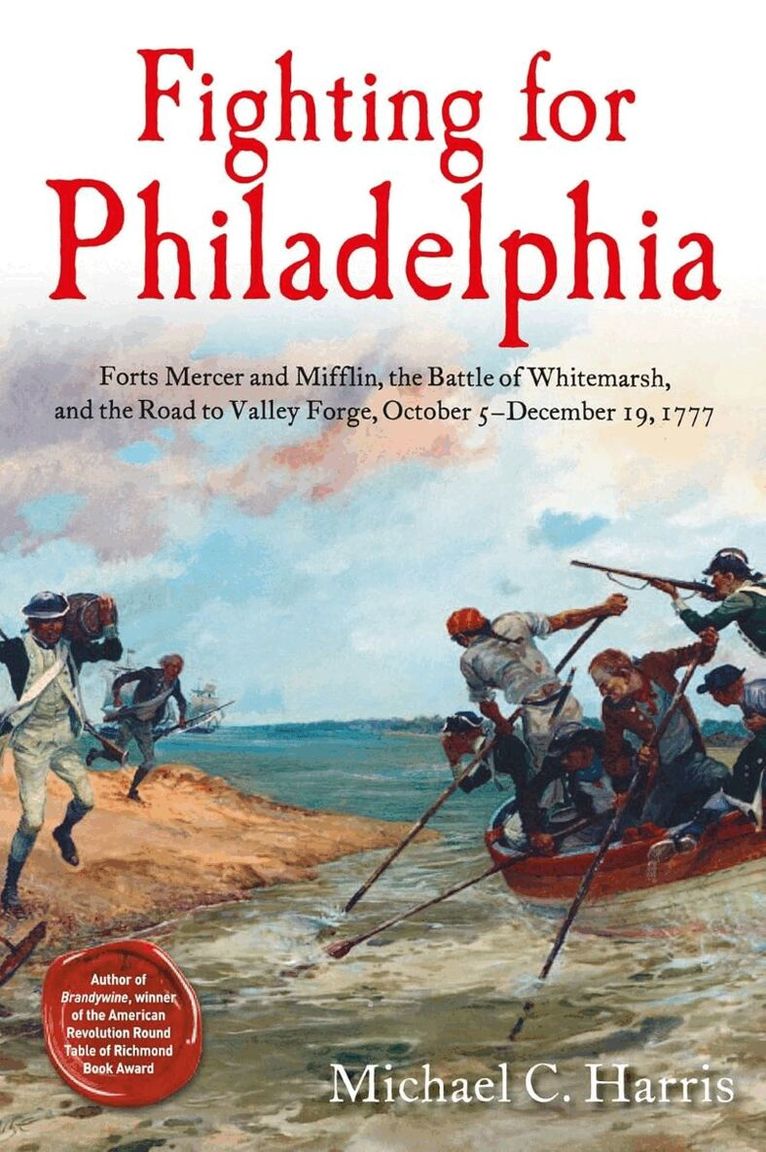
Fighting for Philadelphia
Forts Mercer and Mifflin, the Battle of Whitemarsh, and the Road to Valley Forge, October 5-December 19, 1777
Inbunden, 2025
323 kr
Lägg i varukorg
The weeks of bloody maneuvering and fighting along the Delaware River at Fort Mercer, Fort Mifflin, and Gloucester receive but scant attention in the literature of the American Revolution. The same is true for the five-day Whitemarsh operation and other important events in December 1777. …
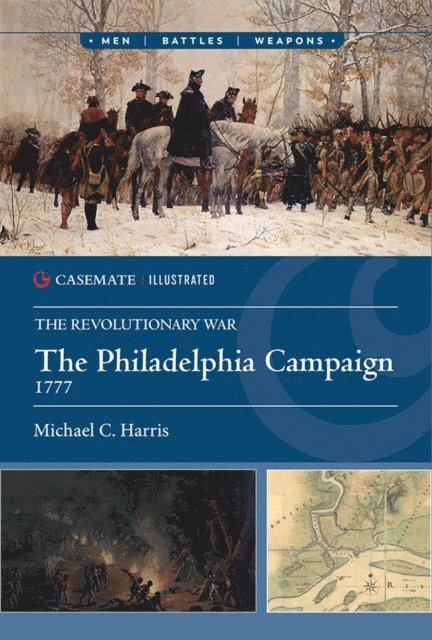
Philadelphia Campaign, 1777
E-bok, 2023
221 kr
Lägg i varukorg
Detailed and fully illustrated account of the Philadelphia campaign 1777, with over 150 photographs, maps and contemporary artwork. The British Army in North America conducted two campaigns in 1777. John Burgoyne led one army south from Canada to seize control of the Lake Champlain-Hudson River …
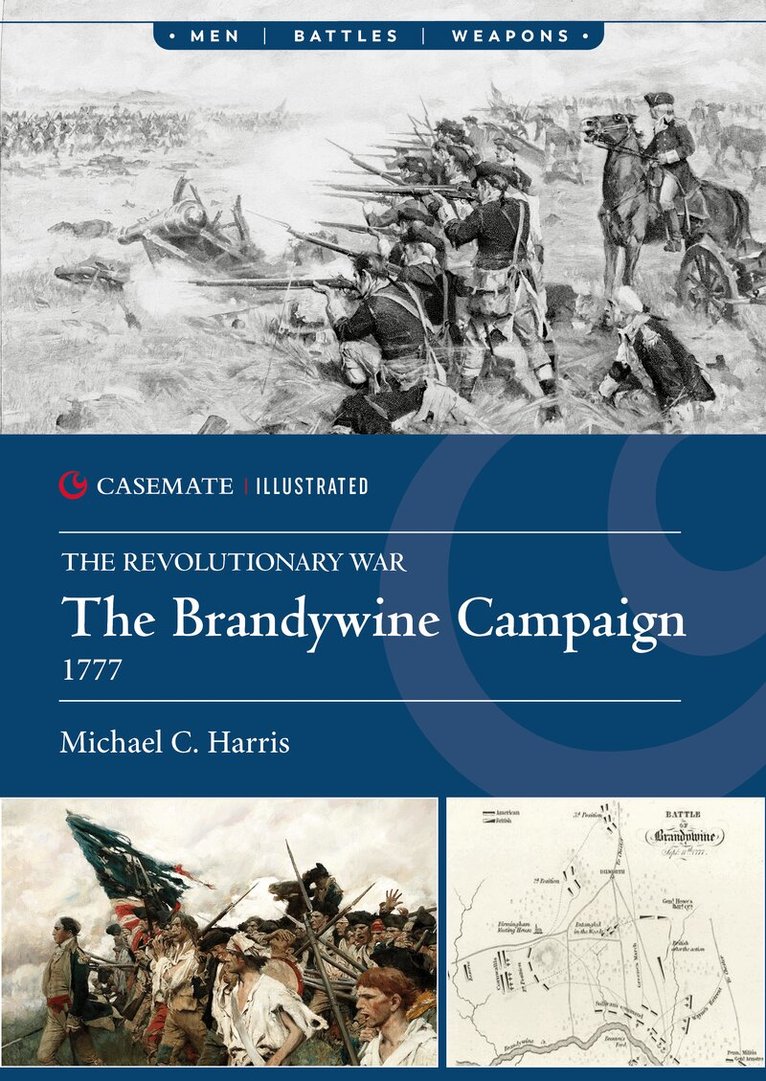
Brandywine Campaign, 1777
Häftad, 2026
279 kr
Lägg i varukorg
The Brandywine River calmly meanders through the Pennsylvania countryside today, but on September 11, 1777, it served as the scenic backdrop for the largest battle of the American Revolution, one that encompassed more troops over more land than any combat fought on American soil until the Civil …