Michael C. Steiner – författare
Visar alla böcker från författaren Michael C. Steiner. Handla med fri frakt och snabb leverans.
5 produkter
American Midwest and the Idea of Regionalism
The American Midwest and the Idea of Regionalism
Inbunden, 2027
786 kr
Kommande
The American Midwest and the Idea of Regionalism traces the birth, rise, and evolution of regional thought in the American Midwest from the concept's emergence in the 1890s to its national and global implications in the early 21st century.In three parts, author Michael C. Steiner describes how the …
American Midwest and the Idea of Regionalism
The American Midwest and the Idea of Regionalism
Häftad, 2027
485 kr
Kommande
The American Midwest and the Idea of Regionalism traces the birth, rise, and evolution of regional thought in the American Midwest from the concept's emergence in the 1890s to its national and global implications in the early 21st century.In three parts, author Michael C. Steiner describes how the …
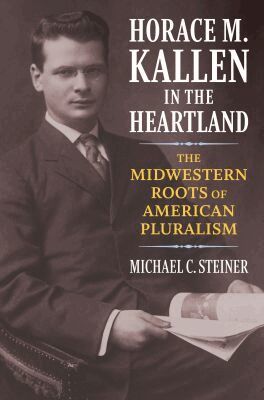
Horace M. Kallen in the Heartland
The Midwestern Roots of American Pluralism
Inbunden, 2020
661 kr
Lägg i varukorg
The Harvard-educated, Jewish American philosopher Horace Meyer Kallen (1882-1974) is commonly credited with the concept of cultural pluralism, which envisioned immigrant and minority groups cultivating their distinctive social worlds and interacting to create an inclusive, ever-changing true …
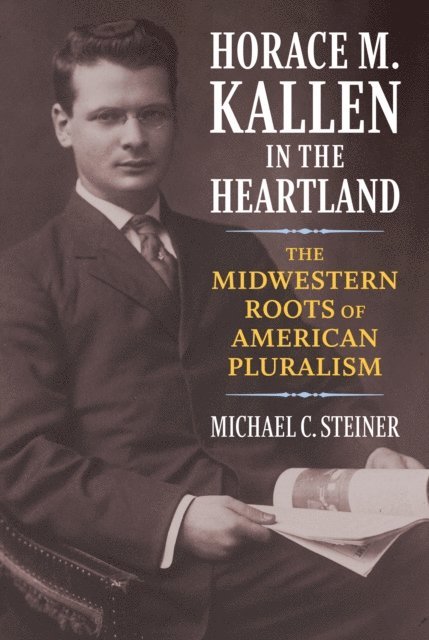
Horace M. Kallen in the Heartland
The Midwestern Roots of American Pluralism
E-bok, 2020
460 kr
Lägg i varukorg
The Harvard-educated, Jewish American philosopher Horace Meyer Kallen (1882–1974) is commonly credited with the concept of cultural pluralism, which envisioned immigrant and minority groups cultivating their distinctive social worlds and interacting to create an inclusive, ever-changing true …
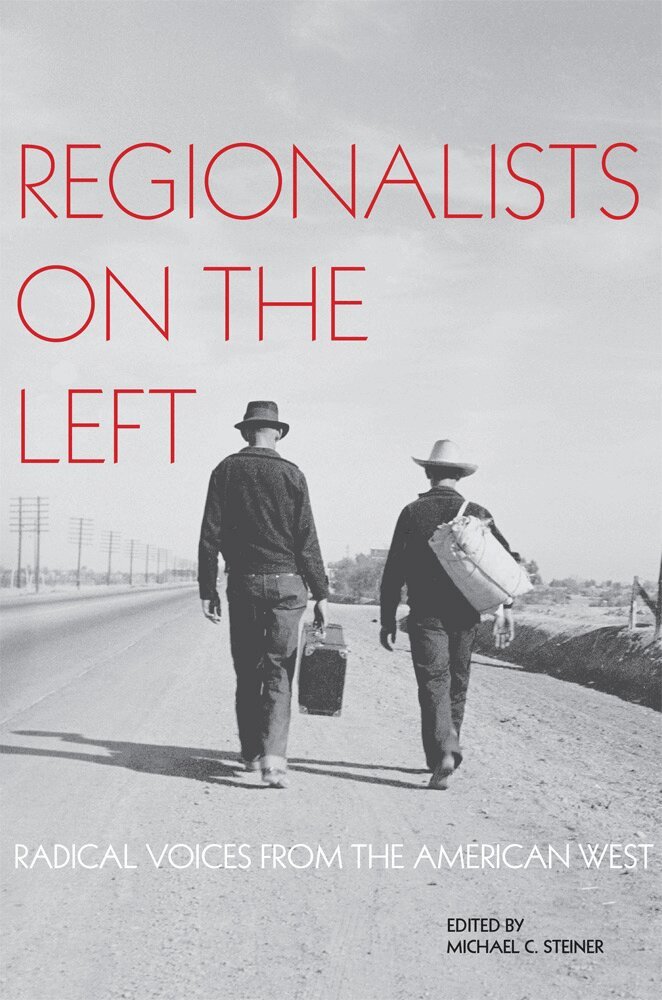
Regionalists on the Left
Radical Voices from the American West
Av Michael C. Steiner, Michael C. Steiner
Häftad, 2025
292 kr
Lägg i varukorg
"Nothing is more anathema to a serious radical than regionalism," Berkeley English professor Henry Nash Smith asserted in 1980. Although regionalism in the American West has often been characterized as an inherently conservative, backward-looking force, regionalist impulses have in fact taken …