Michael D. Barr – författare
Visar alla böcker från författaren Michael D. Barr. Handla med fri frakt och snabb leverans.
21 produkter
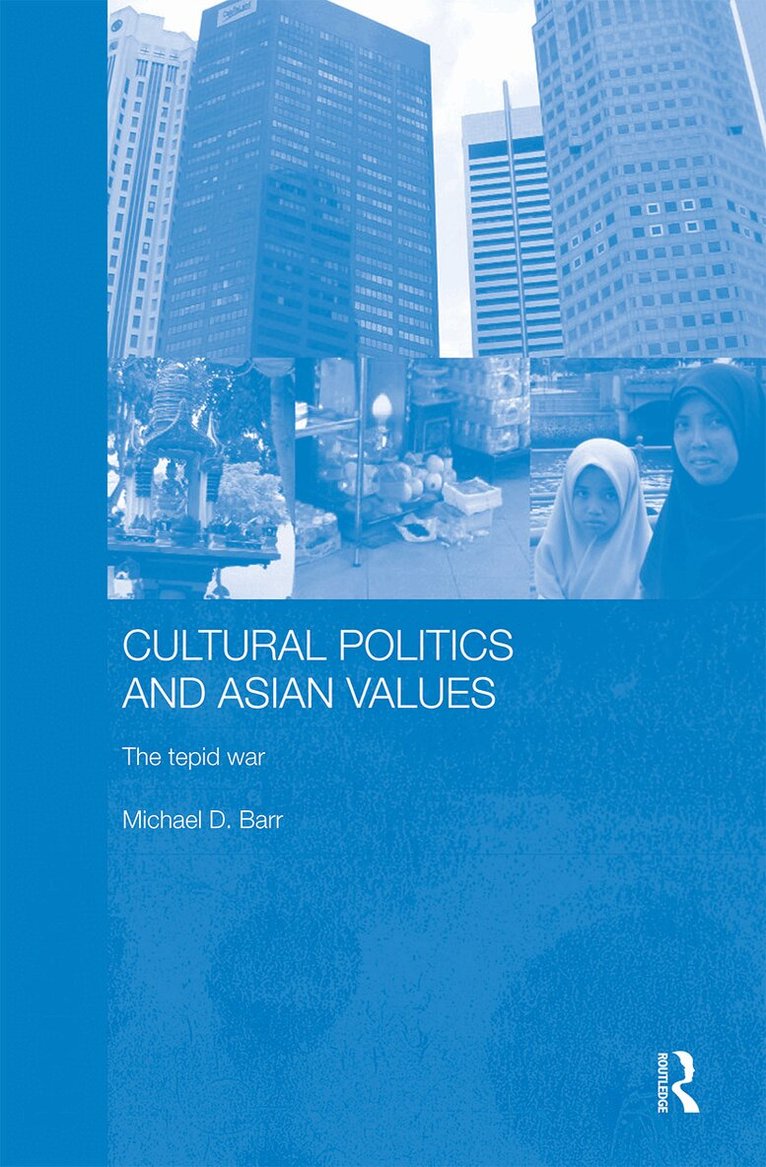
Cultural Politics and Asian Values
Häftad, 2004
646 kr
Lägg i varukorg
Cultural Politics and Asian Values looks at the political, cultural and religious background of East and Southeast Asian societies and those of 'the West', with a view to seeing how they are affecting contemporary national and international politics: democratization, the international human rights …
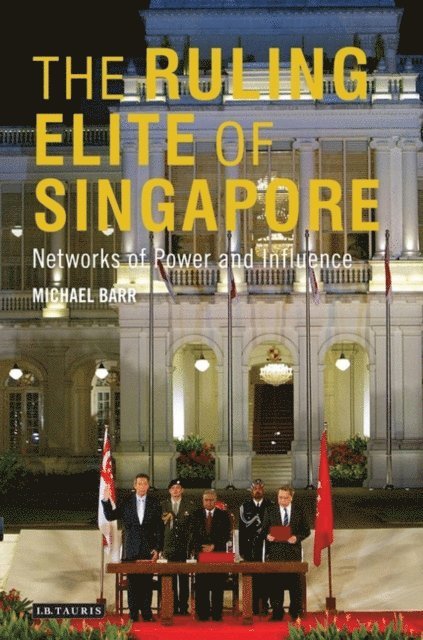
Ruling Elite of Singapore
Networks of Power and Influence
E-bok, 2014
1982 kr
Lägg i varukorg
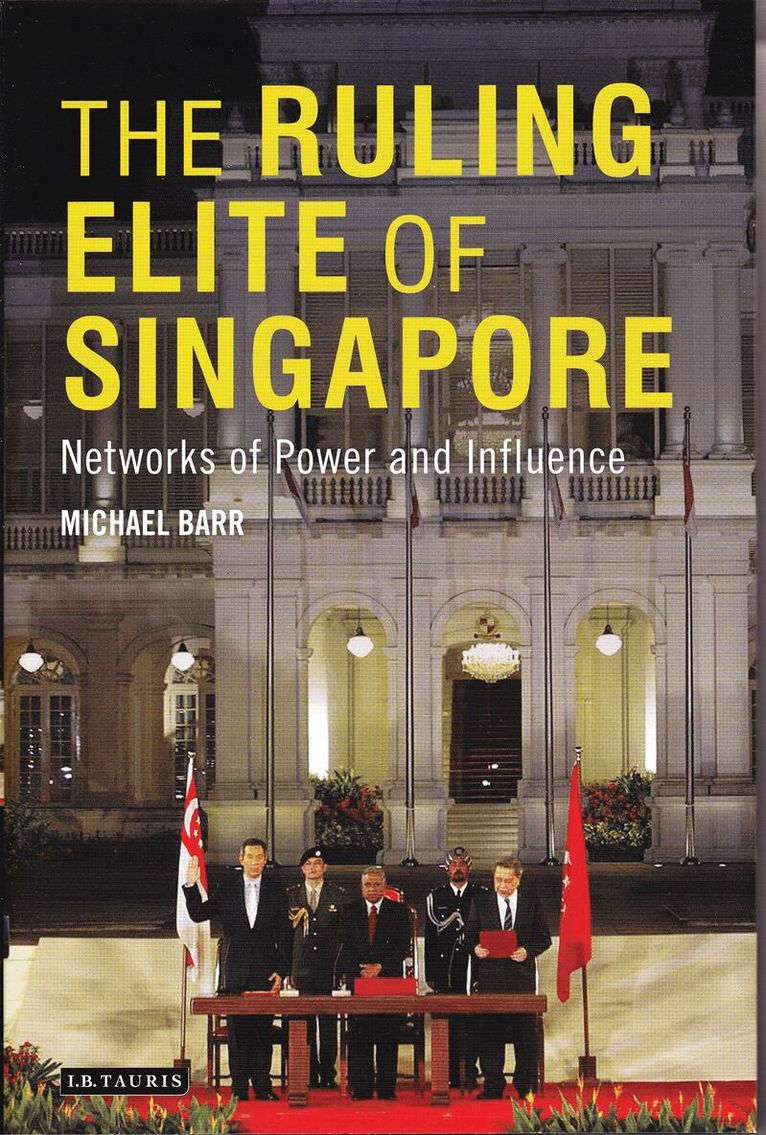
Michael Barr explores the complex and covert networks of power at work in one of the world's most prosperous countries - the city-state of Singapore. He argues that the contemporary networks of power are a deliberate project initiated and managed by Lee Kuan Yew - former prime minister and …
Ruling Elite of Singapore
Networks of Power and Influence
E-bok, 2014
2026 kr
Lägg i varukorg
Michael Barr explores the complex and covert networks of power at work in one of the world's most prosperous countries - the city-state of Singapore. He argues that the contemporary networks of power are a deliberate project initiated and managed by Lee Kuan Yew - former prime minister and …
Cultural Politics and Asian Values
E-bok, 2012
762 kr
Lägg i varukorg
Cultural Politics and Asian Values looks at the political, cultural and religious background of East and Southeast Asian societies and those of ''the West'', with a view to seeing how they are affecting contemporary national and international politics: democratization, the international human …
Cultural Politics and Asian Values
E-bok, 2012
768 kr
Lägg i varukorg
Cultural Politics and Asian Values looks at the political, cultural and religious background of East and Southeast Asian societies and those of ''the West'', with a view to seeing how they are affecting contemporary national and international politics: democratization, the international human …
Cultural Politics and Asian Values
Inbunden, 2017
2504 kr
Lägg i varukorg
Cultural Politics and Asian Values looks at the political, cultural and religious background of East and Southeast Asian societies and those of 'the West', with a view to seeing how they are affecting contemporary national and international politics: democratization, the international human rights …
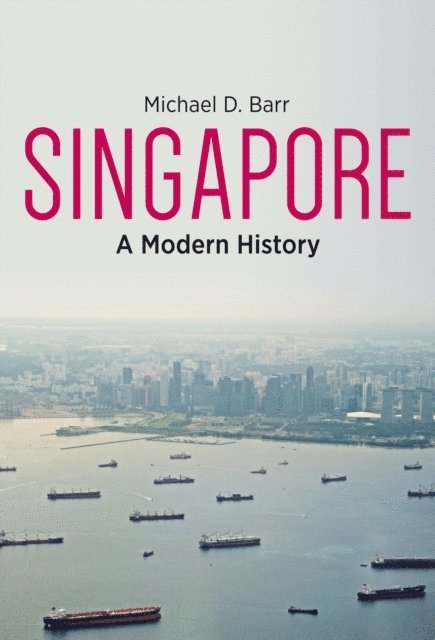
Singapore
A Modern History
Häftad, 2020
312 kr
Lägg i varukorg
Singapore gained independence in 1965, a city-state in a world of nation-states. Yet its long and complex history reaches much farther back. Blending modernity and tradition, ideologies and ethnicities, a peculiar set of factors make Singapore what it is today. In this thematic study of the island …
Ruling Elite of Singapore
Leadership beyond Lee
Häftad, 2026
259 kr
Kommande
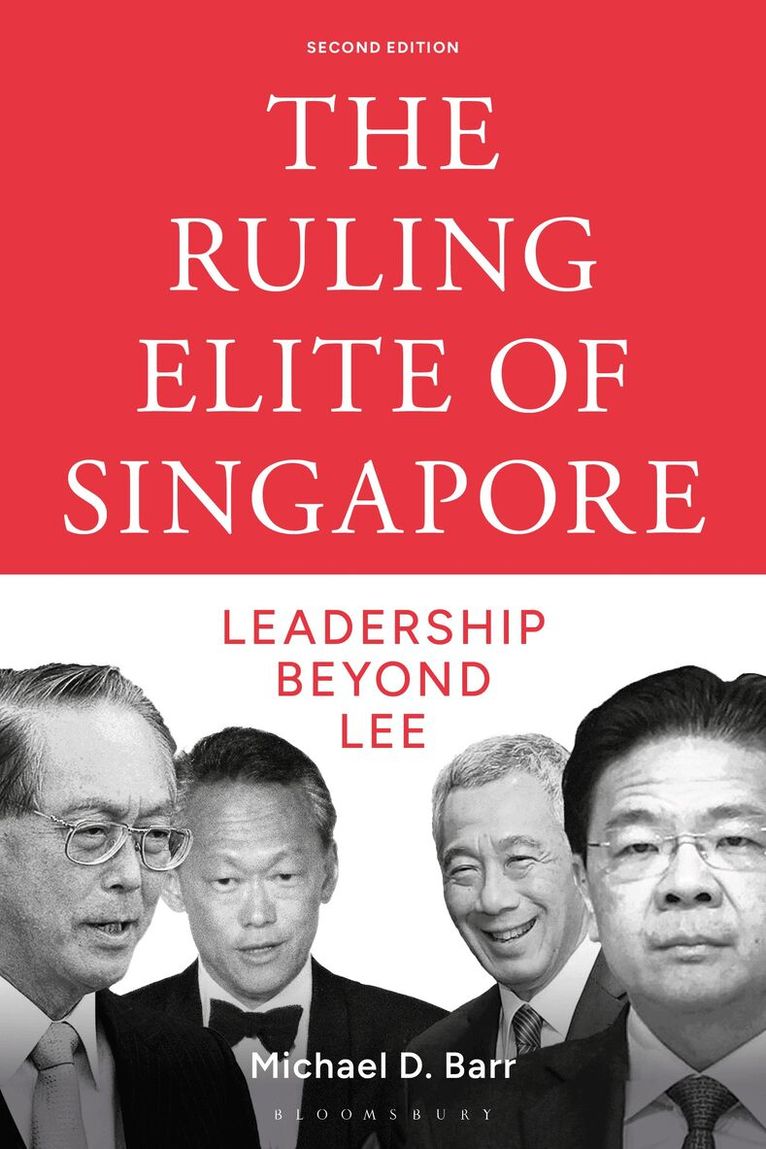
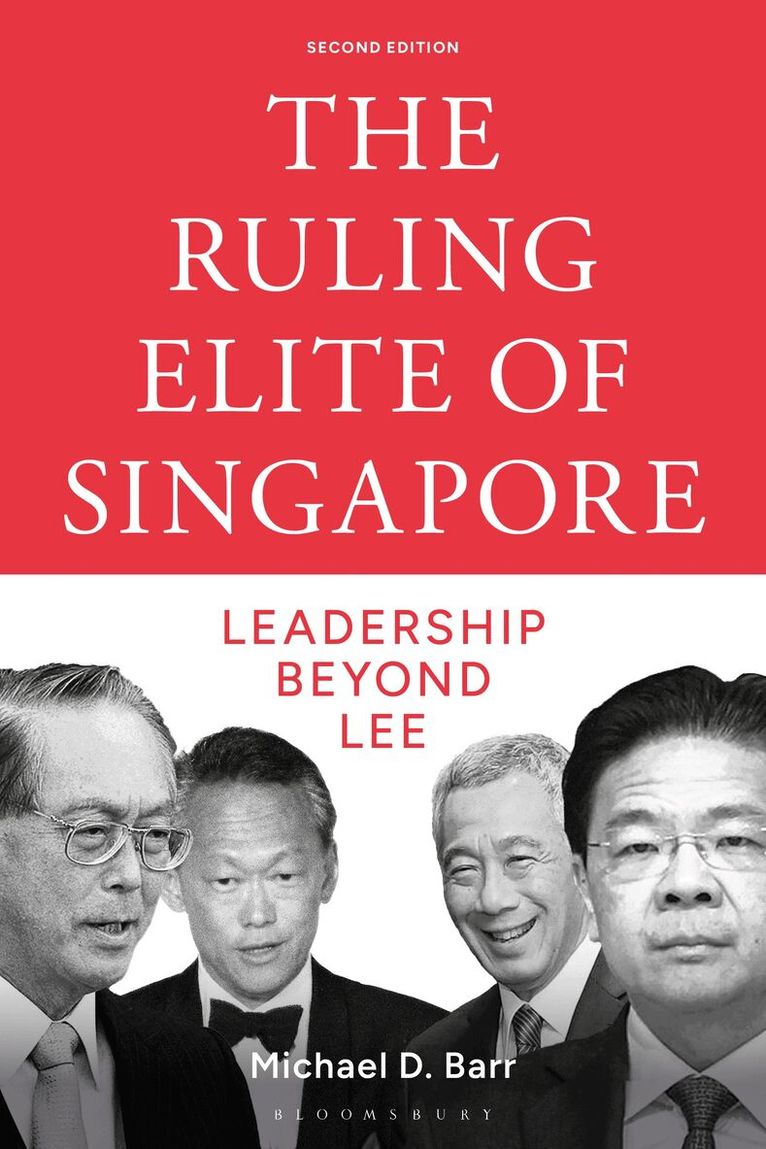
Michael Barr explores both the political and the institutional logic behind the networks of power at work in one of Asia’s most prosperous countries, the city-state of Singapore. Barr charts the creation of a national elite in the 1960s, its consolidation as a multi-generational ruling elite in the …
Ruling Elite of Singapore
Leadership beyond Lee
Inbunden, 2026
941 kr
Kommande
Michael Barr explores both the political and the institutional logic behind the networks of power at work in one of Asia’s most prosperous countries, the city-state of Singapore. Barr charts the creation of a national elite in the 1960s, its consolidation as a multi-generational ruling elite in the …
Ruling Elite of Singapore
Networks of Power and Influence
Inbunden, 2013
1838 kr
Lägg i varukorg
Michael Barr explores the complex and covert networks of power at work in one of the world's most prosperous countries - the city-state of Singapore. He argues that the contemporary networks of power are a deliberate project initiated and managed by Lee Kuan Yew - former prime minister and …
Singapore
A Modern History
E-bok, 2018
337 kr
Lägg i varukorg
Singapore gained independence in 1965, a city-state in a world of nation-states. Yet its long and complex history reaches much farther back. Blending modernity and tradition, ideologies and ethnicities, a peculiar set of factors make Singapore what it is today. In this thematic study of the island …
Singapore
A Modern History
E-bok, 2018
337 kr
Lägg i varukorg
Singapore gained independence in 1965, a city-state in a world of nation-states. Yet its long and complex history reaches much farther back. Blending modernity and tradition, ideologies and ethnicities, a peculiar set of factors make Singapore what it is today. In this thematic study of the island …
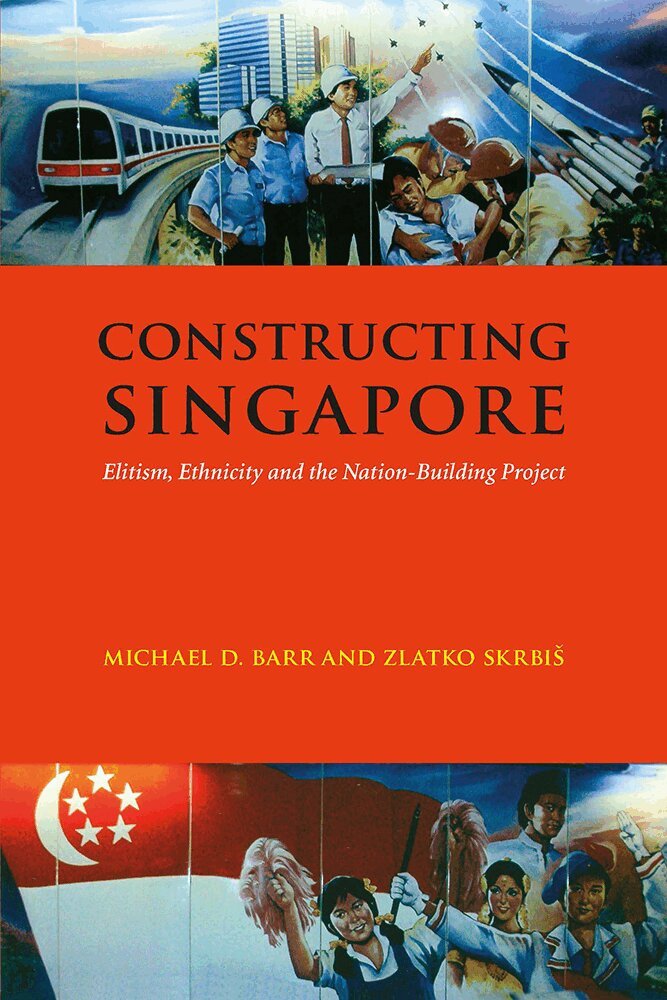
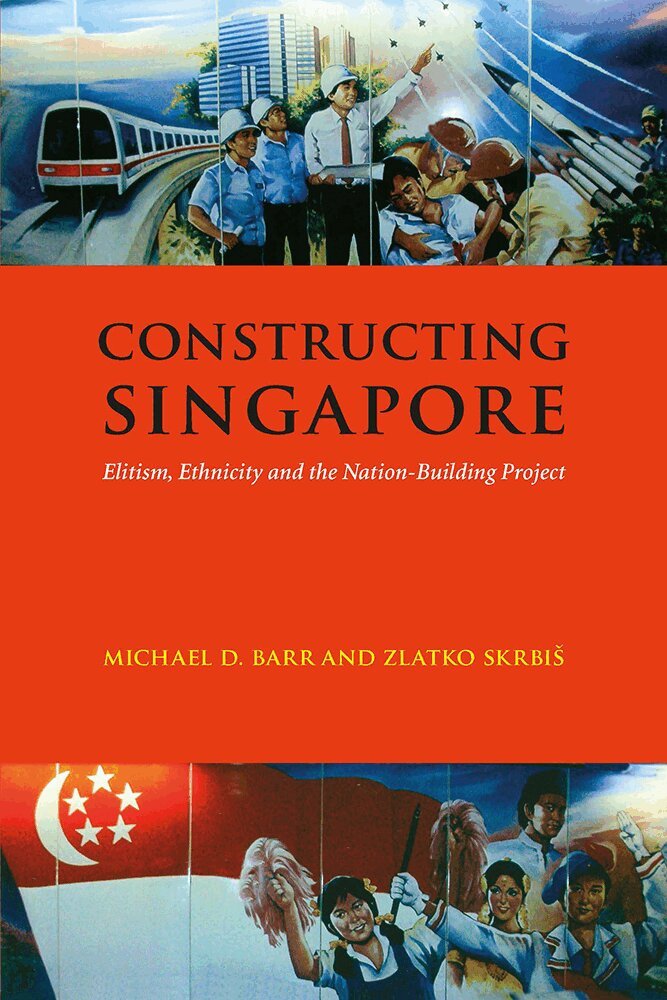
Constructing Singapore
Elitism, Ethnicity and the Nation-Building Project
Av Michael D. Barr, Zlatko Skrbis
Häftad, 2009
396 kr
Lägg i varukorg
Singapore has few natural resources but, in a relatively short history, its economic and social development and transformation are nothing short of remarkable. Today Singapore is by far the most successful exemplar of material development in Southeast Asia and it often finds itself the envy of …
Limits of Authoritarian Governance in Singapore's Developmental State
Av Lily Zubaidah Rahim, Michael D. Barr
Inbunden, 2019
1422 kr
Lägg i varukorg
This book delves into the limitations of Singapore’s authoritarian governance model. In doing so, the relevance of the Singapore governance model for other industrialising economies is systematically examined. Research in this book examines the challenges for an integrated governance model that has …
Limits of Authoritarian Governance in Singapore's Developmental State
Av Michael D. Barr, Lily Zubaidah Rahim
E-bok, 2019
1785 kr
Lägg i varukorg
This book delves into the limitations of Singapore’s authoritarian governance model. In doing so, the relevance of the Singapore governance model for other industrialising economies is systematically examined. Research in this book examines the challenges for an integrated governance model that has …
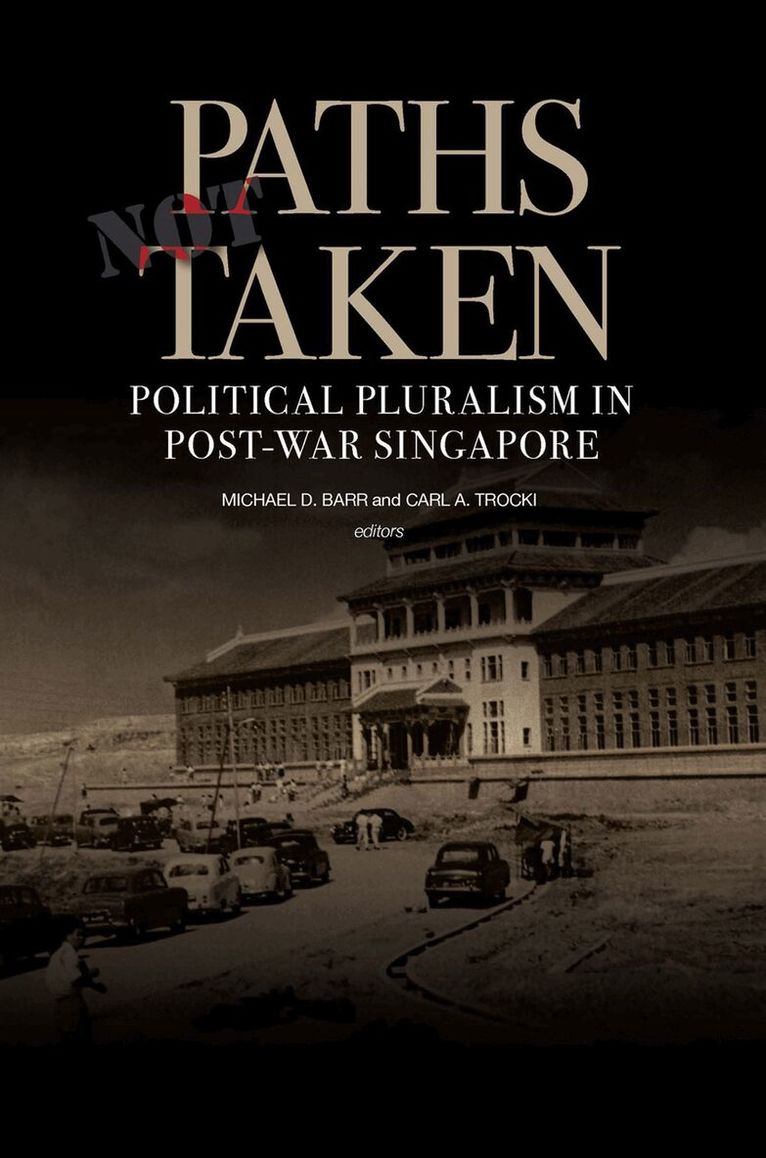
Paths not Taken
Political Pluralism in Post-war Singapore
Av Michael D. Barr, Carl A. Trocki m. fl.
Häftad, 2007
252 kr
Lägg i varukorg
Singapore's era of pluralism between the 1950s and 1970s was a time of extraordinary cultural, intellectual and political dynamism. Students, labour unions, ambitious political contenders, and representatives of the various ethnic communities all stepped forward to offer alternate visions of …
Cultural Politics and Asian Values
The Tepid War
Inbunden, 2002
1525 kr
Tillfälligt slut
Cultural Politics and Asian Values looks at the political, cultural and religious background of East and Southeast Asian societies and those of 'the West', with a view to seeing how they are affecting contemporary national and international politics: democratization, the international human rights …
Cultural Politics and Asian Values
The Tepid War
Häftad, 2015
481 kr
Tillfälligt slut
Cultural Politics and Asian Values looks at the political, cultural and religious background of East and Southeast Asian societies and those of 'the West', with a view to seeing how they are affecting contemporary national and international politics: democratization, the international human rights …
Constructing Singapore
Elitism, Ethnicity and the Nation-Building Project
Av Michael D. Barr, Zlatko Skrbis
Inbunden, 2009
987 kr
Tillfälligt slut
Singapore has few natural resources but, in a relatively short history, its economic and social development and transformation are nothing short of remarkable. Today Singapore is by far the most successful exemplar of material development in Southeast Asia and it often finds itself the envy of …
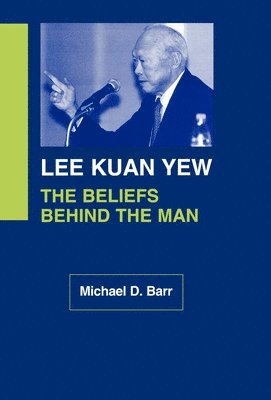
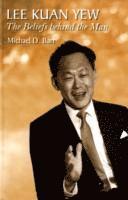
Lee Kuan Yew
The Beliefs Behind the Man
Häftad, 2012
250 kr
Tillfälligt slut
Lee Kuan Yew, first Prime Minister of Singapore, is a figure whose international stature far exceeds that of the tiny island over which he presided for thirty years. Lee is the principal architect of Singapore's political stability and its international economic success, and often credited with …