Michael DeAngelis – författare
Visar alla böcker från författaren Michael DeAngelis. Handla med fri frakt och snabb leverans.
4 produkter
4 produkter
341 kr
Skickas inom 10-15 vardagar
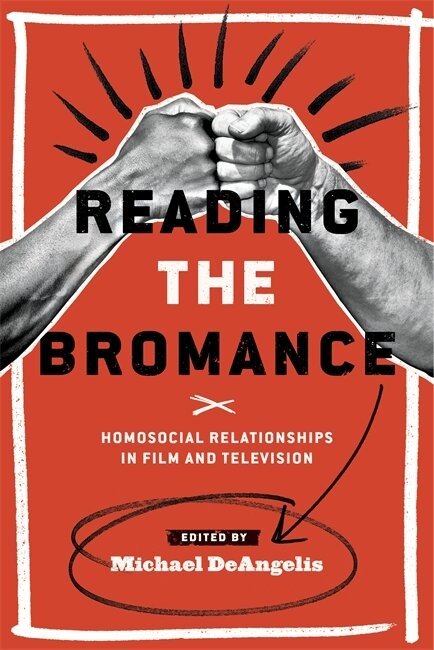
In the middle of this century’s first decade, “bromance” emerged as a term denoting an emotionally intense bond between straight men. Yet bromance requires an expression of intimacy that always toys with being coded as something other than “straight” male behaviour, even as it insists that such intimacy must never be misinterpreted. In Reading the Bromance: Homosocial Relationships in Film and Television, editor Michael DeAngelis has compiled a diverse group of essays that address the rise of this tricky phenomenon and explores the social and cultural functions it serves.Contributors consider selected contemporary film and television texts, as well as the genres that historically inspired them, in order to explore what needs bromance attempts to fulfill in relationships between men - straight or otherwise. Essays analyse films ranging from I Love You, Man to Superbad, Humpday, I Now Pronounce You Chuck and Larry, The Hangover, and the Jackass films and include studies of representative examples in international cinema such as Y tu mama tambien and classic and contemporary films of the Bollywood genre. The volume also examines the increasingly prevalent appearance of the bromance phenomenon in television narratives, from the “male bonding” rituals of Friends and Seinfeld to more recent manifestations in House, The Wire, and the MTV reality series Bromance.From historical analysis to discourse analysis, sociological analysis, and queer theory, this volume provides a broad range of methodological and theoretical approaches to the phenomenon in the first booklength study of the bromance genre. Film and television scholars as well as readers interested in pop culture and queer studies will enjoy the insights of Reading the Bromance.
363 kr
Skickas inom 3-6 vardagar
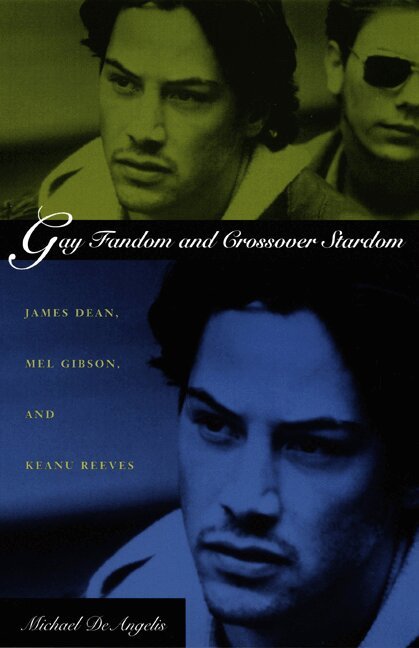
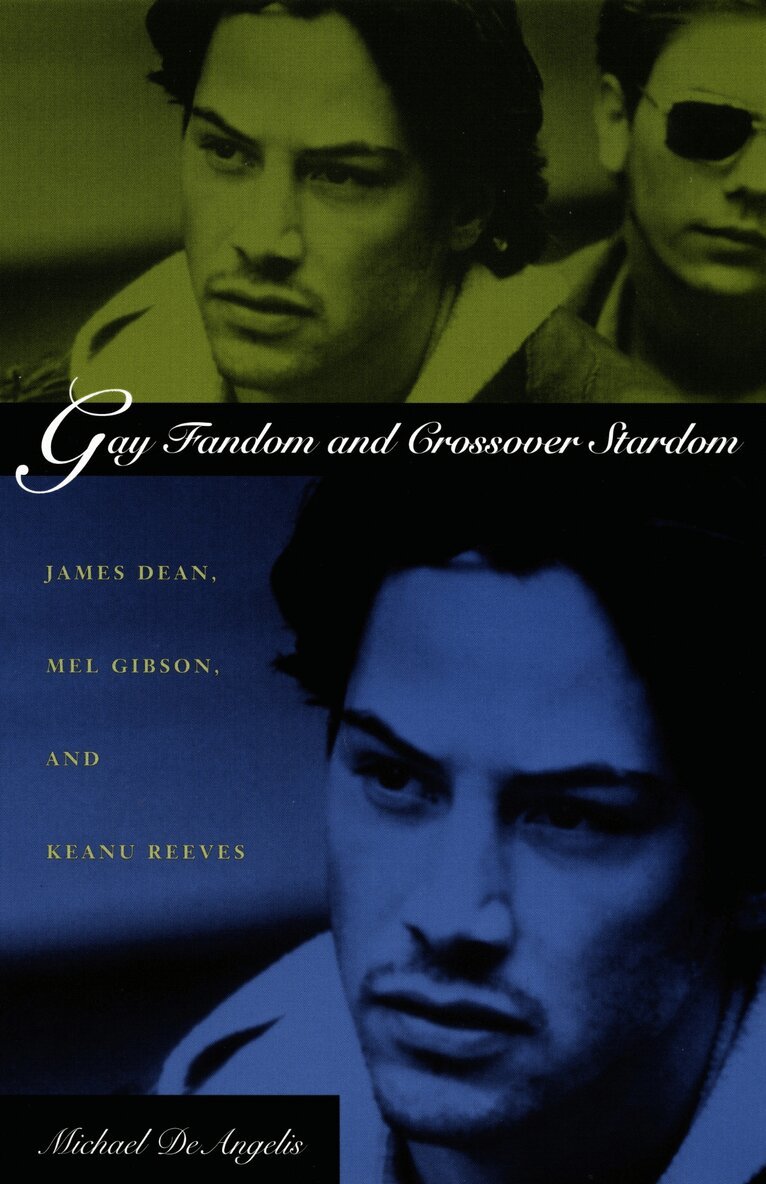
Why and how does the appeal of certain male Hollywood stars cross over from straight to gay audiences? Do stars lose their cachet with straight audiences when they cross over? In Gay Fandom and Crossover Stardom Michael DeAngelis responds to these questions with a provocative analysis of three famous actors-James Dean, Mel Gibson, and Keanu Reeves. In the process, he traces a fifty-year history of audience reception that moves gay male fandom far beyond the realm of “camp” to places where culturally unauthorized fantasies are nurtured, developed, and shared. DeAngelis examines a variety of cultural documents, including studio publicity and promotional campaigns, star biographies, scandal magazines, and film reviews, as well as gay political and fan literature that ranges from the closeted pages of One and Mattachine Review in the 1950s to the very “out” dish columns, listserv postings, and on-line star fantasy narratives of the past decade. At the heart of this close historical study are treatments of particular film narratives, including East of Eden, Rebel Without a Cause, The Road Warrior, Lethal Weapon, My Own Private Idaho, and Speed. Using theories of fantasy and melodrama, Gay Fandom and Crossover Stardom demonstrates how studios, agents, and even stars themselves often actively facilitate an audience’s strategic blurring of the already tenuous distinction between the heterosexual mainstream and the gay margins of American popular culture.In addition to fans of James Dean, Mel Gibson, and Keanu Reeves, those interested in film history, cultural studies, popular culture, queer theory, gender studies, sociology, psychoanalytic theory, melodrama, fantasy, and fandom will enjoy this book.
1 027 kr
Tillfälligt slut
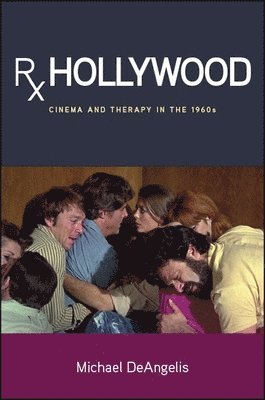
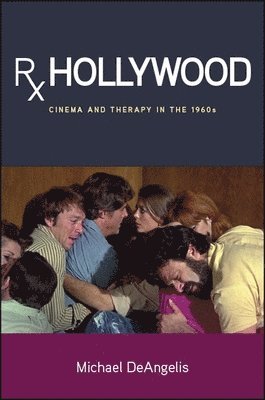
How films of the 1960s and early 1970s framed therapeutic issues as problems of human communication, and individual psychological problems as social ones.Rx Hollywood investigates how therapy surfaced in the themes, representations, and narrative strategies of a changing film industry. In the 1960s and early 1970s, American cinema was struggling to address adult audiences who were increasingly demanding films that confronted contemporary issues. Focusing upon five fields of therapeutic inquiry-therapist/patient dynamics, female "frigidity" and male impotence, marital discord, hallucinogenic drug use, and the dynamics of confession-Michael DeAngelis argues that the films of this period reveal an emergent, common tendency of therapy to work toward the formation of a stronger sense of interpersonal, community/social, and political engagement, counteracting alienation and social division in the spirit of connection and community.Prior to the 1960s, therapy had been considered an introspective process, one that emphasized contemplation and insight and prompted the patient to investigate memories and past traumas. In the 1960s, however, therapy would move toward more humanistic, client-centered, community, group, and encounter models that deemphasized the "there and then" of past feelings and experiences and embraced the "here and now" of the present. These kinds of therapy promised to heal the self through a process of reaching out, helping individuals to connect with communities, support networks, and other like-minded individuals who shared a needed sense of belonging.Drawing on a wide range of films, including Marnie, The Boston Strangler, The Chapman Report, Carnal Knowledge, Divorce American Style, Diary of a Mad Housewife, Guess Who's Coming to Dinner, and Five Easy Pieces, DeAngelis shows how American culture framed therapeutic issues as problems of human communication, developing treatment strategies that addressed individual psychological problems as social problems.
550 kr
Skickas inom 3-6 vardagar
How films of the 1960s and early 1970s framed therapeutic issues as problems of human communication, and individual psychological problems as social ones.Rx Hollywood investigates how therapy surfaced in the themes, representations, and narrative strategies of a changing film industry. In the 1960s and early 1970s, American cinema was struggling to address adult audiences who were increasingly demanding films that confronted contemporary issues. Focusing upon five fields of therapeutic inquiry-therapist/patient dynamics, female "frigidity" and male impotence, marital discord, hallucinogenic drug use, and the dynamics of confession-Michael DeAngelis argues that the films of this period reveal an emergent, common tendency of therapy to work toward the formation of a stronger sense of interpersonal, community/social, and political engagement, counteracting alienation and social division in the spirit of connection and community.Prior to the 1960s, therapy had been considered an introspective process, one that emphasized contemplation and insight and prompted the patient to investigate memories and past traumas. In the 1960s, however, therapy would move toward more humanistic, client-centered, community, group, and encounter models that deemphasized the "there and then" of past feelings and experiences and embraced the "here and now" of the present. These kinds of therapy promised to heal the self through a process of reaching out, helping individuals to connect with communities, support networks, and other like-minded individuals who shared a needed sense of belonging.Drawing on a wide range of films, including Marnie, The Boston Strangler, The Chapman Report, Carnal Knowledge, Divorce American Style, Diary of a Mad Housewife, Guess Who's Coming to Dinner, and Five Easy Pieces, DeAngelis shows how American culture framed therapeutic issues as problems of human communication, developing treatment strategies that addressed individual psychological problems as social problems.