Michael Dutton – författare
Visar alla böcker från författaren Michael Dutton. Handla med fri frakt och snabb leverans.
12 produkter
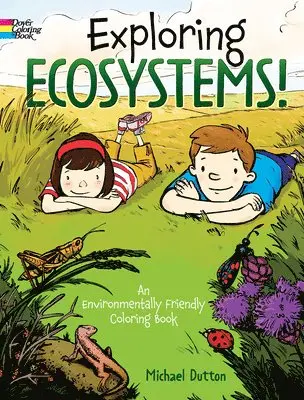
Exploring Ecosystems!
Häftad, 2009, 3-6 år
46 kr
Lägg i varukorg
Learning how people, plants, and animals depend on each other is a lesson for everyone. Join Mr. Turtle for a guided tour that rambles from forests and grasslands to deserts, oceans, and wetlands. Thirty adventurous illustrations to colour make the message clear: Take care of the planet! It's our …
BOOST Exploring Ecosystems! An Environmentally Friendly Coloring Book
Häftad, 2013
58 kr
Lägg i varukorg
Learning how people, plants, and animals depend on each other is a lesson for everyone. Join Mr. Turtle for a guided tour that rambles from forests and grasslands to deserts, oceans, and wetlands. Thirty adventurous illustrations to colour make the message clear: Take care of the planet! It's our …
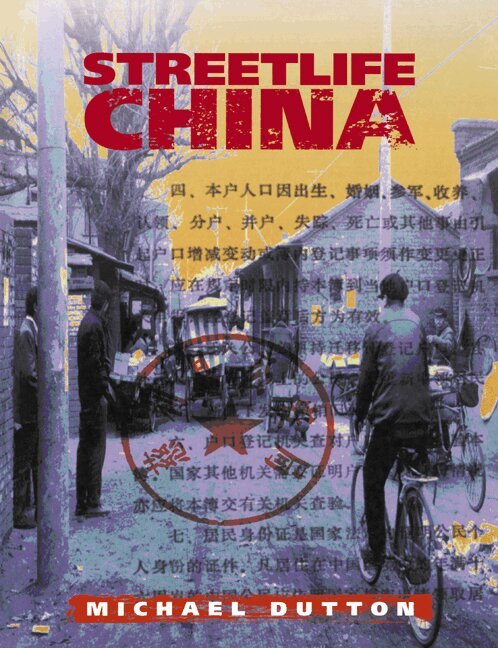
Streetlife China
Av Michael Dutton, Michael Dutton m. fl.
Häftad, 1999
471 kr
Lägg i varukorg
This imaginative and incisive collection of pieces about life in contemporary China reveals, like a series of snapshots, a picture of the lives of ordinary people and the rules and rituals that govern their daily existence. Key themes surface: in particular, the emergence of a consumer culture …
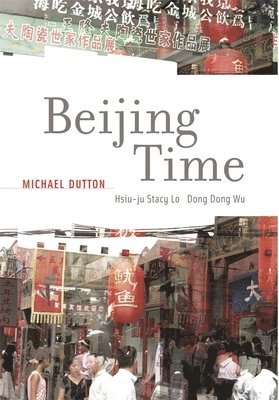
Beijing Time
Av Michael Dutton, Hsiu-ju Stacy Lo m. fl.
Häftad, 2010
314 kr
Lägg i varukorg
“Where is the market?” inquires the tourist one dark, chilly morning. “Follow the ghosts,” responds the taxi driver, indicating a shadowy parade of overloaded tricycles. “It’s not called the ghost market for nothing!” And indeed, Beijing is nothing if not haunted. Among the soaring skyscrapers, …
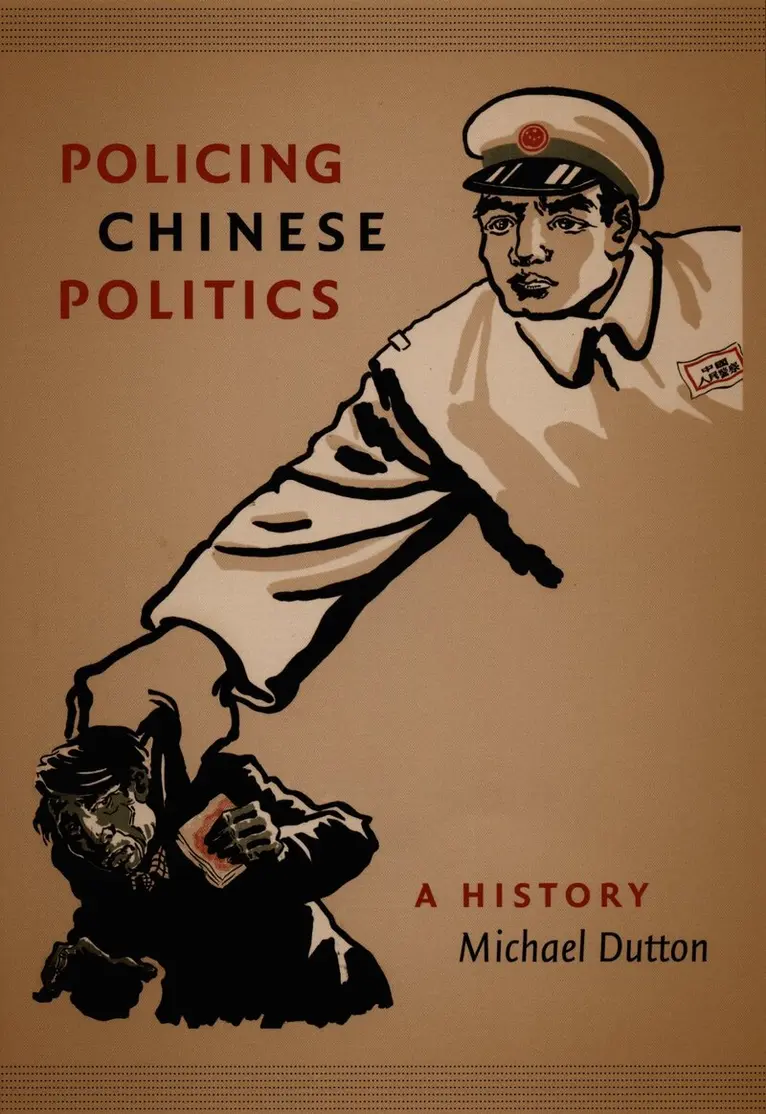
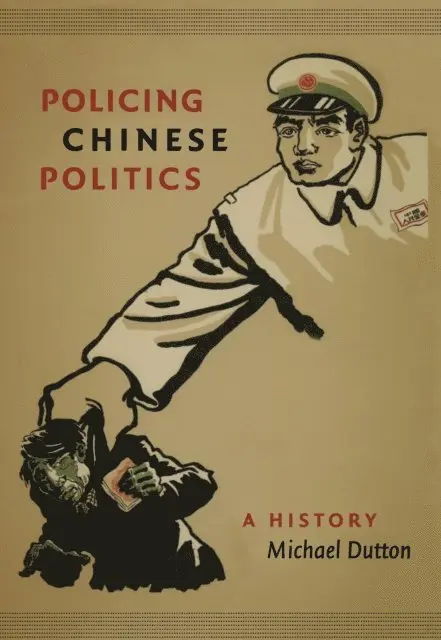
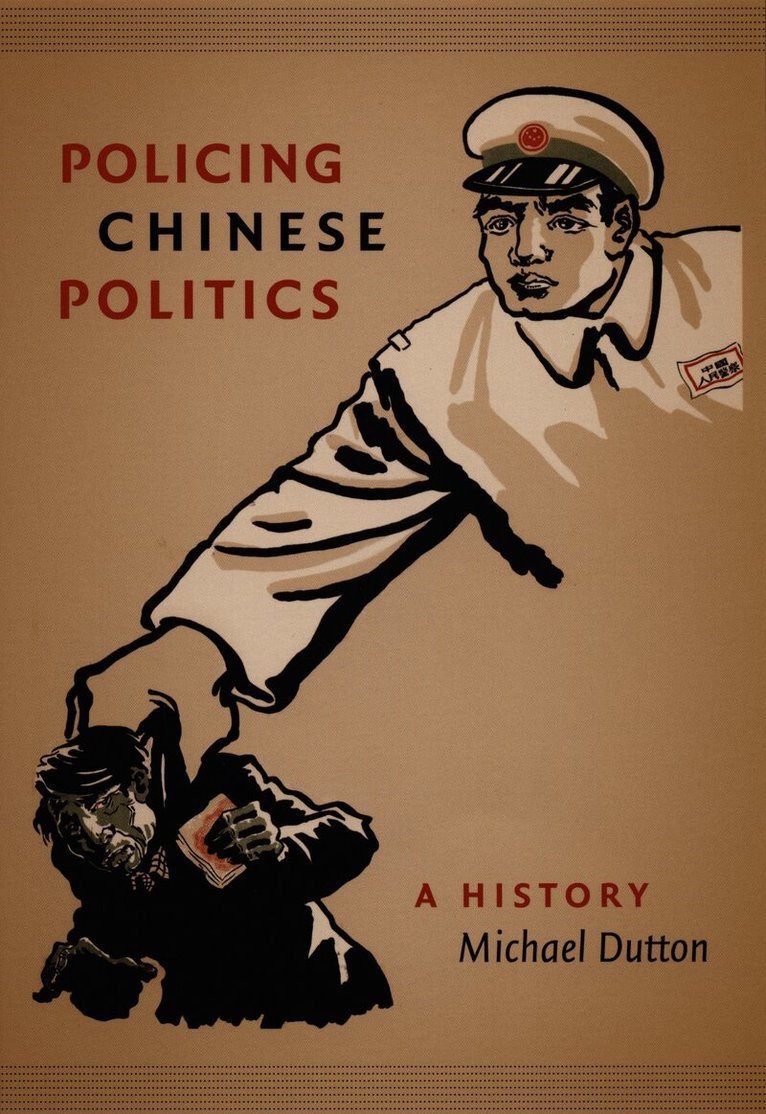
Policing Chinese Politics
A History
Häftad, 2005
441 kr
Lägg i varukorg
Beginning with the bloody communist purges of the Jiangxi era of the late 1920s and early 1930s and moving forward to the wild excesses of the Cultural Revolution, Policing Chinese Politics explores the question of revolutionary violence and the political passion that propels it. “Who are our …
Policing Chinese Politics
A History
E-bok, 2005
671 kr
Lägg i varukorg
Beginning with the bloody communist purges of the Jiangxi era of the late 1920s and early 1930s and moving forward to the wild excesses of the Cultural Revolution, Policing Chinese Politics explores the question of revolutionary violence and the political passion that propels it. “Who are our …
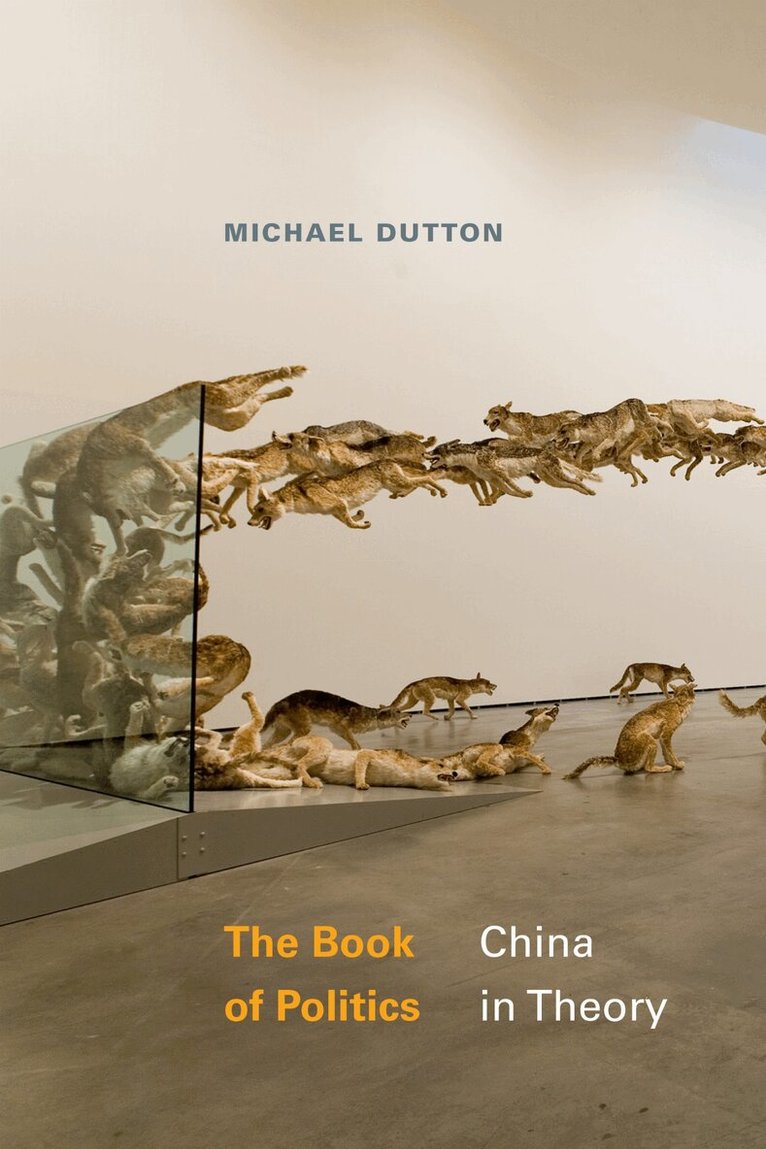
Book of Politics
China in Theory
Inbunden, 2024
1359 kr
Lägg i varukorg
In The Book of Politics, Michael Dutton offers an affective theorization of the political and a political theorization of affect. Drawing on Western and Chinese social theory and practice, Dutton rethinks Carl Schmitt’s insistence that the political can be thought of only within the antagonistic …
Book of Politics
China in Theory
Häftad, 2024
348 kr
Lägg i varukorg
In The Book of Politics, Michael Dutton offers an affective theorization of the political and a political theorization of affect. Drawing on Western and Chinese social theory and practice, Dutton rethinks Carl Schmitt’s insistence that the political can be thought of only within the antagonistic …
Book of Politics
China in Theory
E-bok, 2024
537 kr
Lägg i varukorg
In The Book of Politics , Michael Dutton offers an affective theorization of the political and a political theorization of affect. Drawing on Western and Chinese social theory and practice, Dutton rethinks Carl Schmitt’s insistence that the political can be thought of only within the antagonistic …
3-D Coloring Book - Abstractions
Av Jessica Mazurkiewicz, Michael Dutton
Häftad, 2014, 6-9 år
78 kr
Tillfälligt slut
Policing Chinese Politics
A History
Inbunden, 2005
1461 kr
Tillfälligt slut
Beginning with the bloody communist purges of the Jiangxi era of the late 1920s and early 1930s and moving forward to the wild excesses of the Cultural Revolution, Policing Chinese Politics explores the question of revolutionary violence and the political passion that propels it. “Who are our …