Michael E. Latham - Böcker
Visar alla böcker från författaren Michael E. Latham. Handla med fri frakt och snabb leverans.
3 produkter
3 produkter
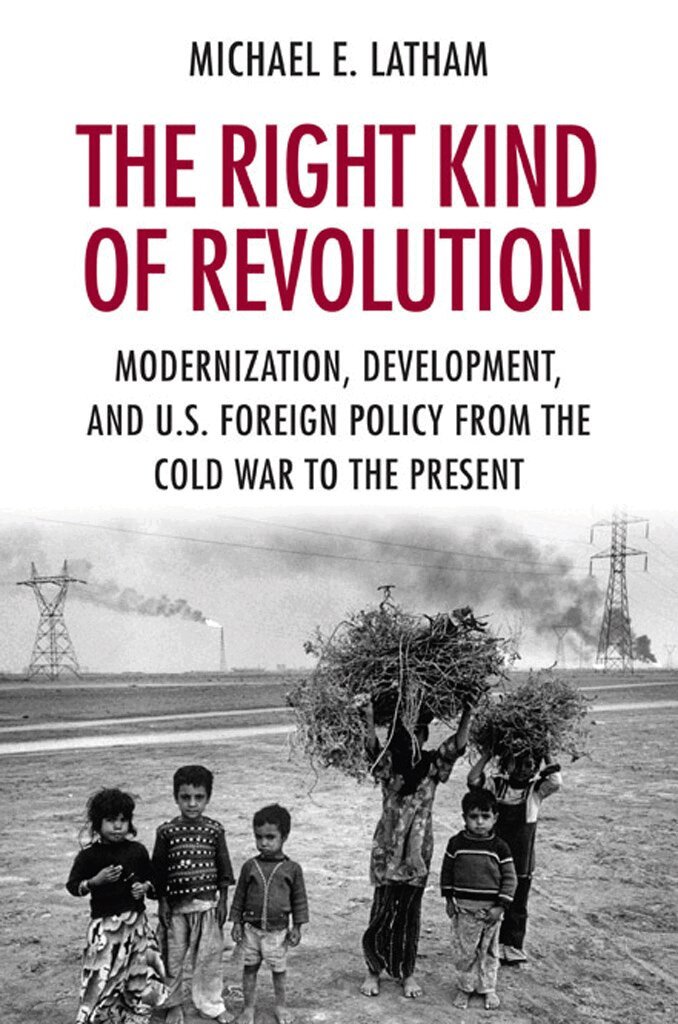
Right Kind of Revolution
Modernization, Development, and U.S. Foreign Policy from the Cold War to the Present
Inbunden, Engelska, 2011
996 kr
Skickas inom 10-15 vardagar
"Michael E. Latham has provided a very interesting and useful synthesis of the rise and decline (and eventual reappearance) of modernization theory in the United States, exploring both its intellectual roots and its deep connections to the country's foreign policy."— Michele Alacevich ― Technology and CultureAfter World War II, a powerful conviction took hold among American intellectuals and policymakers: that the United States could profoundly accelerate and ultimately direct the development of the decolonizing world, serving as a modernizing force around the globe. By accelerating economic growth, promoting agricultural expansion, and encouraging the rise of enlightened elites, they hoped to link development with security, preventing revolutions and rapidly creating liberal, capitalist states. In The Right Kind of Revolution, Michael E. Latham explores the role of modernization and development in U.S. foreign policy from the early Cold War through the present.The modernization project rarely went as its architects anticipated. Nationalist leaders in postcolonial states such as India, Ghana, and Egypt pursued their own independent visions of development. Attempts to promote technological solutions to development problems also created unintended consequences by increasing inequality, damaging the environment, and supporting coercive social policies. In countries such as Guatemala, South Vietnam, and Iran, U.S. officials and policymakers turned to modernization as a means of counterinsurgency and control, ultimately shoring up dictatorial regimes and exacerbating the very revolutionary dangers they wished to resolve. Those failures contributed to a growing challenge to modernization theory in the late 1960s and 1970s.Since the end of the Cold War the faith in modernization as a panacea has reemerged. The idea of a global New Deal, however, has been replaced by a neoliberal emphasis on the power of markets to shape developing nations in benevolent ways. U.S. policymakers have continued to insist that history has a clear, universal direction, but events in Iraq and Afghanistan give the lie to modernization's false hopes and appealing promises.
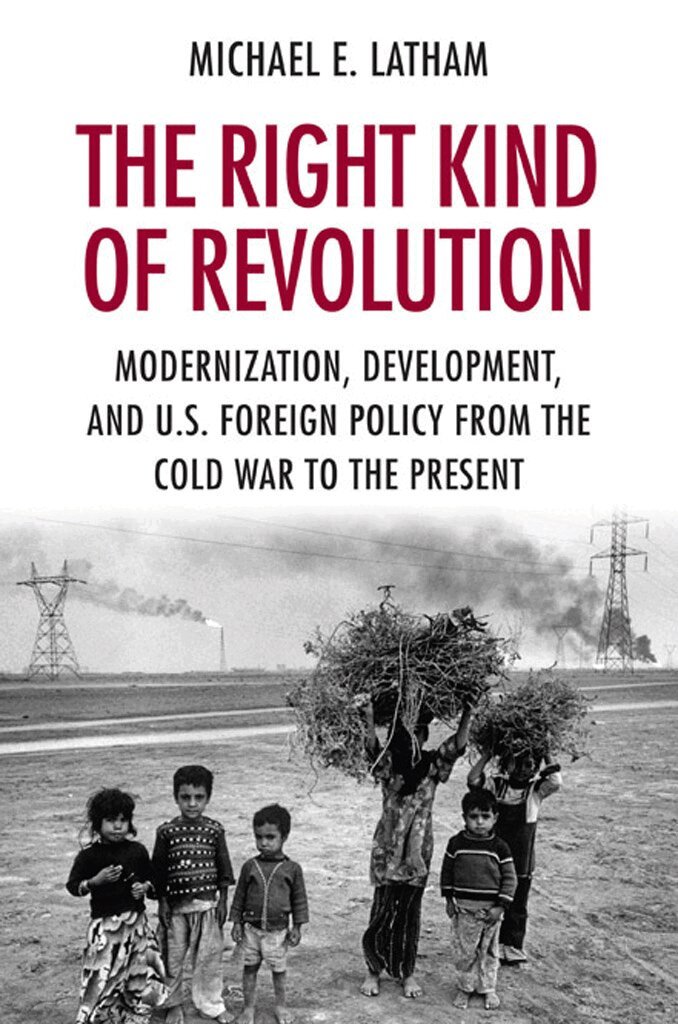
Right Kind of Revolution
Modernization, Development, and U.S. Foreign Policy from the Cold War to the Present
Häftad, Engelska, 2011
282 kr
Skickas inom 10-15 vardagar
"Michael E. Latham has provided a very interesting and useful synthesis of the rise and decline (and eventual reappearance) of modernization theory in the United States, exploring both its intellectual roots and its deep connections to the country's foreign policy."— Michele Alacevich ― Technology and CultureAfter World War II, a powerful conviction took hold among American intellectuals and policymakers: that the United States could profoundly accelerate and ultimately direct the development of the decolonizing world, serving as a modernizing force around the globe. By accelerating economic growth, promoting agricultural expansion, and encouraging the rise of enlightened elites, they hoped to link development with security, preventing revolutions and rapidly creating liberal, capitalist states. In The Right Kind of Revolution, Michael E. Latham explores the role of modernization and development in U.S. foreign policy from the early Cold War through the present.The modernization project rarely went as its architects anticipated. Nationalist leaders in postcolonial states such as India, Ghana, and Egypt pursued their own independent visions of development. Attempts to promote technological solutions to development problems also created unintended consequences by increasing inequality, damaging the environment, and supporting coercive social policies. In countries such as Guatemala, South Vietnam, and Iran, U.S. officials and policymakers turned to modernization as a means of counterinsurgency and control, ultimately shoring up dictatorial regimes and exacerbating the very revolutionary dangers they wished to resolve. Those failures contributed to a growing challenge to modernization theory in the late 1960s and 1970s.Since the end of the Cold War the faith in modernization as a panacea has reemerged. The idea of a global New Deal, however, has been replaced by a neoliberal emphasis on the power of markets to shape developing nations in benevolent ways. U.S. policymakers have continued to insist that history has a clear, universal direction, but events in Iraq and Afghanistan give the lie to modernization's false hopes and appealing promises.
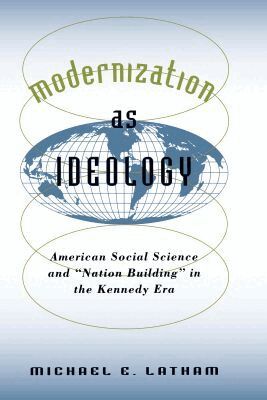
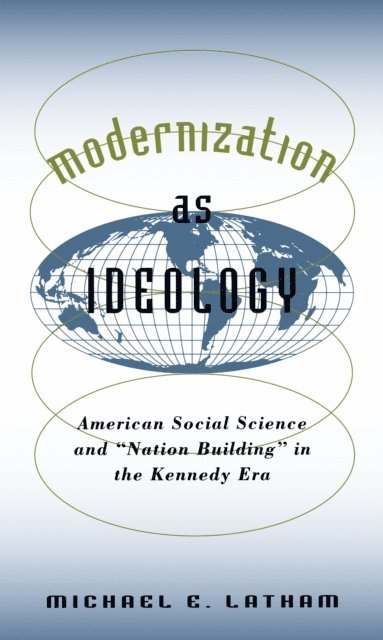
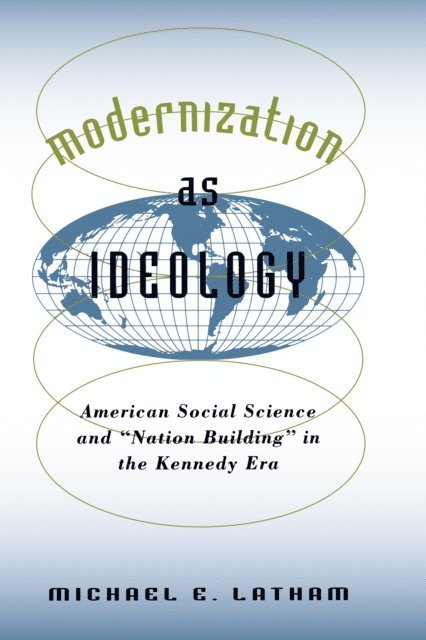
Modernization As Ideology
American Social Science and "Nation Building" in the Kennedy Era
Häftad, Engelska, 2000
460 kr
Skickas inom 10-15 vardagar
Providing new insight on the intellectual and cultural dimensions of the Cold War, Michael Latham reveals how social science theory helped shape American foreign policy during the Kennedy administration. He shows how, in the midst of America's protracted struggle to contain communism in the developing world, the concept of global modernization moved beyond its beginnings in academia to become a motivating ideology behind policy decisions. After tracing the rise of modernization theory in American social science, Latham analyzes the way its core assumptions influenced the Kennedy administration's Alliance for Progress with Latin America, the creation of the Peace Corps, and the strategic hamlet program in Vietnam. But as he demonstrates, modernizers went beyond insisting on the relevance of America's experience to the dilemmas faced by impoverished countries. Seeking to accelerate the movement of foreign societies toward a liberal, democratic, and capitalist modernity, Kennedy and his advisers also reiterated a much deeper sense of their own nation's vital strengths and essential benevolence. At the height of the Cold War, Latham argues, modernization recast older ideologies of Manifest Destiny and imperialism. |Explores how the social science concept of global modernization shaped American foreign policy in the Kennedy administration, from such programs as the Peace Corps and Alliance for Progress to an eventual recasting of Manifest Destiny and imperlalism.