Michael J. Bazyler - Böcker
Visar alla böcker från författaren Michael J. Bazyler. Handla med fri frakt och snabb leverans.
7 produkter
7 produkter
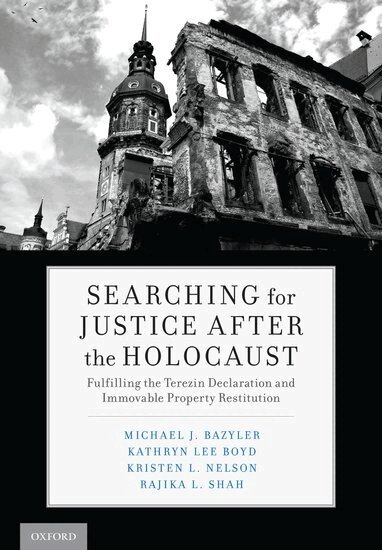
Searching for Justice After the Holocaust
Fulfilling the Terezin Declaration and Immovable Property Restitution
Inbunden, Engelska, 2019
1 056 kr
Skickas inom 5-8 vardagar
The Nazis and their state-sponsored cohorts stole mercilessly from the Jews of Europe. In the aftermath of the Holocaust, returning survivors had to navigate a frequently unclear path to recover their property from governments and neighbors who had failed to protect them and who often had been complicit in their persecution. While the return of Nazi-looted art has garnered the most media attention, and there have been well-publicized settlements involving stolen Swiss bank deposits and unpaid insurance policies, there is a larger piece of Holocaust injustice that has not been adequately dealt with: stolen land and buildings, much of which today still remain unrestituted. This book is about the less publicized area of post-Holocaust restitution involving immovable (real) property confiscated from European Jews and others during World War II. In 2009, 47 countries convened in Prague to deal with the lingering problem of restitution of pre-war private, communal and heirless property stolen in the Holocaust. The outcome was the issuance by 47 states of the Terezin Declaration on Holocaust Era Assets and Related Issues, which aimed, among other things, to "rectify the consequences" of the wrongful property seizures. This book sets forth the legal history of Holocaust immovable property restitution in each of the Terezin Declaration signatory states. It also analyses how each of the 47 countries has fulfilled the standards of the Guidelines and Best Practices of the Terezin Declaration, issued in 2010 in conjunction with the establishment of the European Shoah Legacy Institute (ESLI) to monitor compliance. The book is based on the Holocaust (Shoah) Immovable Property Restitution Study commissioned by ESLI, written by the authors and issued in Brussels in 2017 before the European Parliament.
941 kr
Skickas inom 10-15 vardagar
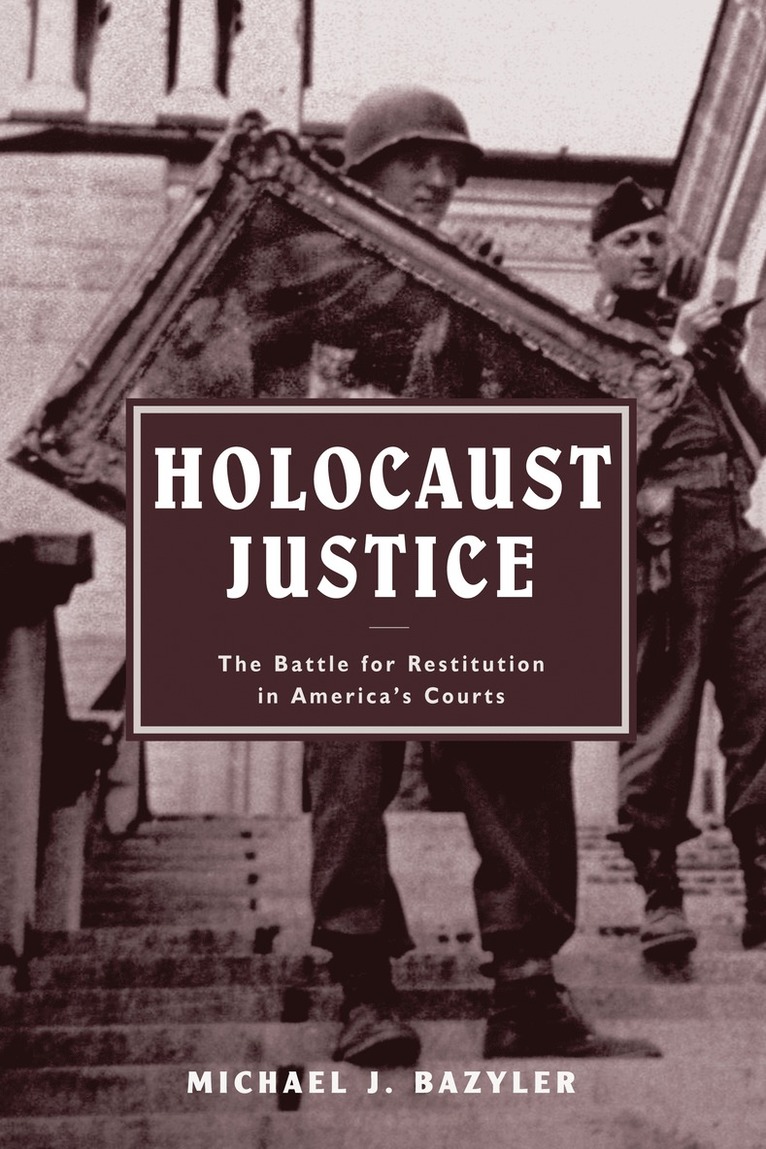
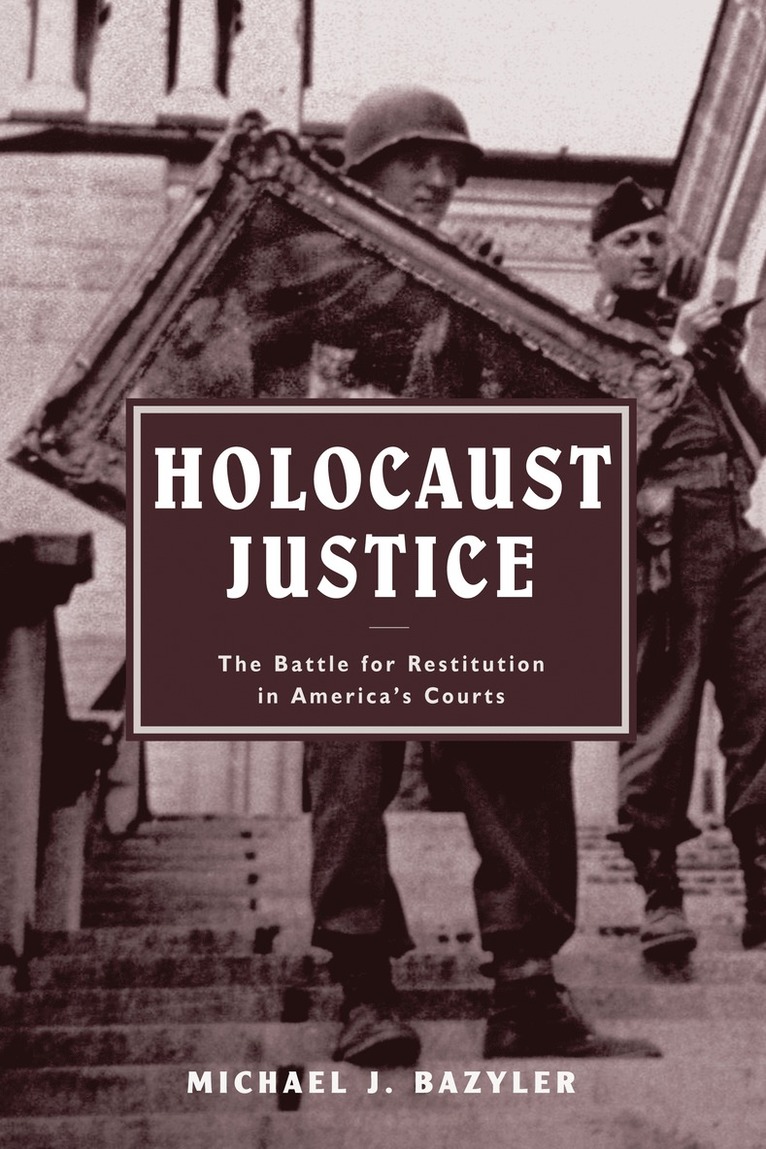
The first book to tell the complete story of the American attempt at restitution for victims of the HolocaustThe Holocaust was not only the greatest murder in history; it was also the greatest theft. Historians estimate that the Nazis stole roughly $230 billion to $320 billion in assets (figured in today's dollars), from the Jews of Europe. Since the revelations concerning the wartime activities of the Swiss banks first broke in the late 1990s, an ever-widening circle of complicity and wrongdoing against Jews and other victims has emerged in the course of lawsuits waged by American lawyers. These suits involved German corporations, French and Austrian banks, European insurance companies, and double thefts of art—first by the Nazis, and then by museums and private collectors refusing to give them up. All of these injustices have come to light thanks to the American legal system.Holocaust Justice is the first book to tell the complete story of the legal campaign, conducted mainly on American soil, to address these injustices. Michael Bazyler, a legal scholar specializing in human rights and international law, takes an in-depth look at the series of lawsuits that gave rise to a coherent campaign to right historical wrongs. Diplomacy, individual pleas for justice by Holocaust survivors and various Jewish organizations for the last fifty years, and even suits in foreign courts, had not worked. It was only with the intervention of the American courts that elderly Holocaust survivors and millions of other wartime victims throughout the world were awarded compensation, and equally important, acknowledgment of the crimes committed against them.The unique features of the American system of justice—which allowed it to handle claims that originated over fifty years ago and in another part of the world—made it the only forum in the world where Holocaust claims could be heard. Without the lawsuits brought by American lawyers, Bazyler asserts, the claims of the elderly survivors and their heirs would continue to be ignored.For the first time in history, European and even American corporations are now being forced to pay restitution for war crimes totaling billions of dollars to Holocaust survivors and other victims. Bazyler deftly tells the unfolding stories: the Swiss banks' attempt to hide dormant bank accounts belonging to Holocaust survivors or heirs of those who perished in the war; German private companies that used slave laborers during World War II—including American subsidiaries in Germany; Italian, Swiss and German insurance companies that refused to pay on prewar policies; and the legal wrangle going on today in American courts over art looted by the Nazis in wartime Europe. He describes both the human and legal dramas involved in the struggle for restitution, bringing the often-forgotten voices of Holocaust survivors to the forefront. He also addresses the controversial legal and moral issues over Holocaust restitution and the ethical debates over the distribution of funds.With an eye to the future, Bazyler discusses the enduring legacy of Holocaust restitution litigation, which is already being used as a model for obtaining justice for historical wrongs on both the domestic and international stage.
413 kr
Skickas inom 7-10 vardagar
The first book to tell the complete story of the American attempt at restitution for victims of the HolocaustThe Holocaust was not only the greatest murder in history; it was also the greatest theft. Historians estimate that the Nazis stole roughly $230 billion to $320 billion in assets (figured in today's dollars), from the Jews of Europe. Since the revelations concerning the wartime activities of the Swiss banks first broke in the late 1990s, an ever-widening circle of complicity and wrongdoing against Jews and other victims has emerged in the course of lawsuits waged by American lawyers. These suits involved German corporations, French and Austrian banks, European insurance companies, and double thefts of art—first by the Nazis, and then by museums and private collectors refusing to give them up. All of these injustices have come to light thanks to the American legal system.Holocaust Justice is the first book to tell the complete story of the legal campaign, conducted mainly on American soil, to address these injustices. Michael Bazyler, a legal scholar specializing in human rights and international law, takes an in-depth look at the series of lawsuits that gave rise to a coherent campaign to right historical wrongs. Diplomacy, individual pleas for justice by Holocaust survivors and various Jewish organizations for the last fifty years, and even suits in foreign courts, had not worked. It was only with the intervention of the American courts that elderly Holocaust survivors and millions of other wartime victims throughout the world were awarded compensation, and equally important, acknowledgment of the crimes committed against them.The unique features of the American system of justice—which allowed it to handle claims that originated over fifty years ago and in another part of the world—made it the only forum in the world where Holocaust claims could be heard. Without the lawsuits brought by American lawyers, Bazyler asserts, the claims of the elderly survivors and their heirs would continue to be ignored.For the first time in history, European and even American corporations are now being forced to pay restitution for war crimes totaling billions of dollars to Holocaust survivors and other victims. Bazyler deftly tells the unfolding stories: the Swiss banks' attempt to hide dormant bank accounts belonging to Holocaust survivors or heirs of those who perished in the war; German private companies that used slave laborers during World War II—including American subsidiaries in Germany; Italian, Swiss and German insurance companies that refused to pay on prewar policies; and the legal wrangle going on today in American courts over art looted by the Nazis in wartime Europe. He describes both the human and legal dramas involved in the struggle for restitution, bringing the often-forgotten voices of Holocaust survivors to the forefront. He also addresses the controversial legal and moral issues over Holocaust restitution and the ethical debates over the distribution of funds.With an eye to the future, Bazyler discusses the enduring legacy of Holocaust restitution litigation, which is already being used as a model for obtaining justice for historical wrongs on both the domestic and international stage.
1 188 kr
Skickas inom 10-15 vardagar
Holocaust Restitution is the first volume to present the Holocaust restitution movement directly from the viewpoints of the various parties involved in the campaigns and settlements. Now that the Holocaust restitution claims are closed, this work enjoys the benefits of hindsight to provide a definitive assessment of the movement.From lawyers and State Department officials to survivors and heads of key institutes involved in the negotiations, the volume brings together the central players in the Holocaust restitution movement, both pro and con. The volume examines the claims against European banks and against Germany and Austria relating to forced labor, insurance claims, and looted art claims. It considers their significance, their legacy, and the moral issues involved in seeking and receiving restitution.Contributors: Roland Bank, Michael Berenbaum, Lee Boyd, Thomas Buergenthal, Monica S. Dugot, Stuart E. Eizenstat, Eric Freedman and Richard Weisberg, Si Frumkin, Peter Hayes, Kai Henning, Roman Kent, Lawrence Kill and Linda Gerstel, Edward R. Korman, Otto Graf Lambsdorff, David A. Lash and Mitchell A. Kamin, Hannah Lessing and Fiorentina Azizi, Burt Neuborne, Owen C. Pell, Morris Ratner and Caryn Becker, Shimon Samuels, E. Randol Schoenberg, William Z. Slany, Howard N. Spiegler, Deborah Sturman, Robert A. Swift, Gideon Taylor, Lothar Ulsamer, Melvyn I. Weiss, Roger M. Witten, Sidney Zabludoff, and Arie Zuckerman.
413 kr
Skickas inom 7-10 vardagar
Holocaust Restitution is the first volume to present the Holocaust restitution movement directly from the viewpoints of the various parties involved in the campaigns and settlements. Now that the Holocaust restitution claims are closed, this work enjoys the benefits of hindsight to provide a definitive assessment of the movement.From lawyers and State Department officials to survivors and heads of key institutes involved in the negotiations, the volume brings together the central players in the Holocaust restitution movement, both pro and con. The volume examines the claims against European banks and against Germany and Austria relating to forced labor, insurance claims, and looted art claims. It considers their significance, their legacy, and the moral issues involved in seeking and receiving restitution.Contributors: Roland Bank, Michael Berenbaum, Lee Boyd, Thomas Buergenthal, Monica S. Dugot, Stuart E. Eizenstat, Eric Freedman and Richard Weisberg, Si Frumkin, Peter Hayes, Kai Henning, Roman Kent, Lawrence Kill and Linda Gerstel, Edward R. Korman, Otto Graf Lambsdorff, David A. Lash and Mitchell A. Kamin, Hannah Lessing and Fiorentina Azizi, Burt Neuborne, Owen C. Pell, Morris Ratner and Caryn Becker, Shimon Samuels, E. Randol Schoenberg, William Z. Slany, Howard N. Spiegler, Deborah Sturman, Robert A. Swift, Gideon Taylor, Lothar Ulsamer, Melvyn I. Weiss, Roger M. Witten, Sidney Zabludoff, and Arie Zuckerman.
502 kr
Skickas inom 10-15 vardagar
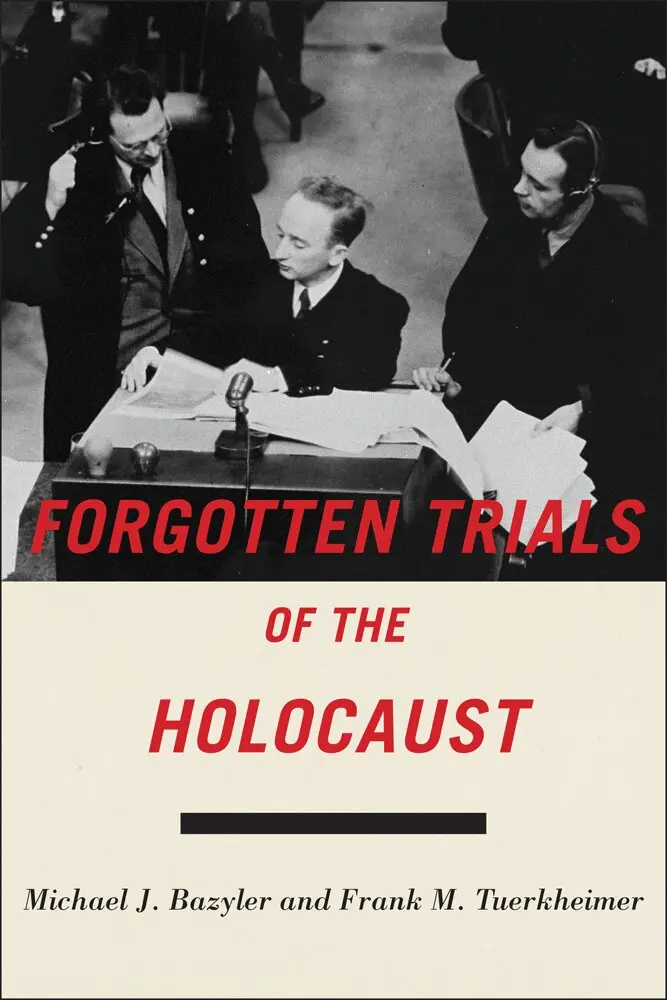
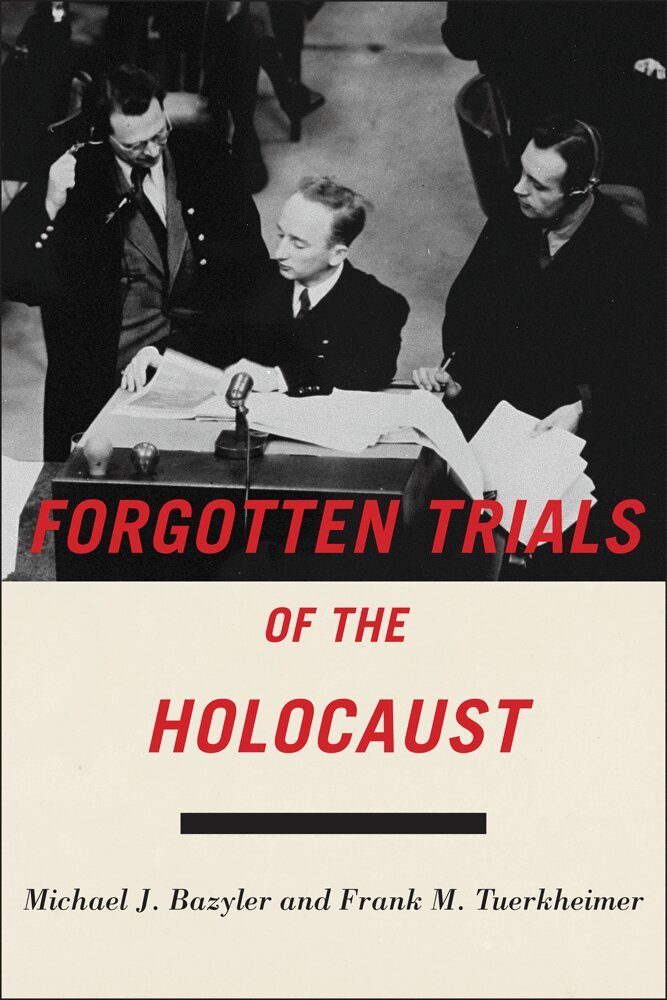
Demonstrates the enormous impact of the Holocaust by analyzing ten underreported Nazi trialsIn the wake of the Second World War, how were the Allies to respond to the enormous crime of the Holocaust? Even in an ideal world, it would have been impossible to bring all the perpetrators to trial. Nevertheless, an attempt was made to prosecute some. This book uncovers ten "forgotten trials" of the Holocaust, selected from the many Nazi trials that have taken place over the course of the last seven decades. It showcases how perpetrators of the Holocaust were dealt with in courtrooms around the world, revealing how different legal systems responded to the horrors of the Holocaust. The book provides a graphic picture of the genocidal campaign against the Jews through eyewitness testimony and incriminating documents and traces how the public memory of the Holocaust was formed over time.
413 kr
Skickas inom 7-10 vardagar
Demonstrates the enormous impact of the Holocaust by analyzing ten underreported Nazi trialsIn the wake of the Second World War, how were the Allies to respond to the enormous crime of the Holocaust? Even in an ideal world, it would have been impossible to bring all the perpetrators to trial. Nevertheless, an attempt was made to prosecute some. This book uncovers ten "forgotten trials" of the Holocaust, selected from the many Nazi trials that have taken place over the course of the last seven decades. It showcases how perpetrators of the Holocaust were dealt with in courtrooms around the world, revealing how different legal systems responded to the horrors of the Holocaust. The book provides a graphic picture of the genocidal campaign against the Jews through eyewitness testimony and incriminating documents and traces how the public memory of the Holocaust was formed over time.