Michael J. Boyd – författare
Visar alla böcker från författaren Michael J. Boyd. Handla med fri frakt och snabb leverans.
8 produkter
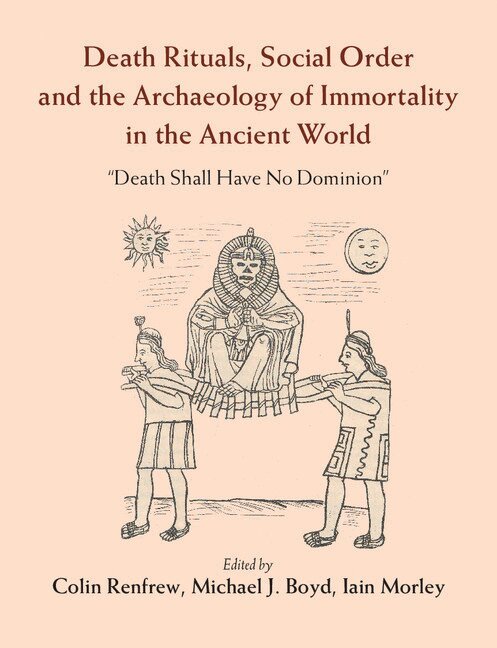
Death Rituals, Social Order and the Archaeology of Immortality in the Ancient World
'Death Shall Have No Dominion'
Av Colin Renfrew, Michael J. Boyd m. fl.
Inbunden, 2015
2214 kr
Lägg i varukorg
Modern archaeology has amassed considerable evidence for the disposal of the dead through burials, cemeteries and other monuments. Drawing on this body of evidence, this book offers fresh insight into how early human societies conceived of death and the afterlife. The twenty-seven essays in this …
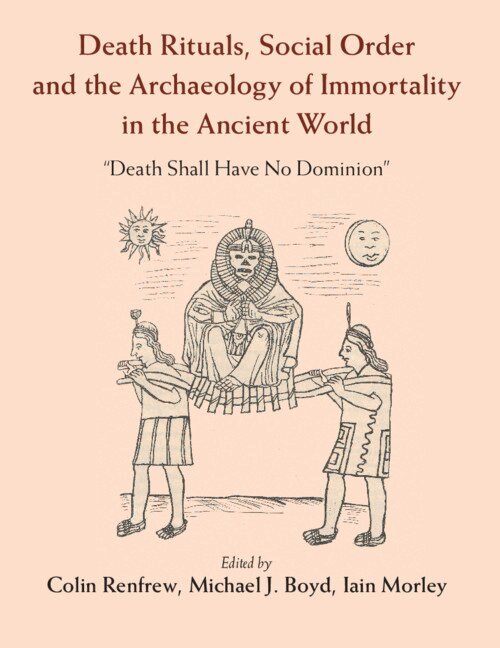
Death Rituals, Social Order and the Archaeology of Immortality in the Ancient World
'Death Shall Have No Dominion'
Av Colin Renfrew, Michael J. Boyd m. fl.
Häftad, 2021
502 kr
Lägg i varukorg
Modern archaeology has amassed considerable evidence for the disposal of the dead through burials, cemeteries and other monuments. Drawing on this body of evidence, this book offers fresh insight into how early human societies conceived of death and the afterlife. The twenty-seven essays in this …
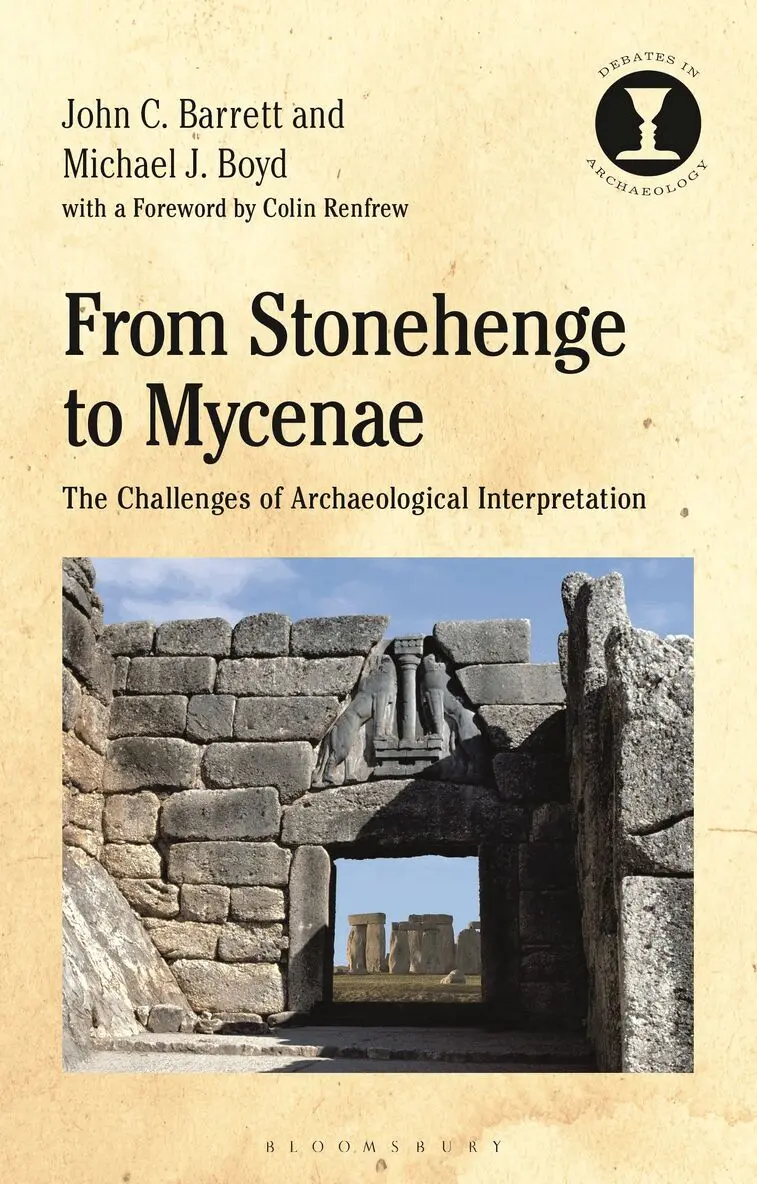
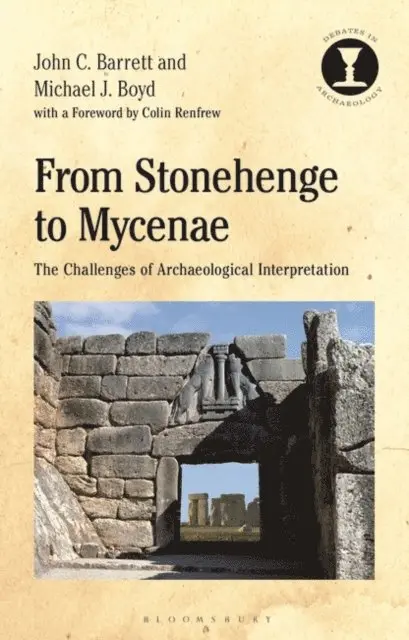
From Stonehenge to Mycenae
The Challenges of Archaeological Interpretation
Av John Barrett, Michael J. Boyd m. fl.
Häftad, 2020
385 kr
Lägg i varukorg
This book reconsiders how we can understand archaeology on a grand scale by abandoning the claims that material remains stand for the people and institutions that produced them, or that genetic change somehow caused cultural change. Our challenge is to understand the worlds that made great projects …
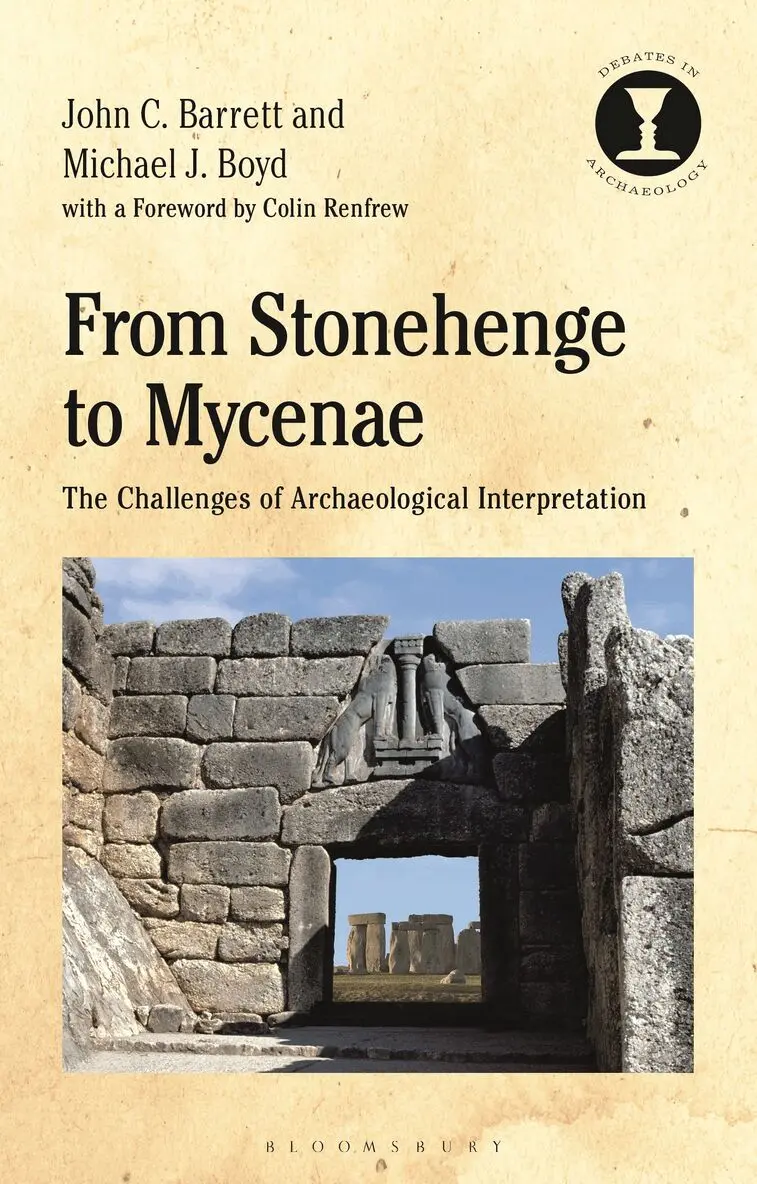
From Stonehenge to Mycenae
The Challenges of Archaeological Interpretation
Av John Barrett, Michael J. Boyd m. fl.
Inbunden, 2019
1386 kr
Lägg i varukorg
This book reconsiders how we can understand archaeology on a grand scale by abandoning the claims that material remains stand for the people and institutions that produced them, or that genetic change somehow caused cultural change. Our challenge is to understand the worlds that made great projects …
From Stonehenge to Mycenae
The Challenges of Archaeological Interpretation
Av John Barrett, Michael J. Boyd
E-bok, 2019
418 kr
Lägg i varukorg
This book reconsiders how we can understand archaeology on a grand scale by abandoning the claims that material remains stand for the people and institutions that produced them, or that genetic change somehow caused cultural change. Our challenge is to understand the worlds that made great projects …
From Stonehenge to Mycenae
The Challenges of Archaeological Interpretation
Av John Barrett, Michael J. Boyd
E-bok, 2019
418 kr
Lägg i varukorg
This book reconsiders how we can understand archaeology on a grand scale by abandoning the claims that material remains stand for the people and institutions that produced them, or that genetic change somehow caused cultural change. Our challenge is to understand the worlds that made great projects …
Middle Helladic and Early Mycenaean Mortuary Practices in the Southern and Western Peloponnese
Häftad, 2002
1156 kr
Lägg i varukorg