Michael Janeway – Författare
Visar alla böcker från författaren Michael Janeway. Handla med fri frakt och snabb leverans.
3 produkter
3 produkter
2 191 kr
Skickas inom 3-6 vardagar
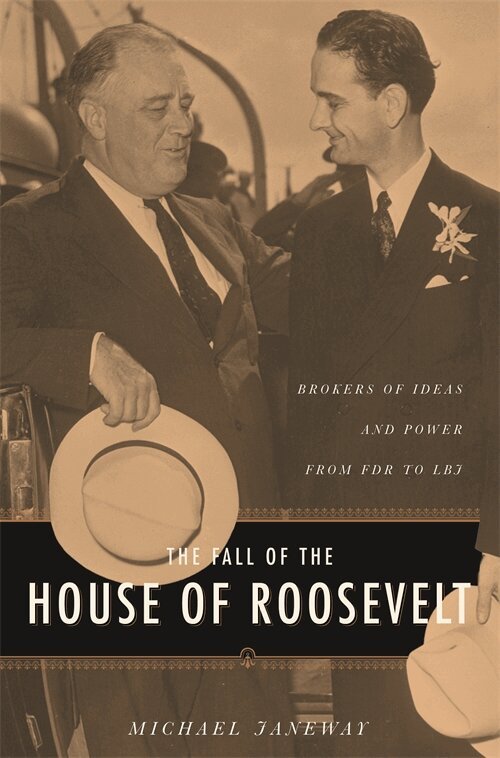
In the 1930s a band of smart and able young men, some still in their twenties, helped Franklin D. Roosevelt transform an American nation in crisis. They were the junior officers of the New Deal. Thomas G. Corcoran, Benjamin V. Cohen, William O. Douglas, Abe Fortas, and James Rowe helped FDR build the modern Democratic Party into a progressive coalition whose command over power and ideas during the next three decades seemed politically invincible. This is the first book about this group of Rooseveltians and their linkage to Lyndon Johnson's Great Society and the Vietnam War debacle. Michael Janeway grew up inside this world. His father, Eliot Janeway, business editor of Time and a star writer for Fortune and Life magazines, was part of this circle, strategizing and practicing politics as well as reporting on these men. Drawing on his intimate knowledge of events and previously unavailable private letters and other documents, Janeway crafts a riveting account of the exercise of power during the New Deal and its aftermath.He shows how these men were at the nexus of reform impulses at the electoral level with reform thinking in the social sciences and the law and explains how this potent fusion helped build the contemporary American state. Since that time efforts to reinvent government by "brains trust" have largely failed in the U.S. In the last quarter of the twentieth century American politics ceased to function as a blend of broad coalition building and reform agenda setting, rooted in a consensus of belief in the efficacy of modern government. Can a progressive coalition of ideas and power come together again? The Fall of the House of Roosevelt makes such a prospect both alluring and daunting.
610 kr
Skickas inom 3-6 vardagar
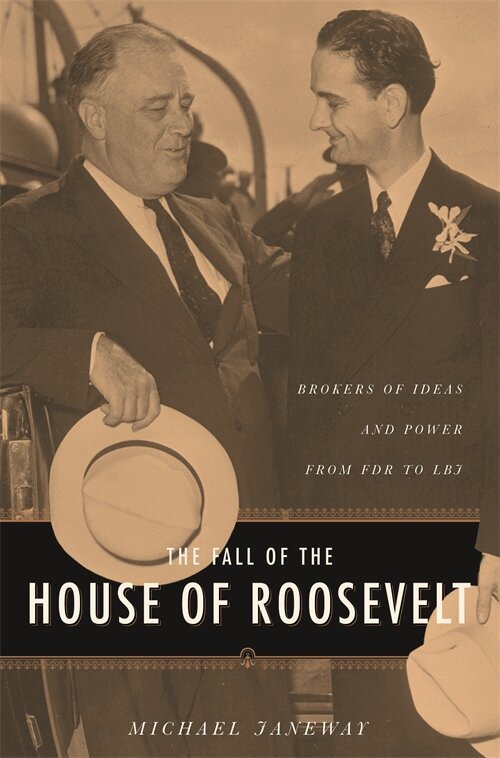
In the 1930s a band of smart and able young men, some still in their twenties, helped Franklin D. Roosevelt transform an American nation in crisis. They were the junior officers of the New Deal. Thomas G. Corcoran, Benjamin V. Cohen, William O. Douglas, Abe Fortas, and James Rowe helped FDR build the modern Democratic Party into a progressive coalition whose command over power and ideas during the next three decades seemed politically invincible. This is the first book about this group of Rooseveltians and their linkage to Lyndon Johnson's Great Society and the Vietnam War debacle. Michael Janeway grew up inside this world. His father, Eliot Janeway, business editor of Time and a star writer for Fortune and Life magazines, was part of this circle, strategizing and practicing politics as well as reporting on these men. Drawing on his intimate knowledge of events and previously unavailable private letters and other documents, Janeway crafts a riveting account of the exercise of power during the New Deal and its aftermath.He shows how these men were at the nexus of reform impulses at the electoral level with reform thinking in the social sciences and the law and explains how this potent fusion helped build the contemporary American state. Since that time efforts to reinvent government by "brains trust" have largely failed in the U.S. In the last quarter of the twentieth century American politics ceased to function as a blend of broad coalition building and reform agenda setting, rooted in a consensus of belief in the efficacy of modern government. Can a progressive coalition of ideas and power come together again? The Fall of the House of Roosevelt makes such a prospect both alluring and daunting.
398 kr
Skickas inom 5-8 vardagar
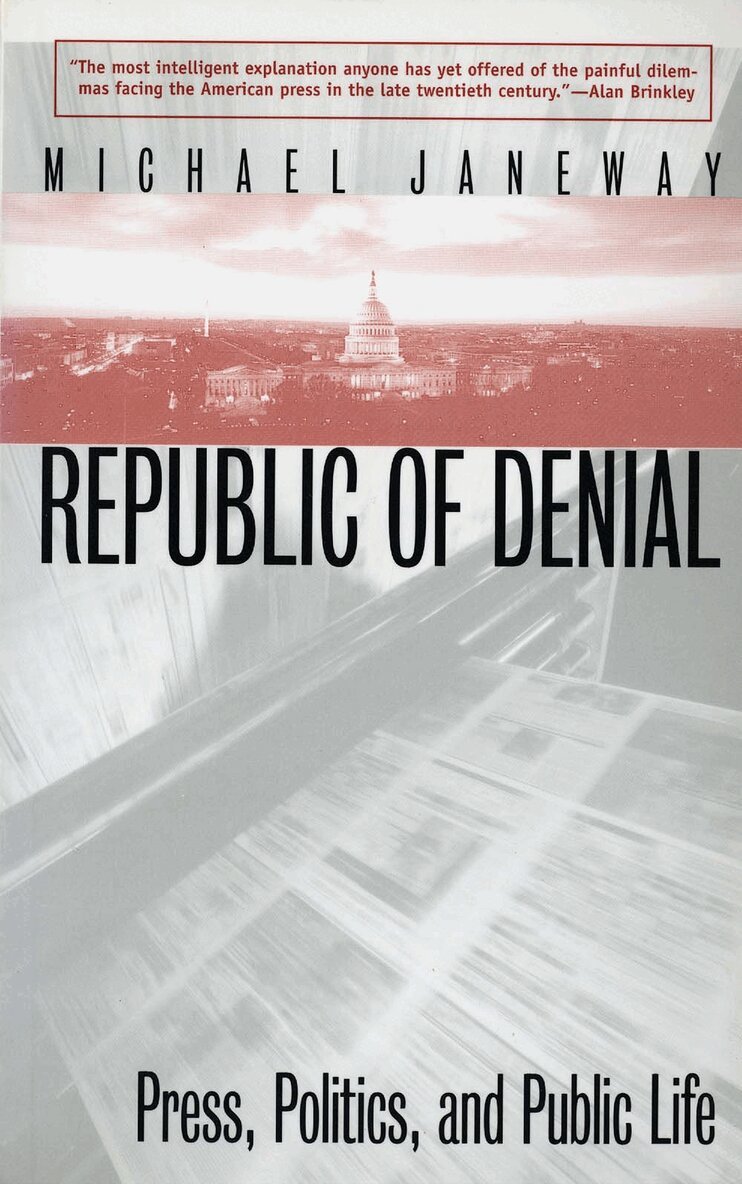
This thought-provoking book offers the most insightful critique of the relationship among the press, politics, and public life in decades. Disdain for politics today in the United States is almost universal. Condemnation of the press is rampant as well. Until we understand the modern condition of politics and journalism—and the cultural context in which they interact—says Michael Janeway, there’s small hope of either recovering its standing. Drawing on years of experience at the top levels of the news business and in politics and government, Janeway provides an integrated, insider’s critique of the profound changes in each of these professional worlds, showing how trends in each have contributed to deepening public alienation.From its confident post-World War Two era of world leadership, the United States entered a difficult period of turbulence and reversals in the 1960s and 1970s. With wit, clarity, and an eye for offbeat cultural indicators, Janeway examines the full complex of forces that have corroded our press, politics, and public life since then. The result, he argues, is a loss of substance and structure in public life as well as citizen connection to it, a vacuum all too easily filled by political entertainers, shallow coverage of “character,” and—engulfing the nation in convulsive crisis for a year of its history—the politics of scandal.None of today’s proposed remedies for the failings of our press or politcal system is adequate, Janeway argues, for none take full account of the integral relationship between the two spheres. In the absence of recognition of its buried democratic crisis, Janeway concludes, the United States has become a “republic of denial.”