Michael Kingsley Brown – författare
Visar alla böcker från författaren Michael Kingsley Brown. Handla med fri frakt och snabb leverans.
5 produkter
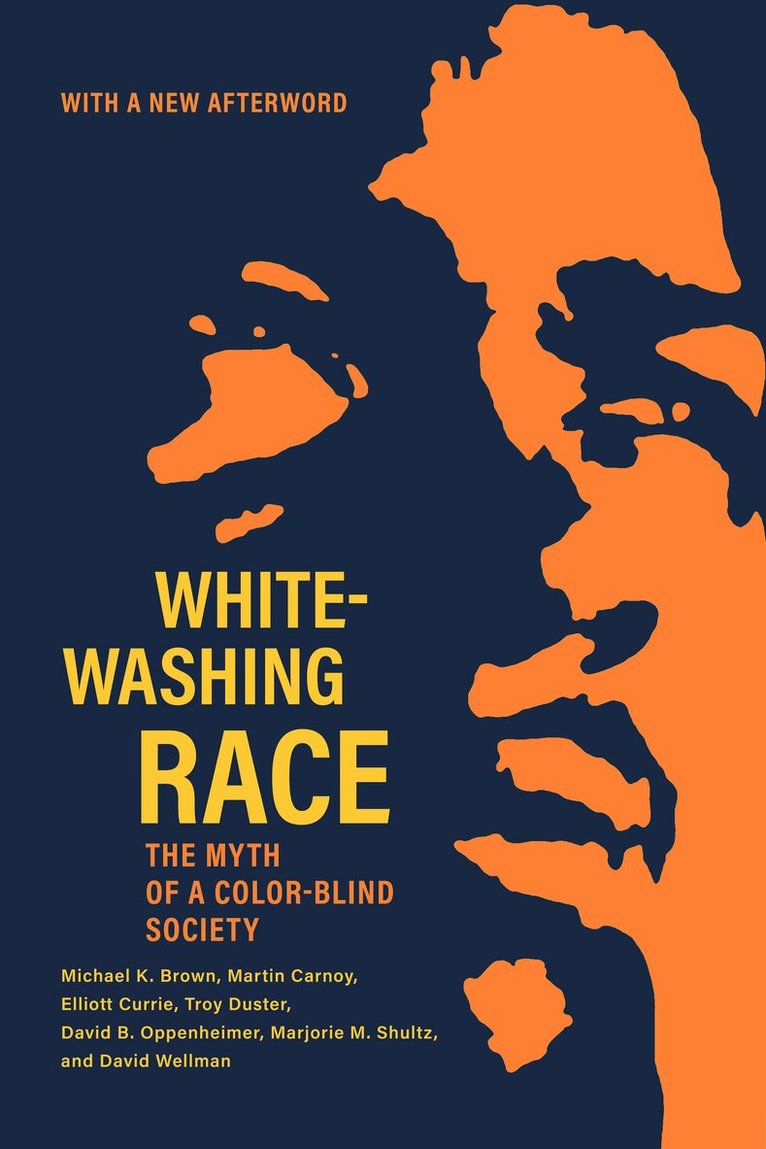
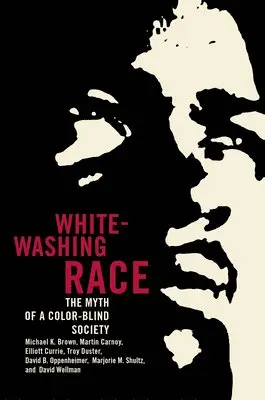
Whitewashing Race
The Myth of a Color-Blind Society
Av Michael Kingsley Brown, Martin Carnoy m. fl.
Häftad, 2023
261 kr
Lägg i varukorg
In an updated new edition of this classic work, a team of highly respected sociologists, political scientists, economists, criminologists, and legal scholars scrutinize the resilience of racial inequality in twenty-first-century America. Whitewashing Race argues that contemporary racism manifests …
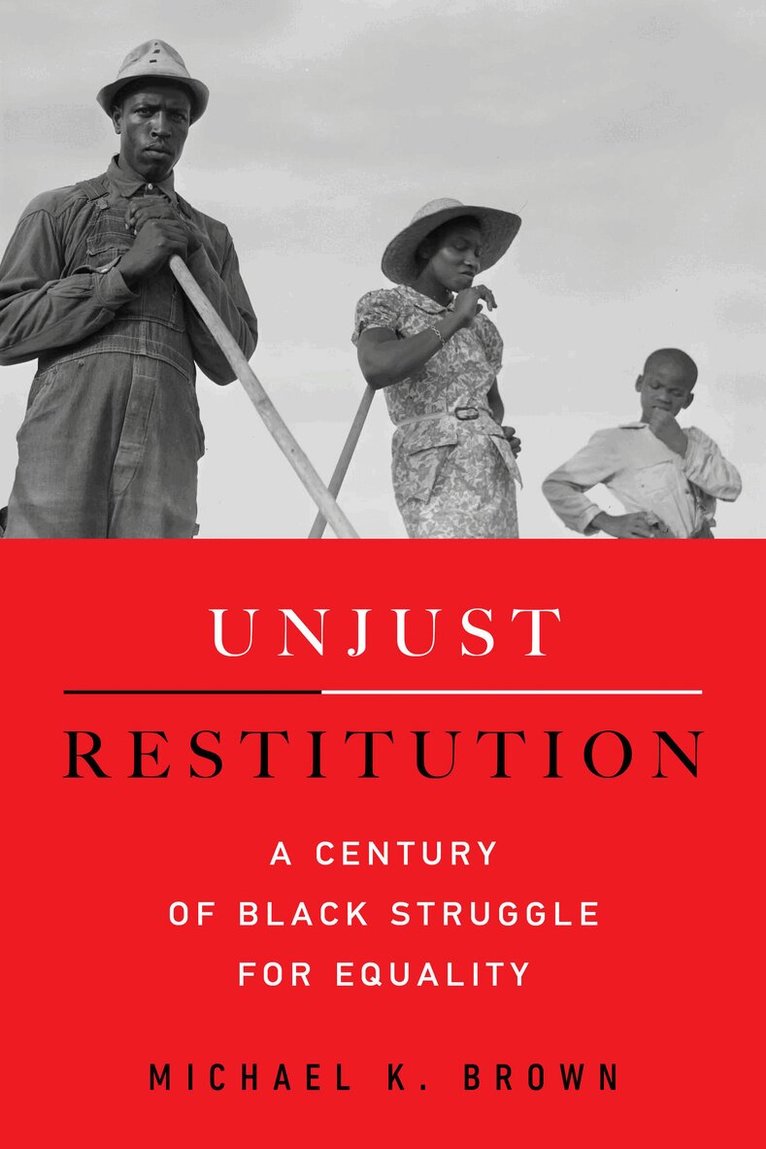
Unjust Restitution
A Century of Black Struggle for Equality
Inbunden, 2025
839 kr
Lägg i varukorg
The question of economic justice for Black Americans continues to be the subject of contentious political debate. Here, Michael K. Brown examines the meaning of racial equality during three transformative periods when economic opportunity appeared to be a real possibility: Reconstruction, the New …
Unjust Restitution
A Century of Black Struggle for Equality
Häftad, 2025
269 kr
Lägg i varukorg
The question of economic justice for Black Americans continues to be the subject of contentious political debate. Here, Michael K. Brown examines the meaning of racial equality during three transformative periods when economic opportunity appeared to be a real possibility: Reconstruction, the New …
Unjust Restitution
A Century of Black Struggle for Equality
E-bok, 2025
433 kr
Lägg i varukorg
The question of economic justice for Black Americans continues to be the subject of contentious political debate. Here, Michael K. Brown examines the meaning of racial equality during three transformative periods when economic opportunity appeared to be a real possibility: Reconstruction, the New …
Whitewashing Race: The Myth of a Color-Blind Society
Av Michael Kingsley Brown, Martin Carnoy
Häftad
281 kr
Tillfälligt slut