Michael L. Blakey – författare
Visar alla böcker från författaren Michael L. Blakey. Handla med fri frakt och snabb leverans.
8 produkter
8 produkter
2 491 kr
Skickas inom 10-15 vardagar
7 458 kr
Skickas inom 10-15 vardagar
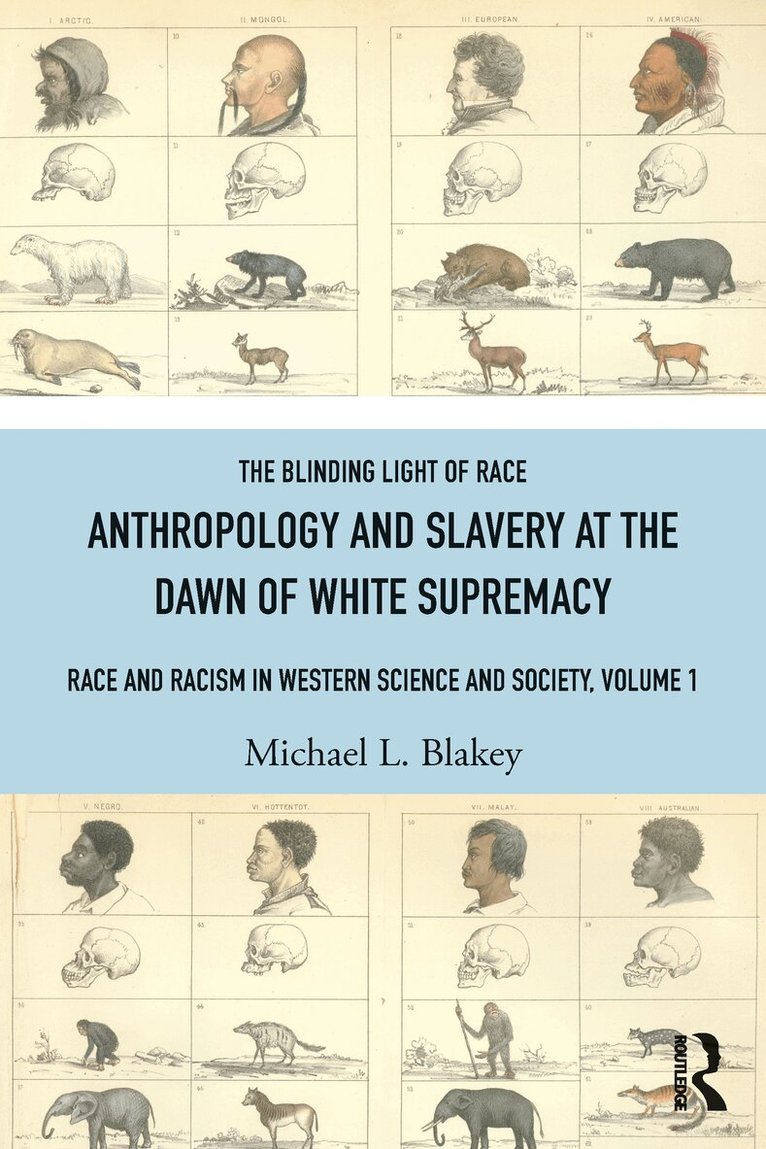
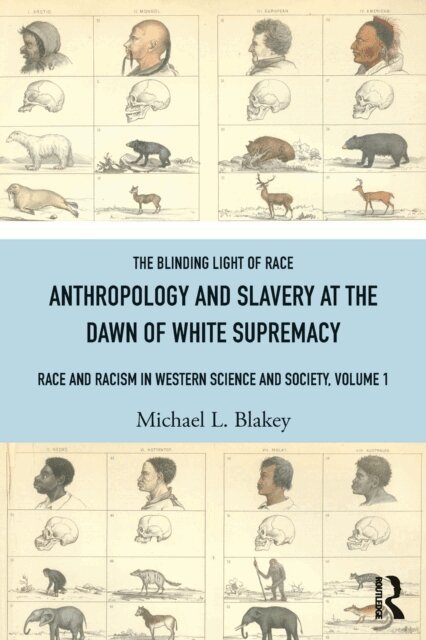
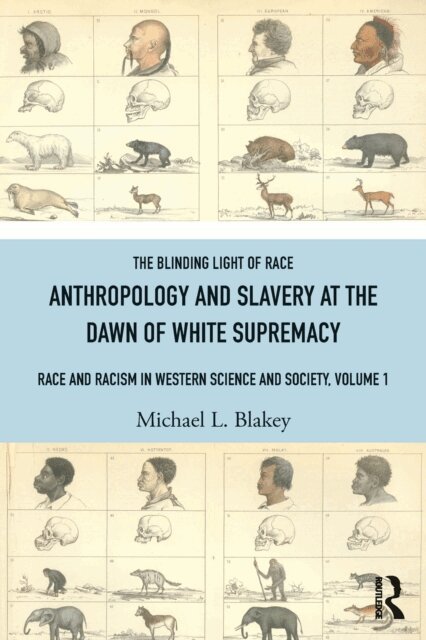
Anthropology and Slavery at the Dawn of White Supremacy
Race and Racism in Western Science and Society, Volume 1
Häftad, Engelska, 2025
686 kr
Skickas inom 10-15 vardagar
This volume examines biological and cultural data that debunk a primordial basis for racism. It tracks the ancient history of all social inequity to agricultural and feudal societies. The book then focuses on social and ideological developments in European societies associated with religious justifications for the enslavement of "others." The European Enlightenment built upon those prejudices with ideas about nature and acceptable natural causes of unequal social status for people newly classified into biological races. Nineteenth‑century anthropology is critiqued by African diasporic scholars who are the first Americans to argue that nurture rather than nature is responsible for human variation. The American Civil War brought slavery nearly to an end, but racist science continued to grow as "eugenics" applied to justify otherwise unjustifiable structures of human inequality (such as Jim Crow segregation) as though they are morally sound. In constructing this historical and sociological counternarrative, the author provides a critical new social history that illuminates a tangled and turgid past for contemporary readers, students, and researchers with vital insights for anthropology, sociology, history, cultural studies, philosophy, and American studies.
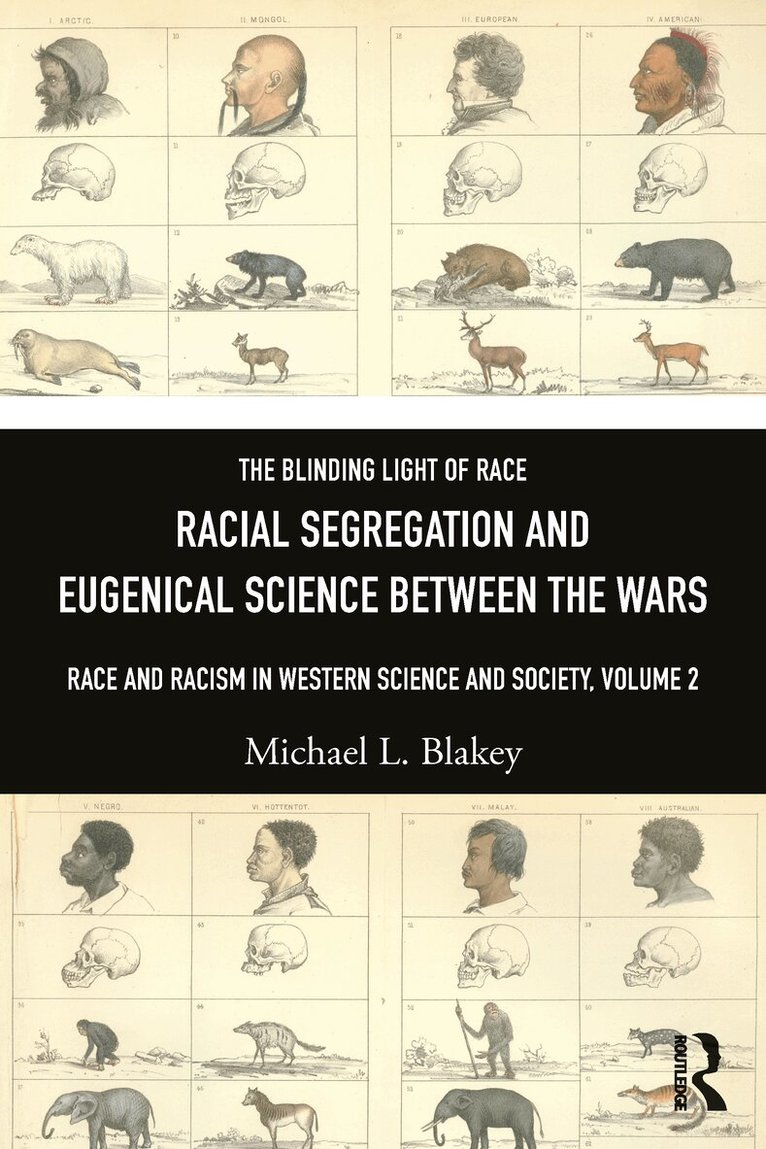
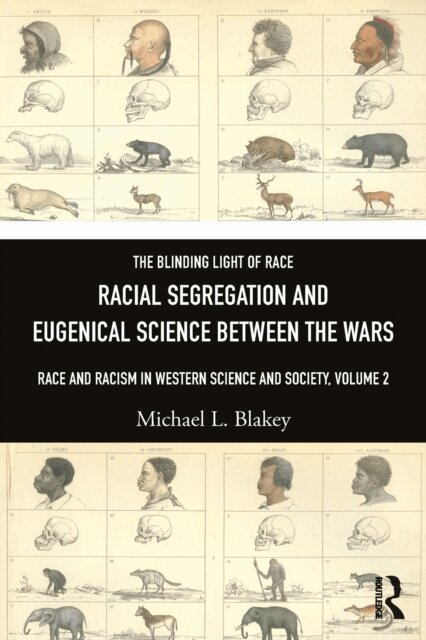
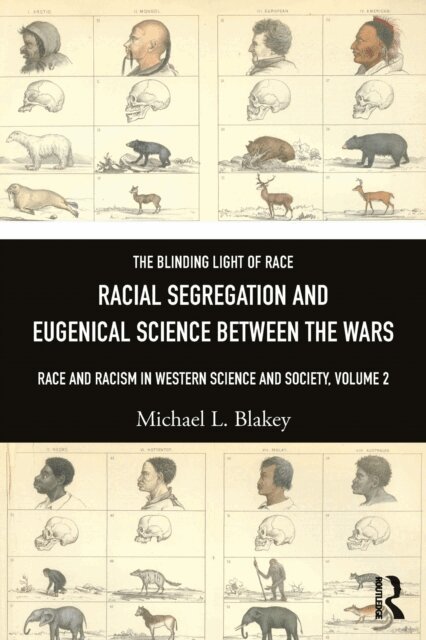
Racial Segregation and Eugenical Science Between the Wars
Race and Racism in Western Science and Society, Volume 2
Häftad, Engelska, 2025
777 kr
Skickas inom 10-15 vardagar
This volume examines the rise and decline of racial science and its relationship to the political and social imposition of Jim Crow in the American South, a racialized code of laws grounded upon an inherently racist and prejudicial pseudoscience. The author argues, here, that the study of human beings within the emerging 18th‑ and 19th‑century institutions of Western science was corrupted by the limited social intuitions of its enslaving, colonizing, and elitist members. Western science and White societies plowed forward in continued ideological adherence to a biodeterministic imagination: to justify slavery, then Jim Crow racial segregation, immigration restriction, and other deadly and exploitative "eugenical" solutions of Social Darwinist thought. The story is further complexified by the countervailing theories and voices of Black and Jewish intellectuals in the social and biocultural sciences in the 19th and 20th centuries such as Frederick Douglass, W.E.B. Du Bois, and Montague Cobb. These had profound consequences not only for the social sciences but also for the cultural life of Black Americans in the aftermath (and afterlife) of slavery. At the same time, even here, the author discloses that the racialized dimensions of social science could not be fully exorcised, as social science continued to construct "soft‑line racism" in that it selectively primitivized darker people and omitted White racism and colonialism from their human story. African American social scientists and historians brought White racism and Black modernity to the fore. Eugenics had begun to paint marginal White people (Jewish and Italian immigrants to the United States) as natural inferiors to "Nordics" or "Aryans" with devastating consequences in World War II Europe. As the War ended, the world community began its turn against racism in science and society. In constructing this historical and sociological counternarrative, the author provides a critical new social history that illuminates a tangled and turgid past for contemporary readers, students, and researchers with vital insights for anthropology, sociology, history, cultural studies, philosophy, and American studies.
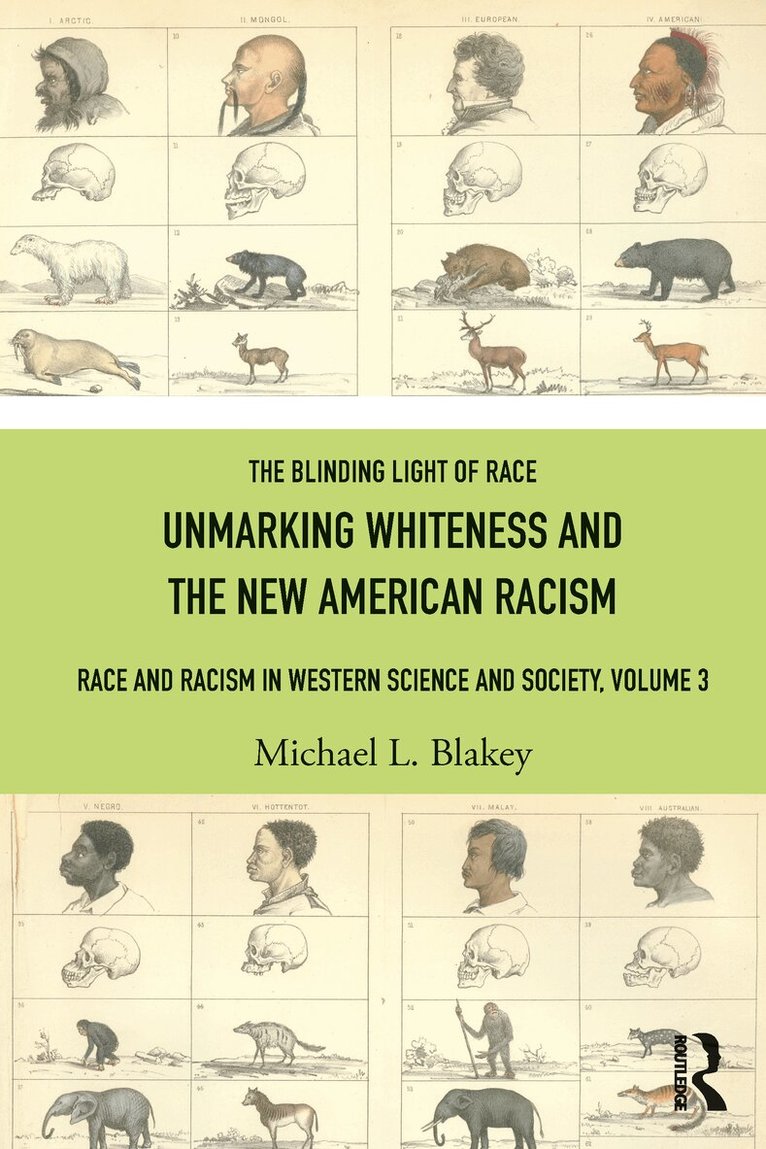
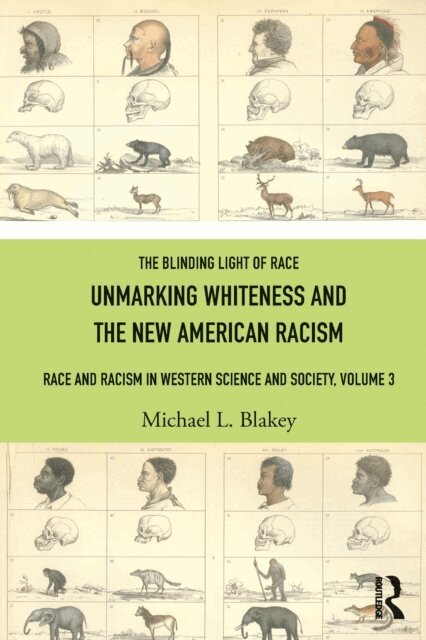
Unmarking Whiteness and the New American Racism
Race and Racism in Western Science and Society, Volume 3
Häftad, Engelska, 2025
686 kr
Skickas inom 10-15 vardagar
This book criticizes recent performative solutions to racism ("diversity" programs at universities, for example) and White people’s "Fragility" or intolerance of mature criticism. These ideas are locked in an intellectually gated and defensive conversation that effectively denies the ongoing, particular abuses of White supremacy. This book instead proposes expensive educational and economic changes (including reparations) as necessary to achieve real equity. Once imputed by the eugenical effects of World War II and the Civil Rights Movement’s opposition to White racism, the word "race" was largely stricken from scientific writing. But biological determinism remained deeply ensconced in an institution of science that assumed the natural world to be determining, making natural science its most authoritative means. Authoritative heritability estimates and genetic correlations, though spurious, continued to imply that obvious racial and class inequalities (including their dire health effects) were natural and acceptable. White people often attempted to "unmark" their racial identity and assumed that of the uniquely normal people as though an act of anti‑racism (Frankenberg shows). On the contrary, it served to deny their skin color privileges while enjoying benefits of ongoing structural racism as the only real, complete human beings in the room. This book uses an ethnology of anthropology to show White people’s equivocal views of "other’s" equality in their formal analyses, museum collections and exhibitions, and treatment of colleagues in recent times. They remained deliberately deaf to critical African diasporic scholarship. Thus, "Unmarking" gives an anthropological analysis of the social history of White supremacy and shows what it is like for some to confront it. In constructing this historical and sociological counternarrative, the author provides a critical new social history that illuminates a tangled and turgid past for contemporary readers, students, and researchers with vital insights for anthropology, sociology, history, cultural studies, philosophy, and American studies.
Anthropology and Slavery at the Dawn of White Supremacy
Race and Racism in Western Science and Society, Volume 1
Inbunden, Engelska, 2025
2 113 kr
Skickas inom 10-15 vardagar
This volume examines biological and cultural data that debunk a primordial basis for racism. It tracks the ancient history of all social inequity to agricultural and feudal societies. The book then focuses on social and ideological developments in European societies associated with religious justifications for the enslavement of "others." The European Enlightenment built upon those prejudices with ideas about nature and acceptable natural causes of unequal social status for people newly classified into biological races. Nineteenth‑century anthropology is critiqued by African diasporic scholars who are the first Americans to argue that nurture rather than nature is responsible for human variation. The American Civil War brought slavery nearly to an end, but racist science continued to grow as "eugenics" applied to justify otherwise unjustifiable structures of human inequality (such as Jim Crow segregation) as though they are morally sound. In constructing this historical and sociological counternarrative, the author provides a critical new social history that illuminates a tangled and turgid past for contemporary readers, students, and researchers with vital insights for anthropology, sociology, history, cultural studies, philosophy, and American studies.
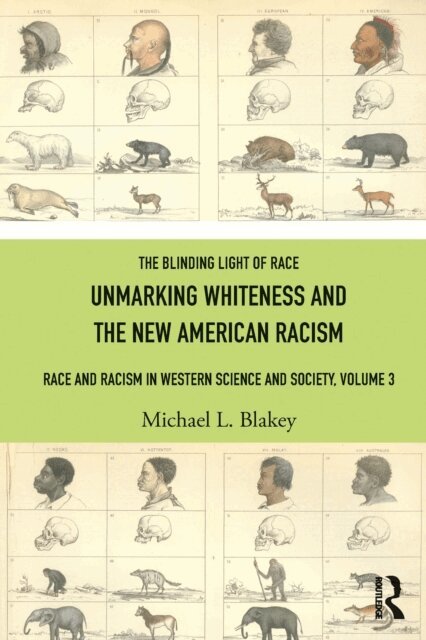
Unmarking Whiteness and the New American Racism
Race and Racism in Western Science and Society, Volume 3
Inbunden, Engelska, 2025
2 113 kr
Skickas inom 10-15 vardagar
This book criticizes recent performative solutions to racism ("diversity" programs at universities, for example) and White people’s "Fragility" or intolerance of mature criticism. These ideas are locked in an intellectually gated and defensive conversation that effectively denies the ongoing, particular abuses of White supremacy. This book instead proposes expensive educational and economic changes (including reparations) as necessary to achieve real equity. Once imputed by the eugenical effects of World War II and the Civil Rights Movement’s opposition to White racism, the word "race" was largely stricken from scientific writing. But biological determinism remained deeply ensconced in an institution of science that assumed the natural world to be determining, making natural science its most authoritative means. Authoritative heritability estimates and genetic correlations, though spurious, continued to imply that obvious racial and class inequalities (including their dire health effects) were natural and acceptable. White people often attempted to "unmark" their racial identity and assumed that of the uniquely normal people as though an act of anti‑racism (Frankenberg shows). On the contrary, it served to deny their skin color privileges while enjoying benefits of ongoing structural racism as the only real, complete human beings in the room. This book uses an ethnology of anthropology to show White people’s equivocal views of "other’s" equality in their formal analyses, museum collections and exhibitions, and treatment of colleagues in recent times. They remained deliberately deaf to critical African diasporic scholarship. Thus, "Unmarking" gives an anthropological analysis of the social history of White supremacy and shows what it is like for some to confront it. In constructing this historical and sociological counternarrative, the author provides a critical new social history that illuminates a tangled and turgid past for contemporary readers, students, and researchers with vital insights for anthropology, sociology, history, cultural studies, philosophy, and American studies.
Racial Segregation and Eugenical Science Between the Wars
Race and Racism in Western Science and Society, Volume 2
Inbunden, Engelska, 2025
2 176 kr
Skickas inom 10-15 vardagar
This volume examines the rise and decline of racial science and its relationship to the political and social imposition of Jim Crow in the American South, a racialized code of laws grounded upon an inherently racist and prejudicial pseudoscience. The author argues, here, that the study of human beings within the emerging 18th‑ and 19th‑century institutions of Western science was corrupted by the limited social intuitions of its enslaving, colonizing, and elitist members. Western science and White societies plowed forward in continued ideological adherence to a biodeterministic imagination: to justify slavery, then Jim Crow racial segregation, immigration restriction, and other deadly and exploitative "eugenical" solutions of Social Darwinist thought. The story is further complexified by the countervailing theories and voices of Black and Jewish intellectuals in the social and biocultural sciences in the 19th and 20th centuries such as Frederick Douglass, W.E.B. Du Bois, and Montague Cobb. These had profound consequences not only for the social sciences but also for the cultural life of Black Americans in the aftermath (and afterlife) of slavery. At the same time, even here, the author discloses that the racialized dimensions of social science could not be fully exorcised, as social science continued to construct "soft‑line racism" in that it selectively primitivized darker people and omitted White racism and colonialism from their human story. African American social scientists and historians brought White racism and Black modernity to the fore. Eugenics had begun to paint marginal White people (Jewish and Italian immigrants to the United States) as natural inferiors to "Nordics" or "Aryans" with devastating consequences in World War II Europe. As the War ended, the world community began its turn against racism in science and society. In constructing this historical and sociological counternarrative, the author provides a critical new social history that illuminates a tangled and turgid past for contemporary readers, students, and researchers with vital insights for anthropology, sociology, history, cultural studies, philosophy, and American studies.