Michael Leroy Oberg - Böcker
Visar alla böcker från författaren Michael Leroy Oberg. Handla med fri frakt och snabb leverans.
10 produkter
10 produkter
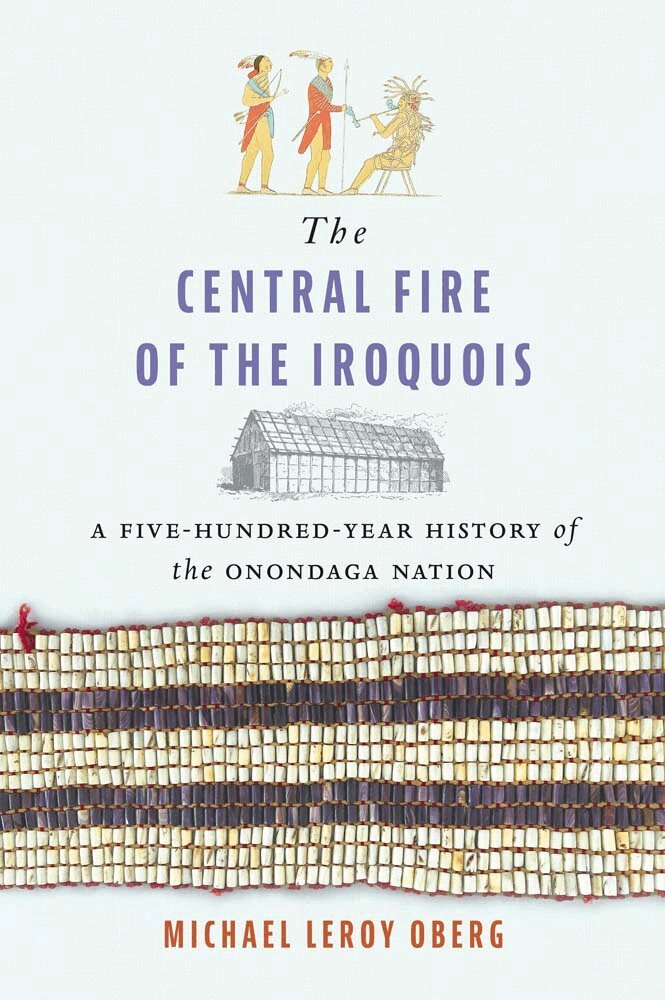
Central Fire of the Iroquois
A Five-Hundred-Year History of the Onondaga Nation
Inbunden, Engelska, 2026
432 kr
Kommande
A comprehensive history of the Native American community at the heart of the HaudenosauneeThe people of the Onondaga Nation have lived in central New York State for hundreds of years. This is the incredible story of their survival and of the Nation’s commitment to their land, rituals, and cultural values. Michael Leroy Oberg traces the Onondaga from their emergence, through the formation of the Iroquois League, and into the present day. Oberg describes how despite military invasions, outbreaks of epidemic disease, efforts to deprive them of their lands and traditional government, and attempts to eradicate their culture, the Onondaga have endured. Indeed, even today, just south of Syracuse, New York, the Central Fire still burns at the center of the Haudenosaunee Longhouse, and the site remains an Indigenous capital.Drawing on meticulous archival work and interviews with members of the Onondaga Nation, this book not only sheds light on the resilience of a vibrant and influential culture but examines the intricate diplomatic politics that shaped the relationship between the Onondaga—and the entire Haudenosaunee Confederacy—and the emerging American states, and how the legacy of these early encounters continues to resonate in the twenty-first century.
Samuel Wiseman's Book Of Record
The Official Account of Bacon's Rebellion in Virginia, 1676-1677
Inbunden, Engelska, 2005
1 610 kr
Skickas inom 5-8 vardagar
In 1676, Nathaniel Bacon led a well-known colonial uprising against the authority of King Charles II, in the person of Virginia's governor Sir William Berkeley. Bacon and other colonists identified as their chief concern Berkeley's non-aggressive policies toward local Native Americans. Bacon's revolt dramatically altered relations between Chesapeake colonists and Native Americans, and also induced late Stuart imperialists to crack down on colonial autonomy. Despite the widely recognized significance of Bacon's Rebellion, the most important documents chronicling this event have been scattered in several archives and repositories, impeding students' access. Michael Leroy Oberg has transcribed, edited, and introduced the official record left by Samuel Wiseman, King Charles II's scribe assigned to this uprising's investigation—making this history widely available for the first time in book form.
Samuel Wiseman's Book Of Record
The Official Account of Bacon's Rebellion in Virginia, 1676-1677
Häftad, Engelska, 2009
695 kr
Skickas inom 10-15 vardagar
In 1676, Nathaniel Bacon led a well-known colonial uprising against the authority of King Charles II, in the person of Virginia's governor Sir William Berkeley. Bacon and other colonists identified as their chief concern Berkeley's non-aggressive policies toward local Native Americans. Bacon's revolt dramatically altered relations between Chesapeake colonists and Native Americans, and also induced late Stuart imperialists to crack down on colonial autonomy. Despite the widely recognized significance of Bacon's Rebellion, the most important documents chronicling this event have been scattered in several archives and repositories, impeding students' access. Michael Leroy Oberg has transcribed, edited, and introduced the official record left by Samuel Wiseman, King Charles II's scribe assigned to this uprising's investigation—making this history widely available for the first time in book form.
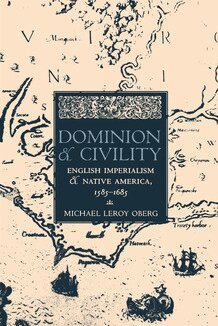
Dominion and Civility
English Imperialism, Native America, and the First American Frontiers, 1585–1685
Inbunden, Engelska, 1999
926 kr
Skickas inom 3-6 vardagar
Was the relationship between English settlers and Native Americans in the New World destined to turn tragic? This book investigates how the newcomers interacted with Algonquian groups in the Chesapeake Bay area and New England, describing the role that original Americans occupied in England's empire during the critical first century of contact. Michael Leroy Oberg considers the history of Anglo-Indian relations in transatlantic context while viewing the frontier as a zone where neither party had the upper hand. He tells how the English pursued three sets of policies in America—securing profit for their sponsors, making lands safe from both European and native enemies, and "civilizing" the Indians—and explains why the British settlers found it impossible to achieve all of these goals. Oberg places the history of Anglo-Indian relations in the early Chesapeake and New England in a broad transatlantic context while drawing parallels with subsequent efforts by England as well as its imperial rivals—the French, Dutch, and Spanish—to plant colonies in America. Dominion and Civility promises to broaden our understanding of the exchange between Europeans and Indians and makes an important contribution to the emerging history of the English Atlantic world.
723 kr
Skickas inom 10-15 vardagar
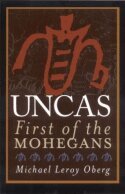
Many know the name Uncas only from James Fenimore Cooper's The Last of the Mohicans, but the historical Uncas flourished as an important leader of the Mohegan people in seventeenth-century Connecticut. In Uncas: First of the Mohegans, Michael Leroy Oberg integrates the life story of an important Native American sachem into the broader story of European settlement in America. The arrival of the English in Connecticut in the 1630s upset the established balance among the region's native groups and brought rapid economic and social change. Oberg argues that Uncas's methodical and sustained strategies for adapting to these changes made him the most influential Native American leader in colonial New England.Emerging from the damage wrought by epidemic disease and English violence, Uncas transformed the Mohegans from a small community along the banks of the Thames River in Connecticut into a regional power in southern New England. Uncas learned quickly how to negotiate between cultures in the conflicts that developed as natives and newcomers, Indians and English, maneuvered for access to and control of frontier resources. With English assistance, Uncas survived numerous assaults and plots hatched by his native rivals.Unique among Indian leaders in early America, Uncas maintained his power over large numbers of tributary and other native communities in the region, lived a long life, and died a peaceful death (without converting to Christianity) in his people's traditional homeland. Oberg finds that although the colonists considered Uncas "a friend to the English," he was first and foremost an assertive guardian of Mohegan interests.
227 kr
Skickas inom 10-15 vardagar
Many know the name Uncas only from James Fenimore Cooper's The Last of the Mohicans, but the historical Uncas flourished as an important leader of the Mohegan people in seventeenth-century Connecticut. In Uncas: First of the Mohegans, Michael Leroy Oberg integrates the life story of an important Native American sachem into the broader story of European settlement in America. The arrival of the English in Connecticut in the 1630s upset the established balance among the region's native groups and brought rapid economic and social change. Oberg argues that Uncas's methodical and sustained strategies for adapting to these changes made him the most influential Native American leader in colonial New England.Emerging from the damage wrought by epidemic disease and English violence, Uncas transformed the Mohegans from a small community along the banks of the Thames River in Connecticut into a regional power in southern New England. Uncas learned quickly how to negotiate between cultures in the conflicts that developed as natives and newcomers, Indians and English, maneuvered for access to and control of frontier resources. With English assistance, Uncas survived numerous assaults and plots hatched by his native rivals.Unique among Indian leaders in early America, Uncas maintained his power over large numbers of tributary and other native communities in the region, lived a long life, and died a peaceful death (without converting to Christianity) in his people's traditional homeland. Oberg finds that although the colonists considered Uncas "a friend to the English," he was first and foremost an assertive guardian of Mohegan interests.
Dominion and Civility
English Imperialism, Native America, and the First American Frontiers, 1585–1685
Häftad, Engelska, 2003
338 kr
Skickas inom 10-15 vardagar
Was the relationship between English settlers and Native Americans in the New World destined to turn tragic? This book investigates how the newcomers interacted with Algonquian groups in the Chesapeake Bay area and New England, describing the role that original Americans occupied in England's empire during the critical first century of contact. Michael Leroy Oberg considers the history of Anglo-Indian relations in transatlantic context while viewing the frontier as a zone where neither party had the upper hand. He tells how the English pursued three sets of policies in America—securing profit for their sponsors, making lands safe from both European and native enemies, and "civilizing" the Indians—and explains why the British settlers found it impossible to achieve all of these goals. Oberg places the history of Anglo-Indian relations in the early Chesapeake and New England in a broad transatlantic context while drawing parallels with subsequent efforts by England as well as its imperial rivals—the French, Dutch, and Spanish—to plant colonies in America. Dominion and Civility promises to broaden our understanding of the exchange between Europeans and Indians and makes an important contribution to the emerging history of the English Atlantic world.
324 kr
Skickas inom 10-15 vardagar
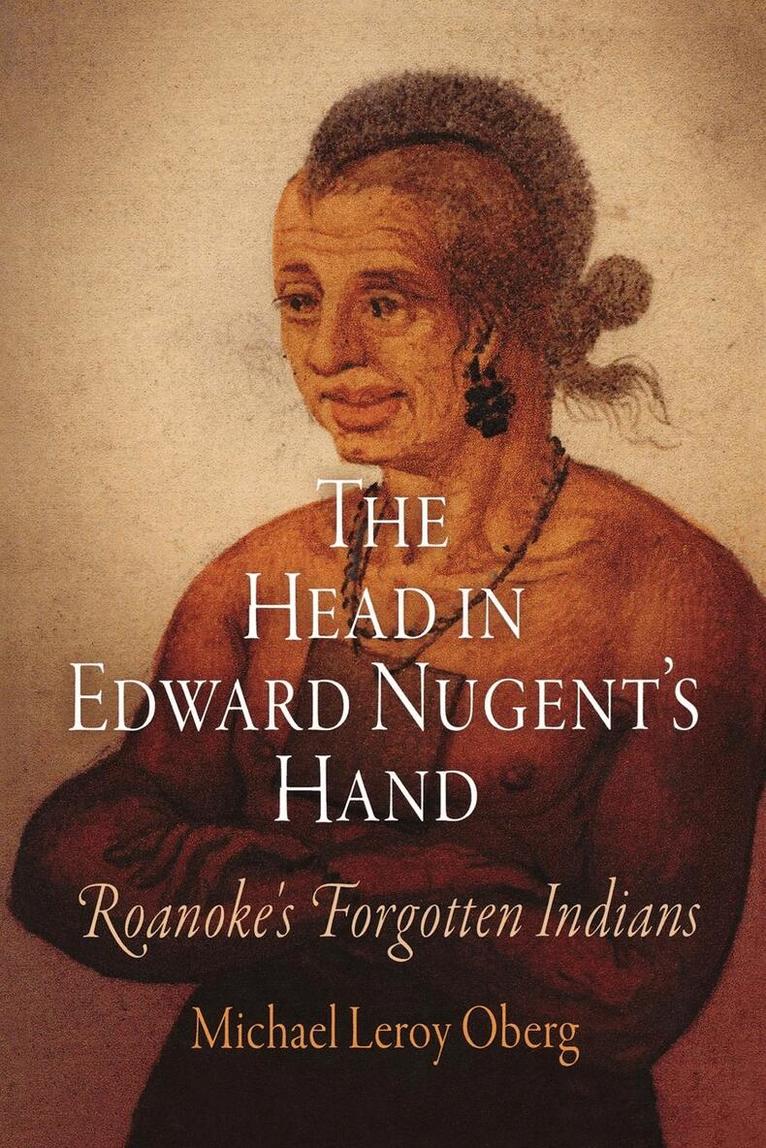
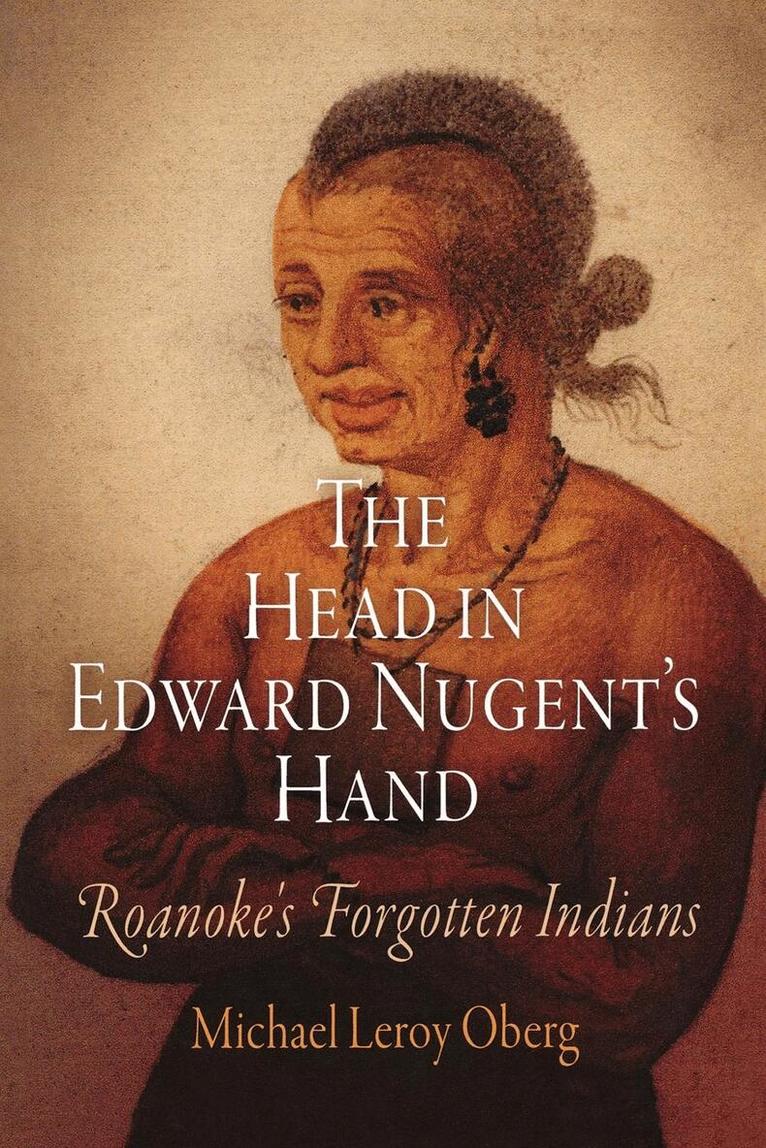
Roanoke is part of the lore of early America, the colony that disappeared. Many Americans know of Sir Walter Ralegh's ill-fated expedition, but few know about the Algonquian peoples who were the island's inhabitants. The Head in Edward Nugent's Hand examines Ralegh's plan to create an English empire in the New World but also the attempts of native peoples to make sense of the newcomers who threatened to transform their world in frightening ways.Beginning his narrative well before Ralegh's arrival, Michael Leroy Oberg looks closely at the Indians who first encountered the colonists. The English intruded into a well-established Native American world at Roanoke, led by Wingina, the weroance, or leader, of the Algonquian peoples on the island. Oberg also pays close attention to how the weroance and his people understood the arrival of the English: we watch as Wingina's brother first boards Ralegh's ship, and we listen in as Wingina receives the report of its arrival. Driving the narrative is the leader's ultimate fate: Wingina is decapitated by one of Ralegh's men in the summer of 1586.When the story of Roanoke is recast in an effort to understand how and why an Algonquian weroance was murdered, and with what consequences, we arrive at a more nuanced and sophisticated understanding of what happened during this, the dawn of English settlement in America.
518 kr
Skickas inom 10-15 vardagar
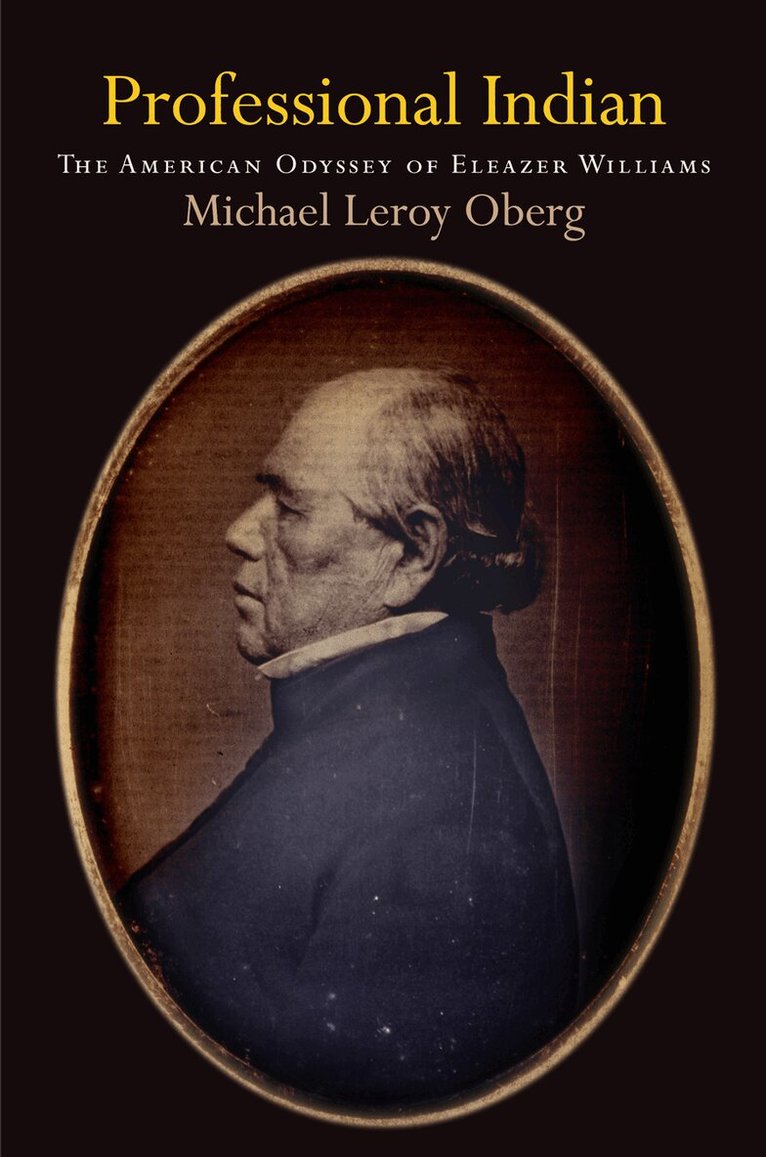
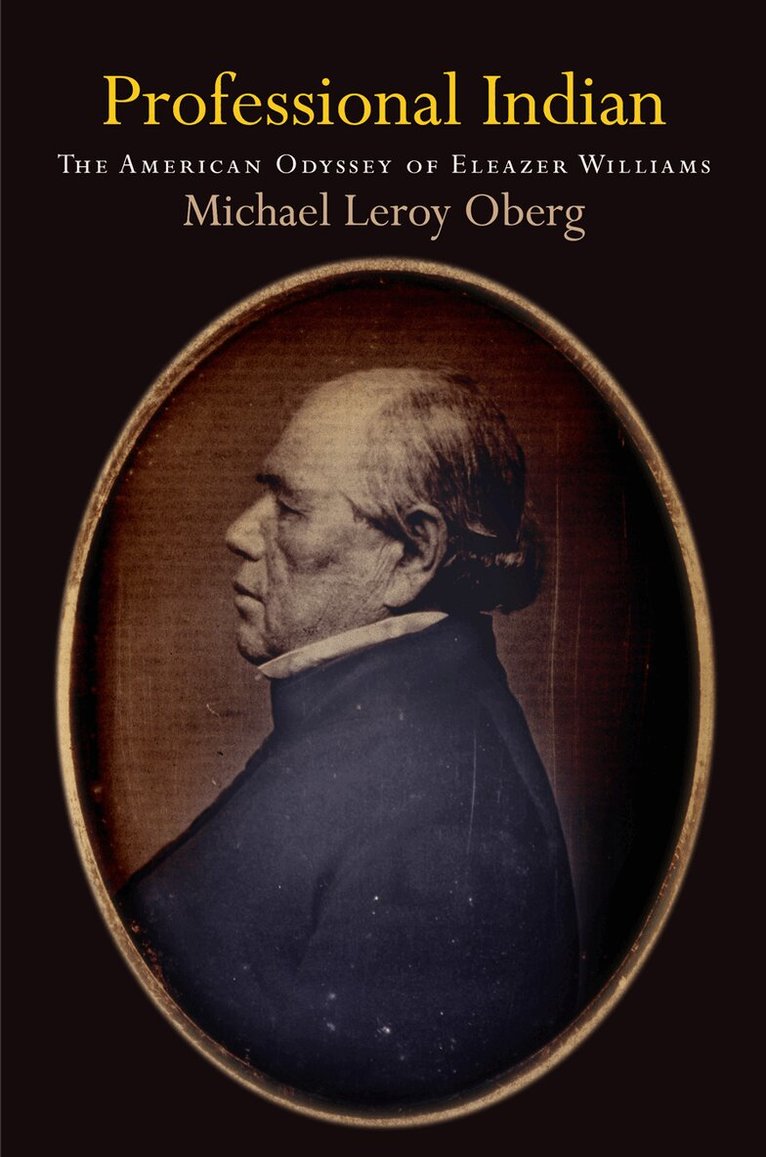
Born in 1788, Eleazer Williams was raised in the Catholic Iroquois settlement of Kahnawake along the St. Lawrence River. According to some sources, he was the descendant of a Puritan minister whose daughter was taken by French and Mohawk raiders; in other tales he was the Lost Dauphin, second son to Louis XVI of France. Williams achieved regional renown as a missionary to the Oneida Indians in central New York; he was also instrumental in their removal, allying with white federal officials and the Ogden Land Company to persuade Oneidas to relocate to Wisconsin. Williams accompanied them himself, making plans to minister to the transplanted Oneidas, but he left the community and his young family for long stretches of time. A fabulist and sometime confidence man, Eleazer Williams is notoriously difficult to comprehend: his own record is complicated with stories he created for different audiences. But for author Michael Leroy Oberg, he is an icon of the self-fashioning and protean identity practiced by native peoples who lived or worked close to the centers of Anglo-American power.Professional Indian follows Eleazer Williams on this odyssey across the early American republic and through the shifting spheres of the Iroquois in an era of dispossession. Oberg describes Williams as a "professional Indian," who cultivated many political interests and personas in order to survive during a time of shrinking options for native peoples. He was not alone: as Oberg shows, many Indians became missionaries and settlers and played a vital role in westward expansion. Through the larger-than-life biography of Eleazer Williams, Professional Indian uncovers how Indians fought for place and agency in a world that was rapidly trying to erase them.
600 kr
Skickas inom 7-10 vardagar
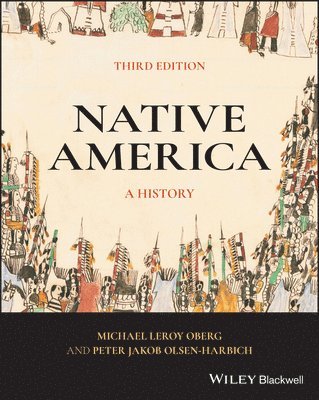
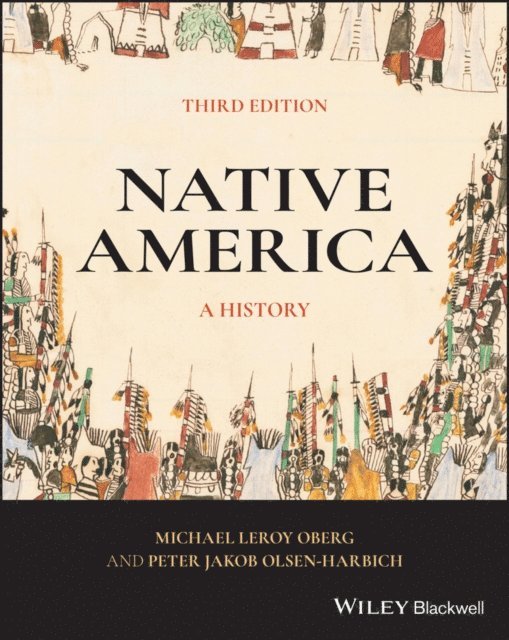
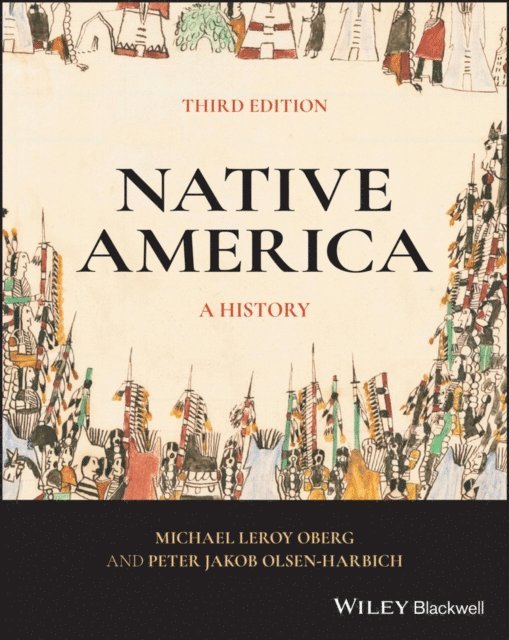
The latest edition of an accessible and comprehensive survey of Native America In this newly revised third edition of Native America: A History, Michael Leroy Oberg and Peter Jakob Olsen-Harbich deliver a thoroughly updated, incisive narrative history of North America’s Indigenous peoples. The authors aim to provide readers with an overview of the principal themes and developments in Native American history, from the first peopling of the continent to the present, by following twelve Native communities whose histories serve as exemplars for the common experiences of North America’s diverse Indigenous nations. This textbook centers the history of Native America and presents it as flowing through channels distinct from those of the United States. This is a history of nations not merely acted upon, but rather of those that have responded to, resisted, ignored, and shaped the efforts of foreign powers to control their story. This new edition has been comprehensively updated in all its chapters and expanded with wider coverage of the most significant recent events and trends in Native America through the first two decades of the twenty-first century. Native America: A History, Third Edition also includes: A survey of pre-Columbian North American traditions and the various ways in which these traditions were deployed to comprehend and respond to the arrival of Europeans.In-depth examinations of how Native nations navigated the challenges of colonialism and fought to survive while marginalized behind the frontiers of European empires and the United States.Nuanced analyses of how Indigenous peoples balanced the economic benefits offered by assimilation with the cultural and political imperatives of maintaining traditions and sovereignty.An accessible presentation of American tribal law and the strategies used by Native nations to establish government-to-government relationships with the United States despite the repeated failures of that state to honor its legal commitments.Perfect for undergraduate and graduate students seeking a broad historical treatment of Indigenous peoples in the United States, Native America: A History, Third Edition will earn a place in the libraries of anyone with an interest in seeking an authoritative and engaging survey of Native American history.