Michael Leslie - Böcker
Visar alla böcker från författaren Michael Leslie. Handla med fri frakt och snabb leverans.
6 produkter
6 produkter
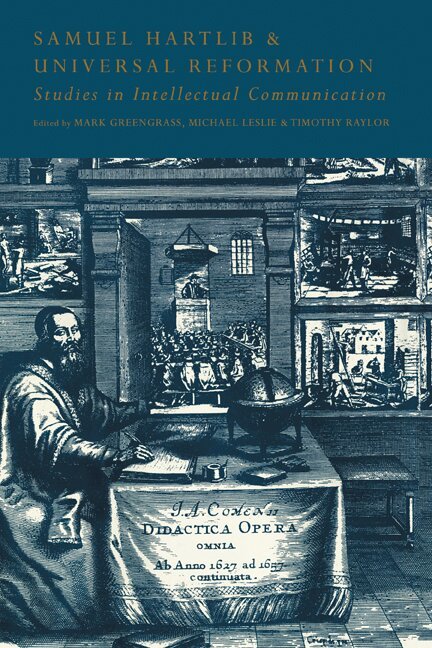
Samuel Hartlib and Universal Reformation
Studies in Intellectual Communication
Inbunden, Engelska, 1994
1 442 kr
Skickas inom 7-10 vardagar
Samuel Hartlib was a key figure in the intellectual revolution of the seventeenth century. Originally from Elbing, in Prussig, Hartlib settled permanently in England from the late 1620s until his death in 1662. His aspirations formed a distinctive and influential strand in English intellectual life during those revolutionary decades. This volume reflects the variety of the theoretical and practical interests of Hartlib's circle and presents them in their continental context. The editors of the volume are all attached to the Hartlib Papers Project at the University of Sheffield, a major collaborative research effort to exploit the largely untapped resources of the surviving Hartlib manuscripts. In an introduction to the volume they explore the background to the Hartlib circle and provide the context in which the essays should be read.
626 kr
Skickas inom 7-10 vardagar
Samuel Hartlib was a key figure in the intellectual revolution of the seventeenth century. Originally from Elbing, in Prussig, Hartlib settled permanently in England from the late 1620s until his death in 1662. His aspirations formed a distinctive and influential strand in English intellectual life during those revolutionary decades. This volume reflects the variety of the theoretical and practical interests of Hartlib's circle and presents them in their continental context. The editors of the volume are all attached to the Hartlib Papers Project at the University of Sheffield, a major collaborative research effort to exploit the largely untapped resources of the surviving Hartlib manuscripts. In an introduction to the volume they explore the background to the Hartlib circle and provide the context in which the essays should be read.
1 115 kr
Tillfälligt slut
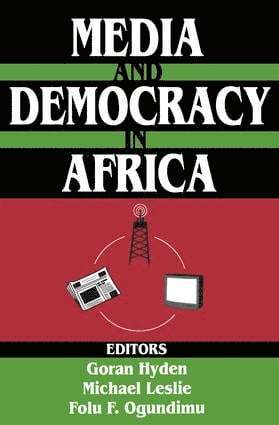
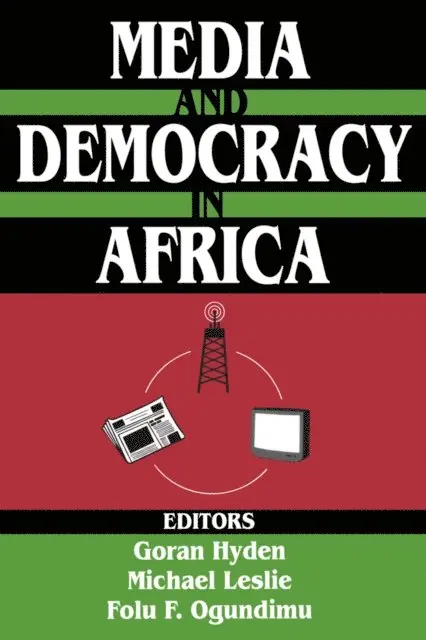
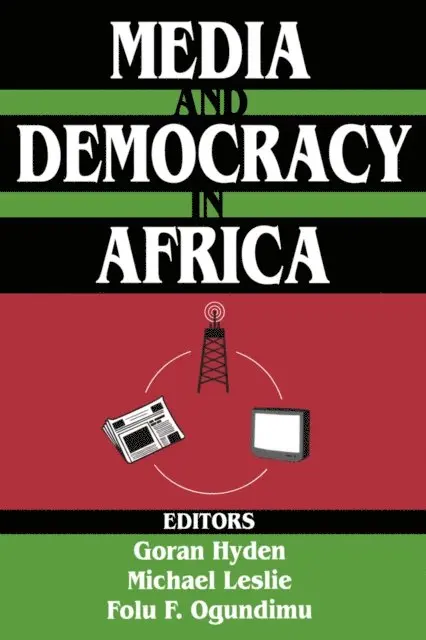
Recent discussion of democratization in Africa has focused primarily on the reform of formal state institutions: the public service, the judiciary, and the legislature. Similarly, both scholars and activists have shown interest in how associational life-and with it a civil society-might be enhanced in the countries of the African continent. Much less concern, however, has been directed to the communications media, although they form a vital part of this process. Media and Democracy in Africa provides the first comprehensive and up-to-date assessment of the role of the media in political change in sub-Saharan Africa.The central argument of the volume is that while the media may still be relatively weak compared to their positions in liberal democracies, they have come to play a much more important role than ever before since independence. Although they have not yet demonstrated sufficient effectiveness as public watchdogs and agenda setters, they have succeeded in creating new communicative spaces for people who have previously been intimidated or silent. Building on this the contributors argue that a different conceptualization of democratization than the mainstream currently uses may be necessary to capture the process in Africa where it is characterized by contestation rather than consolidation.This volume shows that the media scene in Africa is diverse. It stretches from the well-developed and technologically advanced situation in South Africa to the still fledgling media operations that are typical in sub-Saharan Africa. In these countries, print media as well as television and radio are just beginning to take their place in society and do so using simple and often outdated technology. The volume also examines how these growing outlets are supplemented by informal media, the so-called radio trottoir, or rumor mill whereby the autocratic and bureaucratic direction of public affairs are subject to private speculation and analysis.Media and Democracy in Africa is organized to provide a historical perspective on the evolution of the African media, placing the present in the context of the past, including both colonial and post-colonial experiences. It will be of interest to Africa area specialists, students of media and communications, political scientists and sociologists.
701 kr
Skickas inom 10-15 vardagar
Recent discussion of democratization in Africa has focused primarily on the reform of formal state institutions: the public service, the judiciary, and the legislature. Similarly, both scholars and activists have shown interest in how associational life-and with it a civil society-might be enhanced in the countries of the African continent. Much less concern, however, has been directed to the communications media, although they form a vital part of this process. Media and Democracy in Africa provides the first comprehensive and up-to-date assessment of the role of the media in political change in sub-Saharan Africa.The central argument of the volume is that while the media may still be relatively weak compared to their positions in liberal democracies, they have come to play a much more important role than ever before since independence. Although they have not yet demonstrated sufficient effectiveness as public watchdogs and agenda setters, they have succeeded in creating new communicative spaces for people who have previously been intimidated or silent. Building on this the contributors argue that a different conceptualization of democratization than the mainstream currently uses may be necessary to capture the process in Africa where it is characterized by contestation rather than consolidation.This volume shows that the media scene in Africa is diverse. It stretches from the well-developed and technologically advanced situation in South Africa to the still fledgling media operations that are typical in sub-Saharan Africa. In these countries, print media as well as television and radio are just beginning to take their place in society and do so using simple and often outdated technology. The volume also examines how these growing outlets are supplemented by informal media, the so-called radio trottoir, or rumor mill whereby the autocratic and bureaucratic direction of public affairs are subject to private speculation and analysis.Media and Democracy in Africa is organized to provide a historical perspective on the evolution of the African media, placing the present in the context of the past, including both colonial and post-colonial experiences. It will be of interest to Africa area specialists, students of media and communications, political scientists and sociologists.
1 520 kr
Skickas inom 10-15 vardagar
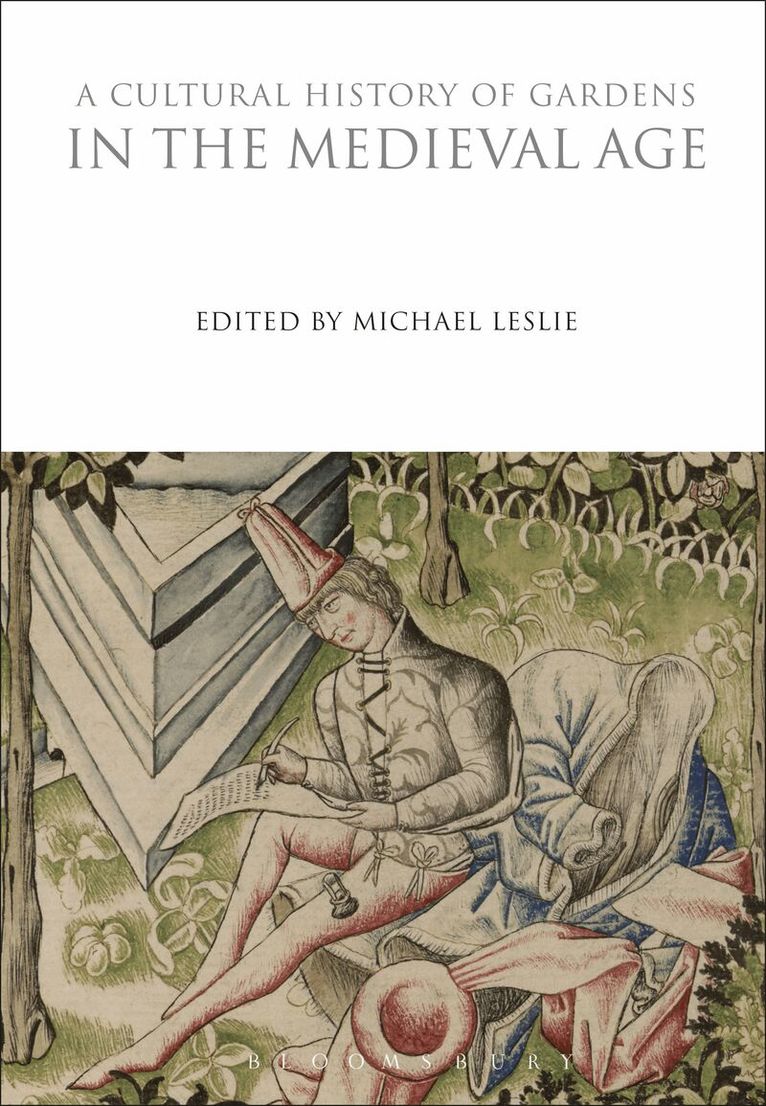
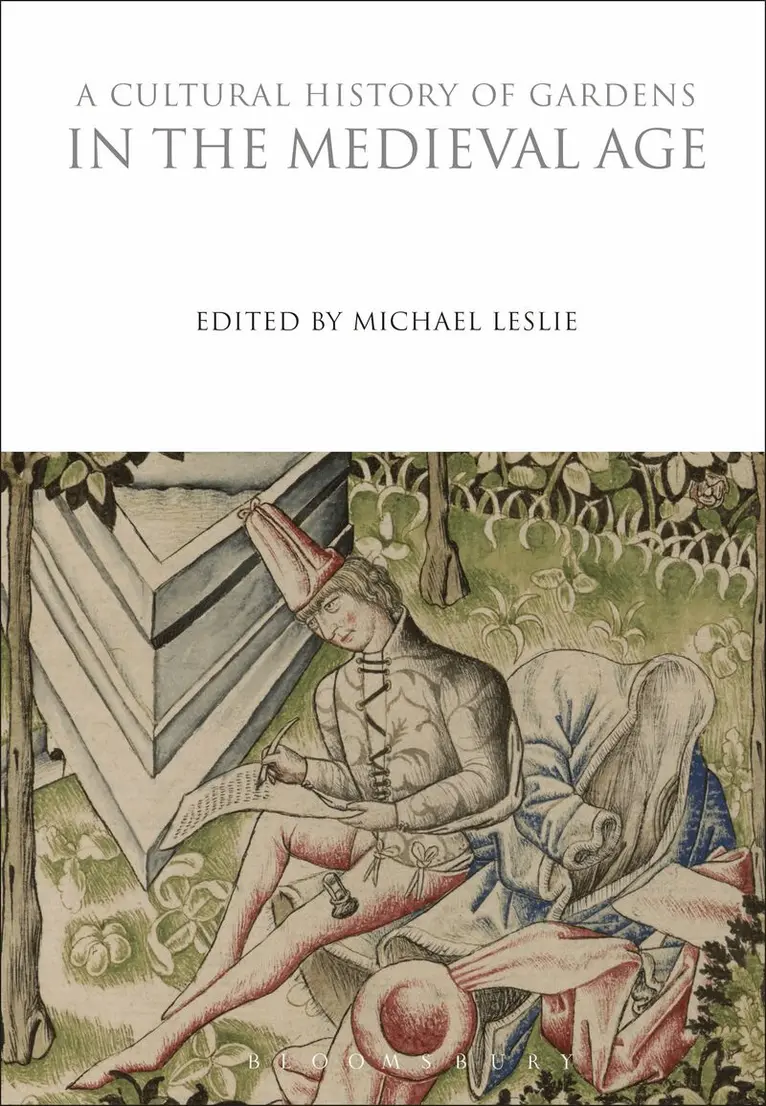
The Middle Ages was a time of great upheaval - the period between the seventh and fourteenth centuries saw great social, political and economic change. The radically distinct cultures of the Christian West, Byzantium, Persian-influenced Islam, and al-Andalus resulted in different responses to the garden arts of antiquity and different attitudes to the natural world and its artful manipulation. Yet these cultures interacted and communicated, trading plants, myths and texts. By the fifteenth century the garden as a cultural phenomenon was immensely sophisticated and a vital element in the way society saw itself and its relation to nature. A Cultural History of Gardens in the Medieval Age presents an overview of the period with essays on issues of design, types of gardens, planting, use and reception, issues of meaning, verbal and visual representation of gardens, and the relationship of gardens to the larger landscape.
447 kr
Skickas inom 10-15 vardagar
The Middle Ages was a time of great upheaval - the period between the seventh and fourteenth centuries saw great social, political and economic change. The radically distinct cultures of the Christian West, Byzantium, Persian-influenced Islam, and al-Andalus resulted in different responses to the garden arts of antiquity and different attitudes to the natural world and its artful manipulation. Yet these cultures interacted and communicated, trading plants, myths and texts. By the fifteenth century the garden as a cultural phenomenon was immensely sophisticated and a vital element in the way society saw itself and its relation to nature. A Cultural History of Gardens in the Medieval Age presents an overview of the period with essays on issues of design, types of gardens, planting, use and reception, issues of meaning, verbal and visual representation of gardens, and the relationship of gardens to the larger landscape.