Michael McClellan – författare
Visar alla böcker från författaren Michael McClellan. Handla med fri frakt och snabb leverans.
7 produkter
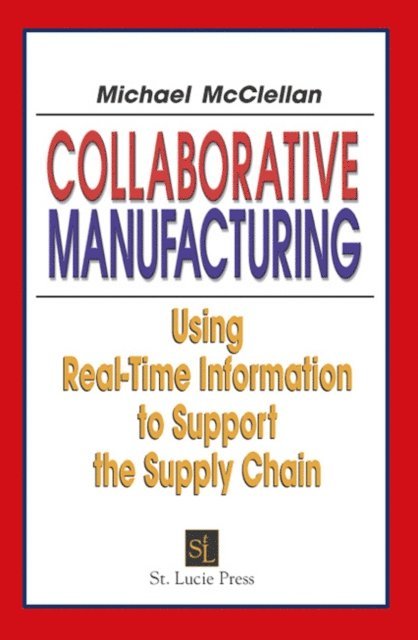
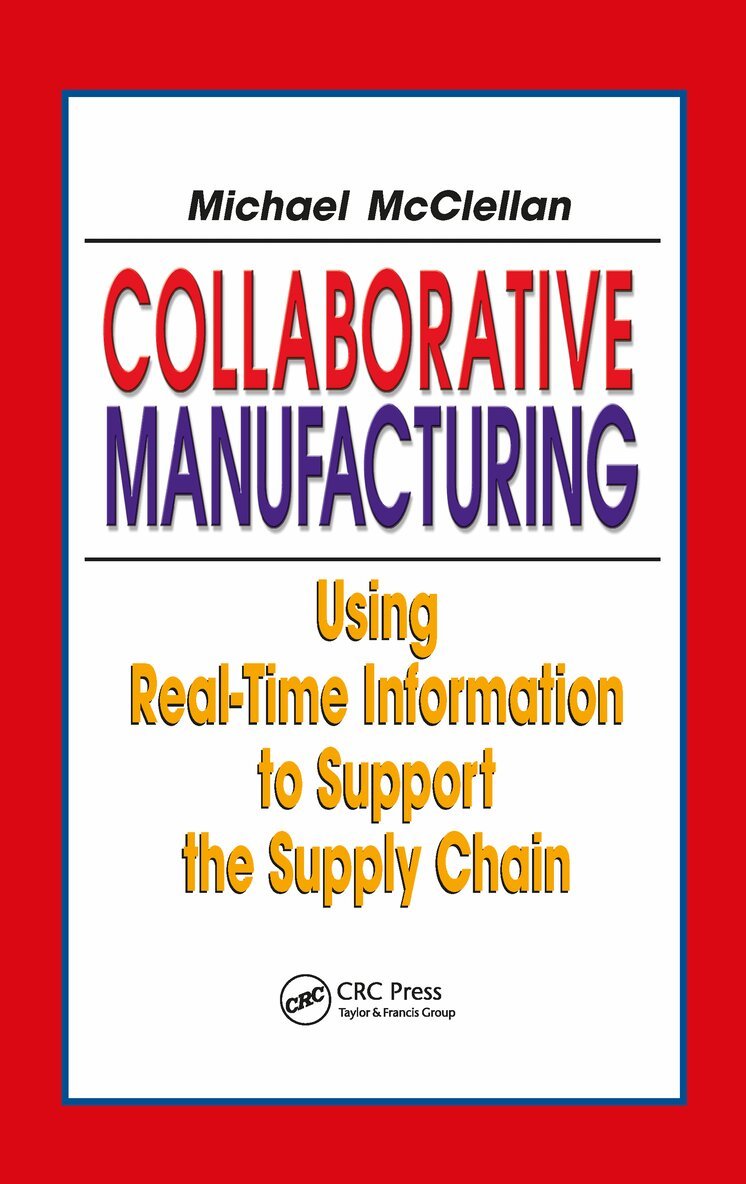
Collaborative Manufacturing
Using Real-Time Information to Support the Supply Chain
E-bok, 2002
2078 kr
Lägg i varukorg
Collaborative manufacturing is an interactive process with great potential, but without the direct input of the plant floor systems information, a significant piece of the management process is not available for consideration. Collaborative Manufacturing provides guidance and examples of how and …
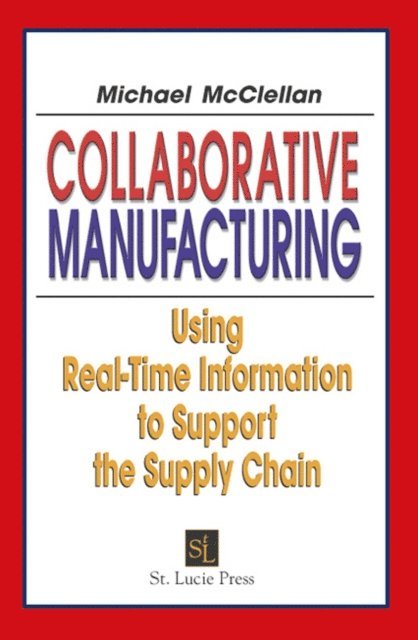
Collaborative Manufacturing
Using Real-Time Information to Support the Supply Chain
E-bok, 2002
2078 kr
Lägg i varukorg
Collaborative manufacturing is an interactive process with great potential, but without the direct input of the plant floor systems information, a significant piece of the management process is not available for consideration. Collaborative Manufacturing provides guidance and examples of how and …
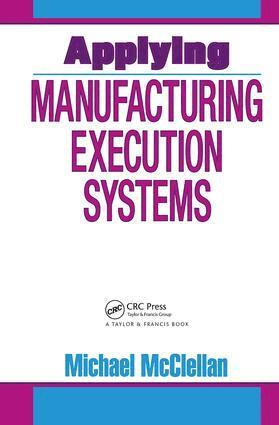
Applying Manufacturing Execution Systems
Inbunden, 1997
1572 kr
Lägg i varukorg
Computer systems have become an integral part of most companies. The newest of these is Manufacturing Execution Systems (MES), a technology that provides on-line application software that companies rely on to manage their manufacturing processes. Applying Manufacturing Execution Systems is the book …
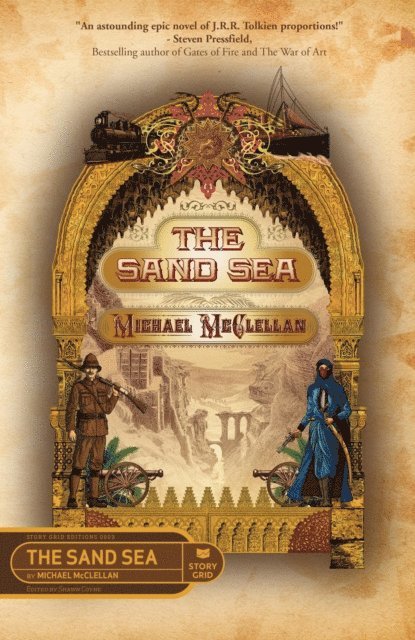
Sand Sea
Av Michael McClellan, Shawn Coyne
E-bok, 2020
151 kr
Lägg i varukorg
"An astounding epic novel of J.R.R. Tolkien proportions!" - Steven Pressfield, Bestselling author of Gates of Fire and The War of Art Raiders of the Lost Ark playing A Game of Thrones The Sand Sea takes place on an alternative Earth roiled by war and conquest that mirrors our own Gilded Age. The …
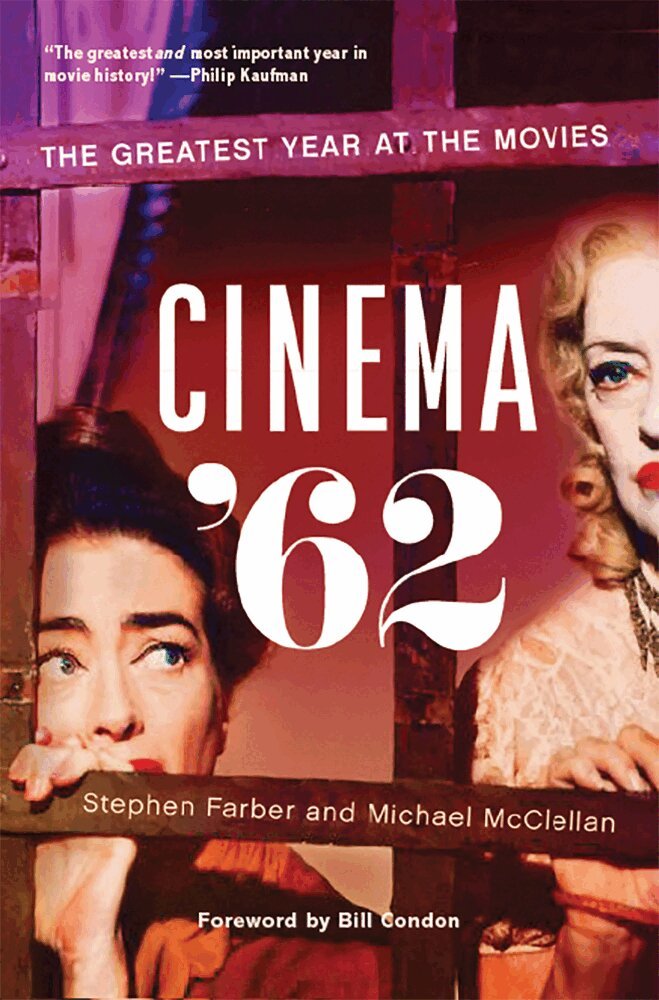
Cinema '62
The Greatest Year at the Movies
Av Stephen Farber, Michael McClellan
Inbunden, 2020
484 kr
Lägg i varukorg
Lawrence of Arabia, The Miracle Worker, To Kill a Mockingbird, The Manchurian Candidate, Gypsy, Sweet Bird of Youth, The Longest Day, The Music Man, What Ever Happened to Baby Jane, and more.Most conventional film histories dismiss the early 1960s as a pallid era, a downtime between the heights of …
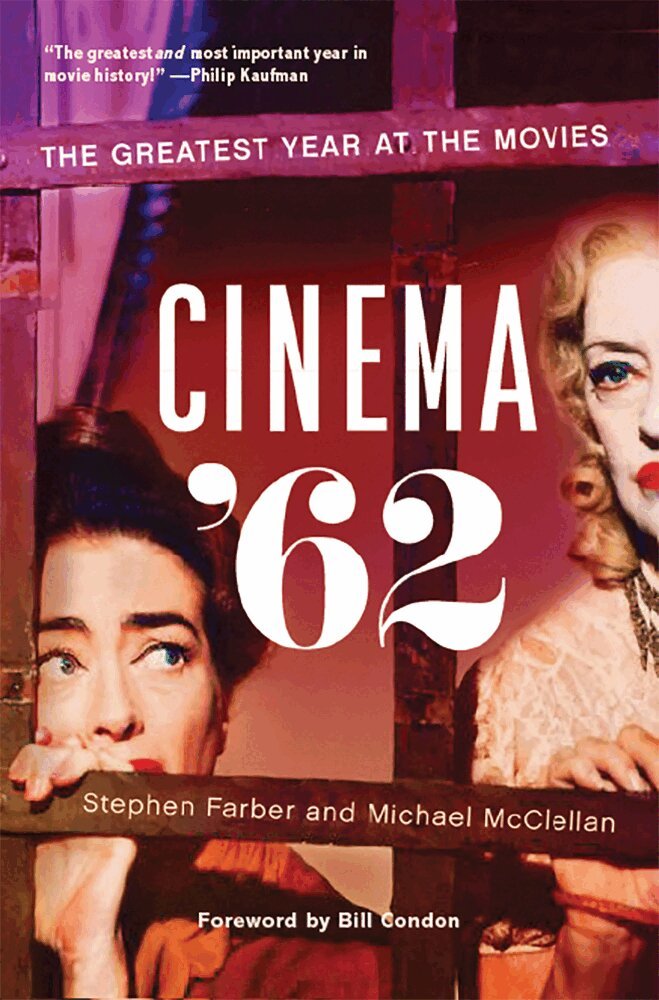
Cinema '62
The Greatest Year at the Movies
Av Stephen Farber, Michael McClellan
Häftad, 2024
273 kr
Lägg i varukorg
Lawrence of Arabia, The Miracle Worker, To Kill a Mockingbird, The Manchurian Candidate, Gypsy, Sweet Bird of Youth, The Longest Day, The Music Man, What Ever Happened to Baby Jane, and more.Most conventional film histories dismiss the early 1960s as a pallid era, a downtime between the heights of …
Collaborative Manufacturing
Using Real-Time Information to Support the Supply Chain
Inbunden, 2002
1049 kr
Tillfälligt slut
Collaborative manufacturing is an interactive process with great potential, but without the direct input of the plant floor systems information, a significant piece of the management process is not available for consideration. Collaborative Manufacturing provides guidance and examples of how and …