Michael R. Fischbach – författare
Visar alla böcker från författaren Michael R. Fischbach. Handla med fri frakt och snabb leverans.
8 produkter
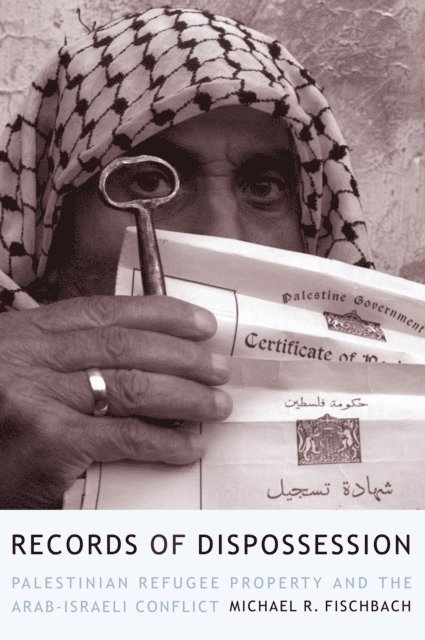
Records of Dispossession
Palestinian Refugee Property and the Arab-Israeli Conflict
E-bok, 2003
1023 kr
Lägg i varukorg
No issue in the Arab-Israeli conflict has proven more intractable than the status of the Palestinian refugees. This work focuses on the controversial question of the property left behind by the refugees during the first Arab-Israeli war in 1948. Beyond discussing the extent of the refugees''losses …
Black Power and Palestine
Transnational Countries of Color
Inbunden, 2018
1275 kr
Lägg i varukorg
The 1967 Arab–Israeli War rocketed the question of Israel and Palestine onto the front pages of American newspapers. Black Power activists saw Palestinians as a kindred people of color, waging the same struggle for freedom and justice as themselves. Soon concerns over the Arab–Israeli conflict …
Black Power and Palestine
Transnational Countries of Color
Häftad, 2018
307 kr
Lägg i varukorg
The 1967 Arab–Israeli War rocketed the question of Israel and Palestine onto the front pages of American newspapers. Black Power activists saw Palestinians as a kindred people of color, waging the same struggle for freedom and justice as themselves. Soon concerns over the Arab–Israeli conflict …
Black Power and Palestine
Transnational Countries of Color
E-bok, 2018
148 kr
Lägg i varukorg
The 1967 Arab–Israeli War rocketed the question of Israel and Palestine onto the front pages of American newspapers. Black Power activists saw Palestinians as a kindred people of color, waging the same struggle for freedom and justice as themselves. Soon concerns over the Arab–Israeli conflict …
Movement and the Middle East
How the Arab-Israeli Conflict Divided the American Left
Inbunden, 2019
1275 kr
Lägg i varukorg
The Arab-Israeli conflict constituted a serious problem for the American Left in the 1960s: pro-Palestinian activists hailed the Palestinian struggle against Israel as part of a fundamental restructuring of the global imperialist order, while pro-Israeli leftists held a less revolutionary worldview …
Movement and the Middle East
How the Arab-Israeli Conflict Divided the American Left
Häftad, 2019
310 kr
Lägg i varukorg
The Arab-Israeli conflict constituted a serious problem for the American Left in the 1960s: pro-Palestinian activists hailed the Palestinian struggle against Israel as part of a fundamental restructuring of the global imperialist order, while pro-Israeli leftists held a less revolutionary worldview …
Movement and the Middle East
How the Arab-Israeli Conflict Divided the American Left
E-bok, 2019
235 kr
Lägg i varukorg
The Arab-Israeli conflict constituted a serious problem for the American Left in the 1960s: pro-Palestinian activists hailed the Palestinian struggle against Israel as part of a fundamental restructuring of the global imperialist order, while pro-Israeli leftists held a less revolutionary worldview …
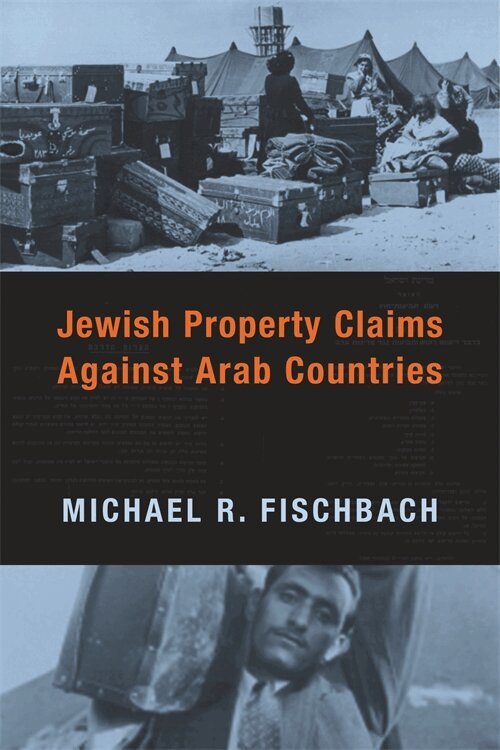
Jewish Property Claims Against Arab Countries
Inbunden, 2008
563 kr
Tillfälligt slut
In the twenty years that followed the Arab-Israeli war of 1948, 800,000 Jews left their homes in Syria, Egypt, Iraq, Yemen, Libya, Morocco, and several other Arab countries. Although the causes of this exodus varied, restrictive governmental measures and an outburst of anti-Semitic feeling during …