Michael S. Nassaney – författare
Visar alla böcker från författaren Michael S. Nassaney. Handla med fri frakt och snabb leverans.
14 produkter
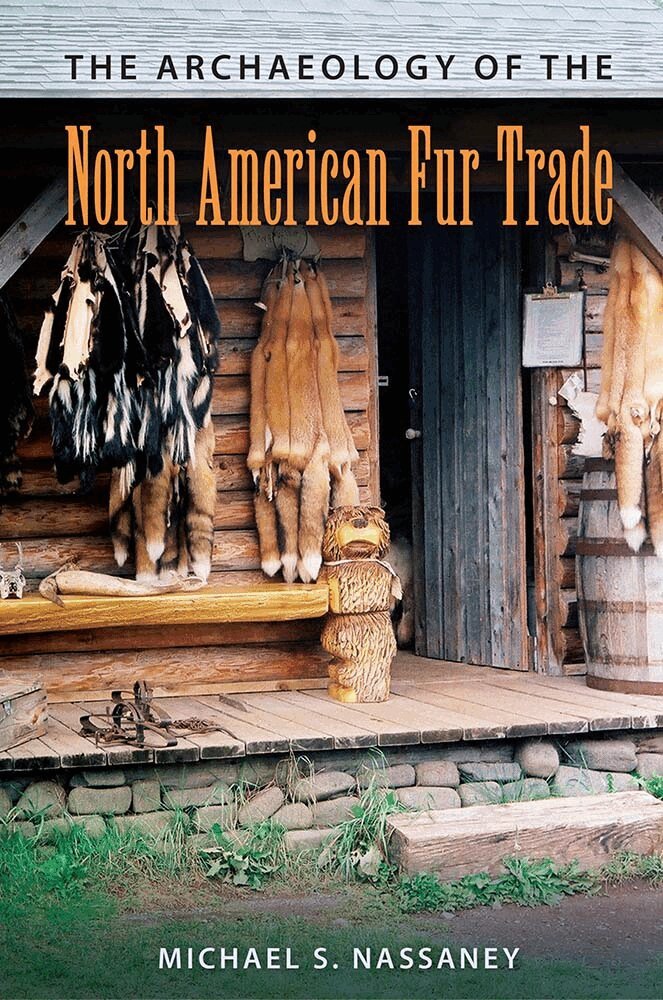
Archaeology of the North American Fur Trade
Inbunden, 2015
823 kr
Lägg i varukorg
The North American fur trade left an enduring material legacy of the complex interactions between natives and Europeans. From the sixteenth through nineteenth centuries, the demand for pelts and skins transformed America, helping to fuel the Age of Discovery and, later, Manifest Destiny.By …
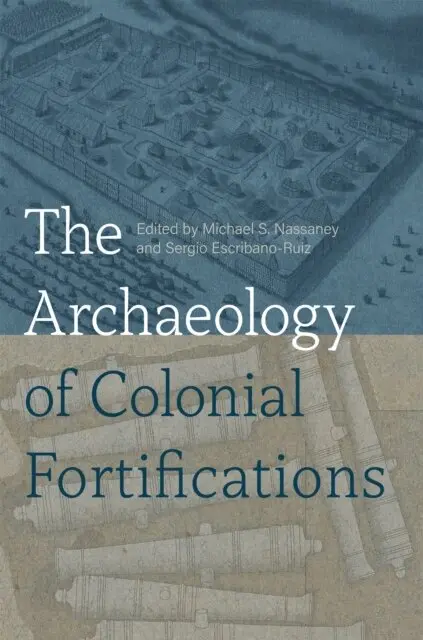
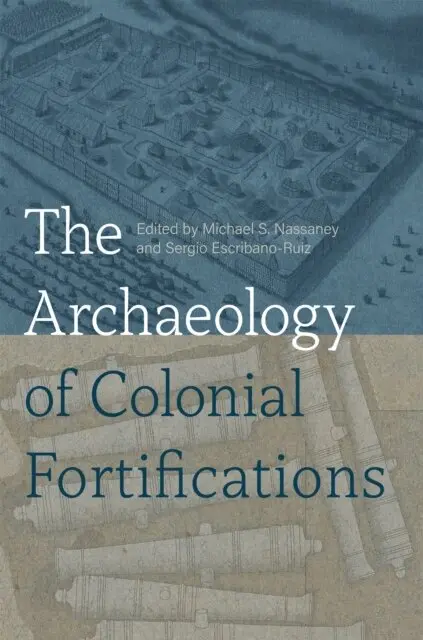
Archaeology of Colonial Fortifications
Av Michael S. Nassaney, Sergio Escribano-Ruiz
Inbunden, 2026
1115 kr
Lägg i varukorg
A global exploration of the many ways forts served as instruments of conquest and spaces of cultural exchangeEuropean colonial fortifications were built to advance imperial ambitions and appropriate Native lands, yet their roles varied in different contexts based on factors such as environmental …
Archaeology of the North American Fur Trade
Häftad, 2017
284 kr
Lägg i varukorg
Nassaney draws together an amazing amount of information about the fur trades that once existed in North America and includes illuminating and imaginative interpretations of archaeological data by researchers from across the continent.”—Gregory A. Waselkov, author of A Conquering Spirit: Fort Mims …
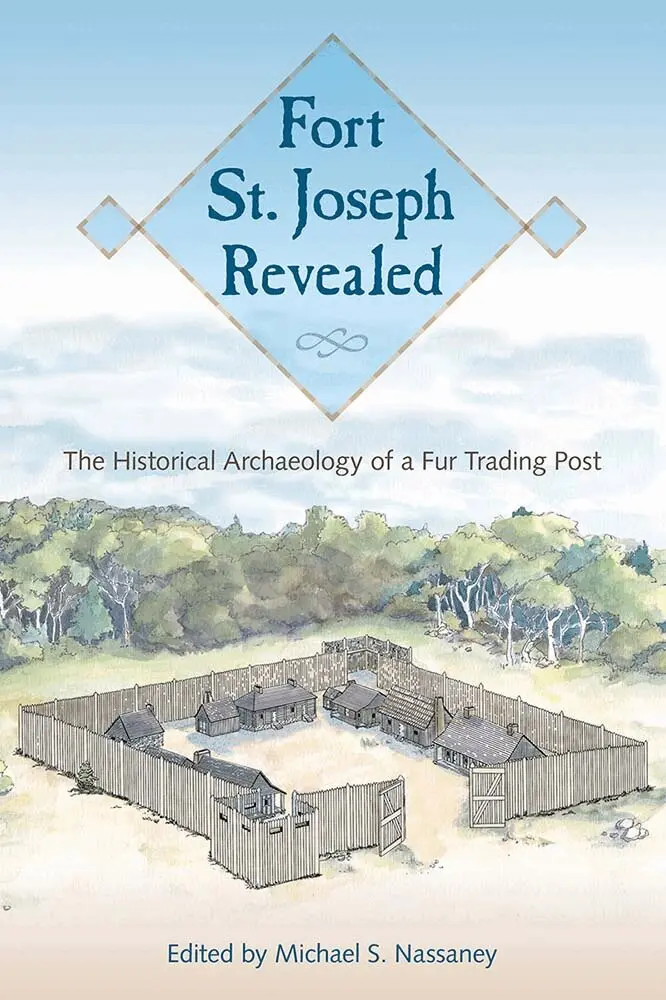
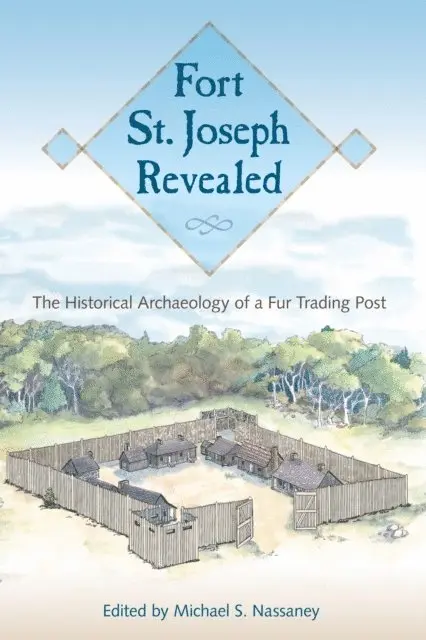
Fort St. Joseph Revealed
The Historical Archaeology of a Fur Trading Post
Inbunden, 2019
1056 kr
Lägg i varukorg
Fort St. Joseph Revealed is the first synthesis of archaeological and documentary data on one of the most important French colonial outposts in the western Great Lakes region. Located in what is now Michigan, Fort St. Joseph was home to a flourishing fur trade society from the 1680s to 1781. …
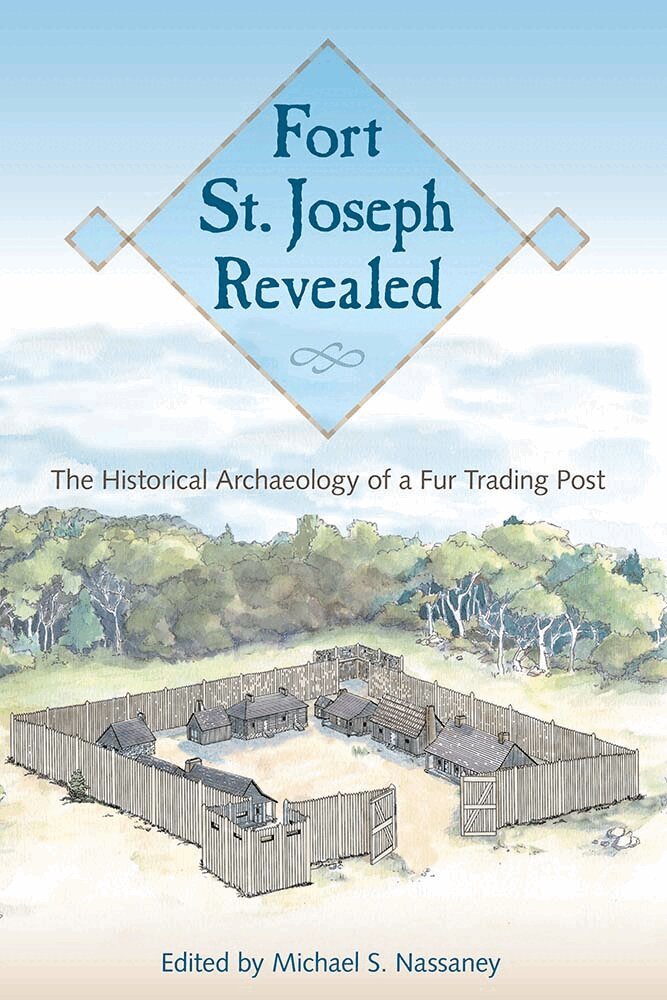
Fort St. Joseph Revealed
The Historical Archaeology of a Fur Trading Post
E-bok, 2019
2407 kr
Lägg i varukorg
“Details over two decades of community archaeology at one of the most important French colonial forts of the Great Lakes region. Nassaney and his collaborators employ documentary and material perspectives to bring to life this strategic place, presenting new, thought-provoking information to those …
Fort St. Joseph Revealed
The Historical Archaeology of a Fur Trading Post
Häftad, 2021
299 kr
Lägg i varukorg
Fort St. Joseph Revealed is the first synthesis of archaeological and documentary data on one of the most important French colonial outposts in the western Great Lakes region. Located in what is now Michigan, Fort St. Joseph was home to a flourishing fur trade society from the 1680s to 1781. …
Fort St. Joseph Revealed
The Historical Archaeology of a Fur Trading Post
E-bok, 2021
471 kr
Lägg i varukorg
Fort St. Joseph Revealed is the first synthesis of archaeological and documentary data on one of the most important French colonial outposts in the western Great Lakes region. Located in what is now Michigan, Fort St. Joseph was home to a flourishing fur trade society from the 1680s to 1781. …
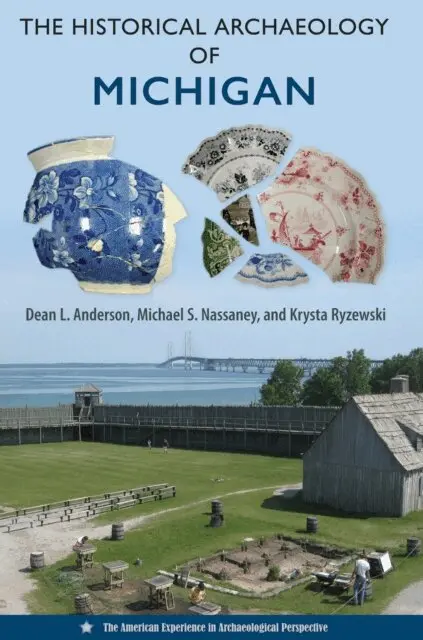
Historical Archaeology of Michigan
Av Krysta Ryzewski, Michael S. Nassaney m. fl.
E-bok, 2026
2108 kr
Lägg i varukorg
An overview of archaeological research in Michigan that reveals the history of the state during the past four hundred yearsMichigan has long been an incubator for invention, technology, and creativity. This book explores this legacy through the historical archaeology of the past four hundred years …
Archaeology of Colonial Fortifications
Av Sergio Escribano-Ruiz, Michael S. Nassaney
E-bok, 2026
1133 kr
Lägg i varukorg
A global exploration of the many ways forts served as instruments of conquest and spaces of cultural exchangeEuropean colonial fortifications were built to advance imperial ambitions and appropriate Native lands, yet their roles varied in different contexts based on factors such as environmental …
Historical Archaeology of Michigan
Av Krysta Ryzewski, Michael S. Nassaney m. fl.
E-bok, 2026
1054 kr
Lägg i varukorg
An overview of archaeological research in Michigan that reveals the history of the state during the past four hundred yearsMichigan has long been an incubator for invention, technology, and creativity. This book explores this legacy through the historical archaeology of the past four hundred years …
Archaeology of Colonial Fortifications
Av Sergio Escribano-Ruiz, Michael S. Nassaney
E-bok, 2026
1495 kr
Lägg i varukorg
A global exploration of the many ways forts served as instruments of conquest and spaces of cultural exchangeEuropean colonial fortifications were built to advance imperial ambitions and appropriate Native lands, yet their roles varied in different contexts based on factors such as environmental …
Historical Archaeology of Michigan
Av Dean L. Anderson, Michael S. Nassaney m. fl.
Inbunden, 2026
1056 kr
Lägg i varukorg
An overview of archaeological research in Michigan that reveals the history of the state during the past four hundred yearsMichigan has long been an incubator for invention, technology, and creativity. This book explores this legacy through the historical archaeology of the past four hundred years …
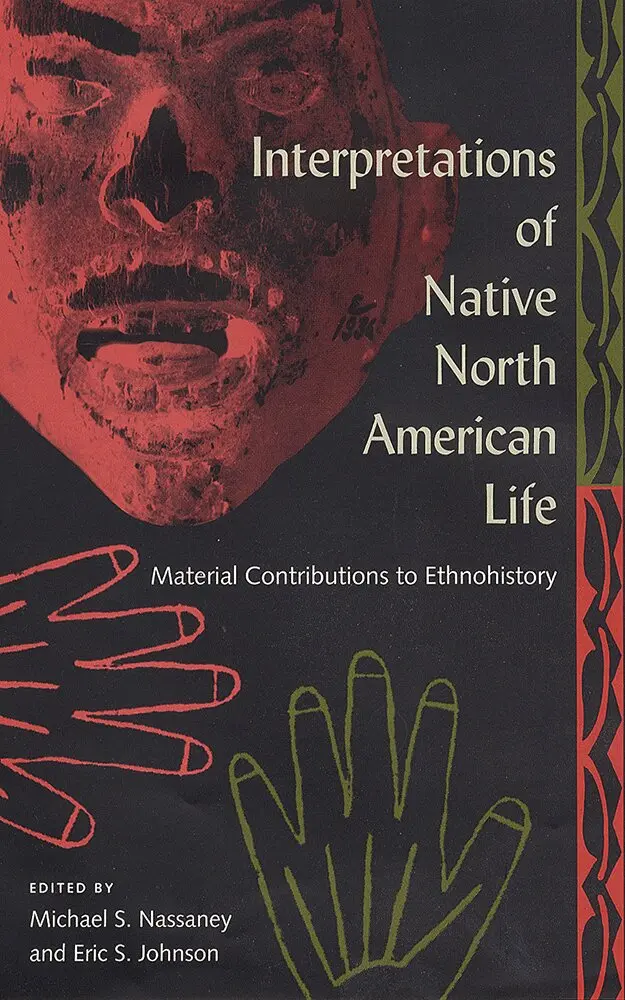
Interpretations of Native North American Life
Material Contributions to Ethnohistory
Av University Press of Florida, Michael S. Nassaney m. fl.
Häftad, 2003
281 kr
Tillfälligt slut
Bringing together the prespectives of archaeologists, ethno-historians and art historians, these tightly integrated case studies highlight the significance of material objects to the study and interpretation of Native North American culture, history and identity. The authors contend that …
Native American Interactions
Multiscaler Analyses Interpretations
Av Michael S. Nassaney, Kenneth E. Sassaman
Inbunden, 1995
469 kr
Tillfälligt slut