Michael Symonds – författare
642 kr
Skickas inom 10-15 vardagar
2 193 kr
Skickas inom 10-15 vardagar
670 kr
Skickas inom 10-15 vardagar
2 193 kr
Skickas inom 10-15 vardagar
656 kr
Skickas inom 10-15 vardagar
599 kr
Skickas inom 10-15 vardagar
2 193 kr
Skickas inom 10-15 vardagar
723 kr
Läs direkt efter köp
This book extends Max Weber’s theory of the value-spheres of modernity into wholly new areas, showing that the addition of home, nature and sport to Weber’s own list of five spheres (economic, scientific/intellectual, political/legal, erotic and aesthetic) yields original insights into these aspects of modernity and modernity itself. It shows how each of these new spheres is able to create its own ‘inner cosmos’ of salvation from rationalised senselessness, just as Weber’s ‘irrational’ spheres offer release from the grim reality of capitalism, the disenchanted universe and the bureaucratic state formed by the more ‘rationalised’ spheres. Drawing on a wide, cross-disciplinary range of sources, the author sheds light on the role of home in creating a sense of our enchanted past, of nature in helping to restore to the world a teleological meaning constructed from innocence and purity and of sport in imposing sense on the world, at least temporarily. A Weberian Perspective on Home, Nature and Sport: Disenchantment and Salvation will appeal to scholars of sociology and social theory with interests in classical sociological theory and the analysis of modernity.
723 kr
Läs direkt efter köp
This book extends Max Weber’s theory of the value-spheres of modernity into wholly new areas, showing that the addition of home, nature and sport to Weber’s own list of five spheres (economic, scientific/intellectual, political/legal, erotic and aesthetic) yields original insights into these aspects of modernity and modernity itself. It shows how each of these new spheres is able to create its own ‘inner cosmos’ of salvation from rationalised senselessness, just as Weber’s ‘irrational’ spheres offer release from the grim reality of capitalism, the disenchanted universe and the bureaucratic state formed by the more ‘rationalised’ spheres. Drawing on a wide, cross-disciplinary range of sources, the author sheds light on the role of home in creating a sense of our enchanted past, of nature in helping to restore to the world a teleological meaning constructed from innocence and purity and of sport in imposing sense on the world, at least temporarily. A Weberian Perspective on Home, Nature and Sport: Disenchantment and Salvation will appeal to scholars of sociology and social theory with interests in classical sociological theory and the analysis of modernity.
706 kr
Läs direkt efter köp
682 kr
Läs direkt efter köp
757 kr
Läs direkt efter köp
730 kr
Läs direkt efter köp
763 kr
Läs direkt efter köp
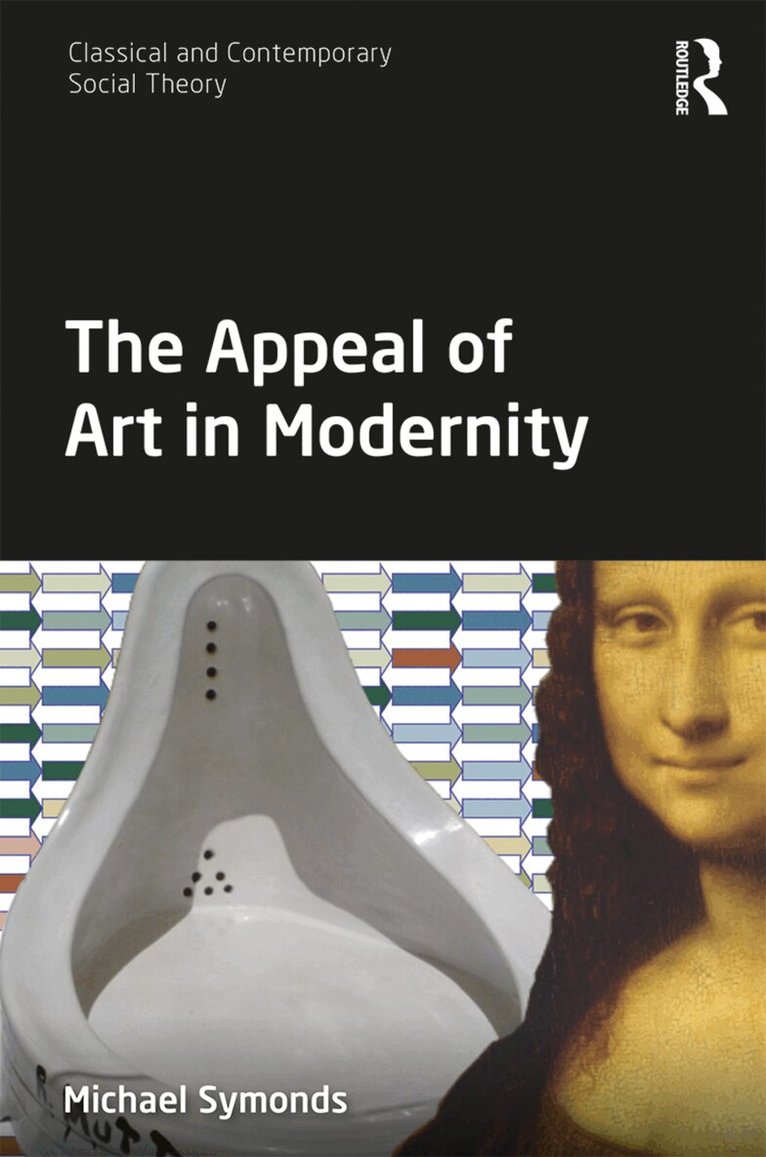
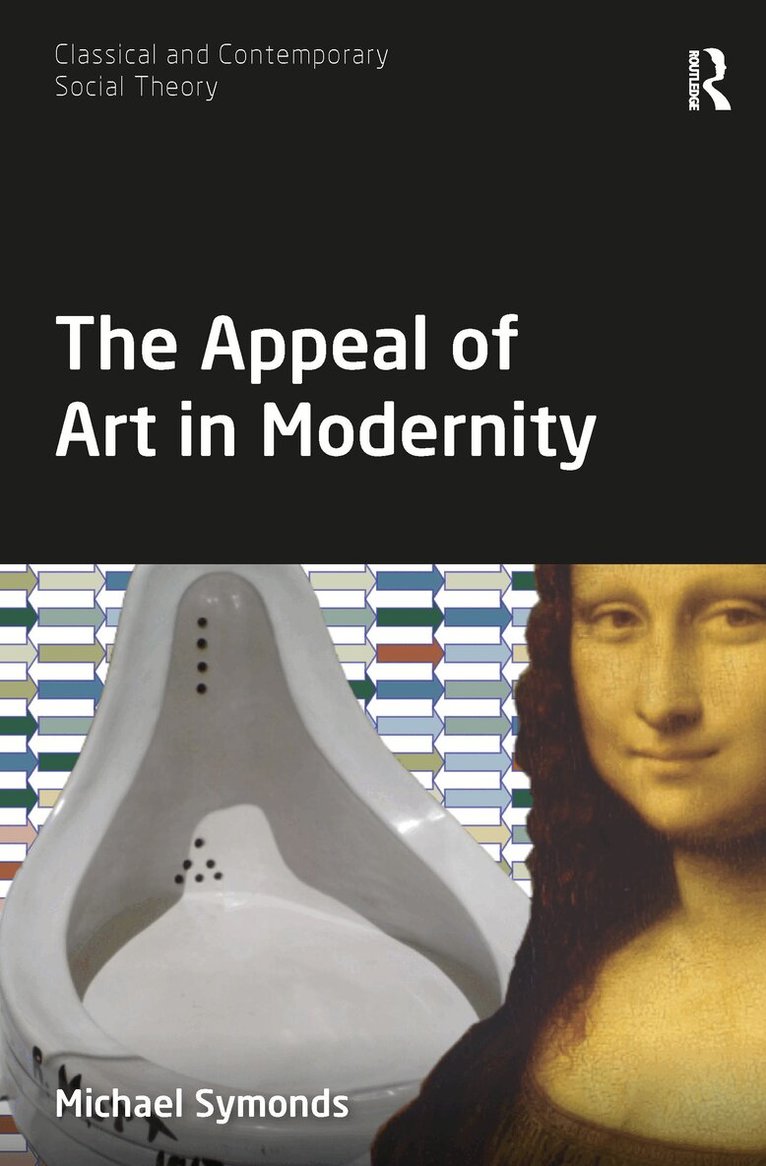
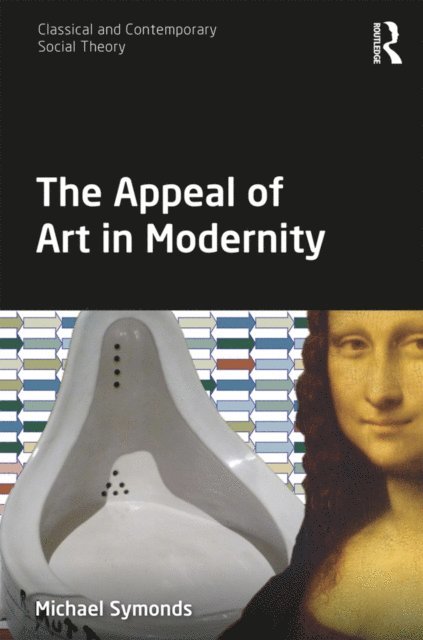
This book explores the place of art in the modern world, but instead of asking what art is, it begins with the question of art’s appeal in modernity. Why is the appellation ‘art’ so desired for movies, food, and fashion, for example? Why is there the assumption of esteem when someone calls themselves an ‘artist’? On the other hand, why is modern art so often seen as, at best, difficult and, at worst, not, in fact, art? Engaging with a broad range of theory, the author draws on the thought of Max Weber to offer an account of art’s widespread appeal in terms of its constituting a self-contained value-sphere of meaning, which provides a feeling of tremendous salvation from the senseless routines of modern life. In this way, major theories on aesthetics in philosophy and sociology – including those of Kant, Hegel, Adorno and Bourdieu – are critically recast and incorporated into an overall explanation, and fundamental questions concerning the relation of art to politics and ethics are given innovative answers. A fresh examination of the development of the aesthetic sphere that shows how art came to be regarded as one of the last bastions of freedom and the highest human achievement, and, also, how it became increasingly isolated from the rest of society, The Appeal of Art in Modernity will appeal to scholars of philosophy, social theory, and sociology with interests in art, modernity, and Weber.
763 kr
Läs direkt efter köp
This book explores the place of art in the modern world, but instead of asking what art is, it begins with the question of art’s appeal in modernity. Why is the appellation ‘art’ so desired for movies, food, and fashion, for example? Why is there the assumption of esteem when someone calls themselves an ‘artist’? On the other hand, why is modern art so often seen as, at best, difficult and, at worst, not, in fact, art? Engaging with a broad range of theory, the author draws on the thought of Max Weber to offer an account of art’s widespread appeal in terms of its constituting a self-contained value-sphere of meaning, which provides a feeling of tremendous salvation from the senseless routines of modern life. In this way, major theories on aesthetics in philosophy and sociology – including those of Kant, Hegel, Adorno and Bourdieu – are critically recast and incorporated into an overall explanation, and fundamental questions concerning the relation of art to politics and ethics are given innovative answers. A fresh examination of the development of the aesthetic sphere that shows how art came to be regarded as one of the last bastions of freedom and the highest human achievement, and, also, how it became increasingly isolated from the rest of society, The Appeal of Art in Modernity will appeal to scholars of philosophy, social theory, and sociology with interests in art, modernity, and Weber.
2 193 kr
Skickas inom 10-15 vardagar