Michael T. Bertrand - Böcker
Visar alla böcker från författaren Michael T. Bertrand. Handla med fri frakt och snabb leverans.
3 produkter
3 produkter
224 kr
Skickas inom 7-10 vardagar
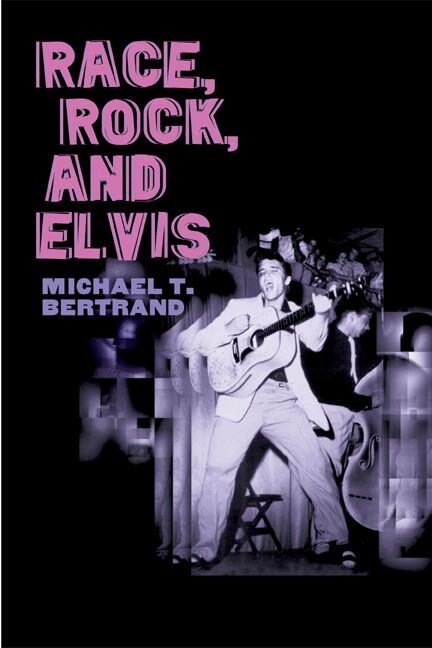
Did Elvis Presley's brand of rock 'n' roll help revise racial attitudes in postwar America? Michael T. Bertrand delves into this question and many others to investigate popular music's revolutionary influence on black-white relations in the South. Youthful fans of rhythm and blues, rock 'n' roll, and other black-inspired music often broke from their segregationist elders and ignored the color line. Not coincidentally, these same young white people--the southern branch of a national and commercialized youth culture--led a general relaxation of racist attitudes. Bertrand argues that African American music facilitated a new recognition of black people as fellow human beings. African American audiences welcomed Elvis with enthusiasm while racially mixed audiences flocked to music venues at a time when adults expected separate performances for black and white audiences. Bertrand also describes the critical role of radio and recordings in making African American culture available to white fans on an unprecedented scale. Over time, southern working-class youth used the new music to define and express new values and build their own identities.
996 kr
Skickas inom 10-15 vardagar
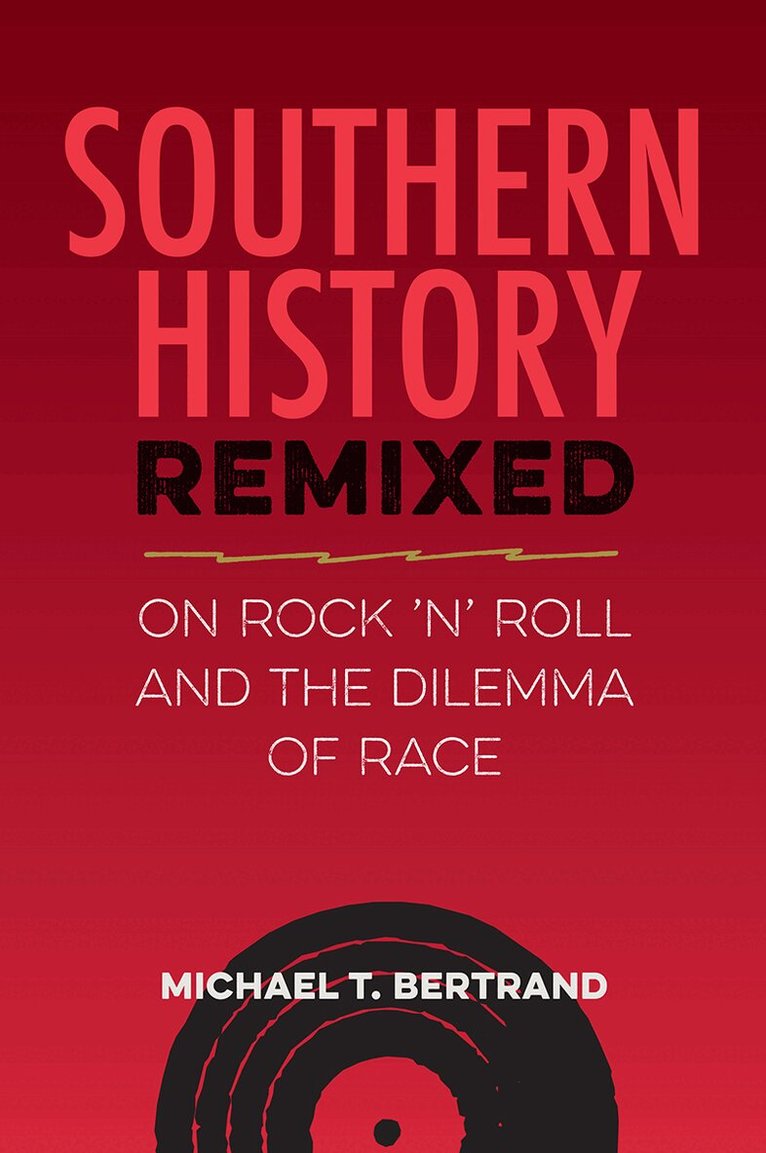
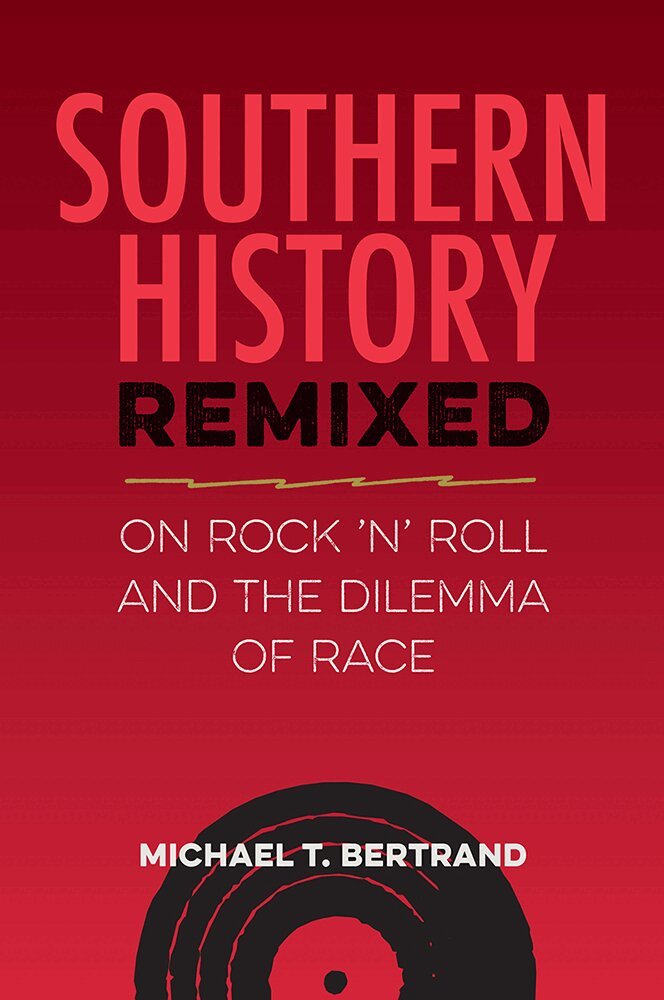
Southern History Remixed spotlights the key role of popular music in the shaping of the United States South from the late nineteenth century to the era of rock ‘n’ roll in the 1940s, ’50s, and ’60s. While musical activities are often sidelined in historical narratives of the region, Michael Bertrand shows that they can reveal much about social history and culture change as he connects the rise of rock ‘n’ roll to the civil rights movement for racial equality.In this book, Bertrand traces a long-term culture war in which white southerners struggled over the region’s cultural complexion with music serving as an engine that both sustained and challenged white supremacy. He shows how rock ‘n’ roll emerged as a working-class genre with biracial sources that stoked white racial anxieties and engaged the region’s color and culture lines. This book discusses the conflict over southern identity that played out in responses to jazz, barn dance radio, Pentecostal and gospel music, Black radio programming, and rhythm and blues, concluding with a close look at the popularity of Elvis Presley within a racially segregated society.Southern History Remixed suggests that both Black and white southerners have used music as a tool to resist or negotiate a rigid regional hierarchy. Urging readers and scholars to take the study of popular music seriously, Bertrand argues that what occurs in the music world affects and reflects what happens in politics and history.
282 kr
Skickas inom 10-15 vardagar
How popular music reveals deep histories of racial tensions in southern cultureSouthern History Remixed spotlights the key role of popular music in the shaping of the United States South from the late nineteenth century to the era of rock ’n’ roll in the 1940s, ’50s, and ’60s. While musical activities are often sidelined in historical narratives of the region, Michael Bertrand shows that they can reveal much about social history and culture change as he connects the rise of rock ’n’ roll to the civil rights movement for racial equality.In this book, Bertrand traces a long-term culture war in which white southerners struggled over the region’s cultural complexion with music serving as an engine that both sustained and challenged white supremacy. He shows how rock ’n’ roll emerged as a working-class genre with biracial sources that stoked white racial anxieties and engaged the region’s color and culture lines. This book discusses the conflict over southern identity that played out in responses to jazz, barn dance radio, Pentecostal and gospel music, Black radio programming, and rhythm and blues, concluding with a close look at the popularity of Elvis Presley within a racially segregated society.Southern History Remixed suggests that both Black and white southerners have used music as a tool to resist or negotiate a rigid regional hierarchy. Urging readers and scholars to take the study of popular music seriously, Bertrand argues that what occurs in the music world affects and reflects what happens in politics and history.