Michael W. Cole – författare
Visar alla böcker från författaren Michael W. Cole. Handla med fri frakt och snabb leverans.
15 produkter
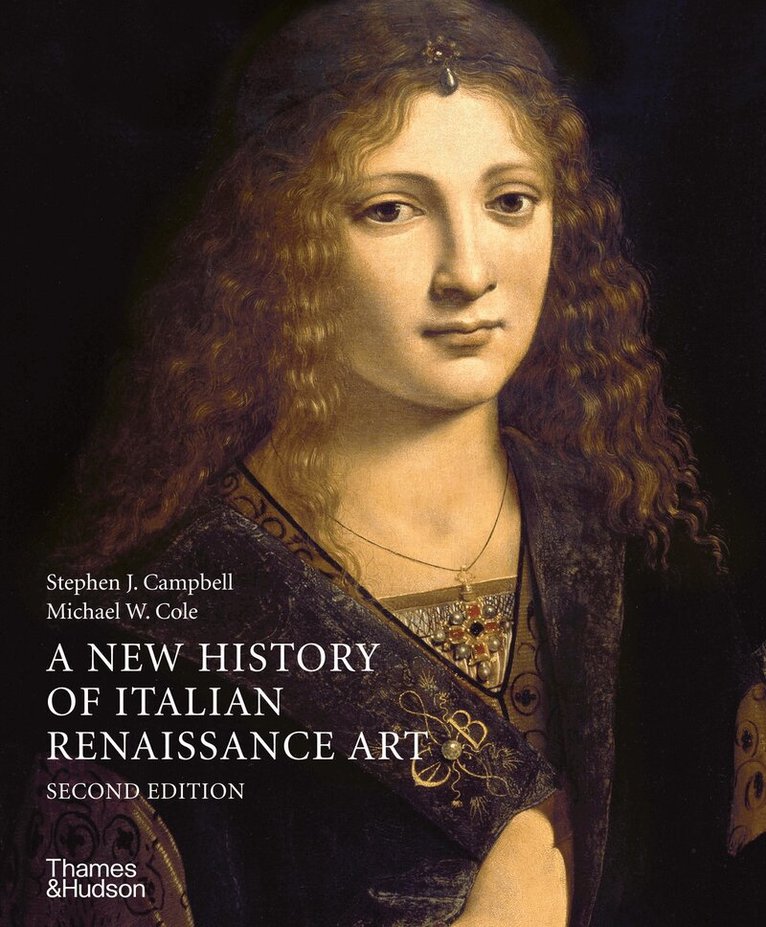
New History of Italian Renaissance Art
Av Stephen J. Campbell, Michael W. Cole
Inbunden, 2017
783 kr
Lägg i varukorg
Campbell and Cole, respected teachers and active researchers, draw on traditional and current scholarship to present complex interpretations in this new edition of their engaging account of Italian Renaissance art. The book’s unique decade-by-decade structure is easy to follow, and permits the …
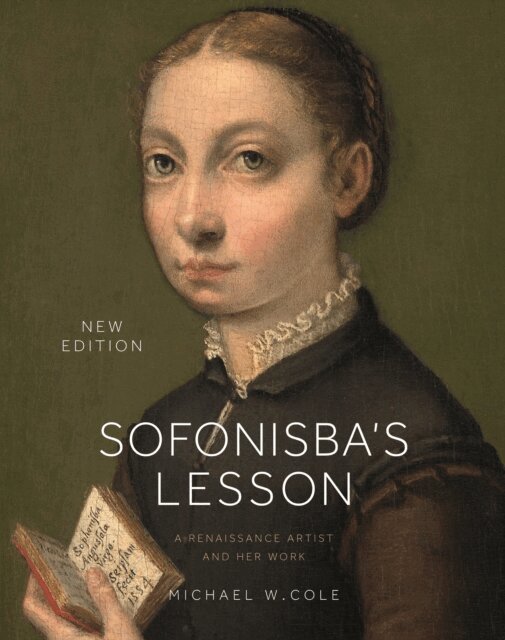
Sofonisba's Lesson, New Edition
A Renaissance Artist and Her Work
Inbunden, 2026
627 kr
Lägg i varukorg
The landmark study of the first major woman painter of the Renaissance—now revised and expanded to include new discoveriesSince it was first published, Sofonisba’s Lesson has ushered in a major reassessment of Sofonisba Anguissola (1532–1625), a remarkable painter who changed the image of women’s …
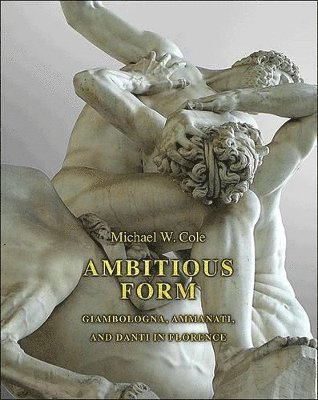
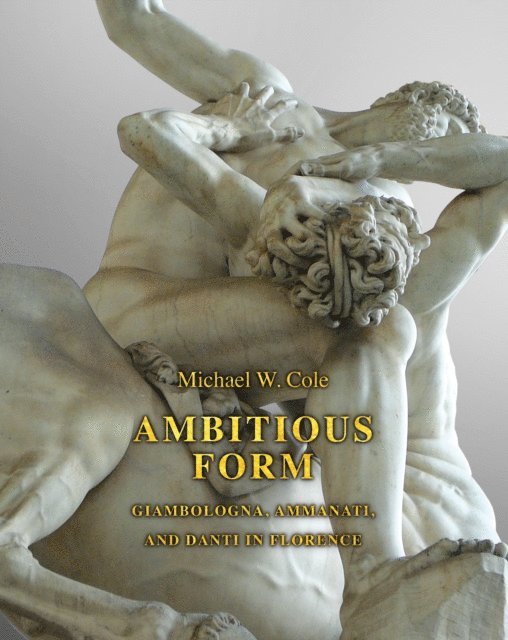
Ambitious Form
Giambologna, Ammanati, and Danti in Florence
Inbunden, 2010
759 kr
Lägg i varukorg
Ambitious Form describes the transformation of Italian sculpture during the neglected half century between the death of Michelangelo and the rise of Bernini. The book follows the Florentine careers of three major sculptors--Giambologna, Bartolomeo Ammanati, and Vincenzo Danti--as they negotiated …
Brain Flows
How Network Dynamics Compose the Human Mind
E-bok, 2026
486 kr
Kommande
A pioneering theory of how brain network flows compose the neural symphonies that make us who we areWhat enables us not only to comprehend the world but also to find meaning in it? How does a brain engender a mind? In Brain Flows, cognitive neuroscientist Michael Cole argues that movements (flows) …
Brain Flows
How Network Dynamics Compose the Human Mind
Inbunden, 2026
436 kr
Kommande
A pioneering theory of how brain network flows compose the neural symphonies that make us who we areWhat enables us not only to comprehend the world but also to find meaning in it? How does a brain engender a mind? In Brain Flows, cognitive neuroscientist Michael Cole argues that movements (flows) …
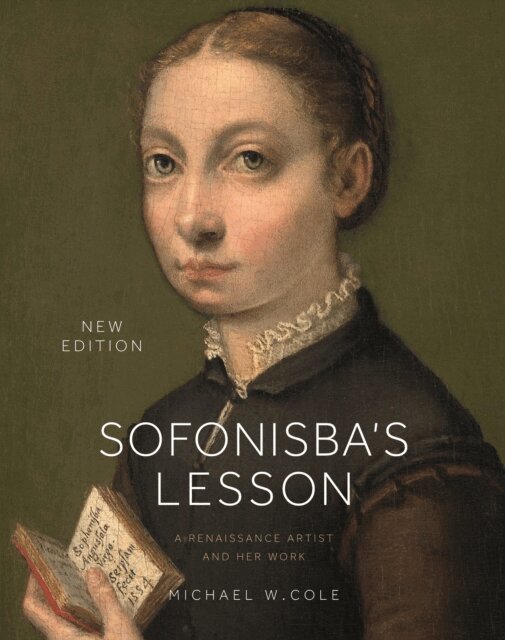
Sofonisba's Lesson, New Edition
A Renaissance Artist and Her Work
E-bok, 2026
850 kr
Lägg i varukorg
The landmark study of the first major woman painter of the Renaissancenow revised and expanded to include new discoveriesSince it was first published, Sofonisba's Lesson has ushered in a major reassessment of Sofonisba Anguissola (15321625), a remarkable painter who changed the image of women's …
Sofonisba's Lesson, New Edition
A Renaissance Artist and Her Work
E-bok, 2026
878 kr
Lägg i varukorg
The landmark study of the first major woman painter of the Renaissancenow revised and expanded to include new discoveriesSince it was first published, Sofonisba's Lesson has ushered in a major reassessment of Sofonisba Anguissola (15321625), a remarkable painter who changed the image of women's …
Brain Flows
How Network Dynamics Compose the Human Mind
E-bok, 2026
599 kr
Kommande
A pioneering theory of how brain network flows compose the neural symphonies that make us who we areWhat enables us not only to comprehend the world but also to find meaning in it? How does a brain engender a mind? In Brain Flows, cognitive neuroscientist Michael Cole argues that movements (flows) …
Idol in the Age of Art
Objects, Devotions and the Early Modern World
Av Michael W. Cole, Rebecca Zorach
Inbunden, 2009
2578 kr
Lägg i varukorg
After 1500, as Catholic Europe fragmented into warring sects, evidence of a pagan past came newly into view, and travelers to distant places encountered deeply unfamiliar visual cultures, it became ever more pressing to distinguish between the sacred image and its opposite, the 'idol'. Historians …
Ambitious Form
Giambologna, Ammanati, and Danti in Florence
E-bok, 2022
1006 kr
Lägg i varukorg
Ambitious Form describes the transformation of Italian sculpture during the neglected half century between the death of Michelangelo and the rise of Bernini. The book follows the Florentine careers of three major sculptors--Giambologna, Bartolomeo Ammanati, and Vincenzo Danti--as they negotiated …
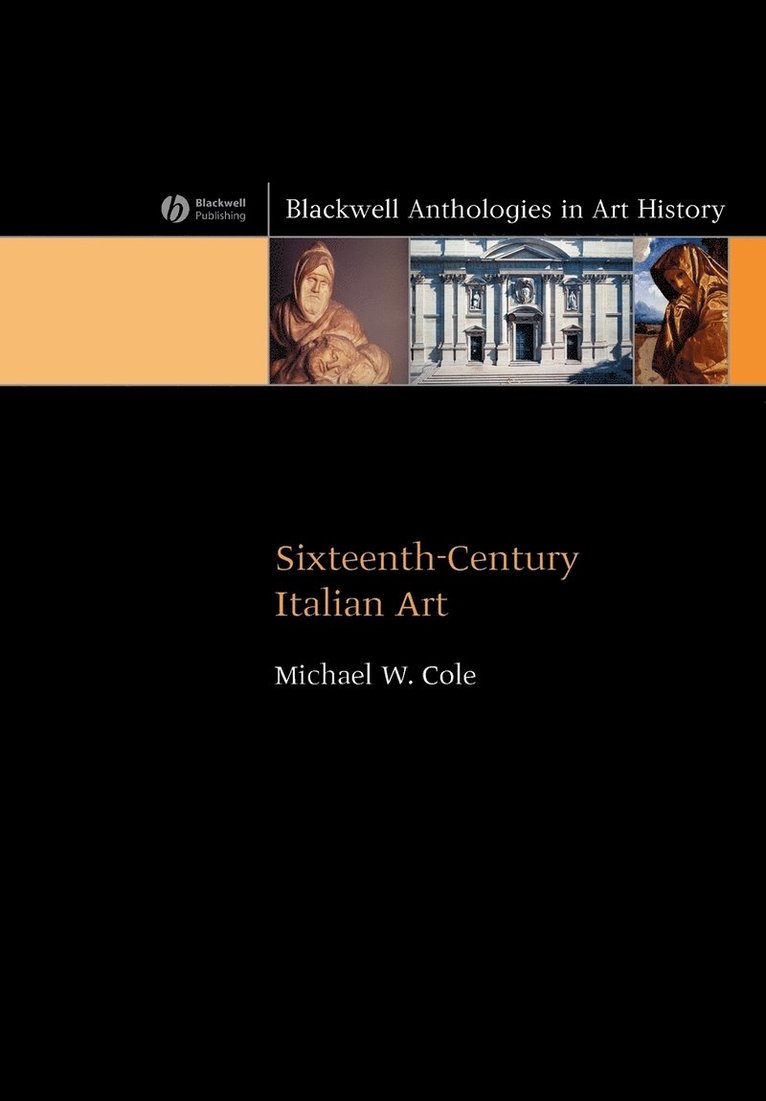
Sixteenth-Century Italian Art
Av Cole, Michael W. Cole
Inbunden, 2006
1759 kr
Lägg i varukorg
Sixteenth-Century Italian Art is a first-rate collection of the major classic and contemporary writings on the Italian Renaissance.Taking a thematic approach, the book exemplifies the traditional concerns of the field and presents arguments in a clear, accessible way. A stellar collection of 23 …
Sixteenth-Century Italian Art
Av Cole, Michael W. Cole
Häftad, 2006
739 kr
Lägg i varukorg
Sixteenth-Century Italian Art is a first-rate collection of the major classic and contemporary writings on the Italian Renaissance.Taking a thematic approach, the book exemplifies the traditional concerns of the field and presents arguments in a clear, accessible way. A stellar collection of 23 …
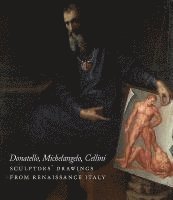
Donatello, Michelangelo, Cellini
Sculptors' Drawings from Renaissance Italy
Av Michael W. Cole, Oliver Tostmann
Häftad, 2014
433 kr
Lägg i varukorg
The self-portrait of Baccio Bandinelli in the Isabella Stewart Gardner Museum, Boston, shows the sculptor pointing not to a work of marble or bronze, but to a drawing. Bandinelli was particularly proud of his skills as a draftsman, and he was prolific in his production of works on paper. This set …
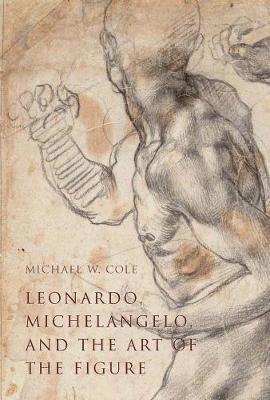
Leonardo, Michelangelo, and the Art of the Figure
Inbunden, 2015
376 kr
Tillfälligt slut
In late 1504 and early 1505, Leonardo da Vinci (1452–1519) and Michelangelo Buonarroti (1475–1564) were both at work on commissions they had received to paint murals in Florence’s City Hall. Leonardo was to depict a historic battle between Florence and Milan, Michelangelo one between Florence and …
Sofonisba's Lesson
A Renaissance Artist and Her Work
Inbunden, 2020
691 kr
Tillfälligt slut
The formation and career of the first major woman artist of the RenaissanceSofonisba Anguissola (ca. 1535–1625) was the daughter of minor Lombard aristocrats who made the unprecedented decision to have her trained as a painter outside the family house. She went on to serve as an instructor to …