Michaela Pelican – författare
Visar alla böcker från författaren Michaela Pelican. Handla med fri frakt och snabb leverans.
4 produkter
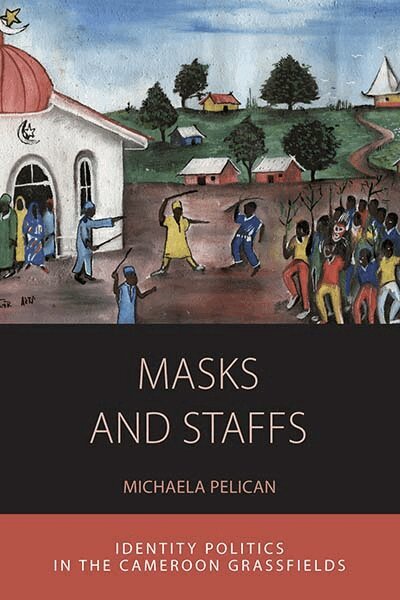
Masks and Staffs
Identity Politics in the Cameroon Grassfields
Inbunden, 2015
1880 kr
Lägg i varukorg
The Cameroon Grassfields, home to three ethnic groups – Grassfields societies, Mbororo, and Hausa – provide a valuable case study for the anthropological examination of identity politics and interethnic relations. In the midst of the political liberalization of Cameroon in the late 1990s and 2000s, …
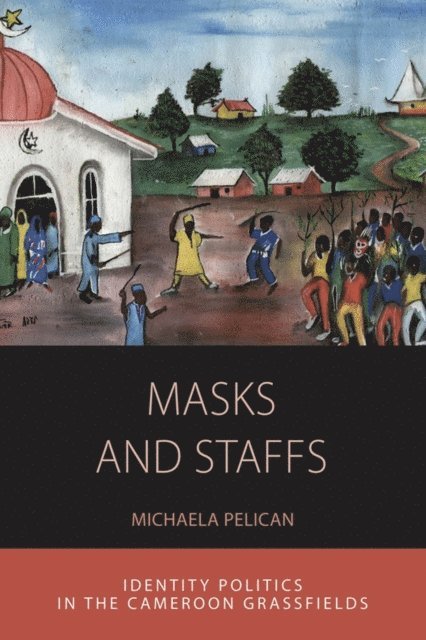
Masks and Staffs
Identity Politics in the Cameroon Grassfields
E-bok, 2015
326 kr
Lägg i varukorg
The Cameroon Grassfields, home to three ethnic groups – Grassfields societies, Mbororo, and Hausa – provide a valuable case study for the anthropological examination of identity politics and interethnic relations. In the midst of the political liberalization of Cameroon in the late 1990s and 2000s, …
Masks and Staffs
Identity Politics in the Cameroon Grassfields
Häftad, 2017
527 kr
Lägg i varukorg
The Cameroon Grassfields, home to three ethnic groups – Grassfields societies, Mbororo, and Hausa – provide a valuable case study for the anthropological examination of identity politics and interethnic relations. In the midst of the political liberalization of Cameroon in the late 1990s and 2000s, …
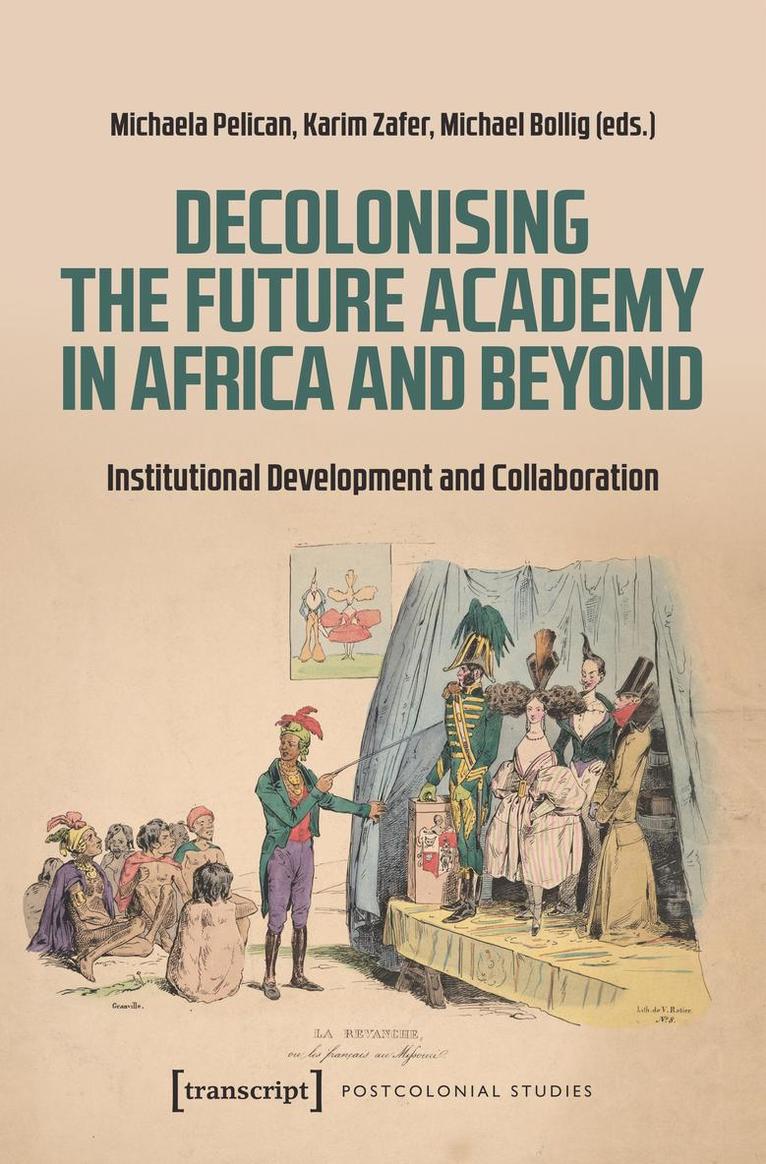
Decolonising the Future Academy in Africa and Beyond
Institutional Development and Collaboration
Av Michaela Pelican, Karim Zafer m. fl.
Häftad, 2025
674 kr
Lägg i varukorg
What does it mean to decolonise academia in Africa? Is this important project limited to the humanities? Is it a project for the future? Are there forerunners at African universities today? The contributors to this volume show different trajectories for anthropology as a discipline and for …