Michal Kobialka – författare
Visar alla böcker från författaren Michal Kobialka. Handla med fri frakt och snabb leverans.
12 produkter
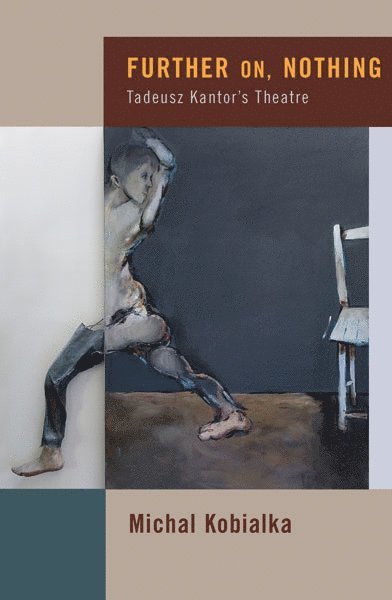
Further on, Nothing
Tadeusz Kantor's Theatre
Häftad, 2009
400 kr
Lägg i varukorg
A new encounter with the work of a master of avant-garde theatreTadeusz Kantor (1915–1990) was one of the twentieth century’s most innovative visual artists, stage directors, and theoreticians. His theatre productions and manifestos challenged the conventions of creating art in post–World War II …
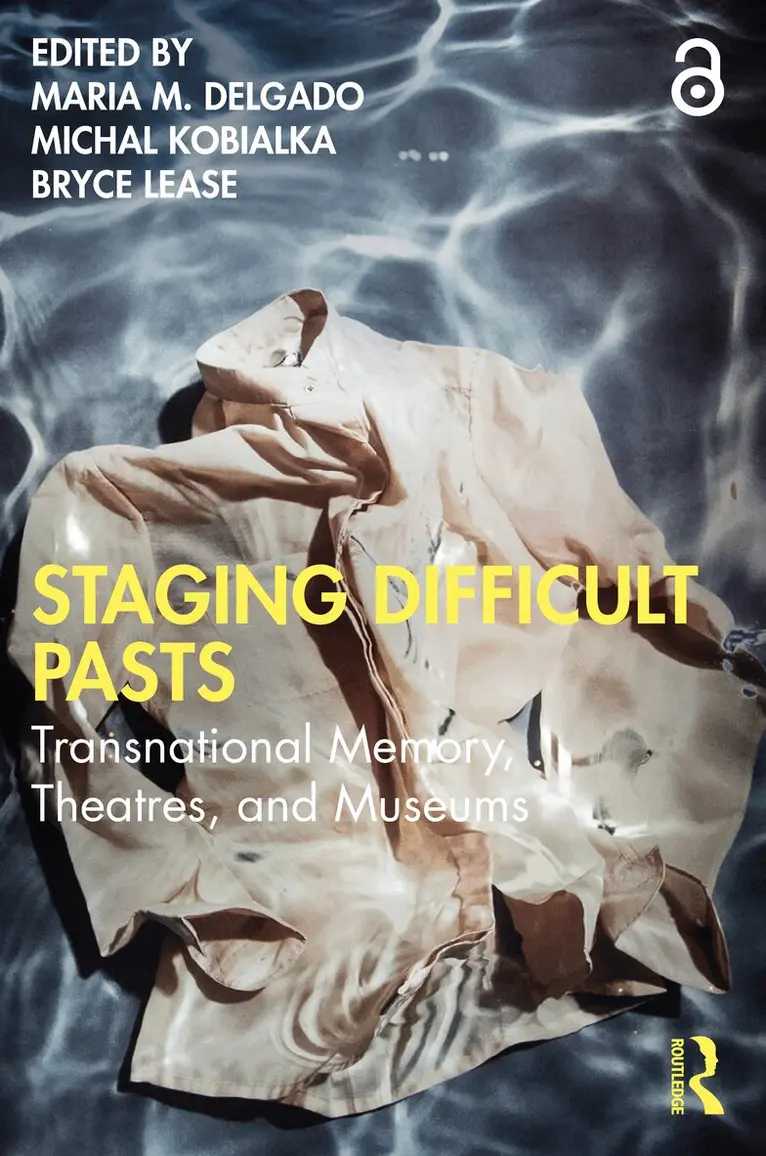
Staging Difficult Pasts
Transnational Memory, Theatres, and Museums
Av Maria M. Delgado, Michal Kobialka m. fl.
Häftad, 2023
667 kr
Lägg i varukorg
This collection of original essays brings together museum, theatre, and performance case studies with a focus on their distinctive and overlapping modes of producing memory for transnational audiences.Whether this is through narrative, object, embodied encounter or a combination of the three, this …
Staging Difficult Pasts
Transnational Memory, Theatres, and Museums
Av Maria M. Delgado, Michal Kobialka m. fl.
Inbunden, 2023
2586 kr
Lägg i varukorg
This collection of original essays brings together museum, theatre, and performance case studies with a focus on their distinctive and overlapping modes of producing memory for transnational audiences.Whether this is through narrative, object, embodied encounter or a combination of the three, this …
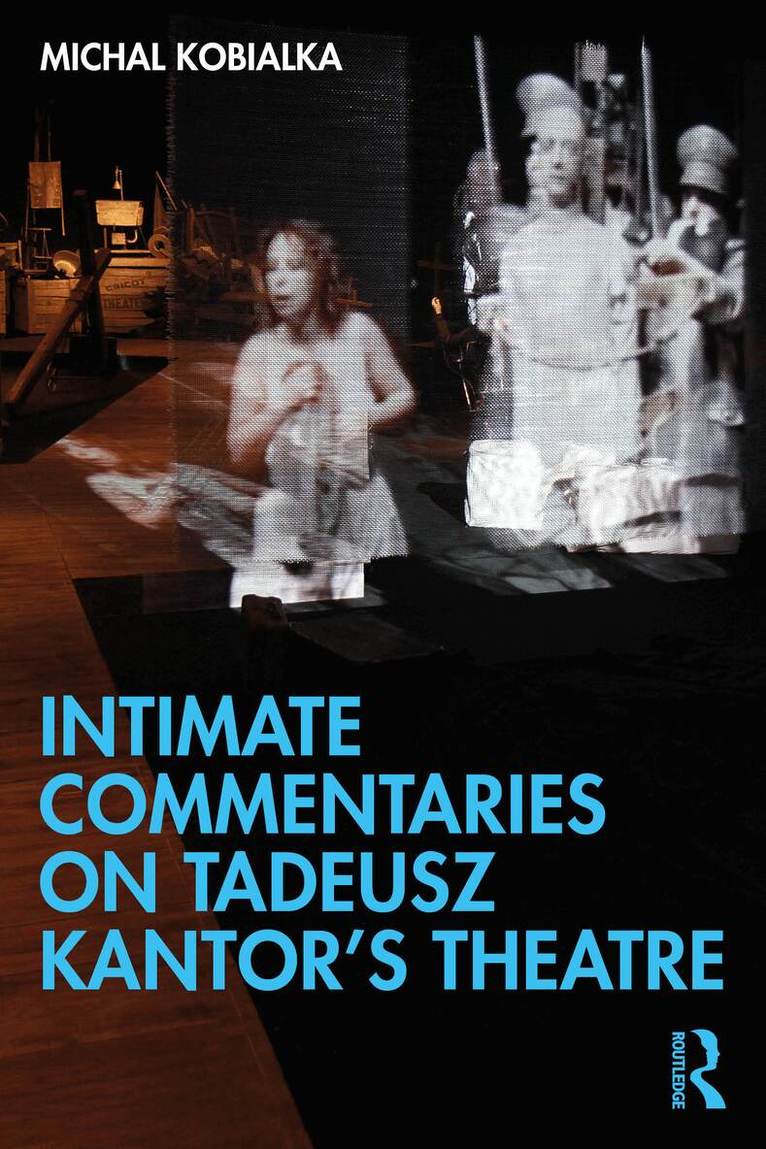
Intimate Commentaries on Tadeusz Kantor’s Theatre
Häftad, 2026
637 kr
Lägg i varukorg
Intimate Commentaries on Tadeusz Kantor’s Theatre is a collection of Michal Kobialka’s essays, written between 1986 and 2025, that provide a comprehensive understanding of Kantor’s theatre practice.The book is divided into three parts, each focusing on a specific area of Tadeusz Kantor’s theatre …
Intimate Commentaries on Tadeusz Kantor’s Theatre
Inbunden, 2026
2586 kr
Lägg i varukorg
Intimate Commentaries on Tadeusz Kantor’s Theatre is a collection of Michal Kobialka’s essays, written between 1986 and 2025, that provide a comprehensive understanding of Kantor’s theatre practice.The book is divided into three parts, each focusing on a specific area of Tadeusz Kantor’s theatre …
Intimate Commentaries on Tadeusz Kantor's Theatre
E-bok, 2026
733 kr
Lägg i varukorg
Intimate Commentaries on Tadeusz Kantor's Theatre is a collection of Michal Kobialka's essays, written between 1986 and 2025, that provide a comprehensive understanding of Kantor's theatre practice.The book is divided into three parts, each focusing on a specific area of Tadeusz Kantor's theatre …
Intimate Commentaries on Tadeusz Kantor's Theatre
E-bok, 2026
749 kr
Lägg i varukorg
Intimate Commentaries on Tadeusz Kantor's Theatre is a collection of Michal Kobialka's essays, written between 1986 and 2025, that provide a comprehensive understanding of Kantor's theatre practice.The book is divided into three parts, each focusing on a specific area of Tadeusz Kantor's theatre …
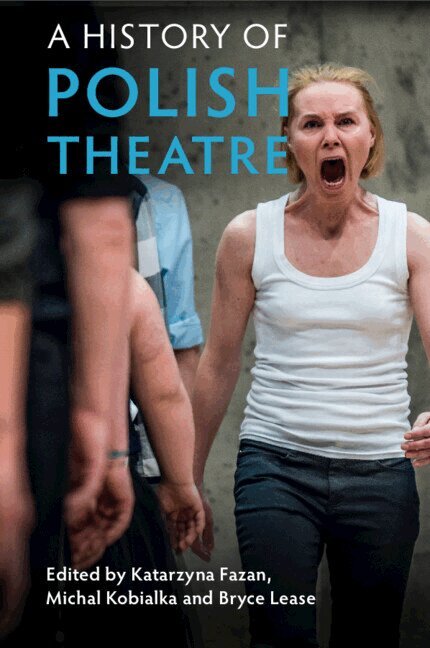
A History of Polish Theatre
Av Katarzyna Fazan, Michal Kobialka m. fl.
Inbunden, 2022
1872 kr
Lägg i varukorg
Poland is celebrated internationally for its rich and varied performance traditions and theatre histories. This groundbreaking volume is the first in English to engage with these topics across an ambitious scope, incorporating Staropolska, the Polish-Lithuanian Commonwealth, the Enlightenment and …
A History of Polish Theatre
Av Katarzyna Fazan, Michal Kobialka m. fl.
Häftad, 2026
401 kr
Lägg i varukorg
Poland is celebrated internationally for its rich and varied performance traditions and theatre histories. This groundbreaking volume is the first in English to engage with these topics across an ambitious scope, incorporating Staropolska, the Polish-Lithuanian Commonwealth, the Enlightenment and …
History of Polish Theatre
Av Bryce Lease, Michal Kobialka m. fl.
E-bok, 2022
2086 kr
Lägg i varukorg
Poland is celebrated internationally for its rich and varied performance traditions and theatre histories. This groundbreaking volume is the first in English to engage with these topics across an ambitious scope, incorporating Staropolska, the Polish-Lithuanian Commonwealth, the Enlightenment and …
History of Polish Theatre
Av Bryce Lease, Michal Kobialka m. fl.
E-bok, 2022
2132 kr
Lägg i varukorg
Poland is celebrated internationally for its rich and varied performance traditions and theatre histories. This groundbreaking volume is the first in English to engage with these topics across an ambitious scope, incorporating Staropolska, the Polish-Lithuanian Commonwealth, the Enlightenment and …
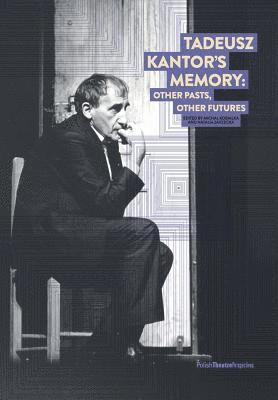
Tadeusz Kantor's Memory
Other pasts, other futures
Av Michal Kobialka, Natalia Zarzecka
Häftad, 2018
603 kr
Tillfälligt slut