Michał Wanke – författare
Visar alla böcker från författaren Michał Wanke. Handla med fri frakt och snabb leverans.
7 produkter
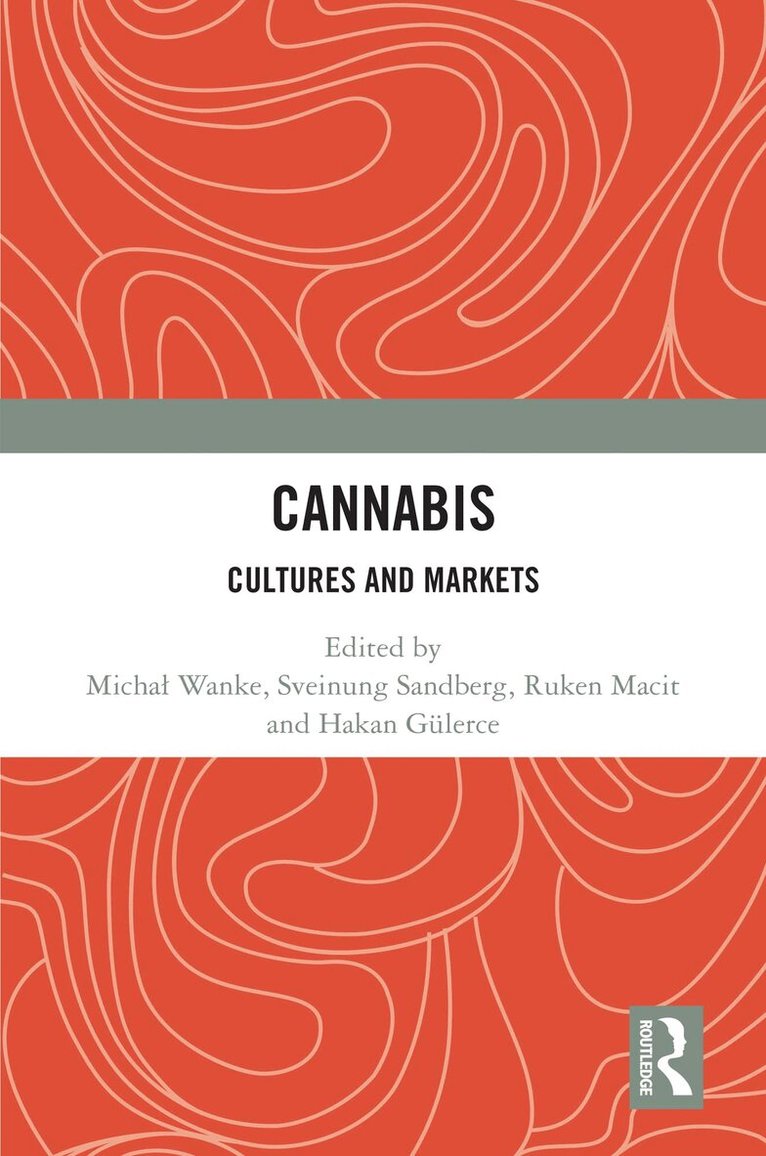
Cannabis
Cultures and Markets
Av Michał Wanke, Sveinung Sandberg m. fl.
Inbunden, 2024
2504 kr
Lägg i varukorg
This book demonstrates how culture matters for the understanding of cannabis use. It stems from the growing body of research on how users manoeuvre stigmatisation and celebrate the subcultural status of cannabis amid rapid transformation of the substance and its societal reception. The volume …
Cannabis
Cultures and Markets
Av Michał Wanke, Sveinung Sandberg m. fl.
Häftad, 2025
704 kr
Lägg i varukorg
This book demonstrates how culture matters for the understanding of cannabis use. It stems from the growing body of research on how users manoeuvre stigmatisation and celebrate the subcultural status of cannabis amid rapid transformation of the substance and its societal reception. The volume …
Cannabis
Cultures and Markets
Av Hakan Gulerce, Ruken Macit m. fl.
E-bok, 2024
813 kr
Lägg i varukorg
This book demonstrates how culture matters for the understanding of cannabis use. It stems from the growing body of research on how users manoeuvre stigmatisation and celebrate the subcultural status of cannabis amid rapid transformation of the substance and its societal reception. The volume …
Cannabis
Cultures and Markets
Av Hakan Gulerce, Ruken Macit m. fl.
E-bok, 2024
813 kr
Lägg i varukorg
This book demonstrates how culture matters for the understanding of cannabis use. It stems from the growing body of research on how users manoeuvre stigmatisation and celebrate the subcultural status of cannabis amid rapid transformation of the substance and its societal reception. The volume …
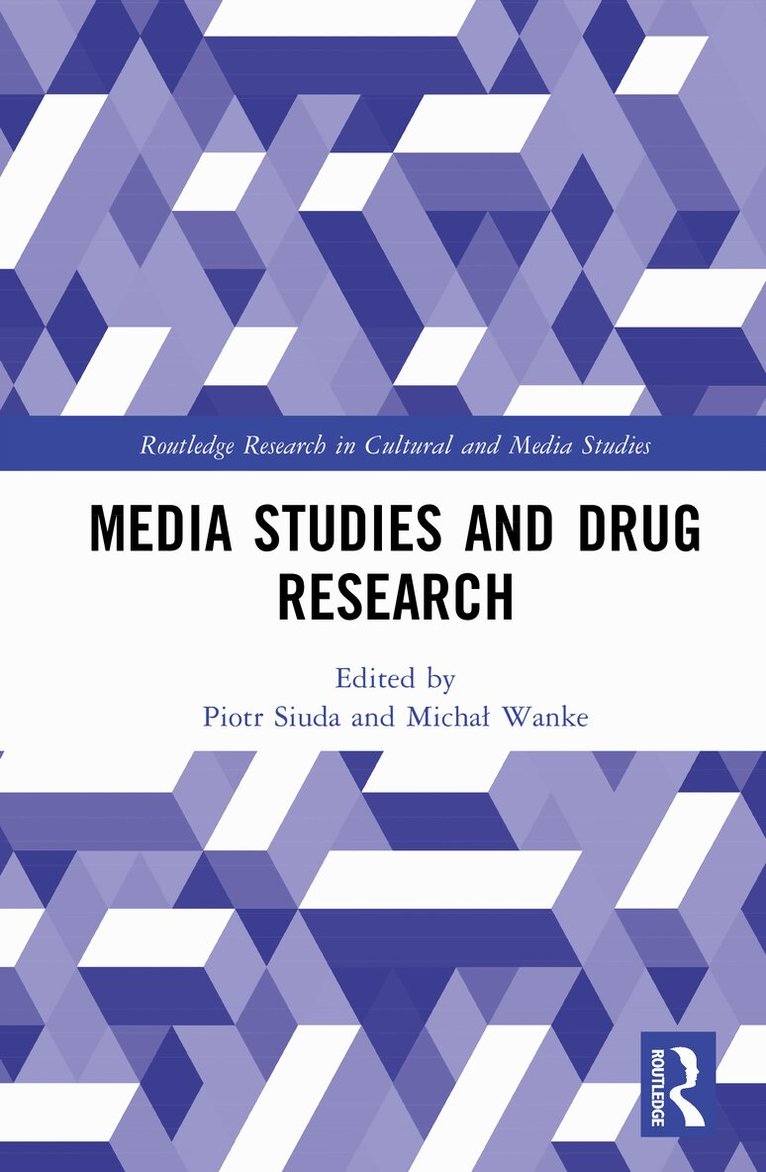
Media Studies and Drug Research
Inbunden, 2026
2468 kr
Kommande
This volume offers a comprehensive outlook on the convergences between media and drug research. Bringing together media scholars and drug researchers to highlight the intricate interconnections of these two dynamic domains, the book explores the mutual entanglements, overlaps, and intersections …
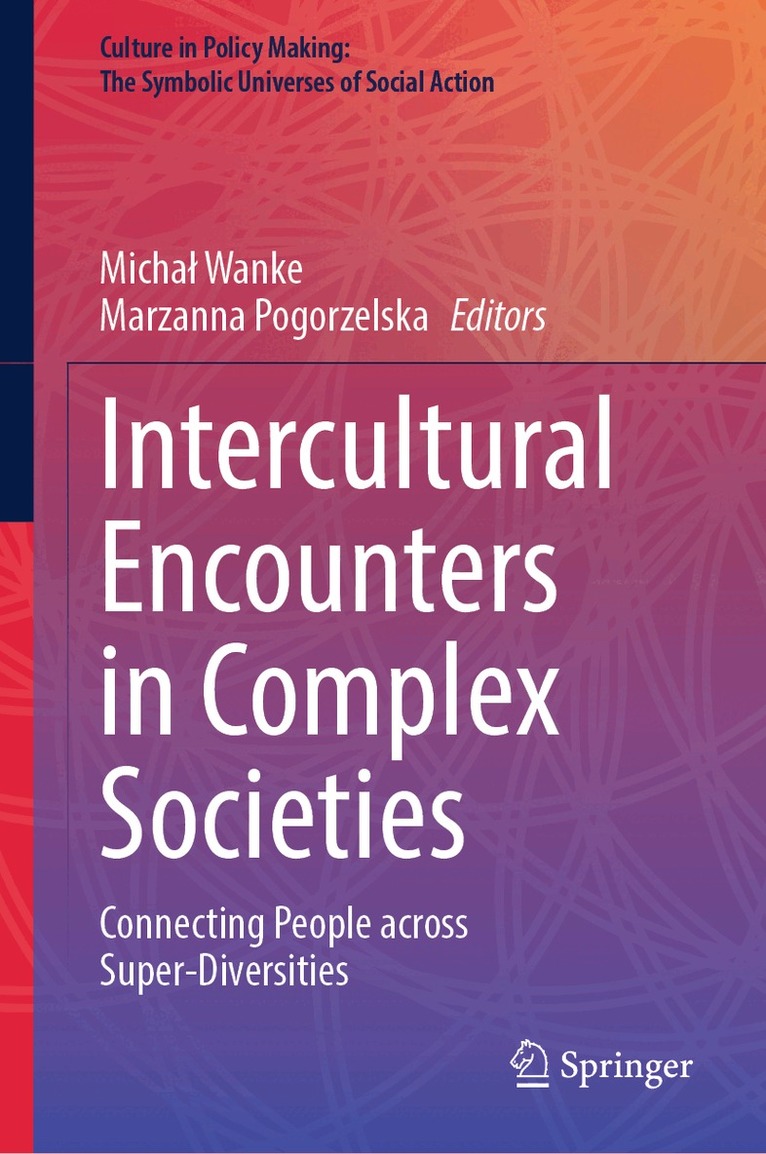
Intercultural Encounters in Complex Societies
Connecting People across Super-Diversities
Av Michał Wanke, Marzanna Pogorzelska
Inbunden, 2026
1487 kr
Lägg i varukorg
This volume delves into intersections of identities in complex societies, which reproduce and cross symbolic boundaries and form as well as challenge power relations. The volume offers both descriptive and analytical contributions with evidence-based suggestions of the ways forward in the messy …
Intercultural Encounters in Complex Societies
Connecting People across Super-Diversities
Av Marzanna Pogorzelska, Michal Wanke
E-bok, 2026
1893 kr
Lägg i varukorg
This volume delves into intersections of identities in complex societies, which reproduce and cross symbolic boundaries and form as well as challenge power relations. The volume offers both descriptive and analytical contributions with evidence-based suggestions of the ways forward in the messy …