Sveinung Sandberg - Böcker
Visar alla böcker från författaren Sveinung Sandberg. Handla med fri frakt och snabb leverans.
10 produkter
10 produkter
2 103 kr
Skickas inom 10-15 vardagar
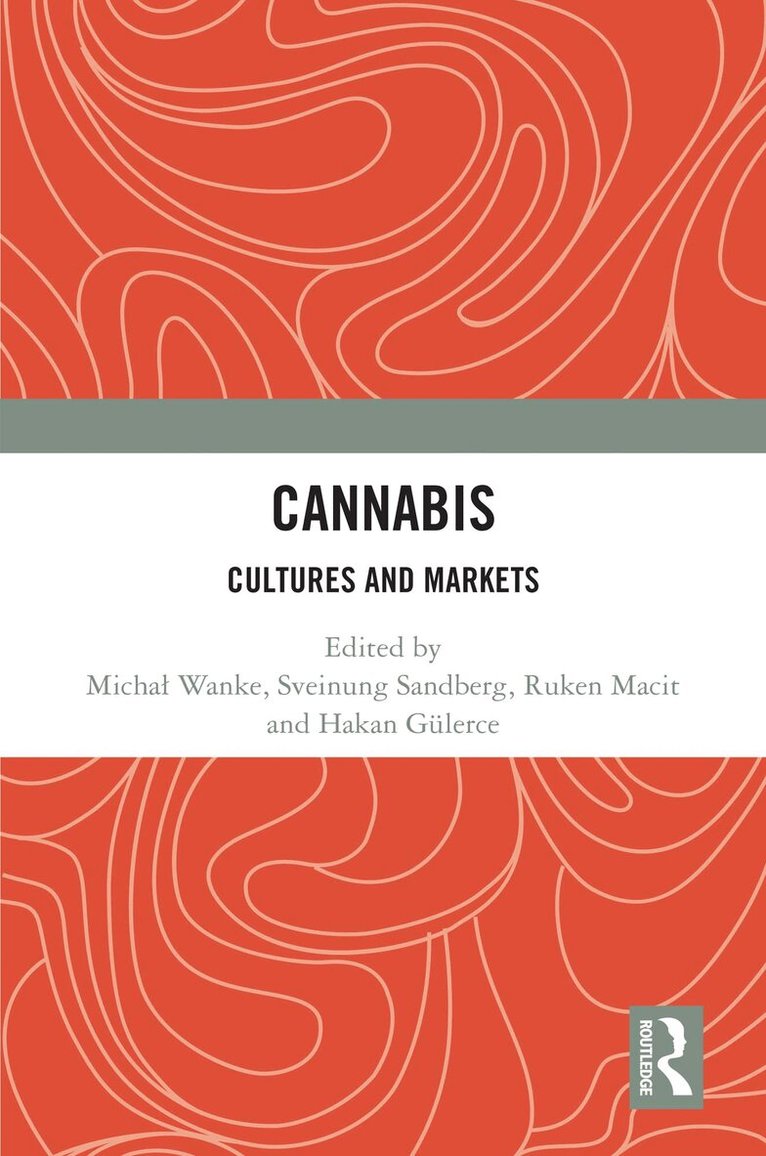
This book demonstrates how culture matters for the understanding of cannabis use. It stems from the growing body of research on how users manoeuvre stigmatisation and celebrate the subcultural status of cannabis amid rapid transformation of the substance and its societal reception. The volume presents international studies that challenge the normalisation thesis and simplified views on patterns of use, as well as the Western bias in social research of cannabis.Chapters in this book map the variability of cannabis cultures and markets on a global scale including digital, regulated and illicit markets in transformation. They study cannabis through stigmatisation, gender, social worlds, symbolic boundaries, subcultures, and identity work. The chapters address diverse themes, such as how Latvian, Polish, Nigerian or Mexican users negotiate mainstream conservative, and sometimes gendered societal reactions to cannabis - and how Nordic users’ identities are played out in more progressive contexts. Chapters also cover cannabis use by older people and small growers’ cultures in the US and the interconnections between the established cultures and their digital augmentation in Australia. Synthetic cannabis use is studied in New Zealand and the many contradictions of contemporary cannabis policies are highlighted throughout.Taken together, this book offers an assortment of studies that provide a descriptive and conceptual snapshot of ongoing transitions of paradoxically stable cannabis cultures. It was originally published as a special issue of Drugs: Education, Prevention and Policy.
629 kr
Skickas inom 10-15 vardagar
This book demonstrates how culture matters for the understanding of cannabis use. It stems from the growing body of research on how users manoeuvre stigmatisation and celebrate the subcultural status of cannabis amid rapid transformation of the substance and its societal reception. The volume presents international studies that challenge the normalisation thesis and simplified views on patterns of use, as well as the Western bias in social research of cannabis.Chapters in this book map the variability of cannabis cultures and markets on a global scale including digital, regulated and illicit markets in transformation. They study cannabis through stigmatisation, gender, social worlds, symbolic boundaries, subcultures, and identity work. The chapters address diverse themes, such as how Latvian, Polish, Nigerian or Mexican users negotiate mainstream conservative, and sometimes gendered societal reactions to cannabis - and how Nordic users’ identities are played out in more progressive contexts. Chapters also cover cannabis use by older people and small growers’ cultures in the US and the interconnections between the established cultures and their digital augmentation in Australia. Synthetic cannabis use is studied in New Zealand and the many contradictions of contemporary cannabis policies are highlighted throughout.Taken together, this book offers an assortment of studies that provide a descriptive and conceptual snapshot of ongoing transitions of paradoxically stable cannabis cultures. It was originally published as a special issue of Drugs: Education, Prevention and Policy.
401 kr
Skickas inom 7-10 vardagar
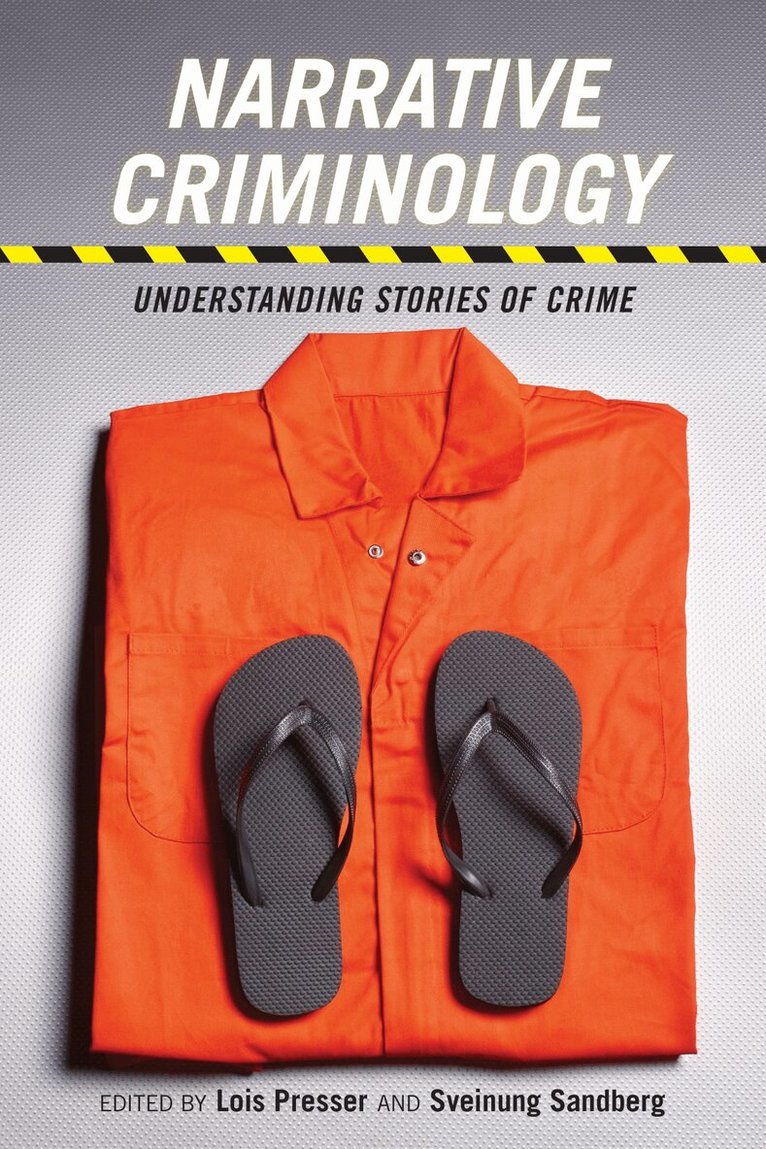
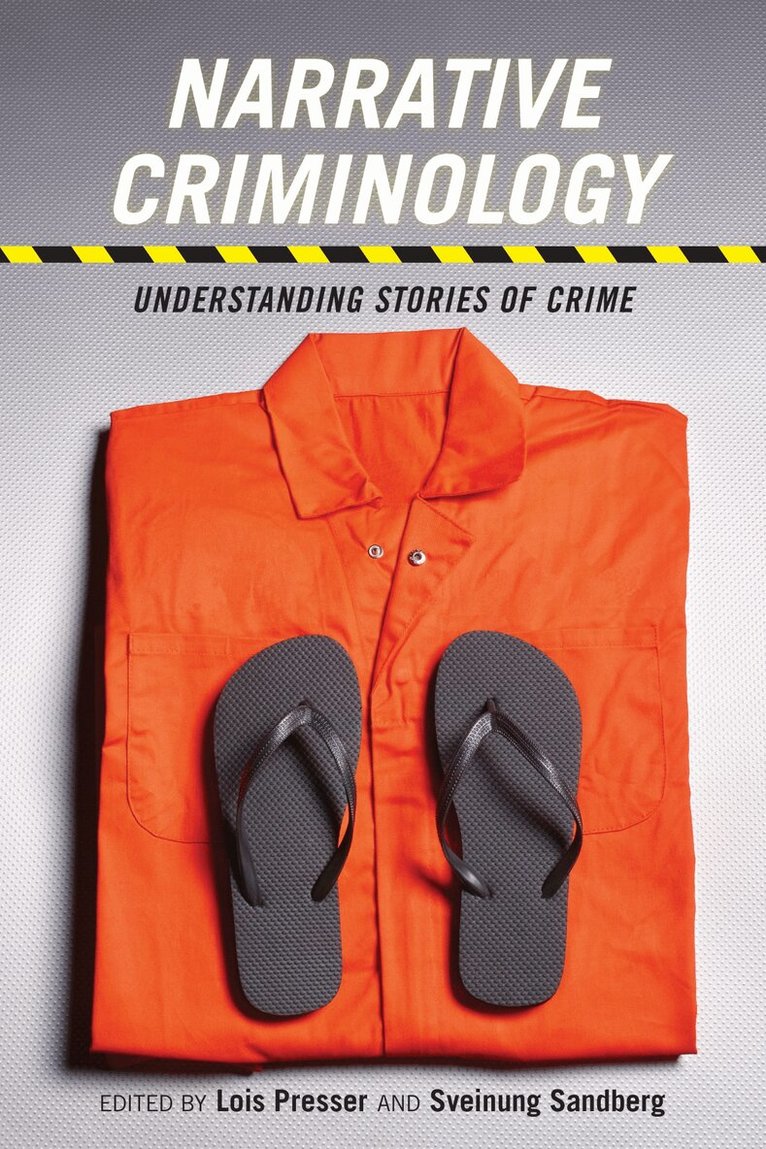
Explores the role of stories in criminal culture and justice systems around the world Stories are much more than a means of communication—stories help us shape our identities, make sense of the world, and mobilize others to action. In Narrative Criminology, prominent scholars from across the academy and around the world examine stories that animate offending. From an examination of how criminals understand certain types of crime to be less moral than others, to how violent offenders and drug users each come to understand or resist their identity as 'criminals', to how cultural narratives motivate genocidal action, the case studies in this book cover a wide array of crimes and justice systems throughout the world. The contributors uncover the narratives at the center of their essays through qualitative interviews, ethnographic fieldwork, and written archives, and they scrutinize narrative structure and meaning by analyzing genres, plots, metaphors, and other components of storytelling. In doing so, they reveal the cognitive, ideological, and institutional mechanisms by which narratives promote harmful action. Finally, they consider how offenders' narratives are linked to and emerge from those of conventional society or specific subcultures. Each chapter reveals important insights and elements for the development of a framework of narrative criminology as an important approach for understanding crime and criminal justice. An unprecedented and landmark collection, Narrative Criminology opens the door for an exciting new field of study on the role of stories in motivating and legitimizing harm.
952 kr
Skickas inom 10-15 vardagar
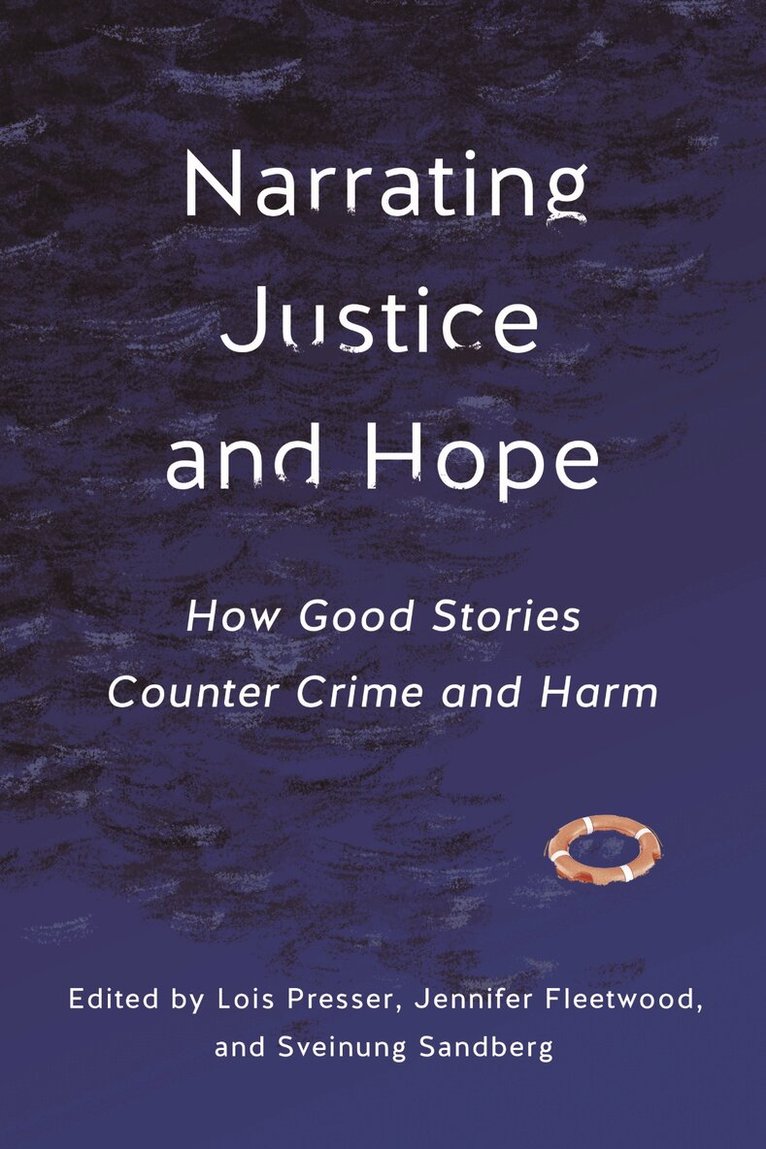
The power of storytelling in troubling timesViolence, pain and punishment dominate portrayals of social problems but the reality is more complex. In the world of actual people and experience, other, more hopeful stories are told in relation to crime and harm: narratives of justice, cooperation, kindness, and redemption. Narrating Justice and Hope examines the rich potential for narratives to do good in the context of interpersonal harm and the devastating social conditions of the present moment–including climate crisis, political polarization, and interconnected systems of inequality. Featuring a stellar list of contributors from across the globe, this volume asks: How do people produce good stories in the context of these harms? What types of narratives will create lasting social change? What does it take to tell good stories?Each chapter examines subjects ranging from the success stories of formerly incarcerated people, women speaking out about sexual violence, and young climate activists. Throughout Narrating Justice and Hope, stories and storytelling thwart trouble, foster healing and connection, and envision better futures. The collection also grapples with critical issues including the nature of good, the performative nature of storytelling, and the hazards of exploiting subjugated people's stories. With chapters from a number of well-known scholars, this volume will be an important contribution for sociology, criminology, and legal scholars.
322 kr
Skickas inom 7-10 vardagar
The power of storytelling in troubling timesViolence, pain and punishment dominate portrayals of social problems but the reality is more complex. In the world of actual people and experience, other, more hopeful stories are told in relation to crime and harm: narratives of justice, cooperation, kindness, and redemption. Narrating Justice and Hope examines the rich potential for narratives to do good in the context of interpersonal harm and the devastating social conditions of the present moment–including climate crisis, political polarization, and interconnected systems of inequality. Featuring a stellar list of contributors from across the globe, this volume asks: How do people produce good stories in the context of these harms? What types of narratives will create lasting social change? What does it take to tell good stories?Each chapter examines subjects ranging from the success stories of formerly incarcerated people, women speaking out about sexual violence, and young climate activists. Throughout Narrating Justice and Hope, stories and storytelling thwart trouble, foster healing and connection, and envision better futures. The collection also grapples with critical issues including the nature of good, the performative nature of storytelling, and the hazards of exploiting subjugated people's stories. With chapters from a number of well-known scholars, this volume will be an important contribution for sociology, criminology, and legal scholars.
1 152 kr
Skickas inom 10-15 vardagar
Explores the role of stories in criminal culture and justice systems around the world Stories are much more than a means of communication—stories help us shape our identities, make sense of the world, and mobilize others to action. In Narrative Criminology, prominent scholars from across the academy and around the world examine stories that animate offending. From an examination of how criminals understand certain types of crime to be less moral than others, to how violent offenders and drug users each come to understand or resist their identity as 'criminals', to how cultural narratives motivate genocidal action, the case studies in this book cover a wide array of crimes and justice systems throughout the world. The contributors uncover the narratives at the center of their essays through qualitative interviews, ethnographic fieldwork, and written archives, and they scrutinize narrative structure and meaning by analyzing genres, plots, metaphors, and other components of storytelling. In doing so, they reveal the cognitive, ideological, and institutional mechanisms by which narratives promote harmful action. Finally, they consider how offenders' narratives are linked to and emerge from those of conventional society or specific subcultures. Each chapter reveals important insights and elements for the development of a framework of narrative criminology as an important approach for understanding crime and criminal justice. An unprecedented and landmark collection, Narrative Criminology opens the door for an exciting new field of study on the role of stories in motivating and legitimizing harm.
1 896 kr
Skickas inom 7-10 vardagar
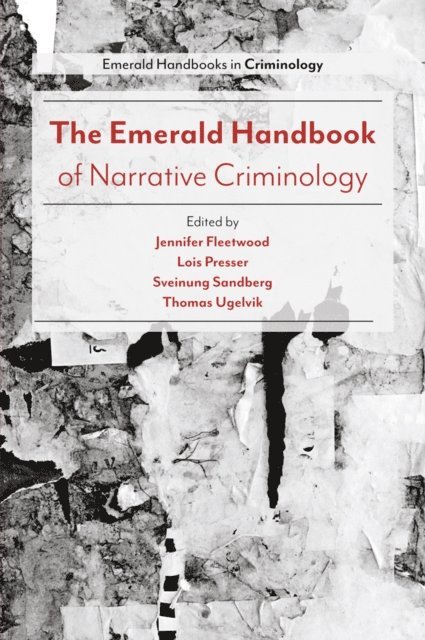
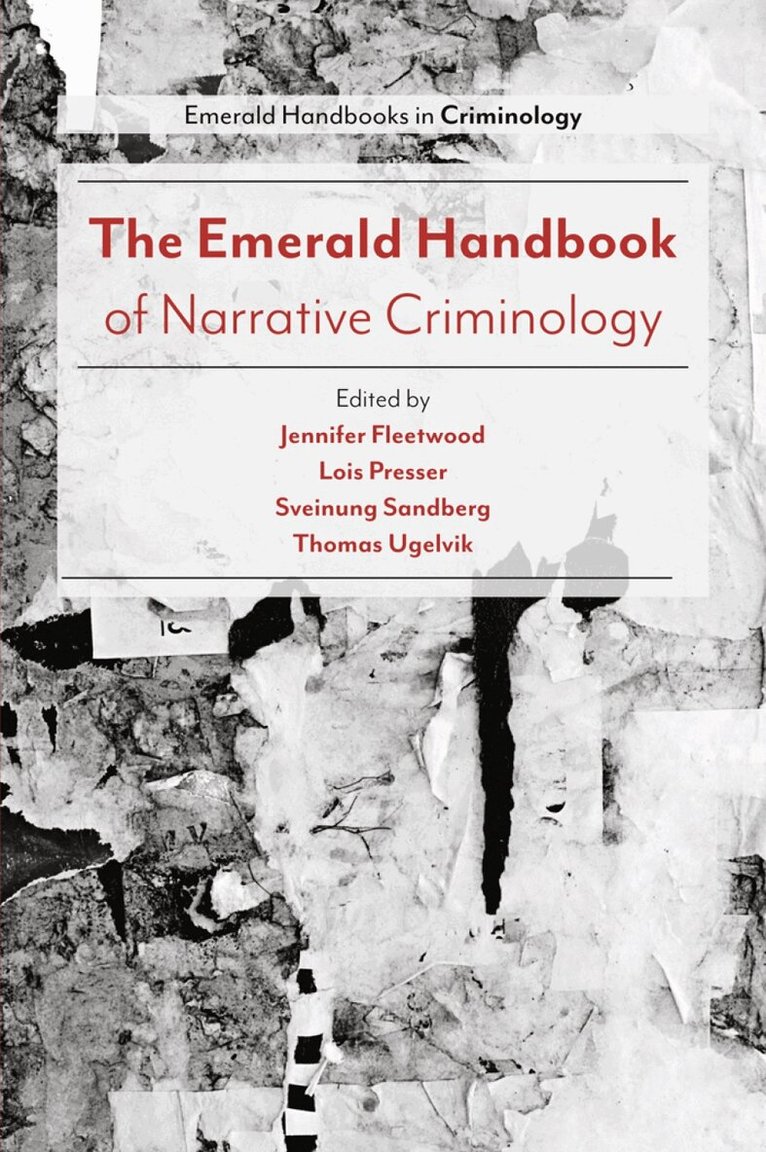
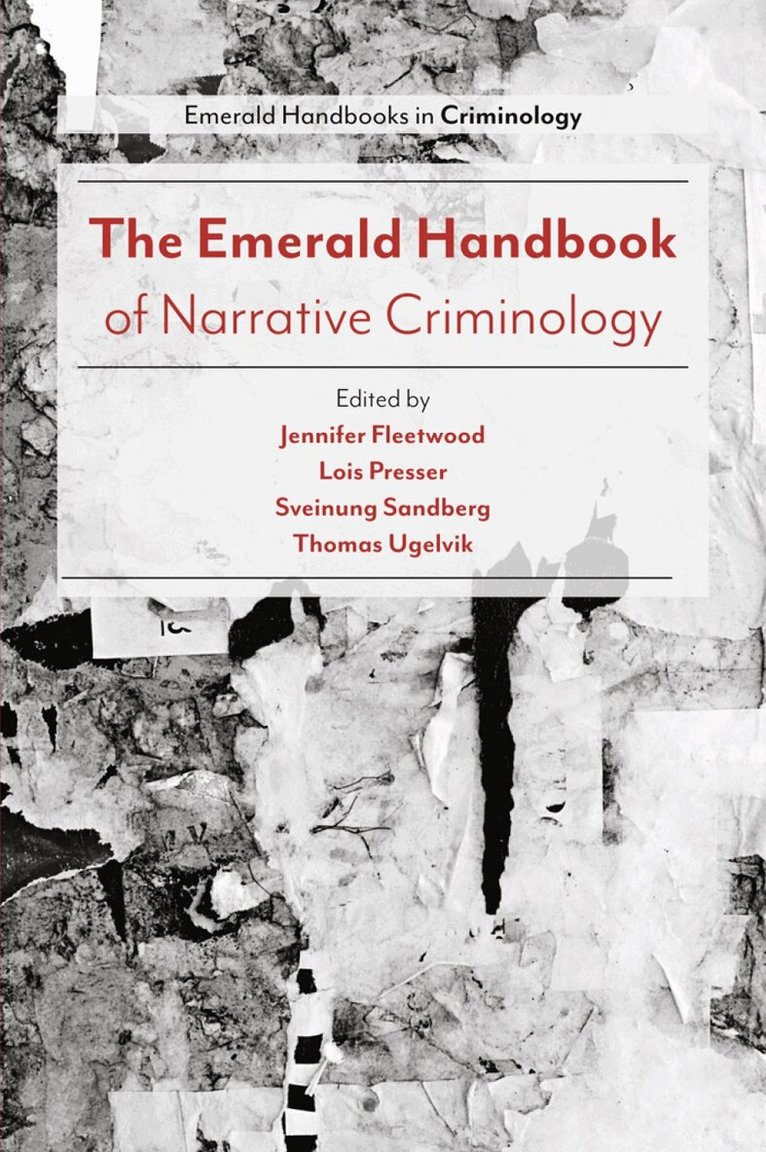
Narrative criminology is an approach to studying crime and other harm that puts stories first. It investigates how such stories are composed, when and why they are told and what their effects are. This edited collection explores the methodological challenges of analysing offenders' stories, but pushes the boundaries of the field to consider the narratives of victims, bystanders and criminal justice professionals. This Handbook reflects the diversity of methodological approaches employed in narrative criminology. Chapters discuss the practicalities of listening to and observing narratives through ethnographic and observational research, and offer accessible guides to using diverse methodological approaches for listening to and interpreting narrative data. With contributions from established and emerging scholars from all over the world, and from diverse fields including politics, psychology, sociology and criminology, the Handbook reflects the cutting edge of narrative methodologies for understanding crime, control and victimisation and is an essential resource for academics studying and teaching on narrative criminology.
702 kr
Skickas inom 7-10 vardagar
Narrative criminology is an approach to studying crime and other harm that puts stories first. It investigates how such stories are composed, when and why they are told and what their effects are. This edited collection explores the methodological challenges of analysing offenders' stories, but pushes the boundaries of the field to consider the narratives of victims, bystanders and criminal justice professionals. This Handbook reflects the diversity of methodological approaches employed in narrative criminology. Chapters discuss the practicalities of listening to and observing narratives through ethnographic and observational research, and offer accessible guides to using diverse methodological approaches for listening to and interpreting narrative data. With contributions from established and emerging scholars from all over the world, and from diverse fields including politics, psychology, sociology and criminology, the Handbook reflects the cutting edge of narrative methodologies for understanding crime, control and victimisation and is an essential resource for academics studying and teaching on narrative criminology.
1 188 kr
Skickas inom 7-10 vardagar
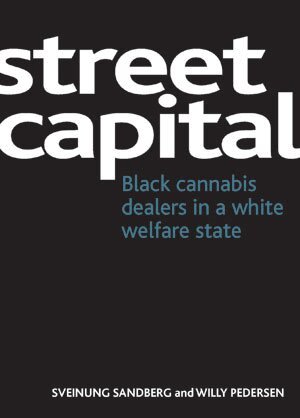
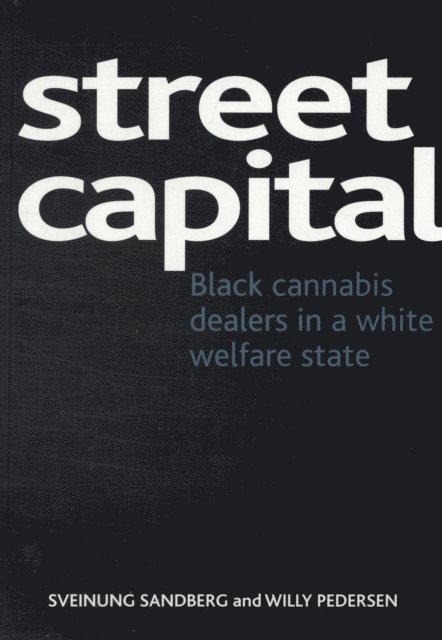
'Street capital' introduces the worlds of young black men dealing cannabis at a drug scene called The River in Oslo, Norway. The lives of these men are structured by a huge and complex cannabis economy and they are involved in fights, robberies and substance abuse. They lack jobs and education, and many of them do not have family or close friends, yet they do have 'street capital': the knowledge, skills and competence necessary to manage life on the streets.Centred on this concept of 'street capital', this unique book presents a new theoretical framework - inspired by and expanding on the work of Pierre Bourdieu, the French sociologist - for understanding street cultures. It is based on extensive fieldwork and repeated in-depth interviews with dealers aged between 15 and 30, which explore themes including marginalisation, discrimination, cannabis dealing and drug use, violence, masculinity, hip-hop culture, experiences with the welfare system, and issues of immigration and racism. The book also analyses the discursive practice of marginalised people on the street and identifies the narratives by which these young men live.
440 kr
Skickas inom 7-10 vardagar
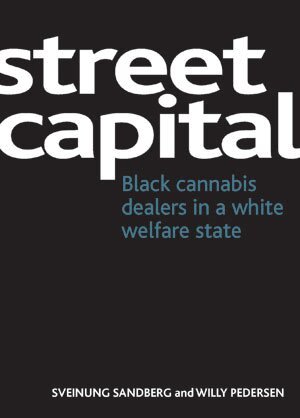
'Street capital' introduces the worlds of young black men dealing cannabis at a drug scene called The River in Oslo, Norway. The lives of these men are structured by a huge and complex cannabis economy and they are involved in fights, robberies and substance abuse. They lack jobs and education, and many of them do not have family or close friends, yet they do have 'street capital': the knowledge, skills and competence necessary to manage life on the streets.Centred on this concept of 'street capital', this unique book presents a new theoretical framework - inspired by and expanding on the work of Pierre Bourdieu, the French sociologist - for understanding street cultures. It is based on extensive fieldwork and repeated in-depth interviews with dealers aged between 15 and 30, which explore themes including marginalisation, discrimination, cannabis dealing and drug use, violence, masculinity, hip-hop culture, experiences with the welfare system, and issues of immigration and racism. The book also analyses the discursive practice of marginalised people on the street and identifies the narratives by which these young men live.