Jennifer Fleetwood - Böcker
Visar alla böcker från författaren Jennifer Fleetwood. Handla med fri frakt och snabb leverans.
5 produkter
5 produkter
954 kr
Skickas inom 10-15 vardagar
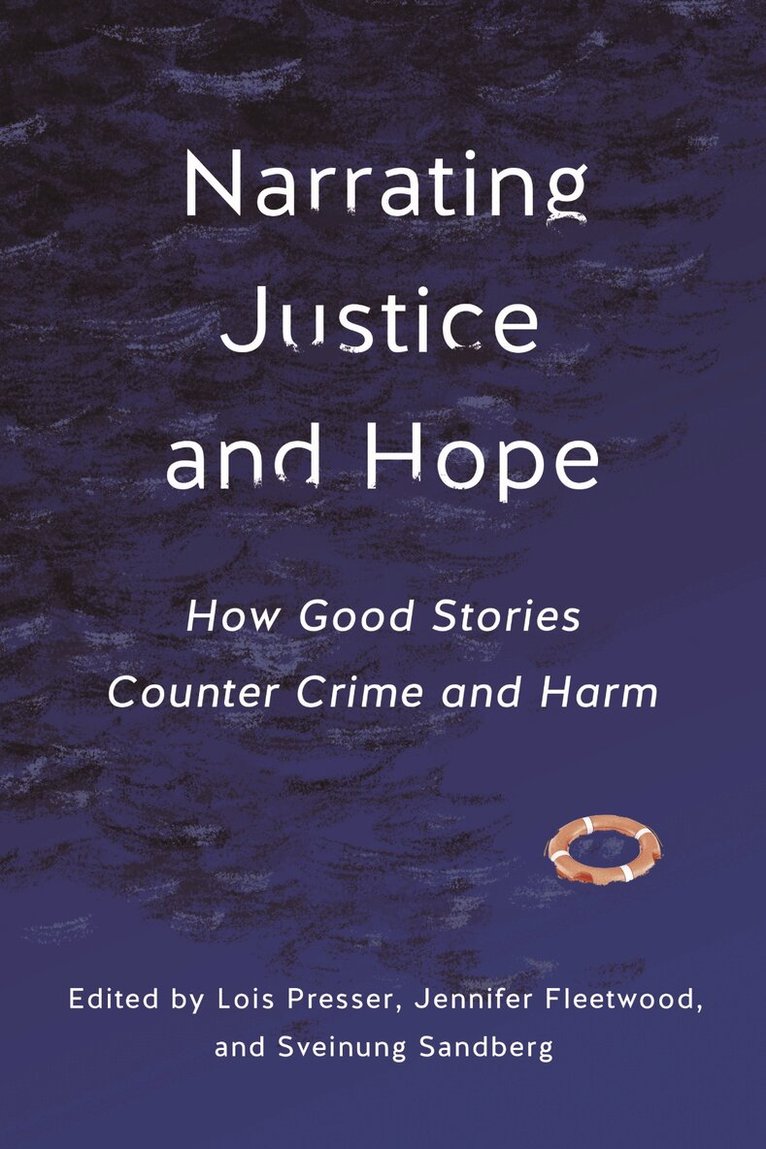
The power of storytelling in troubling timesViolence, pain and punishment dominate portrayals of social problems but the reality is more complex. In the world of actual people and experience, other, more hopeful stories are told in relation to crime and harm: narratives of justice, cooperation, kindness, and redemption. Narrating Justice and Hope examines the rich potential for narratives to do good in the context of interpersonal harm and the devastating social conditions of the present moment–including climate crisis, political polarization, and interconnected systems of inequality. Featuring a stellar list of contributors from across the globe, this volume asks: How do people produce good stories in the context of these harms? What types of narratives will create lasting social change? What does it take to tell good stories?Each chapter examines subjects ranging from the success stories of formerly incarcerated people, women speaking out about sexual violence, and young climate activists. Throughout Narrating Justice and Hope, stories and storytelling thwart trouble, foster healing and connection, and envision better futures. The collection also grapples with critical issues including the nature of good, the performative nature of storytelling, and the hazards of exploiting subjugated people's stories. With chapters from a number of well-known scholars, this volume will be an important contribution for sociology, criminology, and legal scholars.
322 kr
Skickas
The power of storytelling in troubling timesViolence, pain and punishment dominate portrayals of social problems but the reality is more complex. In the world of actual people and experience, other, more hopeful stories are told in relation to crime and harm: narratives of justice, cooperation, kindness, and redemption. Narrating Justice and Hope examines the rich potential for narratives to do good in the context of interpersonal harm and the devastating social conditions of the present moment–including climate crisis, political polarization, and interconnected systems of inequality. Featuring a stellar list of contributors from across the globe, this volume asks: How do people produce good stories in the context of these harms? What types of narratives will create lasting social change? What does it take to tell good stories?Each chapter examines subjects ranging from the success stories of formerly incarcerated people, women speaking out about sexual violence, and young climate activists. Throughout Narrating Justice and Hope, stories and storytelling thwart trouble, foster healing and connection, and envision better futures. The collection also grapples with critical issues including the nature of good, the performative nature of storytelling, and the hazards of exploiting subjugated people's stories. With chapters from a number of well-known scholars, this volume will be an important contribution for sociology, criminology, and legal scholars.
1 882 kr
Skickas inom 7-10 vardagar
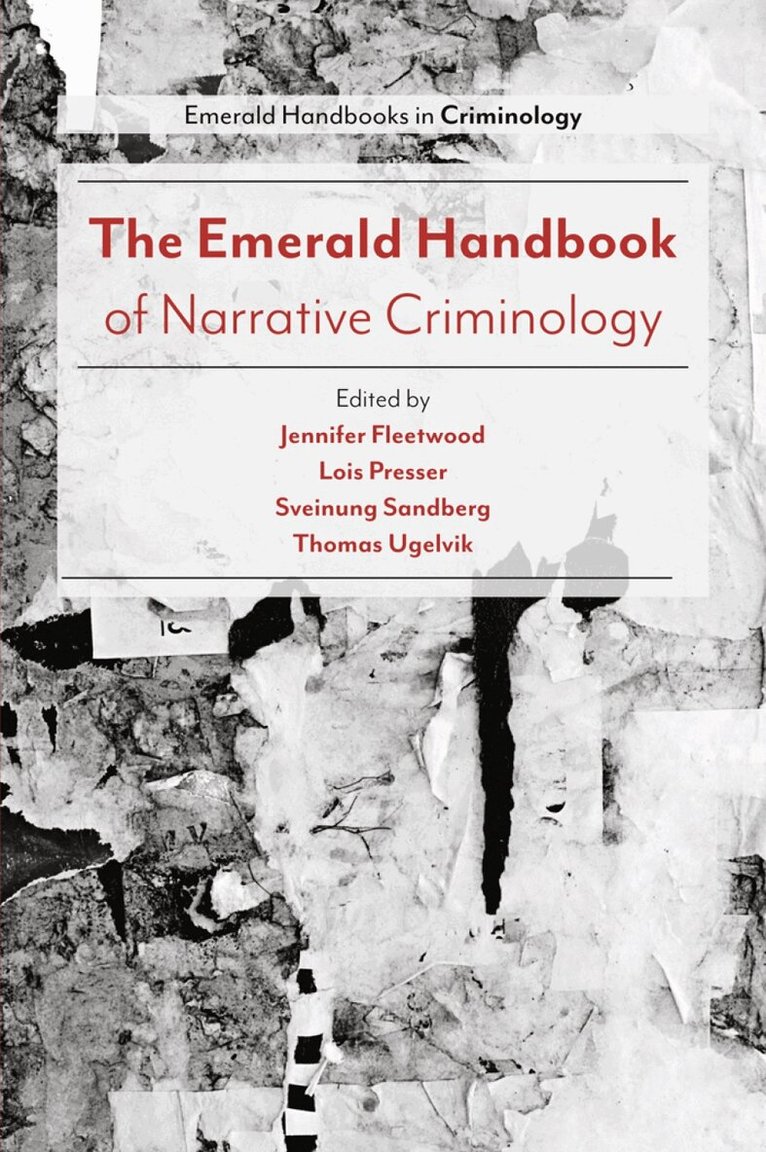
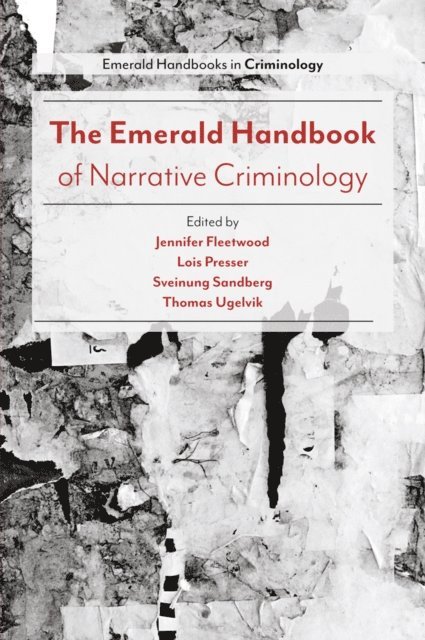
Narrative criminology is an approach to studying crime and other harm that puts stories first. It investigates how such stories are composed, when and why they are told and what their effects are. This edited collection explores the methodological challenges of analysing offenders' stories, but pushes the boundaries of the field to consider the narratives of victims, bystanders and criminal justice professionals. This Handbook reflects the diversity of methodological approaches employed in narrative criminology. Chapters discuss the practicalities of listening to and observing narratives through ethnographic and observational research, and offer accessible guides to using diverse methodological approaches for listening to and interpreting narrative data. With contributions from established and emerging scholars from all over the world, and from diverse fields including politics, psychology, sociology and criminology, the Handbook reflects the cutting edge of narrative methodologies for understanding crime, control and victimisation and is an essential resource for academics studying and teaching on narrative criminology.
704 kr
Skickas inom 7-10 vardagar
Narrative criminology is an approach to studying crime and other harm that puts stories first. It investigates how such stories are composed, when and why they are told and what their effects are. This edited collection explores the methodological challenges of analysing offenders' stories, but pushes the boundaries of the field to consider the narratives of victims, bystanders and criminal justice professionals. This Handbook reflects the diversity of methodological approaches employed in narrative criminology. Chapters discuss the practicalities of listening to and observing narratives through ethnographic and observational research, and offer accessible guides to using diverse methodological approaches for listening to and interpreting narrative data. With contributions from established and emerging scholars from all over the world, and from diverse fields including politics, psychology, sociology and criminology, the Handbook reflects the cutting edge of narrative methodologies for understanding crime, control and victimisation and is an essential resource for academics studying and teaching on narrative criminology.
143 kr
Skickas
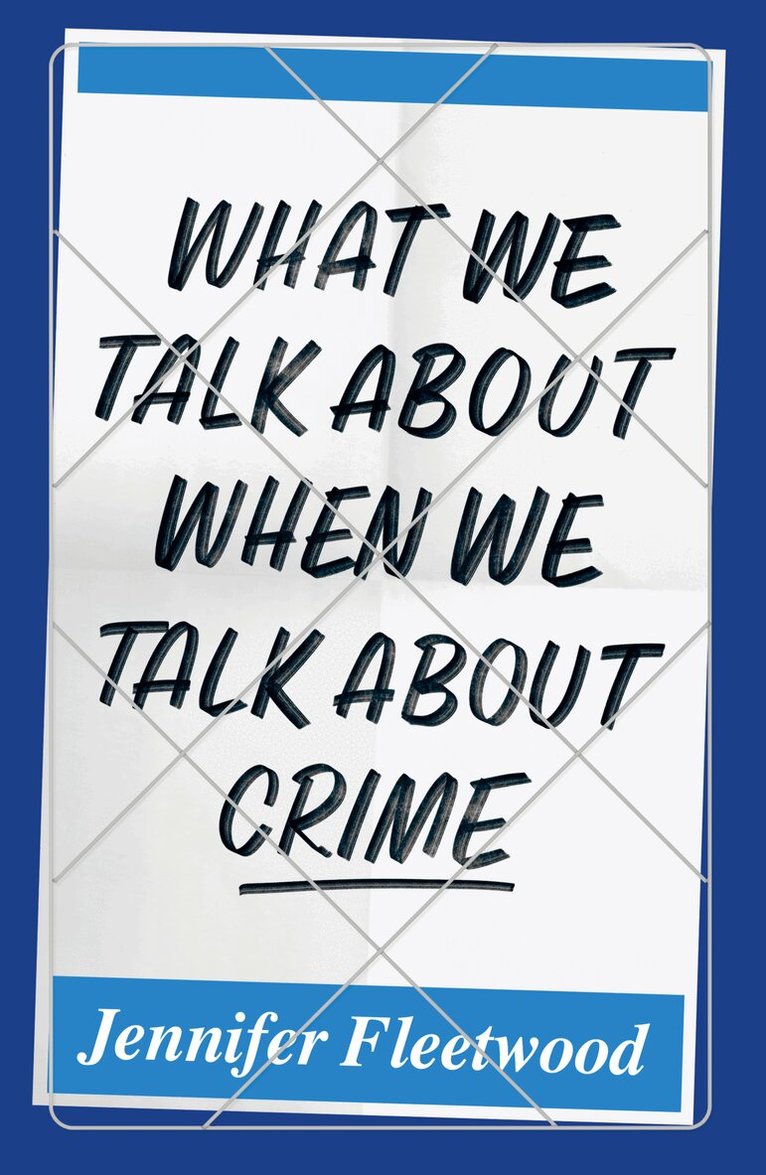
Over the past few decades, there has been a remarkable rise in the number of people who speak publicly about their experience of crime. These personal accounts used to be confined to the police station and the courtroom, but today bookshops heave with autobiographies by prisoners, criminals, police and barristers while streaming platforms host hours of interviews with serial killers, death-row residents, vigilantes and gang members.In this fascinating new book, criminologist Jennifer Fleetwood examines seven infamous crime stories to make sense of this modern confessional impulse, including Howard Marks’s outlandish autobiography Mr Nice, Shamima Begum’s controversial Times interview, Prince Andrew’s disastrous Newsnight appearance and Myra Hindley’s unpublished prison letters.