Michel Feith - Böcker
Visar alla böcker från författaren Michel Feith. Handla med fri frakt och snabb leverans.
3 produkter
3 produkter
315 kr
Skickas inom 10-15 vardagar
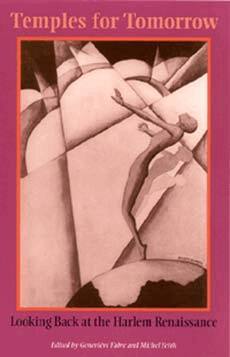
The Harlem Renaissance is rightly considered to be a moment of creative exuberance and unprecedented explosion. Today, there is a renewed interest in this movement, calling for a re-evaluation and a closer scrutiny of the era and of documents that have only recently become available. Temples for Tomorrow reconsiders the period—between two world wars—which confirmed the intuitions of W. E. B. DuBois on the "color line" and gave birth to the "American dilemma," later evoked by Gunnar Myrdal. Issuing from a generation bearing new hopes and aspirations, a new vision takes form and develops around the concept of the New Negro, with a goal: to recreate an African American identity and claim its legitimate place in the heart of the nation. In reality, this movement organized into a remarkable institutional network, which was to remain the vision of an elite, but which gave birth to tensions and differences.This collection attempts to assess Harlem's role as a "Black Mecca", as "site of intimate performance" of African American life, and as focal point in the creation of a diasporic identity in dialogue with the Caribbean and French-speaking areas.Essays treat the complex interweaving of Primitivism and Modernism, of folk culture and elitist aspirations in different artistic media, with a view to defining the interaction between music, visual arts, and literature.Also included are known Renaissance intellectuals and writers. Even though they had different conceptions of the role of the African American artist in a racially segregated society, most participants in the New Negro movement shared a desire to express a new assertiveness in terms of literary creation and indentity-building.
471 kr
Skickas inom 5-8 vardagar
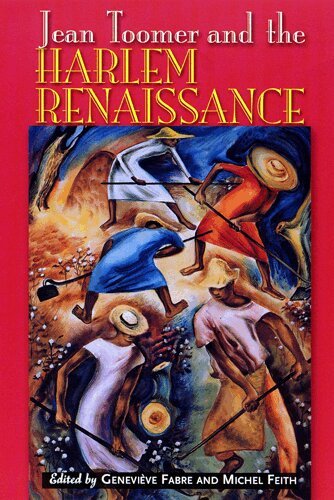
Jean Toomer's novel Cane has been hailed as the harbinger of the Harlem Renaissance and as a model for modernist writing, yet it eludes categorization and its author remains an enigmatic and controversial figure in American literature. The present collection of essays by European and American scholars gives a fresh perspective by using sources made available only in recent years, highlighting Toomer's bold experimentations, as well as his often ambiguous responses to the questions of his time. Some of the essays achieve this through close readings of the text, leading to new and challenging interpretations of Toomer's transcendence of genres and styles. Others show how the publication of Cane and his later writings placed Toomer at the heart of contemporary ideological and artistic debates: race and identity, the negro writer and the white literary world, primitivism and modernism.
553 kr
Skickas inom 7-10 vardagar
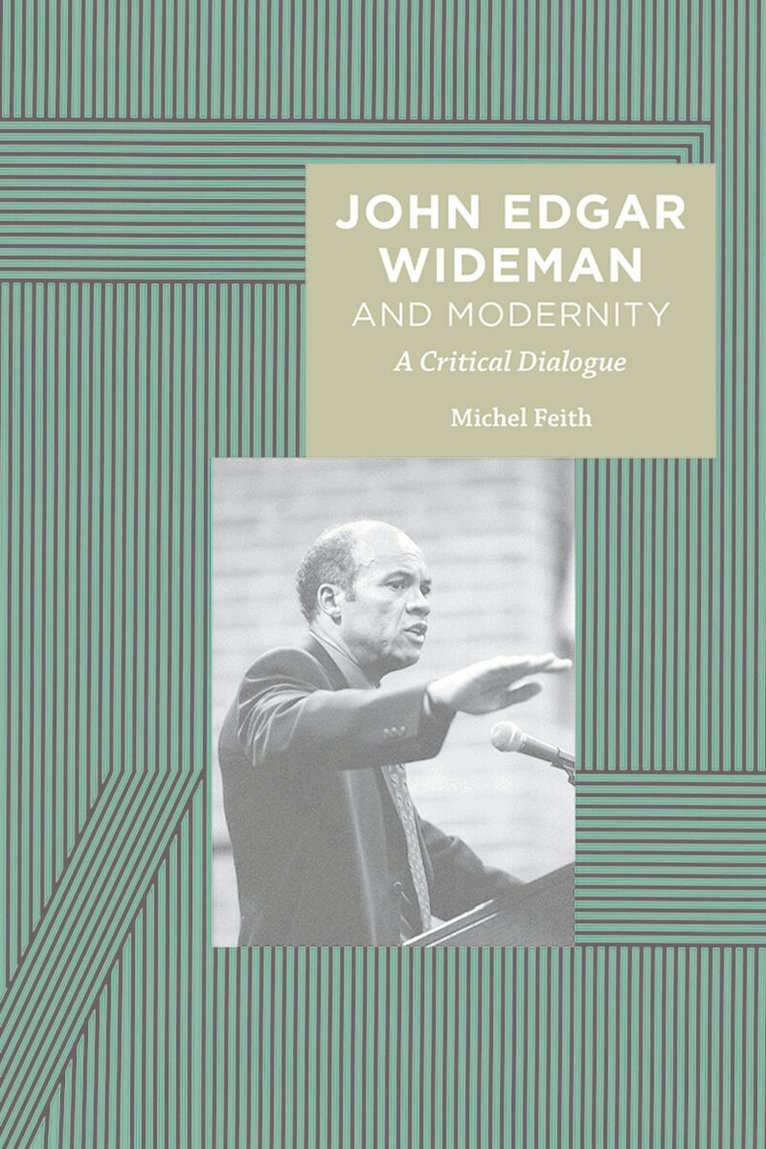
The career of writer John Edgar Wideman has been the sort of success story on which America prides itself. Coming from an inner-city African American neighborhood, he studied at the Universities of Pennsylvania and Oxford; published his first novel at age twenty-six; won two PEN/Faulkner Awards, as well as a MacArthur “genius grant”; and has held several top teaching posts. But profound tragedy has also marked his life: both his brother and son received life sentences for murder, and a nephew was killed at home after a bar fight. His life thus illustrates how the strictures of “race” temper American notions of freedom and opportunity.Wideman’s engagement with race and identity has been nuanced and complex, taking the form of what Michel Feith sees as a critical dialogue with modernity–a moment in history which gave birth not only to the Enlightenment but also to American slavery and the conundrum of “race.” Feith argues that the key work in the Wideman oeuvre is The Cattle Killing (1996), his only “historical novel,” whose threads include the 1793 yellow fever epidemic in Philadelphia, the 1856–57 Cattle Killing prophecy, which wreaked havoc among the Xhosa tribe of South Africa, and the contemporary situation of black ghettos in the United States. Unfolding within the early days of the American Republic, the novel offers a window through which all of Wideman’s works and their central concerns—ghettoization, imprisonment, familial relationships, emancipation, and the diasporic sense of history—can be understood.With clarity and theoretical sophistication, Feith offers provocative new readings of Wideman’s texts, from the “Homewood” books based on his youth in Pittsburgh to his haunting memoir Brothers and Keepers. In the “postmodern” era, Feith suggests, critics of modernity are not in short supply, but few have the depth, rigor, and thoughtfulness of John Edgar Wideman.