
Michèle Schindler – författare
Visar alla böcker från författaren Michèle Schindler. Handla med fri frakt och snabb leverans.
6 produkter
6 produkter
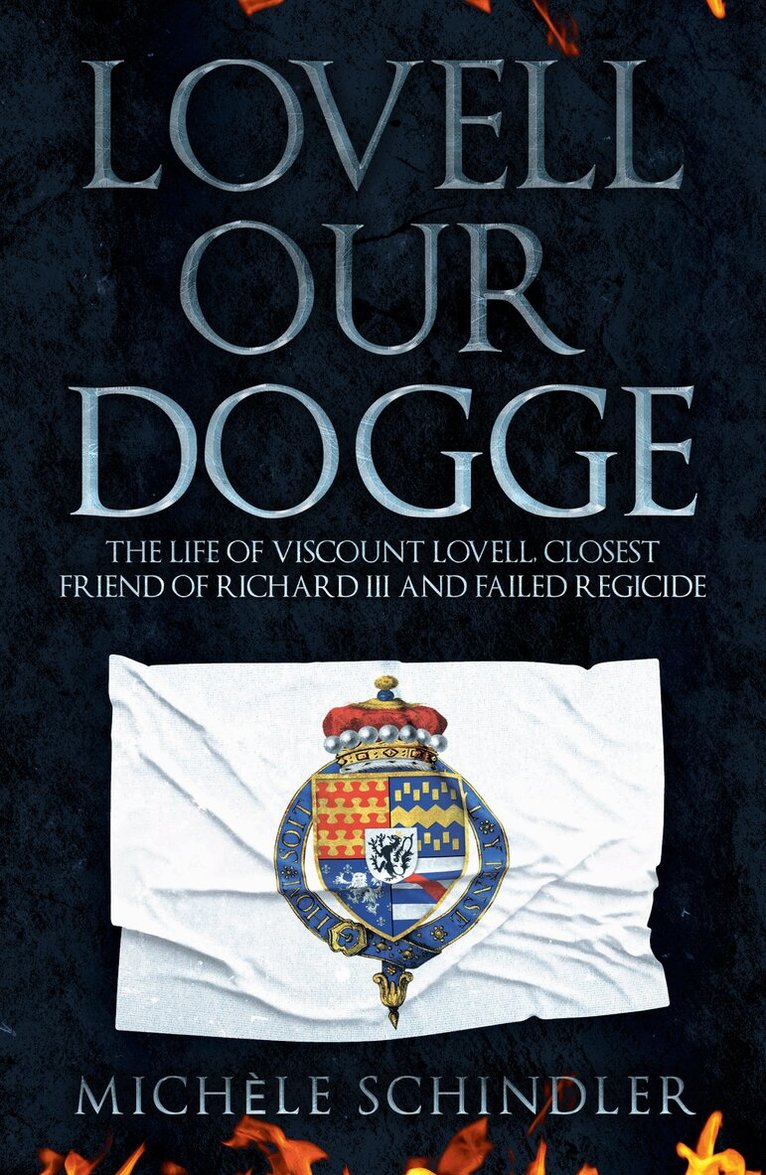
Lovell our Dogge
The Life of Viscount Lovell, Closest Friend of Richard III and Failed Regicide
Häftad, Engelska, 2022
114 kr
Skickas
In July 1484 Tudor agent William Collingbourne – executed for treason in 1484 – tacked up a lampoon to the walls of St Paul’s Cathedral:‘The Catte, the Ratte and Lovell our dogge rulyth all Englande under a hogge.’That cat was Sir William Catesby, one of Richard III’s principal councillors and Chancellor of the Exchequer, executed after the Battle of Bosworth. The rat was Sir Richard Ratcliffe, who fought with Richard during the Scottish campaigns.And the dog was Francis Lovell, not only an ally of Richard III but his closest friend, and one of the wealthiest barons in England. Author Michèle Schindler returns to primary sources to reveal the man who was not only a boyhood friend of the king-to-be as a ward of Edward IV, but also linked to him by marriage: his wife, Anne FitzHugh, was first cousin to Richard’s wife, Anne Neville.Lovell served with the Duke of Gloucester, as Richard then was, in Scotland in 1481. At Richard’s coronation, Lovell bore the third sword of state. In June 1485 he was tasked with guarding the south coast against the landing of Henry Tudor. His loyalty never wavered – even after Bosworth. He organised a revolt in Yorkshire and was behind an attempt to assassinate Henry VII. Having fled to Flanders, he played a prominent role in the Lambert Simnel enterprise. He fought at the Battle of Stoke Field in 1487 and was seen escaping, destination unknown. His final demise provides an intriguing puzzle that the author teases out.
245 kr
Skickas
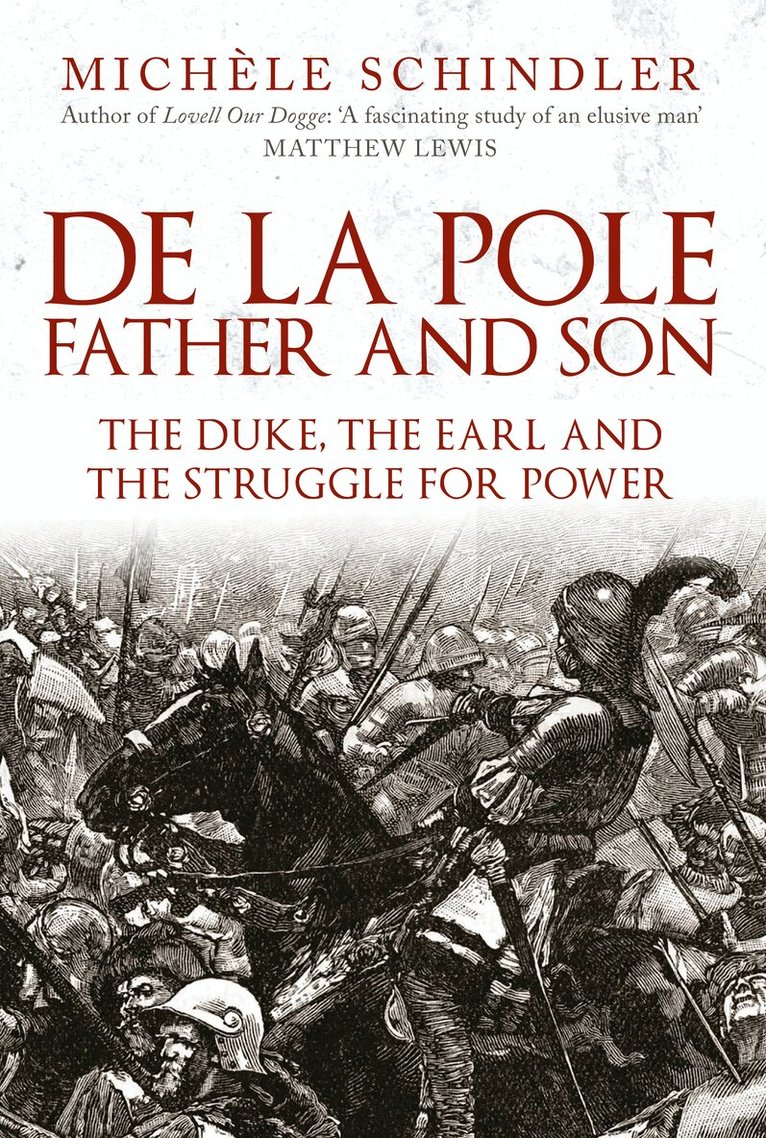
John de la Pole, 2nd Duke of Suffolk (1442–1492) was a major magnate in fifteenth-century England. His youth was overshadowed by the political fall and subsequent murder of his father, who had been a favourite of King Henry VI but was increasingly distrusted by the rest of the nobility. His second marriage, to Elizabeth of York, the sixth child and third daughter of Richard Plantagenet, 3rd Duke of York, made him the brother-in-law of two kings, Edward IV and Richard III. The second eldest of his thirteen children from the marriage, also John, would eventually be named heir to Richard III in 1484 and die in battle in the Yorkist cause. The father would outlive the son.Part of the fascination in this dual biography is the relationship between these two powerful figures and their differing involvement in the Wars of the Roses. Did the elder John approve of his son’s rebellion and close involvement in the Lambert Simnel conspiracy? How much did he support his claim to the throne? The differences between the political decisions of the Duke of Suffolk and the Earl of Lincoln are profound, despite the ties of blood. By focussing on these two overlapping lives, Michèle Schindler provides a new perspective on the tumultuous events of fifteenth-century England and the birth of the modern nation-state.
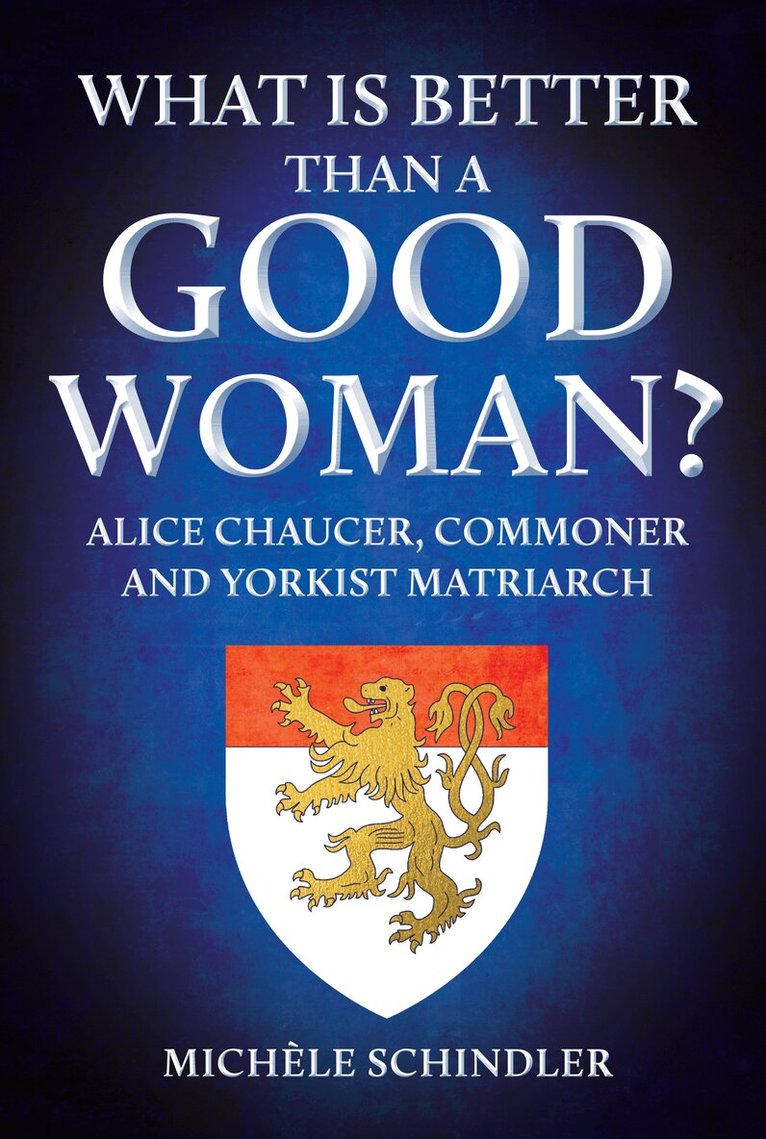
What is Better than a Good Woman?
Alice Chaucer, Commoner and Yorkist Matriarch
Inbunden, Engelska, 2024
253 kr
Skickas
Alice Chaucer, Countess of Salisbury and Duchess of Suffolk, is one of the very rare people, and the only woman, not born to nobility who became an important political player in the upheaval of fifteenth-century England. Widowed, remarkably enough, at the age of 11, that ‘marriage’ nevertheless set her on the road to power and riches. Her second husband, the Earl of Salisbury, would die at the Siege of Orléans during the Hundred Years War. Her third husband, William de la Pole, was Henry VI’s Chief Minister ‒ and paid for that allegiance with his life, murdered and thrown into the English Channel.Alice survived all this and more – including a state trial in 1451 – and at the same time was a patron of the arts, commissioning artworks depicting empowered historical female characters, notably St Anne, mother of the Virgin Mary. Alice possessed a large library. As late as 1472, Alice became custodian of Margaret of Anjou, her former friend and patron. She ruthlessly protected the inheritance of her son John de la Pole, and three of his four sons would pursue the Yorkist claim to the throne against Henry VII: they would all die in the attempt. Is it going too far to call Alice Chaucer a proto-feminist? If one considers her choices of subject matter as an art patron, it might not be.
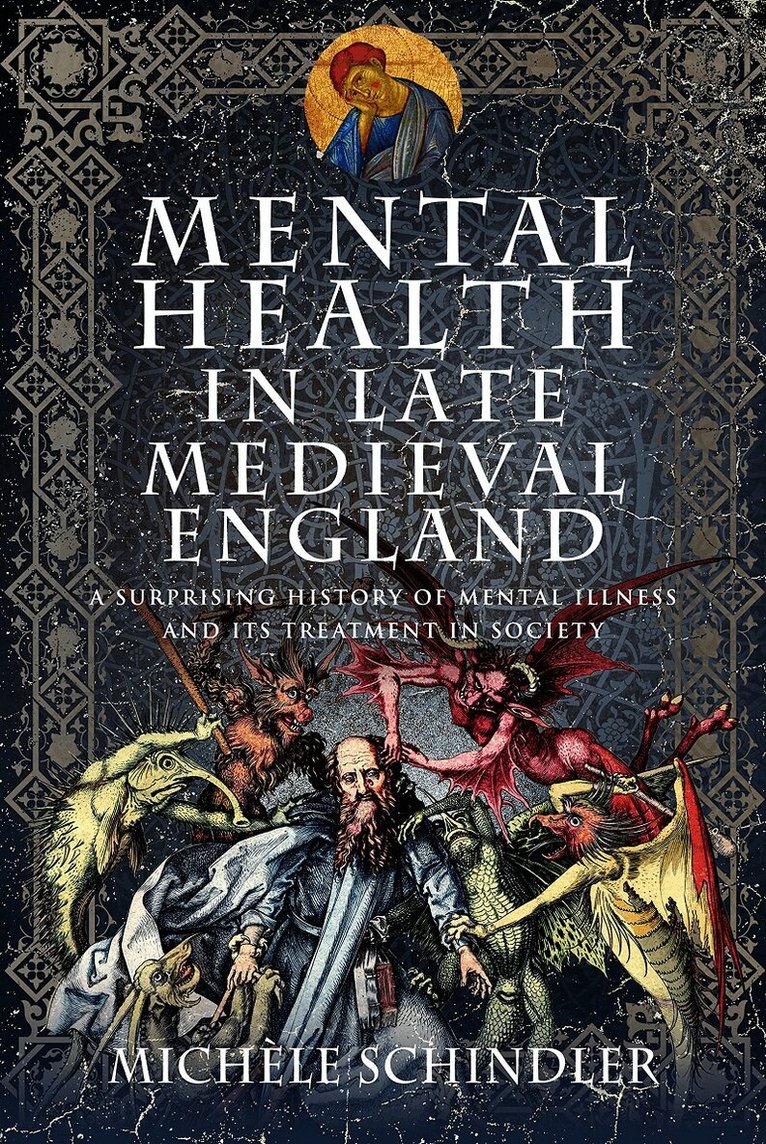
Mental Health in Late Medieval England
A Surprising History of Mental Illness and Its Treatment in Society
Inbunden, Engelska, 2025
266 kr
Skickas
In 1495, William, Viscount Beaumont, was declared unfit to take care of himself and given into the care of a guardian, due to unspecified mental health problems. Notably, his treatment was very kind, and runs contrary to many of our ideas of late medieval attitudes to mental illnesses.Using William`s example as well as other well-recorded cases, such as that of Henry VI, this book examines mental health and mental illnesses in late medieval English society. It looks at how mental health was understood in that society by examining both medical texts written at that time as well as sources commenting on specific cases. By doing so, it shines a light on what superstitions and myths existed about mental health.The book also examines how mental illnesses were treated. This is achieved by studying the treatments suggested in contemporary sources and those recorded to have been performed on mental health patients. Equally, the different theories about mental ill-health and its causes, the attitudes there were towards those afflicted with mental health problems, and how different sections of society reacted to it are detailed. The significance of religion and the church and what part they played in both the understanding of mental health and the treatment of mental illnesses is explored in detail.
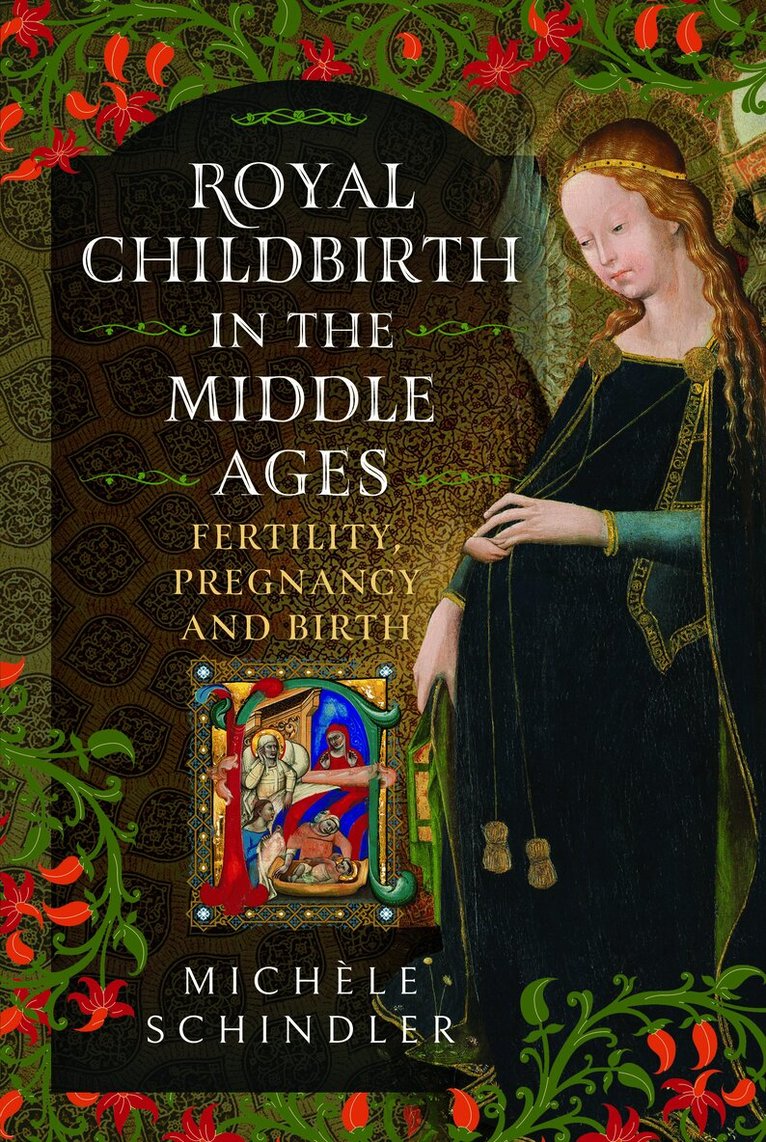
266 kr
Skickas
In 1441, Eleanor Cobham, Duchess of Gloucester, was convicted of trying to bring about King Henry VI`s death through witchcraft. Her defence was that she had simply tried to become pregnant with the help of a well-known wise woman, using sorcery only for this aim.While one of the most widely publicised cases of such a fertility treatment, it was certainly not the only one in the Middle Ages. In fact, due to the lack of knowledge surrounding not only fertility but also pregnancies and birth, there was a flourishing market offering spiritual and secular aids.This book provides a history of the concerns and the common problems for women struggling with fertility problems, being pregnant and giving birth, and looks especially at the religious and societal ramifications of these issues.
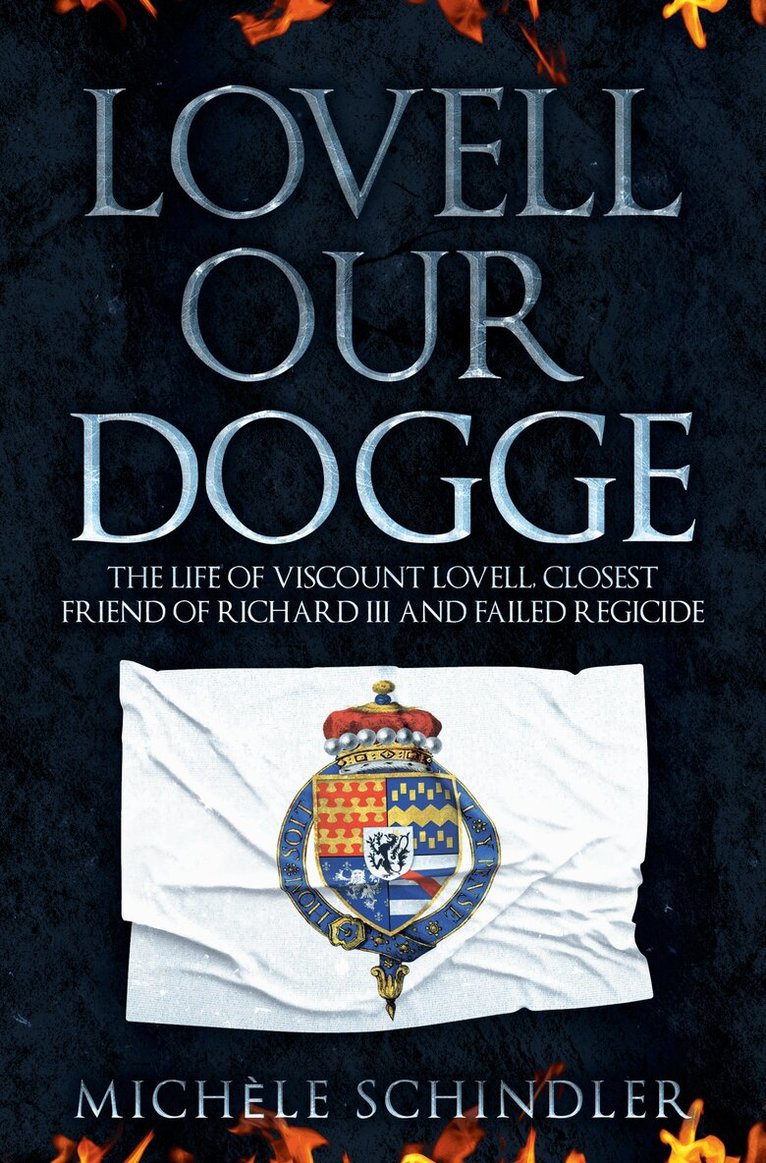
Lovell our Dogge
The Life of Viscount Lovell, Closest Friend of Richard III and Failed Regicide
Inbunden, Engelska, 2019
221 kr
Skickas
In July 1484 Tudor agent William Collingbourne - executed for treason in 1484 - tacked up a lampoon to the walls of St Paul’s Cathedral:‘The Catte, the Ratte and Lovell our dogge rulyth all Englande under a hogge.’That cat was Sir William Catesby, one of Richard III’s principal councillors and Chancellor of the Exchequer, executed after the Battle of Bosworth. The rat was Sir Richard Ratcliffe, who fought with Richard during the Scottish campaigns. And the dog was Francis Lovell, not only an ally of Richard III but his closest friend, and one of the wealthiest barons in England. Author Michèle Schindler returns to primary sources to reveal the man who was not only a boyhood friend of the king-to-be as a ward of Edward IV, but also linked to him by marriage: his wife, Anne FitzHugh, was first cousin to Richard’s wife, Anne Neville.Lovell served with the Duke of Gloucester, as Richard then was, in Scotland in 1481. At Richard’s coronation, Lovell bore the third sword of state. In June 1485 he was tasked with guarding the south coast against the landing of Henry Tudor. His loyalty never wavered - even after Bosworth. He organised a revolt in Yorkshire and was behind an attempt to assassinate Henry VII. Having fled to Flanders, he played a prominent role in the Lambert Simnel enterprise. He fought at the Battle of Stoke Field in 1487 and was seen escaping, destination unknown. His final demise provides an intriguing puzzle that the author teases out.