Michelle Higgs – författare
Visar alla böcker från författaren Michelle Higgs. Handla med fri frakt och snabb leverans.
11 produkter
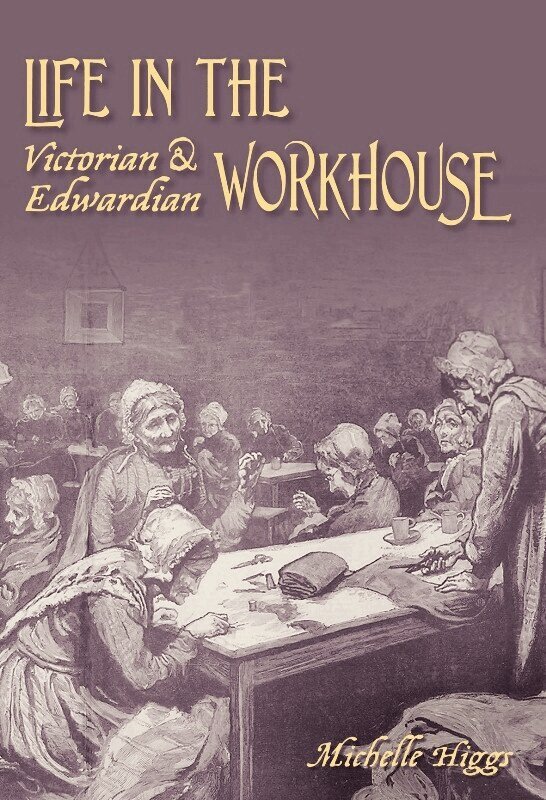
Life in the Victorian and Edwardian Workhouse
Häftad, 2007
214 kr
Lägg i varukorg
Life in a workhouse during the Victorian and Edwardian eras has been popularly characterised as a brutal existence. Charles Dickens famously portrayed workhouse inmates as being dirty, neglected, overworked and at the mercy of exploitative masters. While there were undoubtedly establishments that …
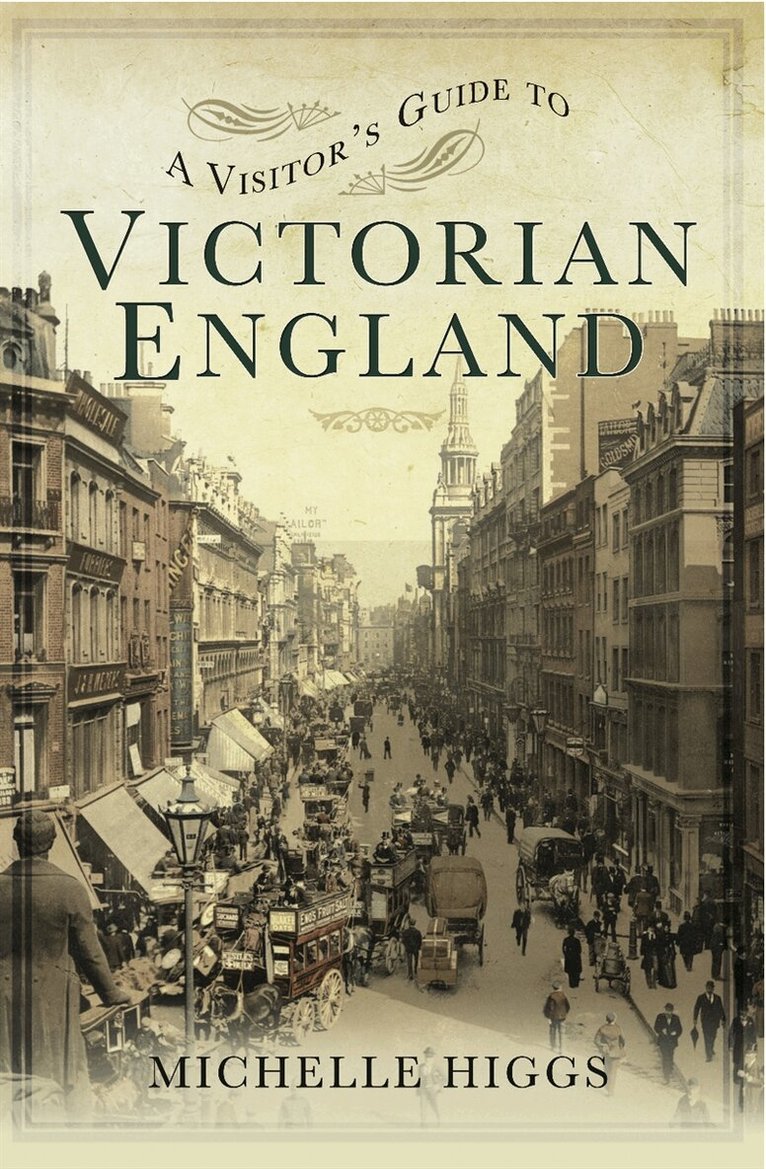
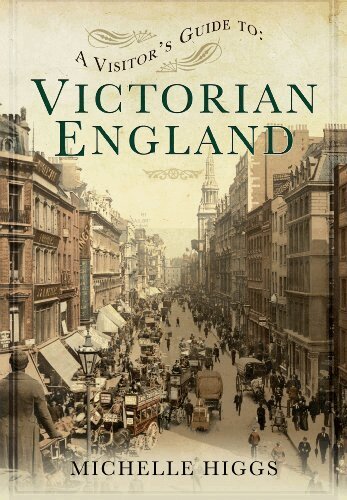
A Visitor's Guide to Victorian England
E-bok, 2021
127 kr
Lägg i varukorg
Step into the past and experience the sights, sounds and smells of Victorian England, from clothing to cuisine, toilet arrangements to transport – and everything in between! HAVE YOU EVER IMAGINED what it would be like to visit the Victorian era? How would you find the best seat on an omnibus, deal …
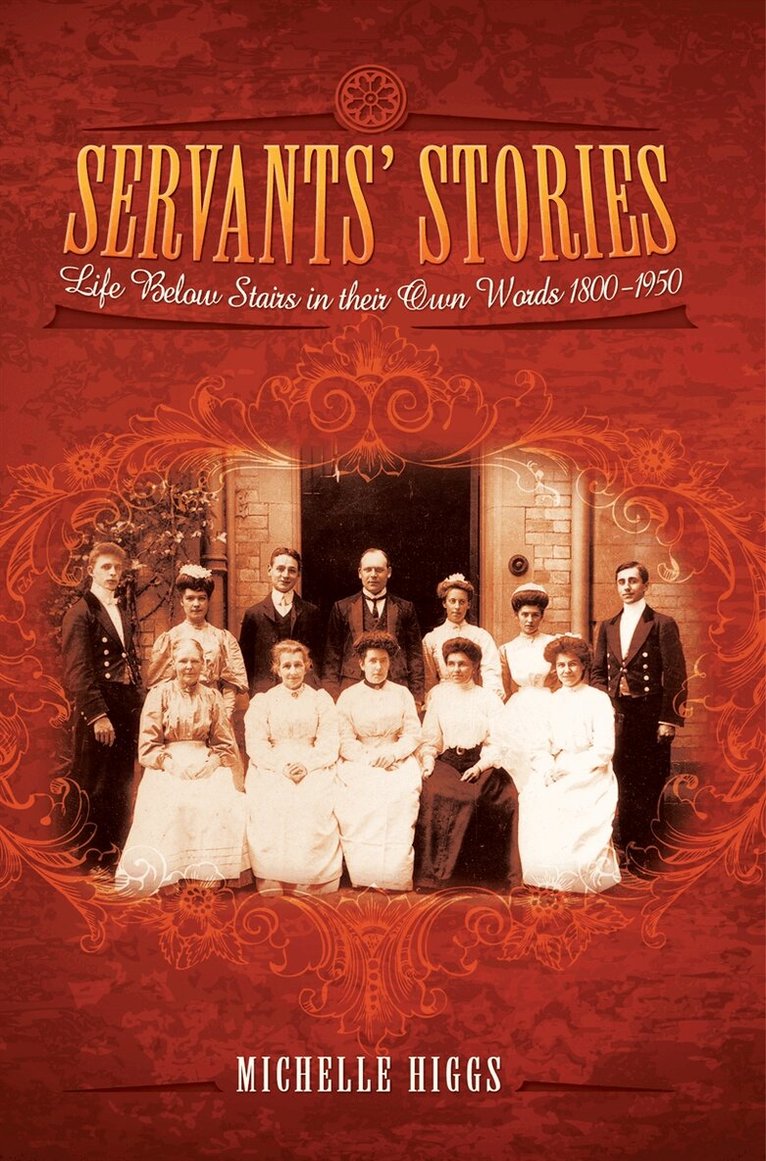
Servants' Stories
Life Below Stairs In Their Own Words, 1800–1950
E-bok, 2021
127 kr
Lägg i varukorg
Step into the world of domestic service and discover what life was really like for these unsung heroines (and heroes) of society. Between 1800 and 1950, the role of servants changed dramatically but they remained the people without whom the upper and middle classes could not function. Through oral …
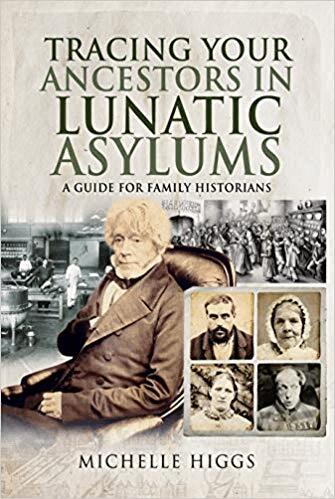
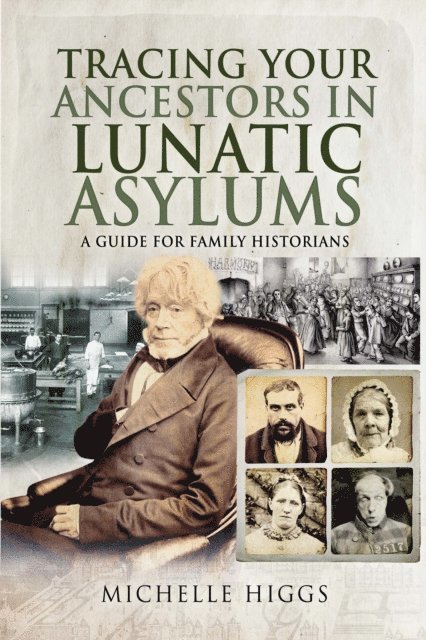
Tracing Your Ancestors in Lunatic Asylums
A Guide for Family Historians
Häftad, 2019
172 kr
Lägg i varukorg
How can you trace forebears who were patients in lunatic asylums and find out about their lives? What sources can you consult to discover their personal histories and gain an insight into their experiences? In this concise, accessible handbook, Michelle Higgs answers these questions. She provides a …
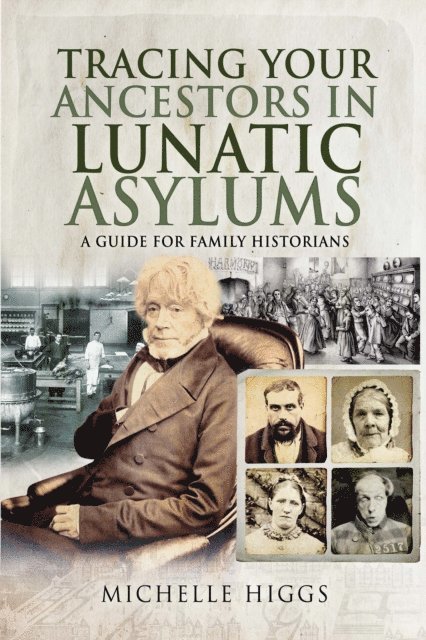
Tracing Your Ancestors in Lunatic Asylums
A Guide for Family Historians
E-bok, 2020
15 kr
Lägg i varukorg
A concise handbook for genealogical research into patients of British mental institutions from the 18th to the early 20th centuries.An expert in British Victorian history, Michelle Higgs helps readers uncover information about relatives whose lives are too often forgotten. Higgs concentrates on the …
Tracing Your Ancestors in Lunatic Asylums
A Guide for Family Historians
E-bok, 2020
15 kr
Lägg i varukorg
A concise handbook for genealogical research into patients of British mental institutions from the 18th to the early 20th centuries.An expert in British Victorian history, Michelle Higgs helps readers uncover information about relatives whose lives are too often forgotten. Higgs concentrates on the …
Visitor's Guide to Victorian England
Häftad, 2014
171 kr
Lägg i varukorg
A colourful introduction to the realities of life in the 19th century. Readers will learn hidden details of history, from how to fend off pickpockets to the correct way to fasten a corset. This title will appeal to both seasoned social history fans, costume drama lovers, history students and anyone …
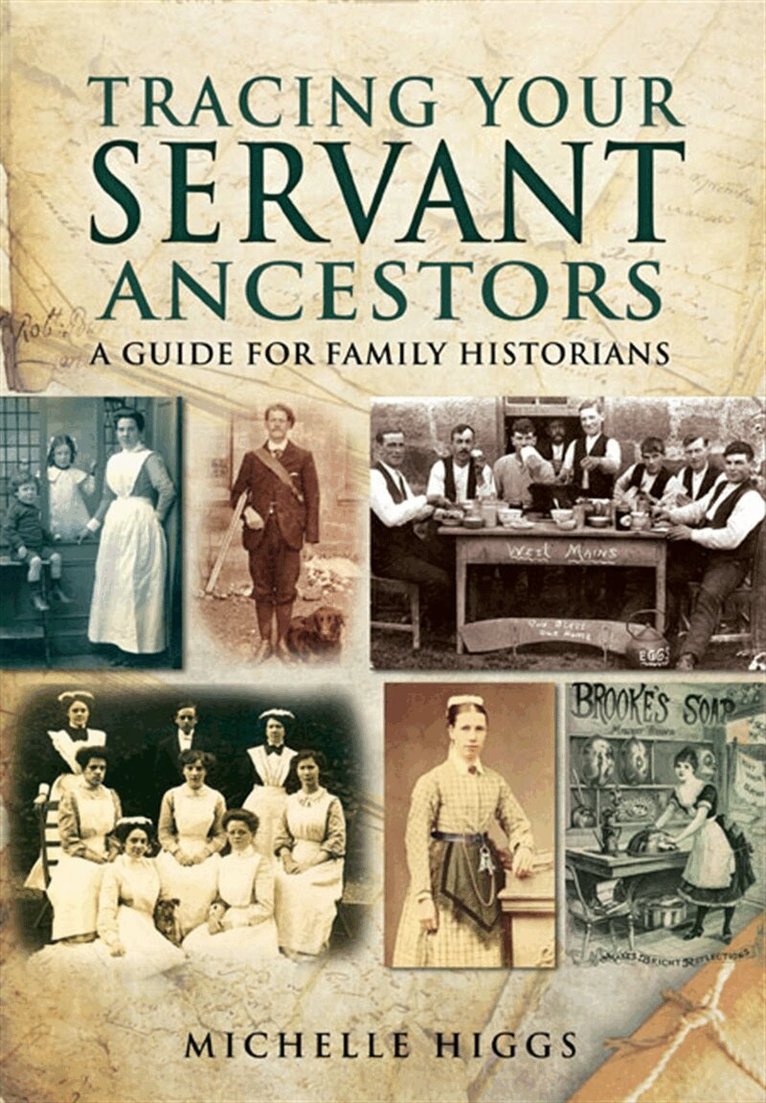
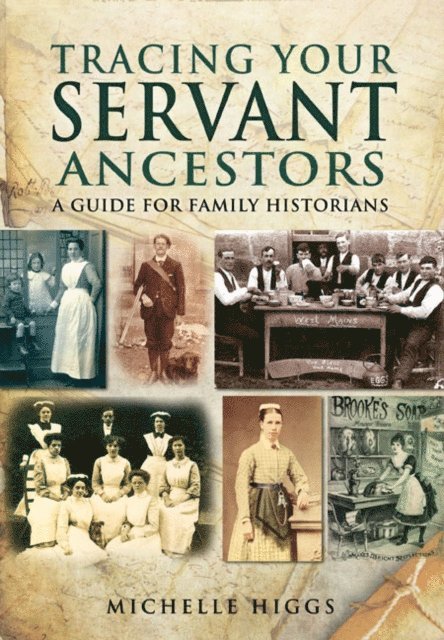
Tracing Your Servant Ancestors
A Guide for Family Historians
E-bok, 2021
127 kr
Lägg i varukorg
While there are popular and academic books on servants and domestic service, as well as television dramas and documentaries, little attention has been paid to the sources family historians can use to explore the lives and careers of their servant ancestors. Michelle Higgs’s accessible and …
Tracing Your Servant Ancestors
A Guide for Family Historians
E-bok, 2012
147 kr
Lägg i varukorg
While there are popular and academic books on servants and domestic service, as well as television dramas and documentaries, little attention has been paid to the sources family historians can use to explore the lives and careers of their servant ancestors. Michelle Higgss accessible and …
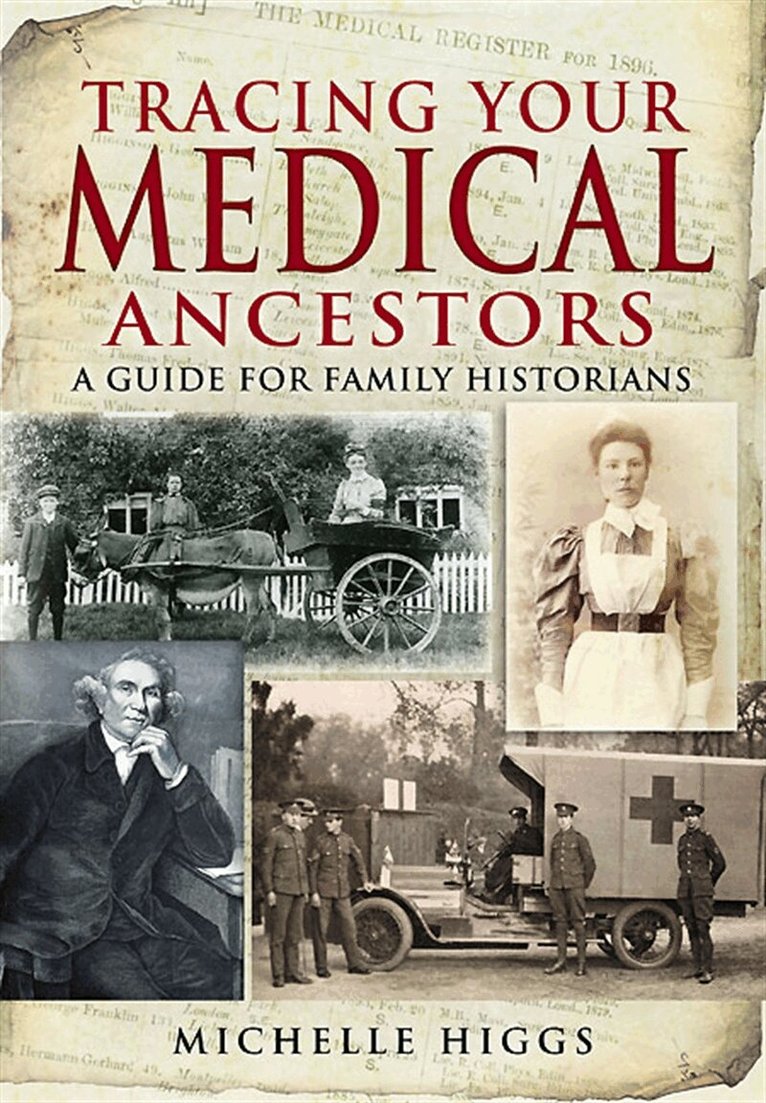
Tracing Your Medical Ancestors
A Guide for Family Historians
E-bok, 2021
127 kr
Lägg i varukorg
The medical profession had as much influence on the lives of our ancestors as it does on our lives today. It occupied an extraordinary range of individuals - surgeons, doctors, nurses and specialists of all kinds. Yet, despite burgeoning interest in all aspects of history and ancestry, medicine has …
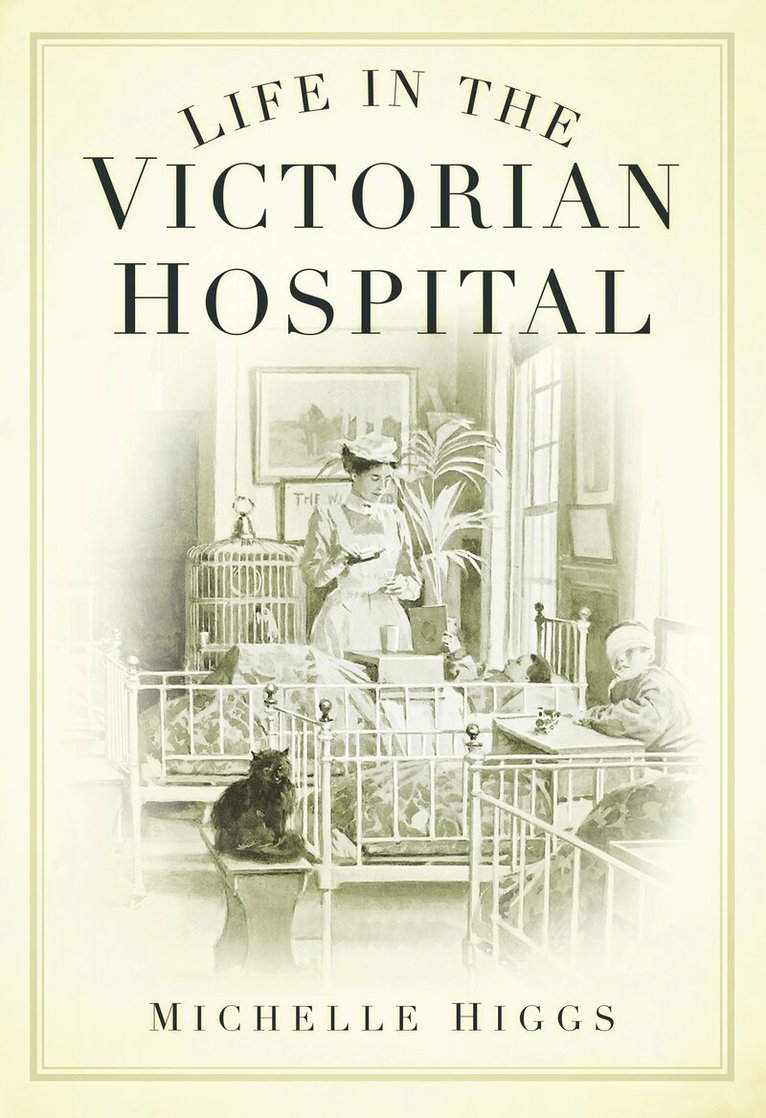
Life in the Victorian Hospital
Häftad, 2009
194 kr
Tillfälligt slut
Throughout the Victorian period, life-threatening diseases were no respecter of class, affecting rich and poor alike. However, the medical treatment for such diseases differed significantly, depending on the class of patient. The wealthy received private medical treatment at home or, later, in a …