Michelle Janning – författare
Visar alla böcker från författaren Michelle Janning. Handla med fri frakt och snabb leverans.
12 produkter
Guide to Socially-Informed Research for Architects and Designers
E-bok, 2022
660 kr
Lägg i varukorg
This book offers an efficient set of step-by-step tips and overarching lessons about how to gather useful, meaningful, and socially-informed data about clients’ and other stakeholders'' experiences in architecture and interior design professions. In this guide, author Michelle Janning helps the …
Guide to Socially-Informed Research for Architects and Designers
E-bok, 2022
646 kr
Lägg i varukorg
This book offers an efficient set of step-by-step tips and overarching lessons about how to gather useful, meaningful, and socially-informed data about clients’ and other stakeholders'' experiences in architecture and interior design professions. In this guide, author Michelle Janning helps the …
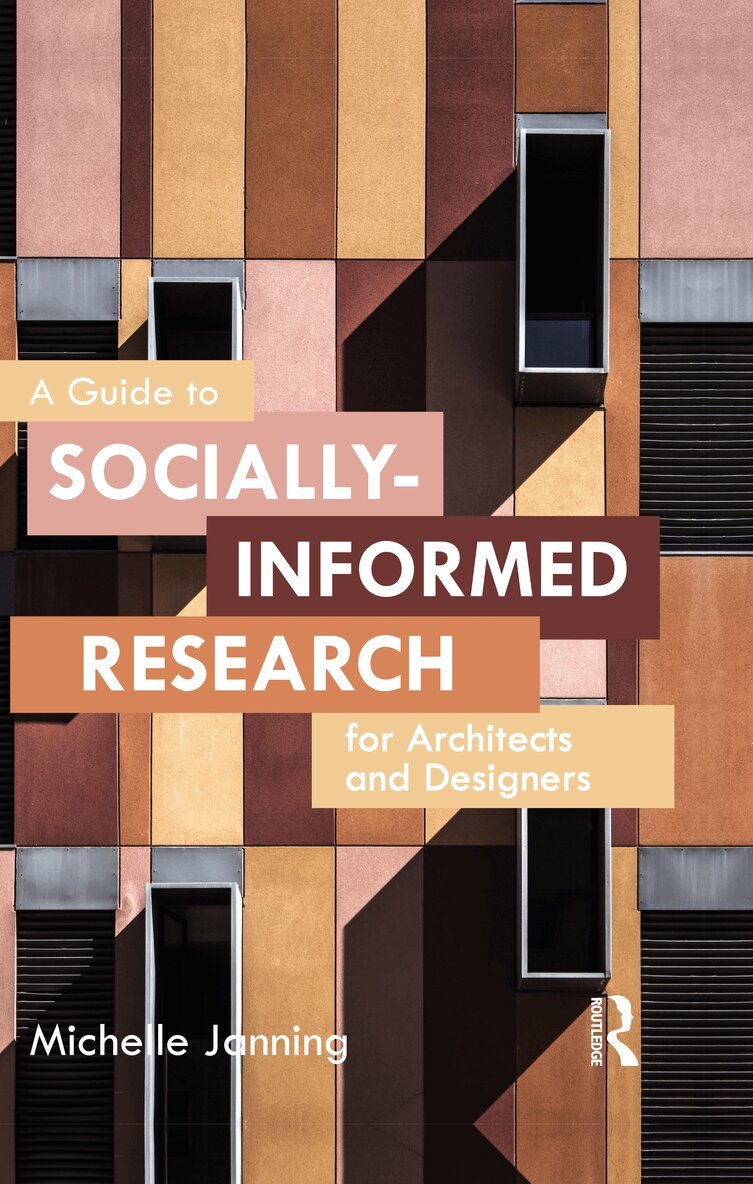
Guide to Socially-Informed Research for Architects and Designers
Inbunden, 2022
2190 kr
Lägg i varukorg
This book offers an efficient set of step-by-step tips and overarching lessons about how to gather useful, meaningful, and socially-informed data about clients’ and other stakeholders' experiences in architecture and interior design professions.In this guide, author Michelle Janning helps the …
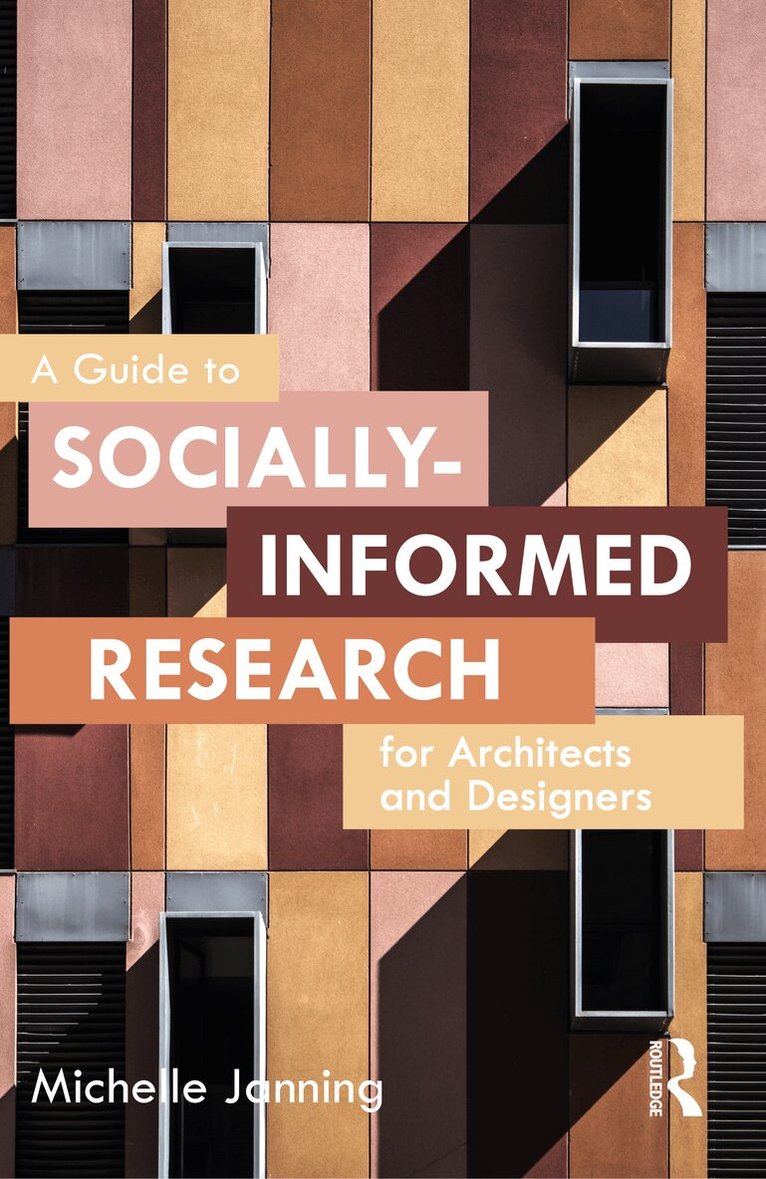
Guide to Socially-Informed Research for Architects and Designers
Häftad, 2022
560 kr
Lägg i varukorg
This book offers an efficient set of step-by-step tips and overarching lessons about how to gather useful, meaningful, and socially-informed data about clients’ and other stakeholders' experiences in architecture and interior design professions.In this guide, author Michelle Janning helps the …
Love Letters
Saving Romance in the Digital Age
Inbunden, 2018
2504 kr
Lägg i varukorg
In today’s world of Tinder and texting, do we write and save love letters anymore? Are we more likely to save a screenshot of a text exchange or a box of paper letters from a lover? How might these different ways to store a love letter make us feel? Sociologist Michelle Janning’s Love Letters: …
Love Letters
Saving Romance in the Digital Age
Häftad, 2018
631 kr
Lägg i varukorg
In today’s world of Tinder and texting, do we write and save love letters anymore? Are we more likely to save a screenshot of a text exchange or a box of paper letters from a lover? How might these different ways to store a love letter make us feel? Sociologist Michelle Janning’s Love Letters: …
Love Letters
Saving Romance in the Digital Age
E-bok, 2018
729 kr
Lägg i varukorg
In today’s world of Tinder and texting, do we write and save love letters anymore? Are we more likely to save a screenshot of a text exchange or a box of paper letters from a lover? How might these different ways to store a love letter make us feel? Sociologist Michelle Janning’s Love Letters: …
Love Letters
Saving Romance in the Digital Age
E-bok, 2018
745 kr
Lägg i varukorg
In today’s world of Tinder and texting, do we write and save love letters anymore? Are we more likely to save a screenshot of a text exchange or a box of paper letters from a lover? How might these different ways to store a love letter make us feel? Sociologist Michelle Janning’s Love Letters: …
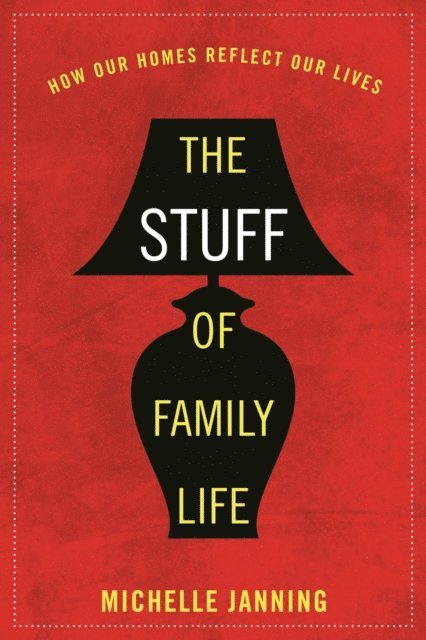
Stuff of Family Life
How Our Homes Reflect Our Lives
E-bok, 2017
477 kr
Lägg i varukorg
Does putting your smartphone on the dinner table impact your relationships? How does where you place your TV in your home affect your family? The Stuff of Family Life takes readers inside the changing world of families through a unique examination of their stuff. From digital family photo albums to …
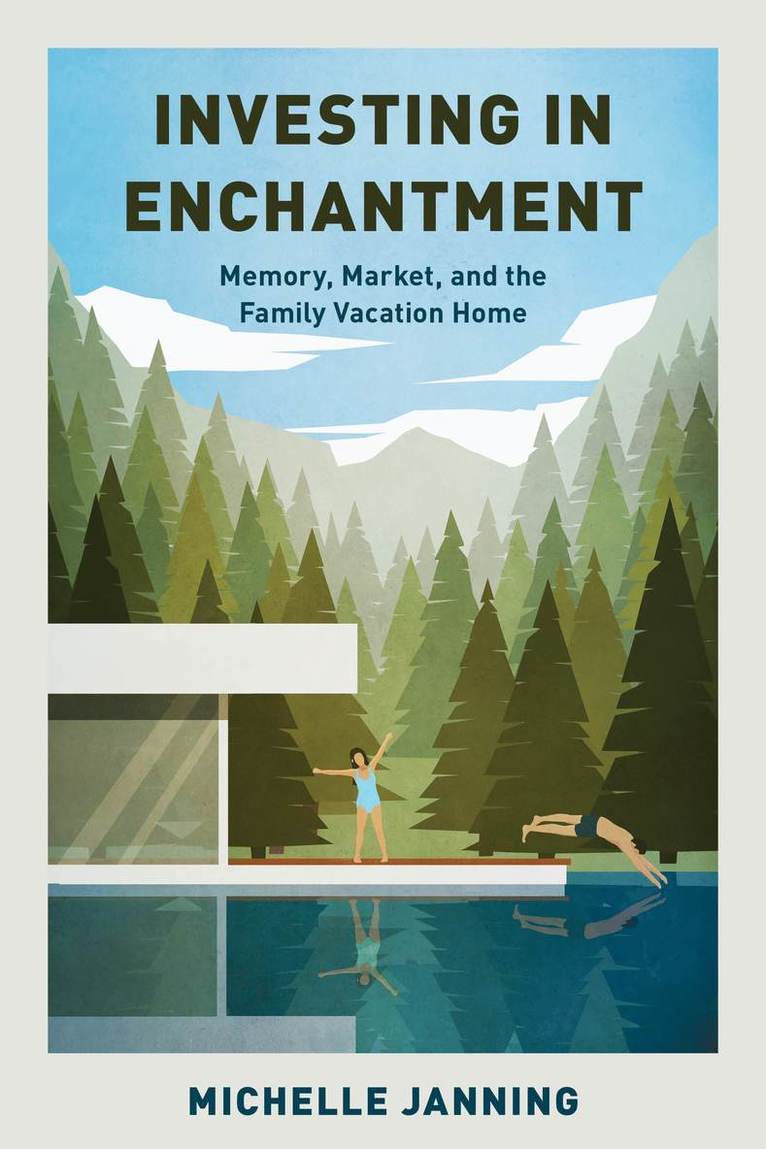
Investing in Enchantment
Memory, Market, and the Family Vacation Home
Inbunden, 2024
1063 kr
Lägg i varukorg
Should we keep the family cabin or list it on Airbnb? U.S. second homes are formally classified as investment properties used primarily for financial gain or vacation homes primarily reserved for personal use, but what have families actually been doing with them before, during, and after COVID-19 …
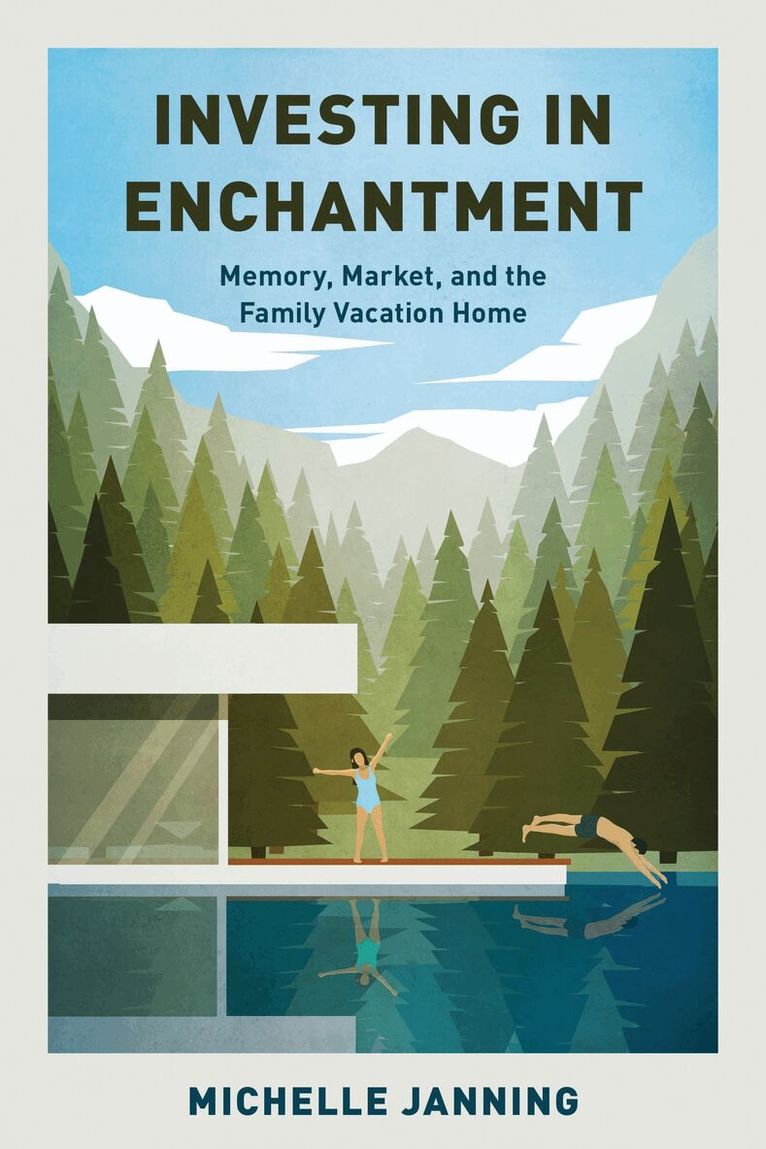
Investing in Enchantment
Memory, Market, and the Family Vacation Home
Häftad, 2024
430 kr
Lägg i varukorg
Should we keep the family cabin or list it on Airbnb? U.S. second homes are formally classified as investment properties used primarily for financial gain or vacation homes primarily reserved for personal use, but what have families actually been doing with them before, during, and after COVID-19 …
Investing in Enchantment
Memory, Market, and the Family Vacation Home
E-bok, 2024
468 kr
Lägg i varukorg
Should we keep the family cabin or list it on Airbnb? U.S. second homes are formally classified as investment properties used primarily for financial gain or vacation homes primarily reserved for personal use, but what have families actually been doing with them before, during, and after COVID-19 …