Michelle K. Berry – författare
Visar alla böcker från författaren Michelle K. Berry. Handla med fri frakt och snabb leverans.
6 produkter
6 produkter
Inbunden, Engelska, 2023
736 kr
Skickas inom 10-15 vardagar
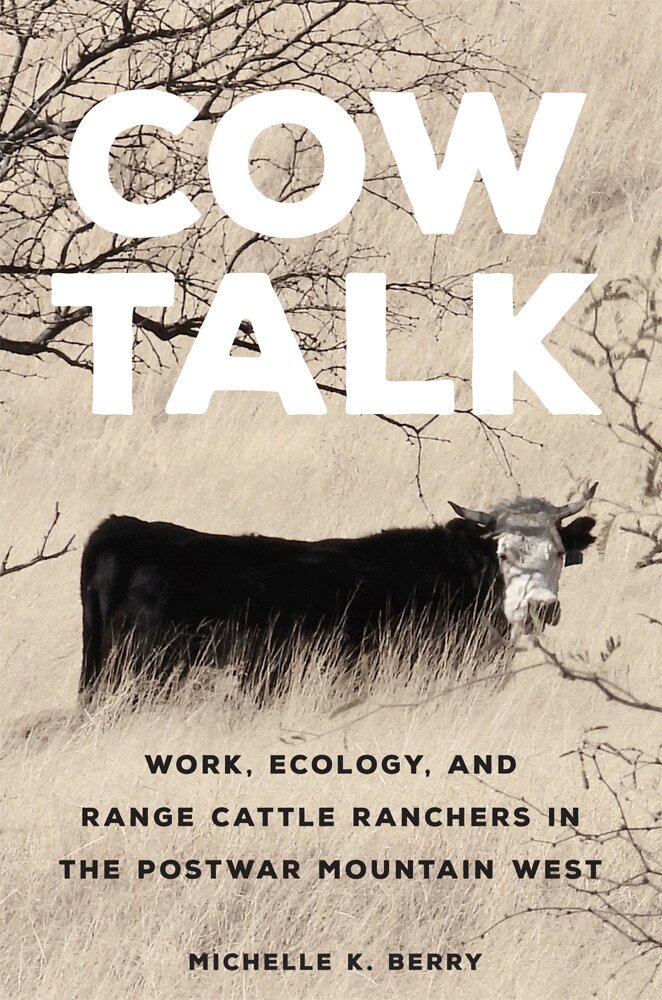
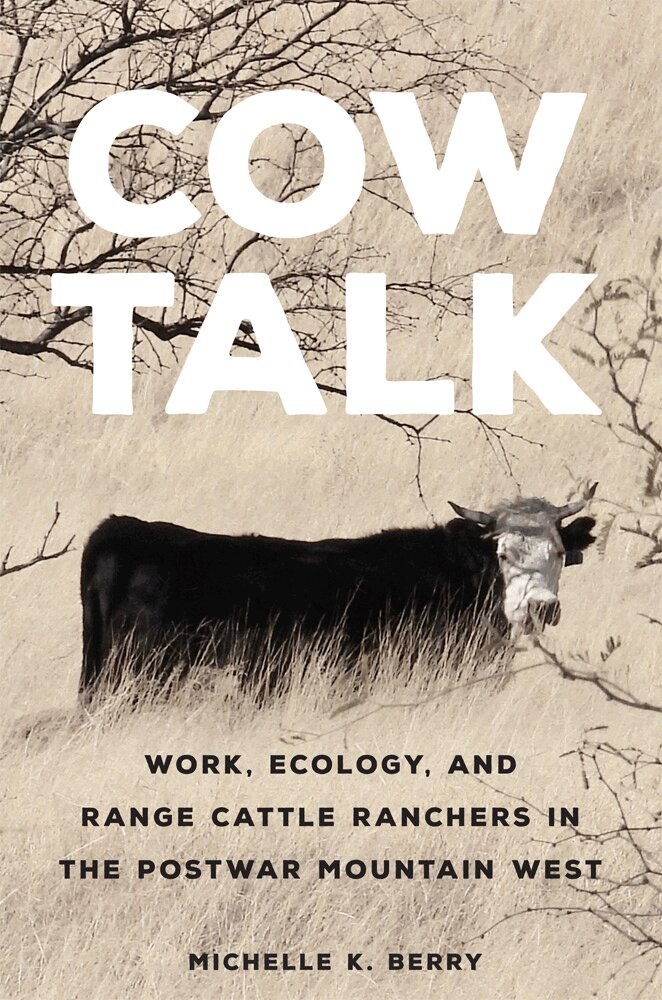
The image of western ranchers making a stand for their “rights”—against developers, the government, “illegal” immigrants—may be commonplace today, but the political power of the cowboy was a long time in the making. In a book steeped in the culture, traditions, and history of western range ranching, Michelle K. Berry takes readers into the Cold War world of cattle ranchers in the American West to show how that power, with its implications for the lands and resources of the mountain states, was built, shaped, and shored up between 1945 and 1965.After long days working the ranch, battling human and nonhuman threats, and wrestling with nature, ranchers got down to business of another sort, which Berry calls “cow talk.” Discussing the best new machinery; sharing stories of drought, blizzards, and bugs; talking money and management and strategy: these ranchers were building a community specific to their time, place, and work and creating a language that embodied their culture. Cow Talk explores how this language and its iconography evolved and how it came to provide both a context and a vehicle for political power. Using ranchers’ personal papers, publications, and cattle growers association records, the book provides an inside view of how range cattle ranchers in Arizona, New Mexico, Colorado, Wyoming, and Montana created a culture and a shared identity that would frame and inform their relationship with their environment and with society at large in an increasingly challenging, modernizing world.A multifaceted analysis of postwar ranch life, labor, and culture, this innovative work offers unprecedented insight into the cohesive political and cultural power of western ranchers in our day.
Häftad, Engelska, 2023
330 kr
Skickas inom 10-15 vardagar
The image of western ranchers making a stand for their “rights”—against developers, the government, “illegal” immigrants—may be commonplace today, but the political power of the cowboy was a long time in the making. In a book steeped in the culture, traditions, and history of western range ranching, Michelle K. Berry takes readers into the Cold War world of cattle ranchers in the American West to show how that power, with its implications for the lands and resources of the mountain states, was built, shaped, and shored up between 1945 and 1965.After long days working the ranch, battling human and nonhuman threats, and wrestling with nature, ranchers got down to business of another sort, which Berry calls “cow talk.” Discussing the best new machinery; sharing stories of drought, blizzards, and bugs; talking money and management and strategy: these ranchers were building a community specific to their time, place, and work and creating a language that embodied their culture. Cow Talk explores how this language and its iconography evolved and how it came to provide both a context and a vehicle for political power. Using ranchers’ personal papers, publications, and cattle growers association records, the book provides an inside view of how range cattle ranchers in Arizona, New Mexico, Colorado, Wyoming, and Montana created a culture and a shared identity that would frame and inform their relationship with their environment and with society at large in an increasingly challenging, modernizing world.A multifaceted analysis of postwar ranch life, labor, and culture, this innovative work offers unprecedented insight into the cohesive political and cultural power of western ranchers in our day.
Inbunden, Engelska, 2018
1 399 kr
Skickas inom 10-15 vardagar
A Primer for Teaching Environmental History is a guide for college and high school teachers who are teaching environmental history for the first time, for experienced teachers who want to reinvigorate their courses, for those who are training future teachers to prepare their own syllabi, and for teachers who want to incorporate environmental history into their world history courses. Emily Wakild and Michelle K. Berry offer design principles for creating syllabi that will help students navigate a wide range of topics, from food, environmental justice, and natural resources to animal-human relations, senses of place, and climate change. In their discussions of learning objectives, assessment, project-based learning, using technology, and syllabus design, Wakild and Berry draw readers into the process of strategically designing courses on environmental history that will challenge students to think critically about one of the most urgent topics of study in the twenty-first century.
Häftad, Engelska, 2018
345 kr
Skickas inom 10-15 vardagar
A Primer for Teaching Environmental History is a guide for college and high school teachers who are teaching environmental history for the first time, for experienced teachers who want to reinvigorate their courses, for those who are training future teachers to prepare their own syllabi, and for teachers who want to incorporate environmental history into their world history courses. Emily Wakild and Michelle K. Berry offer design principles for creating syllabi that will help students navigate a wide range of topics, from food, environmental justice, and natural resources to animal-human relations, senses of place, and climate change. In their discussions of learning objectives, assessment, project-based learning, using technology, and syllabus design, Wakild and Berry draw readers into the process of strategically designing courses on environmental history that will challenge students to think critically about one of the most urgent topics of study in the twenty-first century.
E-bok
PDF, Engelska, 2018487 kr
Läs direkt efter köp
A Primer for Teaching Environmental History is a guide for college and high school teachers who are teaching environmental history for the first time, for experienced teachers who want to reinvigorate their courses, for those who are training future teachers to prepare their own syllabi, and for teachers who want to incorporate environmental history into their world history courses. Emily Wakild and Michelle K. Berry offer design principles for creating syllabi that will help students navigate a wide range of topics, from food, environmental justice, and natural resources to animal-human relations, senses of place, and climate change. In their discussions of learning objectives, assessment, project-based learning, using technology, and syllabus design, Wakild and Berry draw readers into the process of strategically designing courses on environmental history that will challenge students to think critically about one of the most urgent topics of study in the twenty-first century.
148 kr
Läs direkt efter köp
Este libro es una guía para profesores universitarios y de educación media que enseñan historia ambiental por primera vez, para maestros experimentados que desean reforzar sus cursos, para aquellos que están capacitando a futuros maestros para preparar sus propios planes de estudio y para docentes que desean incorporar la historia ambiental en sus cursos de historia universal.Emily Wakild y Michelle K. Berry ofrecen principios de diseño para crear programas de estudio que ayudarán a los estudiantes a explorar una gran variedad de temas que abarcan desde alimentos, justicia ambiental y recursos naturales hasta relaciones animales- humanas y cambio climático. En sus debates sobre los objetivos de aprendizaje, la evaluación, el aprendizaje basado en proyectos, el uso de la tecnología y el diseño de planes de estudio, las autoras invitan a los lectores a procesos de diseño estratégico de cursos sobre historia ambiental capaces de incentivar a los estudiantes a pensar críticamente sobre uno de los temas más urgentes del presente siglo.