Michelle Panchuk – författare
Visar alla böcker från författaren . Handla med fri frakt och snabb leverans.
8 produkter
8 produkter
E-bok
PDF, Engelska, 20201 139 kr
Läs direkt efter köp
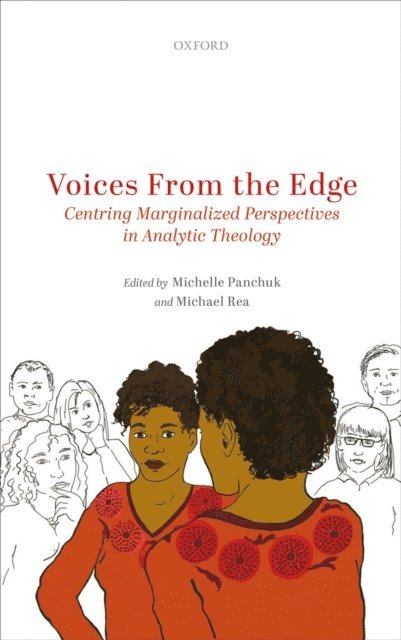
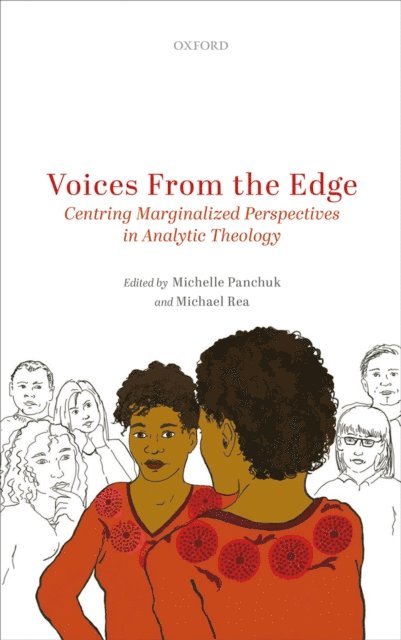
Over the past several decades, scholars working in biblical, theological, and religious studies have increasingly attended to the substantive ways that our experiences and understanding of God and God''s relation to the world are structured by our experiences and concepts of race, gender, disability, and sexuality. These personal and social identities and their intersections serve as a hermeneutical lens for our interpretations of God, self, the other, and our religious texts and traditions. However, they have not received nearly the same level of attention from analytic theologians and philosophers of religion, and so a wide range of important issues remain ripe for analytic treatment. The papers in this volume address the various ways in which the aforementioned social identities intersect with, shape, and might be shaped by the questions with which analytic theology and philosophy of religion have typically been concerned, as well as what new questions they suggest to the discipline. We focus on three central areas of analytic theology: methodological principles, the intersection of social identities with religious epistemology, and the connections among eschatology, ante-mortem suffering, and ante-mortem social perceptions of bodies.
E-bok
Engelska, 20201 139 kr
Läs direkt efter köp
Over the past several decades, scholars working in biblical, theological, and religious studies have increasingly attended to the substantive ways that our experiences and understanding of God and God''s relation to the world are structured by our experiences and concepts of race, gender, disability, and sexuality. These personal and social identities and their intersections serve as a hermeneutical lens for our interpretations of God, self, the other, and our religious texts and traditions. However, they have not received nearly the same level of attention from analytic theologians and philosophers of religion, and so a wide range of important issues remain ripe for analytic treatment. The papers in this volume address the various ways in which the aforementioned social identities intersect with, shape, and might be shaped by the questions with which analytic theology and philosophy of religion have typically been concerned, as well as what new questions they suggest to the discipline. We focus on three central areas of analytic theology: methodological principles, the intersection of social identities with religious epistemology, and the connections among eschatology, ante-mortem suffering, and ante-mortem social perceptions of bodies.
Inbunden, Engelska, 2020
1 190 kr
Skickas inom 5-8 vardagar
Over the past several decades, scholars working in biblical, theological, and religious studies have increasingly attended to the substantive ways that our experiences and understanding of God and God's relation to the world are structured by our experiences and concepts of race, gender, disability, and sexuality. These personal and social identities and their intersections serve as a hermeneutical lens for our interpretations of God, self, the other, and our religious texts and traditions. However, they have not received nearly the same level of attention from analytic theologians and philosophers of religion, and so a wide range of important issues remain ripe for analytic treatment. The papers in this volume address the various ways in which the aforementioned social identities intersect with, shape, and might be shaped by the questions with which analytic theology and philosophy of religion have typically been concerned, as well as what new questions they suggest to the discipline. We focus on three central areas of analytic theology: methodological principles, the intersection of social identities with religious epistemology, and the connections among eschatology, ante-mortem suffering, and ante-mortem social perceptions of bodies.
E-bok
PDF, Engelska, 2025285 kr
Läs direkt efter köp
E-bok
Engelska, 2025285 kr
Läs direkt efter köp
Häftad, Engelska, 2025
239 kr
Skickas inom 7-10 vardagar
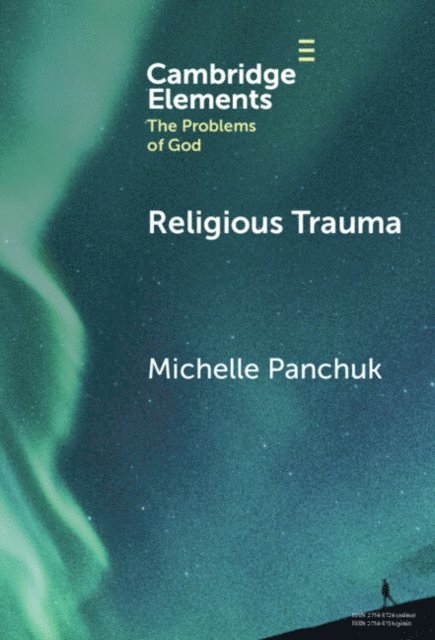
When religion is the site of abuse and trauma, it can deeply impact a person's ability to relate to God and engage in spiritual practice. As such, religious trauma is ripe for philosophical exploration. Section 1 of this Element provides a brief history of the concept of psychological trauma, contemporary accounts of its neurobiological basis, and its impact on human agency. Section 2 sketches a model of religious trauma through the first-person narratives of survivors and emerging psychological data. Section 3 explores the social epistemology of religious trauma, focusing on how failures of knowledge create space for religious abuse and the insights of survivors may help communities guard against it. The last two sections consider three perennial topics in philosophy of religion from the perspective of religious trauma: the problem of evil, the problem of divine hiddenness, and religious experience.
Inbunden, Engelska, 2025
769 kr
Skickas inom 7-10 vardagar
When religion is the site of abuse and trauma, it can deeply impact a person's ability to relate to God and engage in spiritual practice. As such, religious trauma is ripe for philosophical exploration. Section 1 of this Element provides a brief history of the concept of psychological trauma, contemporary accounts of its neurobiological basis, and its impact on human agency. Section 2 sketches a model of religious trauma through the first-person narratives of survivors and emerging psychological data. Section 3 explores the social epistemology of religious trauma, focusing on how failures of knowledge create space for religious abuse and the insights of survivors may help communities guard against it. The last two sections consider three perennial topics in philosophy of religion from the perspective of religious trauma: the problem of evil, the problem of divine hiddenness, and religious experience.
Inbunden, Engelska, 2027
1 436 kr
Kommande
The first exploration of epistemic injustice and religious identity in the academic study of religion, focusing on major faith traditions in the context of Western secular society.Epistemic injustice and epistemologies of ignorance are powerful tools of oppression and marginalization. In naming these phenomena, an interdisciplinary team of scholars expose many of the ways in which religious credibility and intelligibility are linked to social power.Extending beyond the narrow discourse about Christianity they provide a broader discussion of Judaism and Islam and religious traditions in Africa and East Asia. They connect political, religious and social philosophies with gender studies and theology to offer a range of perspectives. The resulting insights lay the foundations required to recognize how religious traditions perpetuate their own forms of epistemic injustice and facilitate structures of ignorance.By discussing religion as a site of knowledge production, social relations and political power, this collection confirms that religion is not exempt from epistemic injustice. It reveals the extent that such injustices manifests in academic scholarship about religion. Timely and necessary, it is vital for philosophers of religion looking to understand the complex system of identity power and privilege that surrounds religions today.