Miguel Mera - Böcker
Visar alla böcker från författaren Miguel Mera. Handla med fri frakt och snabb leverans.
6 produkter
6 produkter
705 kr
Skickas inom 10-15 vardagar
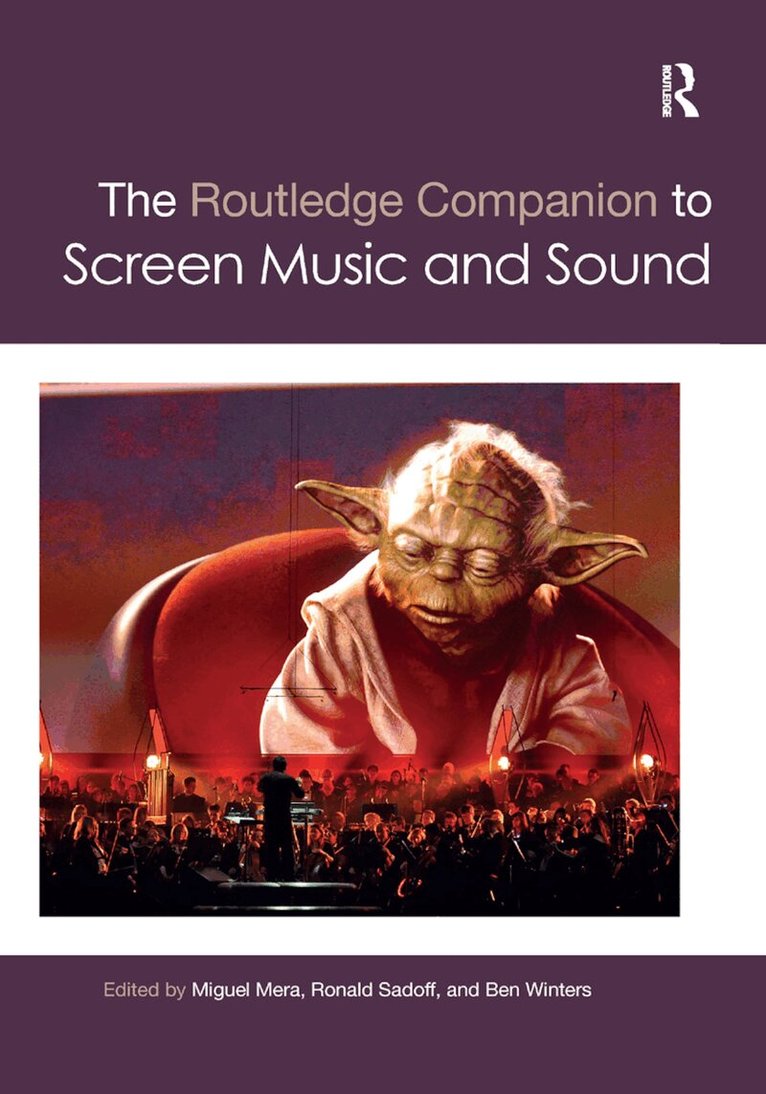
The Routledge Companion to Screen Music and Sound provides a detailed and comprehensive overview of screen music and sound studies, addressing the ways in which music and sound interact with forms of narrative media such as television, videogames, and film. The inclusive framework of "screen music and sound" allows readers to explore the intersections and connections between various types of media and music and sound, reflecting the current state of scholarship and the future of the field.A diverse range of international scholars have contributed an impressive set of forty-six chapters that move from foundational knowledge to cutting edge topics that highlight new key areas. The companion is thematically organized into five cohesive areas of study: Issues in the Study of Screen Music and Sound—discusses the essential topics of the discipline Historical Approaches—examines periods of historical change or transition Production and Process—focuses on issues of collaboration, institutional politics, and the impact of technology and industrial practices Cultural and Aesthetic Perspectives—contextualizes an aesthetic approach within a wider framework of cultural knowledge Analyses and Methodologies—explores potential methodologies for interrogating screen music and sound Covering a wide range of topic areas drawn from musicology, sound studies, and media studies, The Routledge Companion to Screen Music and Sound provides researchers and students with an effective overview of music’s role in narrative media, as well as new methodological and aesthetic insights.
2 151 kr
Skickas inom 10-15 vardagar
The vast majority of writing on film music is concentrated on Hollywood in particular and on a canon of North American scores and films more generally. Recent scholarship acknowledges other traditions of film scoring but little has been written about European film music specifically. Miguel Mera and David Burnand present a volume that redresses the balance by exploring specific European filmic texts, composers and approaches to film scoring that have hitherto been neglected. Films involving British, French, German, Greek, Irish, Italian, Polish and Spanish composers are considered in detail. Starting from a study of the influence of propaganda on musical aesthetics in Nazi Germany the book includes an analysis of Italian neo-realist cinema, a consideration of the Ealing Comedies, experimental music in contemporary Spanish scoring, the invocation of traditional music, the portrayal of classical music performers, the use of space, silence and manipulation of time, and the depiction of the processes of scoring in independent film-making. Important issues that permeate all the essays involve the working relationship of composer and director, the dialectic between the diegetic and non-diegetic uses of music in films, the music-image synergism and the levels of realism that are created by the audio-visual mix. The book will appeal to those working in film studies, popular music studies, musicology, media studies and cultural theory.
649 kr
Skickas inom 10-15 vardagar
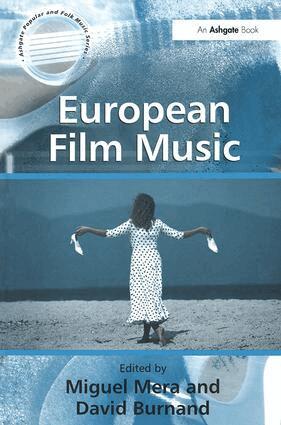
The vast majority of writing on film music is concentrated on Hollywood in particular and on a canon of North American scores and films more generally. Recent scholarship acknowledges other traditions of film scoring but little has been written about European film music specifically. Miguel Mera and David Burnand present a volume that redresses the balance by exploring specific European filmic texts, composers and approaches to film scoring that have hitherto been neglected. Films involving British, French, German, Greek, Irish, Italian, Polish and Spanish composers are considered in detail. Starting from a study of the influence of propaganda on musical aesthetics in Nazi Germany the book includes an analysis of Italian neo-realist cinema, a consideration of the Ealing Comedies, experimental music in contemporary Spanish scoring, the invocation of traditional music, the portrayal of classical music performers, the use of space, silence and manipulation of time, and the depiction of the processes of scoring in independent film-making. Important issues that permeate all the essays involve the working relationship of composer and director, the dialectic between the diegetic and non-diegetic uses of music in films, the music-image synergism and the levels of realism that are created by the audio-visual mix. The book will appeal to those working in film studies, popular music studies, musicology, media studies and cultural theory.
695 kr
Skickas inom 10-15 vardagar
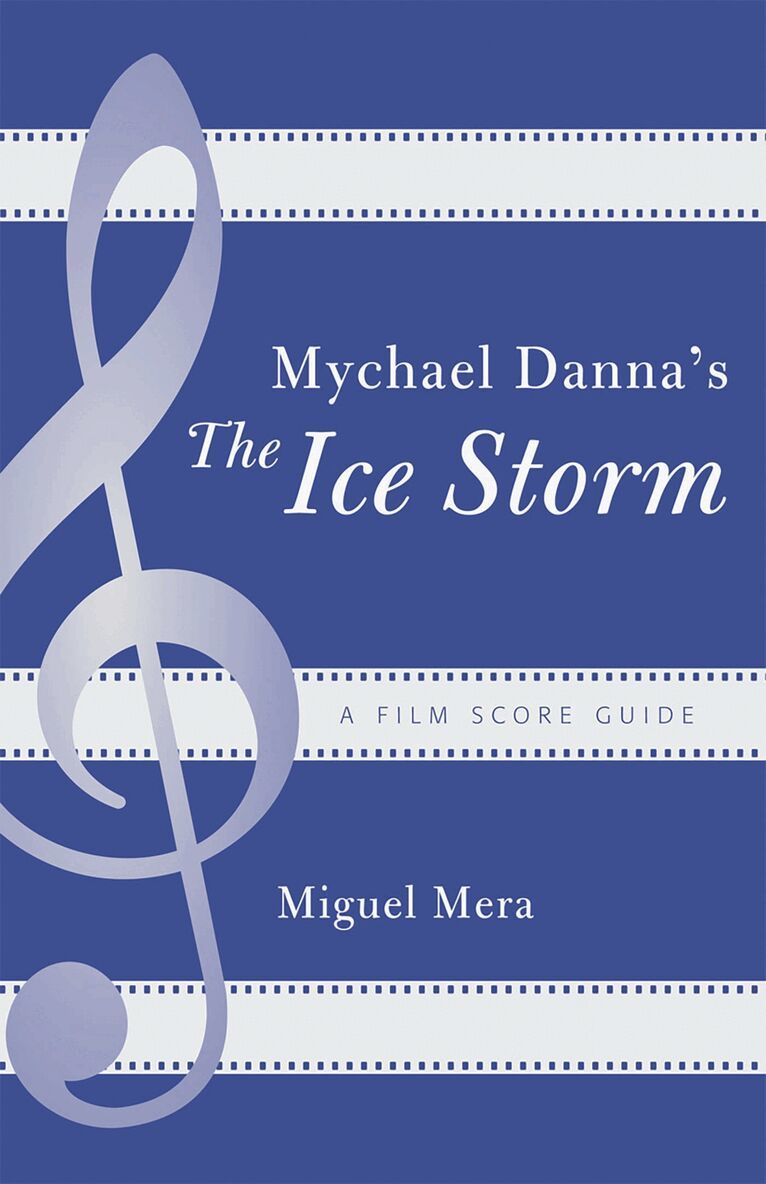
Ang Lee's The Ice Storm is a film of striking significance, which achieved widespread critical acclaim for its well crafted and superbly acted study of suburban morality in 1970s America. For the film, composer Mychael Danna created one of the most distinctive scores of the 1990s, one that constantly challenges perceptions of the form and function of film music.In Mychael Danna's The Ice Storm: A Film Score Guide, Miguel Mera explores the music and sound Danna uses in his score, investigating the narrative, structural, and aesthetic themes of the film and illustrating the techniques and stylistic features central to Danna's music. Mera carefully examines the collaborative processes that influenced the score's development, describing the significance of the composer's relationships with the director, producer, editor, orchestrator, and sound designers to the evolution of the score and demonstrating how the politics of filmmaking interact with creativity. This seventh volume in Scarecrow's Film Score Guide series also includes a biography of Danna and a complete analysis of the full soundtrack considering the sound design, pre-existent pop songs, and the specifically arranged song by David Bowie in conjunction with Danna's fascinating score, making this essential reading for film music scholars and students.
3 363 kr
Skickas inom 10-15 vardagar
The Routledge Companion to Screen Music and Sound provides a detailed and comprehensive overview of screen music and sound studies, addressing the ways in which music and sound interact with forms of narrative media such as television, videogames, and film. The inclusive framework of "screen music and sound" allows readers to explore the intersections and connections between various types of media and music and sound, reflecting the current state of scholarship and the future of the field.A diverse range of international scholars have contributed an impressive set of forty-six chapters that move from foundational knowledge to cutting edge topics that highlight new key areas. The companion is thematically organized into five cohesive areas of study: Issues in the Study of Screen Music and Sound—discusses the essential topics of the discipline Historical Approaches—examines periods of historical change or transition Production and Process—focuses on issues of collaboration, institutional politics, and the impact of technology and industrial practices Cultural and Aesthetic Perspectives—contextualizes an aesthetic approach within a wider framework of cultural knowledge Analyses and Methodologies—explores potential methodologies for interrogating screen music and sound Covering a wide range of topic areas drawn from musicology, sound studies, and media studies, The Routledge Companion to Screen Music and Sound provides researchers and students with an effective overview of music’s role in narrative media, as well as new methodological and aesthetic insights.
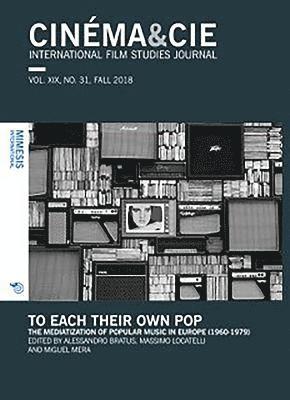
CINÉMA&CIE, INTERNATIONAL FILM STUDIES JOURNAL, VOL. XIX, no. 31, FALL 2018
To Each Their Own Pop. The Mediatization of Popular Music in Europe (1960-1979)
Häftad, Engelska, 2019
170 kr
Skickas
Pop music meets the media... This issue is dedicated to a social and cultural phenomenon that we could call the ‘mediatization of pop music’. With a particular focus on the 1960s and 1970s, it is our contention that these two decades significantly shaped our current mediatized culture both in its form and content. Since then, instead of political or confessional organisations, it was popular media and music that offered the contact point between public and private spheres, between the personal and the political, and this shift should be reconsidered as a focal trope in modern culture. We hope to widen the notion of mediatization by highlighting a range of historical processes that have had phenomenological after-effects: the experiential prototypes that were developed during this pivotal period later became persistent paradigms, and paved the way for the mediatized world we still live in.