Miikka Pyykkönen – författare
Visar alla böcker från författaren Miikka Pyykkönen. Handla med fri frakt och snabb leverans.
6 produkter
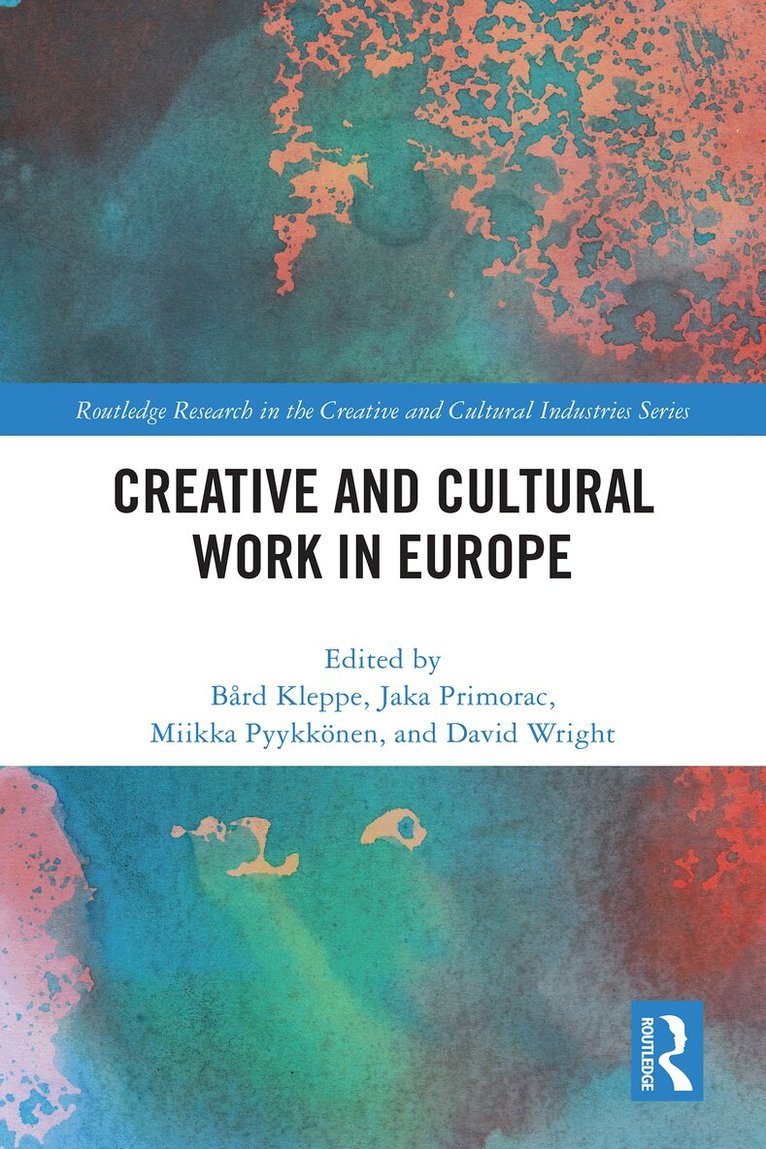
Creative and Cultural Work in Europe
Av Bård Kleppe, Jaka Primorac m. fl.
Inbunden, 2026
2586 kr
Lägg i varukorg
This book gathers evidence and case studies from various parts of Europe and across the different sectors that comprise the creative industries, including the visual and performing arts, popular music, the platform economy, and film.The creative economy has been lauded by national and regional …
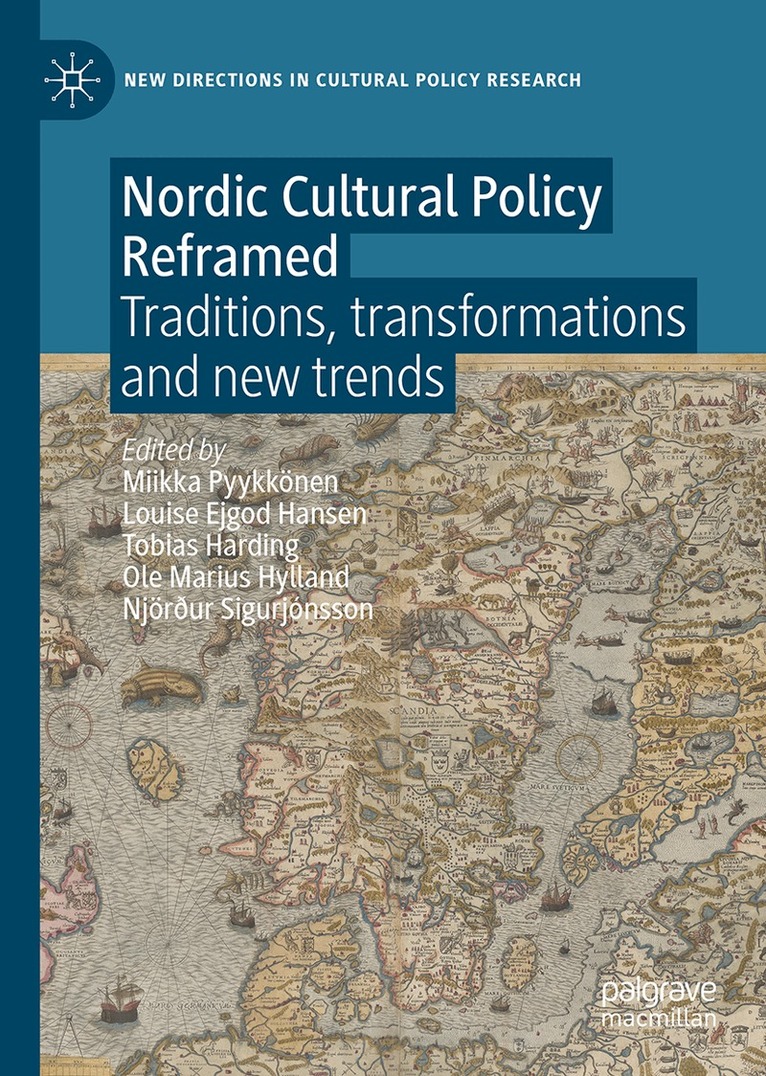
Nordic Cultural Policy Reframed
Traditions, transformations and new trends
Av Miikka Pyykkönen, Louise Ejgod Hansen m. fl.
Inbunden, 2027
2012 kr
Kommande
This book offers an up-to-date account of the current conditions and challenges of Nordic cultural policy model. Combining a detailed picture of the current situation in each Nordic country with their similarities and differences across borders, the book serves the knowledge needs of cultural …
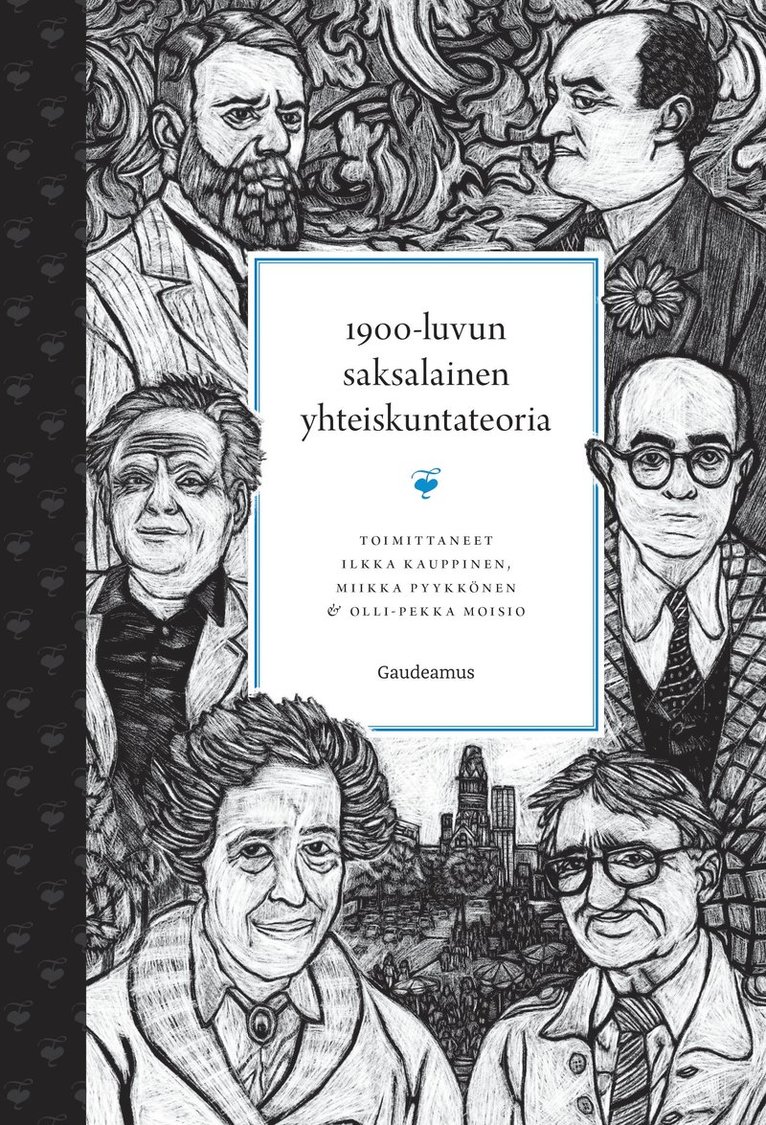
1900-luvun saksalainen yhteiskuntateoria
Av Miikka Pyykkönen, Ilkka Kauppinen m. fl.
E-bok, 2019
322 kr
Lägg i varukorg
Yhteiskuntateoriaa tarvitaan, jotta osaisimme arvioida ja tulkita, mitä ympärillämme tapahtuu, mitä tulevaisuudelta voidaan odottaa ja miten yhteiskunnalliseen todellisuuteen on mahdollista vaikuttaa. 1900-luvun saksalainen yhteiskuntateoria luotaa sitä, millaisin käsitteellisin välinein …
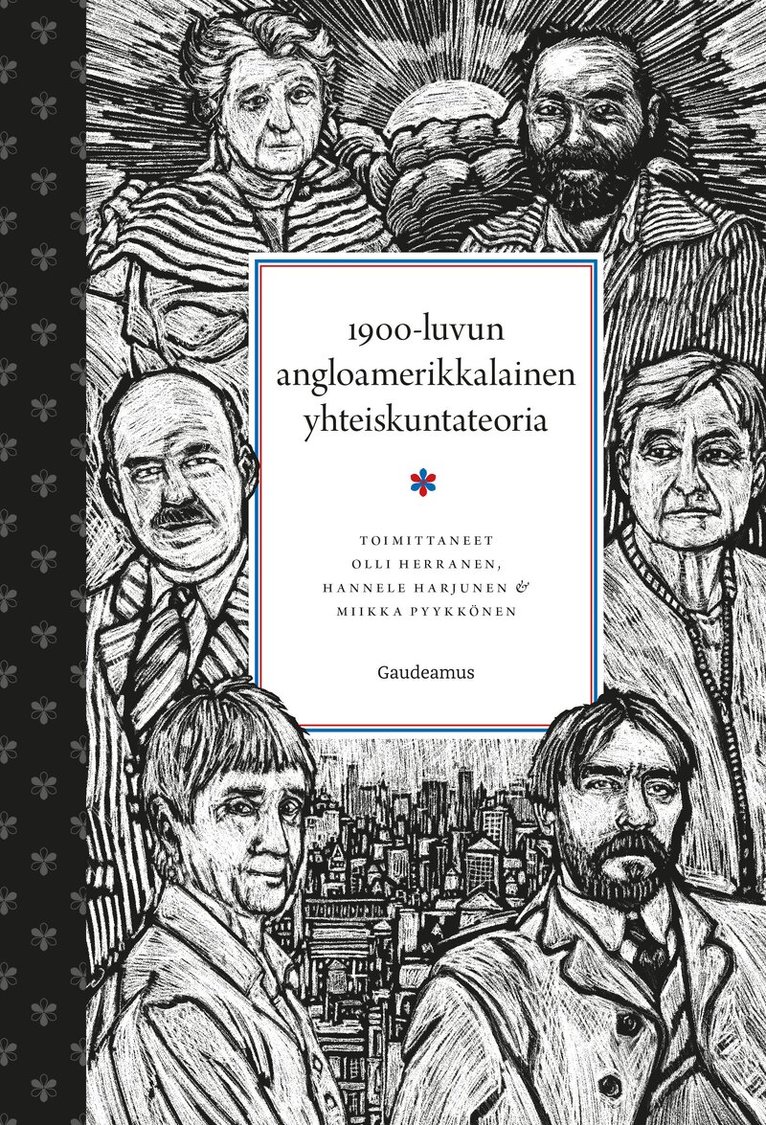
1900-luvun angloamerikkalainen yhteiskuntateoria
Av Miikka Pyykkönen, Olli Herranen m. fl.
E-bok, 2026
325 kr
Lägg i varukorg
Angloamerikkalaisesta maailmasta tulevat vaikutteet ovat juurtuneet osaksi arkeamme. Jotta voisimme arvioida ja tulkita vaikkapa yhdysvaltalaisen median ja populaarikulttuurin esittämiä käsityksiä yhteiskunnasta tai kapitalistisen markkinatalouden maailmanvalloitusta, on tunnettava niiden taustalla …
Hallintavalta
Av Miikka Pyykkönen, Jani Kaisto
E-bok, 2019
322 kr
Lägg i varukorg
Kun puhutaan hallinnasta yhteiskunnallistuneena vallankäytön muotona, sillä tarkoitetaan järjestelmällisiä pyrkimyksiä muovata yksilöiden, yhteisöjen ja väestöjen toimintaa ja toiminnan mahdollisuuksia. Hallintavalta johdattaa lukijansa hallinnan kysymyksenasetteluihin: Miten sosiaalinen, …
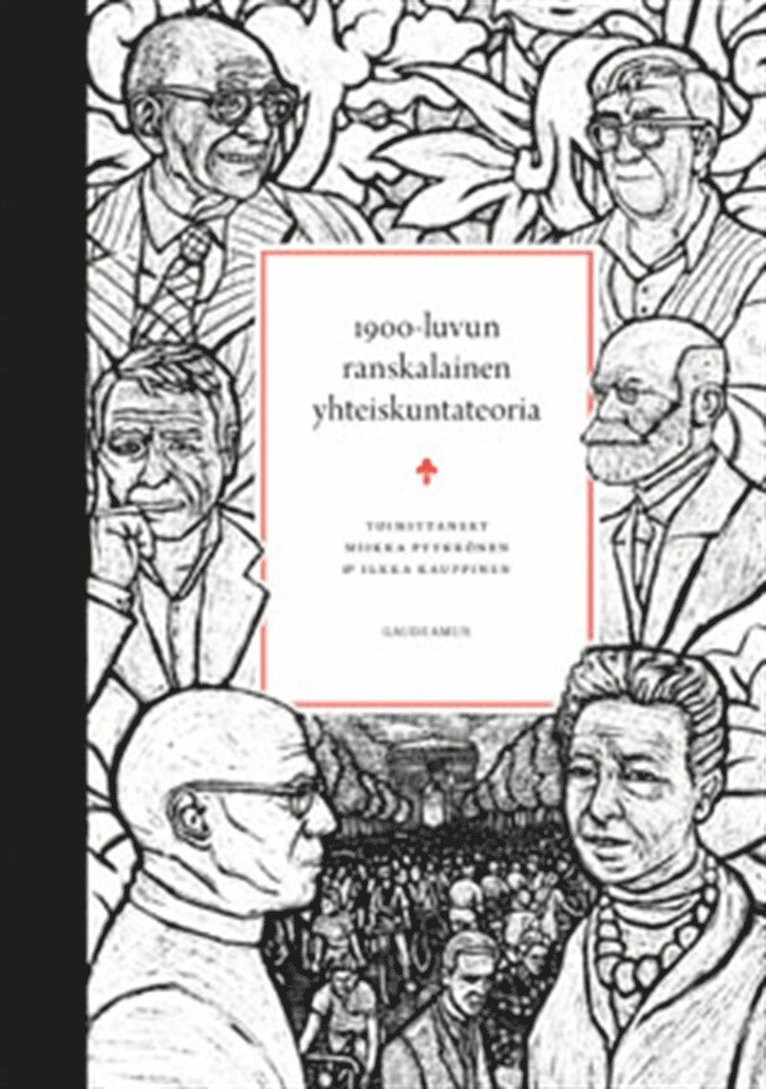
1900-luvun ranskalainen yhteiskuntateoria
Av Miikka Pyykkönen, Ilkka Kauppinen
E-bok, 2019
308 kr
Lägg i varukorg
Filosofiaa, sosiologiaa ja antropologiaa - strukturalismia, psykoanalyysia, eksistentialismia, situationismia, pragmatismia, jälkistrukturalismia! 1900-luvun ranskalainen yhteiskuntateoria tarjoaa asiantuntevan katsauksen keskeisimpiin ranskalaisteoreetikoihin ja heidän ajatuksiinsa. Mukana ovat …