Mike Benbough-Jackson - Böcker
Visar alla böcker från författaren Mike Benbough-Jackson. Handla med fri frakt och snabb leverans.
3 produkter
3 produkter
75 kr
Tillfälligt slut
Examines this most distinctive of Welsh counties. The author discusses the landscape, people, customs and significant centres of religious worship in their historical context from the dark ages to the recent past. He also discusses Cardiganshire's past - emigration due to poverty, geographical differences between parts of the county, and sport.
84 kr
Skickas inom 7-10 vardagar
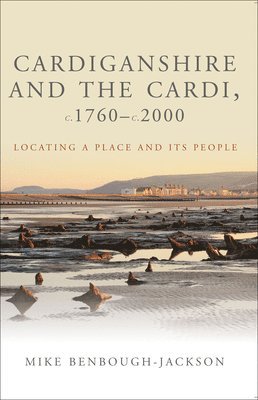
This book explores the ways in which the distinctive Welsh county of Cardigan and its inhabitants (known as Cardis) have been represented during the late modern era. The image of both Cardiganshire and the Cardi changed considerably during this period, and this representational history examines the reasons why these shifts took place. In doing so, the study uncovers an array of opinions about the county. Each of these viewpoints are analysed, placed in context and set against one another. The picture which emerges is of a place and a people onto which commentators projected their hopes and fears.
163 kr
Tillfälligt slut
As the ‘second city of empire’, Liverpool and the surrounding region played a pivotal role in the First World War. Even before the conflict, almost a third of all the goods that came into the country and the products that were shipped overseas passed through the port. During the First World War, thousands of men from Merseyside served in the military and the Merchant Navy. Many troops, including American forces, disembarked or stayed for a time in the area. Merseyside may not have been on the front line, but it was at the front of the war effort.Merseyside’s War relates the experiences of the people who lived in Merseyside during the war, from farmers on the Wirral Peninsula and landladies in Southport to shipbuilders in Birkenhead and female munitions workers in Bootle. It also captures the fear, excitement and boredom of those who fought in the war in Europe, the Middle East and Africa, or served at sea, in the air or in hospitals. Voices from both the front and the home front may be heard in diaries, newspapers, letters, government records and other documents from the time, as well in memoirs and oral histories.These varied voices and the accompanying images help us to more fully understand the way the war shaped the perceptions and experiences of the people who lived in England’s third-largest city and its hinterland.