Mike Parker Pearson – författare
Visar alla böcker från författaren Mike Parker Pearson. Handla med fri frakt och snabb leverans.
16 produkter
16 produkter
180 kr
Tillfälligt slut
Pirates, shipwreck and slavery - these are the key themes in this story of an Englishman who spent 14 years of his life in captivity in Madagascar. Although Robert Drury wrote a book about his adventures in 1729, it has long been out of print. This book aims to track down the truth of his story.
214 kr
Skickas
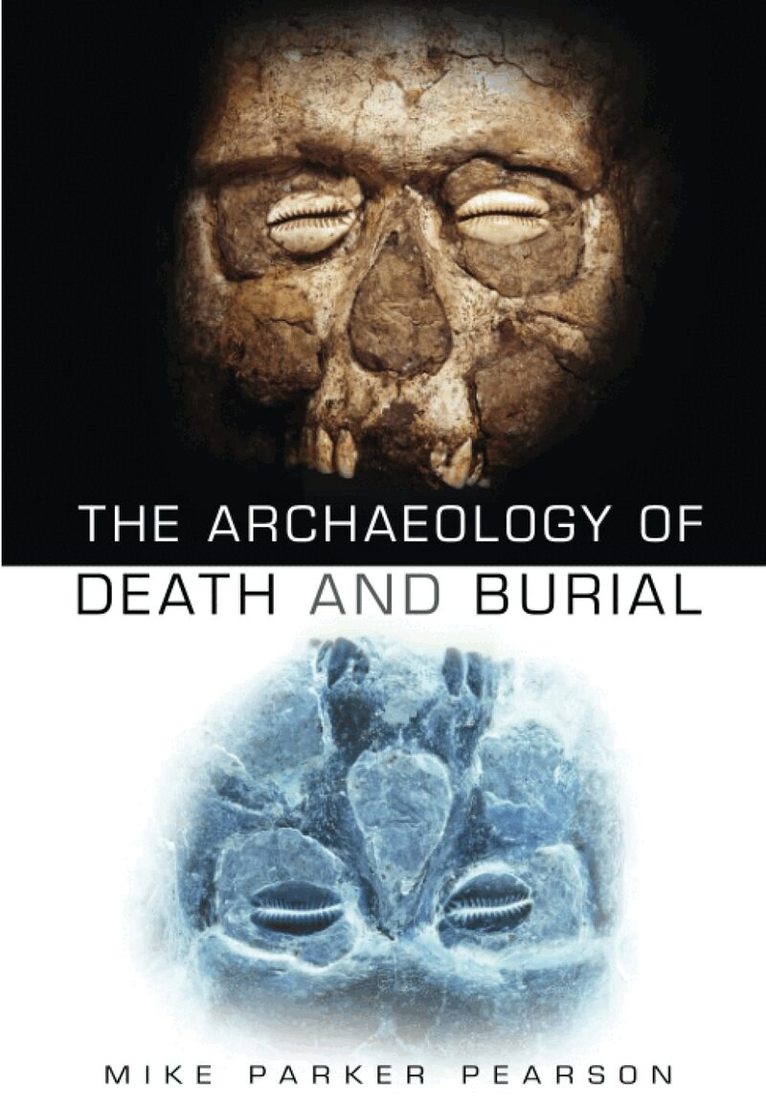
The archaeology of death and burial is central to our attempts to understand vanished societies. Through the remains of funerary rituals we can learn not only about the attitudes of prehistoric people to death and the afterlife, but also about their way of life, their social organisation and their view of the world. This ambitious book reviews the latest research in this huge and important field, and describes the sometimes controversial interpretations that have led to rapid advances in our understanding of life and death in the distant past. A unique overview and synthesis of one of the most revealing fields of research into the past, it covers archaeology's most breathtaking discoveries, from Tutankhamen to the Ice Man, and will find a keen market among archaeologists, historians and others who have a professional interest in, or general curiosity about, death and burial.
187 kr
Tillfälligt slut
The archaeology and history of South Uist.
142 kr
Skickas
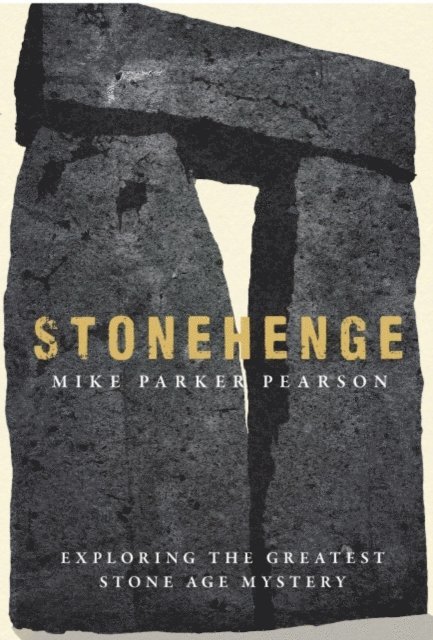
Our knowledge about Stonehenge has changed dramatically as a result of the Stonehenge Riverside Project (2003-2009), led by Mike Parker Pearson, and included not only Stonehenge itself but also the nearby great henge enclosure of Durrington Walls. This book is about the people who built Stonehenge and its relationship to the surrounding landscape. The book explores the theory that the people of Durrington Walls built both Stonehenge and Durrington Walls, and that the choice of stone for constructing Stonehenge has a significance so far undiscovered, namely, that stone was used for monuments to the dead. Through years of thorough and extensive work at the site, Parker Pearson and his team unearthed evidence of the Neolithic inhabitants and builders which connected the settlement at Durrington Walls with the henge, and contextualised Stonehenge within the larger site complex, linked by the River Avon, as well as in terms of its relationship with the rest of the British Isles. Parker Pearson's book changes the way that we think about Stonehenge; correcting previously erroneous chronology and dating; filling in gaps in our knowledge about its people and how they lived; identifying a previously unknown type of Neolithic building; discovering Bluestonehenge, a circle of 25 blue stones from western Wales; and confirming what started as a hypothesis - that Stonehenge was a place of the dead - through more than 64 cremation burials unearthed there, which span the monument's use during the third millennium BC. In lively and engaging prose, Parker Pearson brings to life the imposing ancient monument that continues to hold a fascination for everyone.
300 kr
Skickas inom 3-6 vardagar
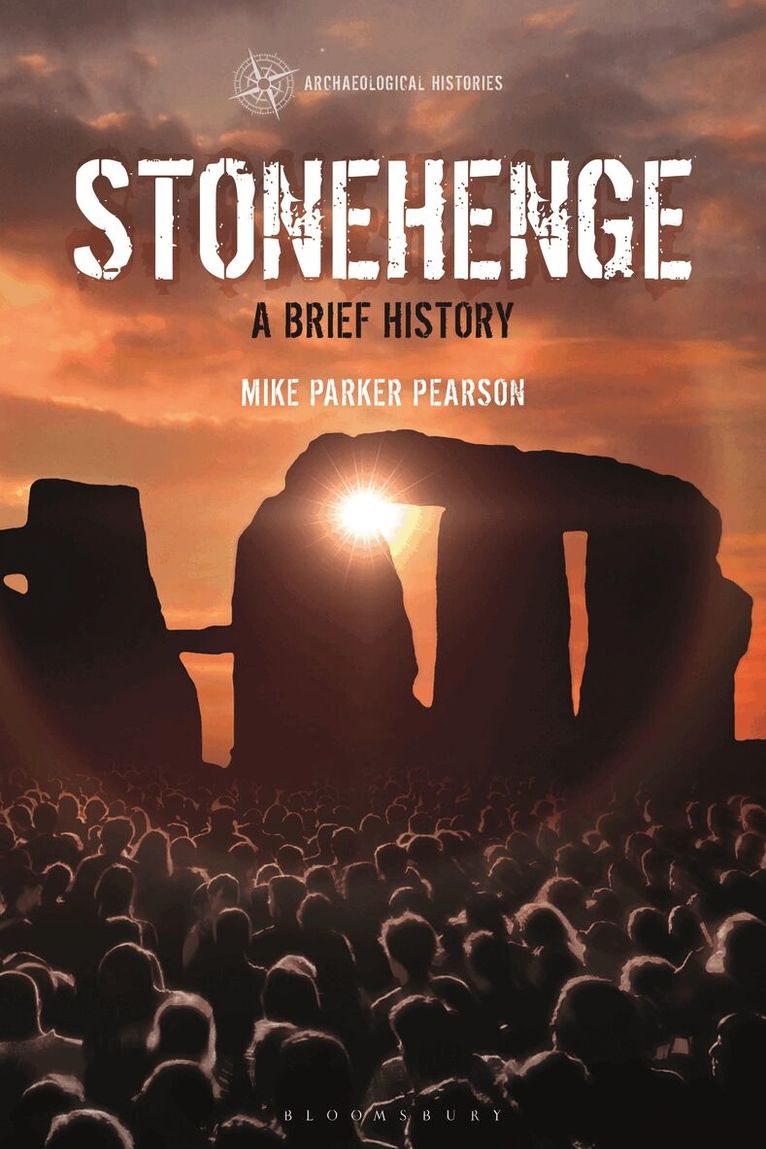
Stonehenge is one of the world’s most famous monuments. Who built it, how and why are questions that have endured for at least 900 years, but modern methods of investigation are now able to offer up a completely new understanding of this iconic stone circle.Stonehenge’s history straddles the transition from the Stone Age to the Bronze Age, though its story began long before it was built. Serving initially as a burial ground, it evolved over time into a sacred place for gathering, feasting and building, and was remodelled several times as different peoples arrived in the area along with new technologies and customs. In more recent centuries it has found itself the centre of excavations, political protests and even conspiracy theories, embedding itself in the consciousness of the modern world.In this book Mike Parker Pearson draws on two decades of research, the results of recent excavations and cutting-edge scientific analyses to uncover many of the secrets that this prehistoric stone circle has kept for 5,000 years. In doing so, he paints the most comprehensive picture yet of the history of Stonehenge, from its origins up to the 21st century, and reveals how in some ways trying to explain its power of attraction in the present is harder than explaining its purpose in the ancient past.
970 kr
Skickas inom 10-15 vardagar
Stonehenge is one of the world’s most famous monuments. Who built it, how and why are questions that have endured for at least 900 years, but modern methods of investigation are now able to offer up a completely new understanding of this iconic stone circle.Stonehenge’s history straddles the transition from the Stone Age to the Bronze Age, though its story began long before it was built. Serving initially as a burial ground, it evolved over time into a sacred place for gathering, feasting and building, and was remodelled several times as different peoples arrived in the area along with new technologies and customs. In more recent centuries it has found itself the centre of excavations, political protests and even conspiracy theories, embedding itself in the consciousness of the modern world.In this book Mike Parker Pearson draws on two decades of research, the results of recent excavations and cutting-edge scientific analyses to uncover many of the secrets that this prehistoric stone circle has kept for 5,000 years. In doing so, he paints the most comprehensive picture yet of the history of Stonehenge, from its origins up to the 21st century, and reveals how in some ways trying to explain its power of attraction in the present is harder than explaining its purpose in the ancient past.
From Stonehenge to the Baltic
Living with cultural diversity in the third millennium BC
Häftad, Engelska, 2007
988 kr
Skickas inom 5-8 vardagar
2 376 kr
Skickas inom 5-8 vardagar
Stonehenge: A New Understanding: Solving the Mysteries of the Greatest Stone Age Monument
Inbunden, Engelska
323 kr
Tillfälligt slut
Stonehenge - A New Understanding: Solving the Mysteries of the Greatest Stone Age Monument
Häftad, Engelska, 2014
240 kr
Skickas inom 3-6 vardagar
Del 1117 - BAR International Series
Food Culture and Identity in the Neolithic and Early Bronze Age
Häftad, Engelska, 2003
637 kr
Skickas inom 5-8 vardagar
Warfare Violence and Slavery in Prehistory
Proceedings of a Prehistoric Society conference at Sheffield University
Häftad, Engelska, 2005
972 kr
Skickas inom 5-8 vardagar
197 kr
Tillfälligt slut
Stonehenge is an iconic monument for people all around the world. Built around 5000 years ago, it stands for mystery and forgotten secrets waiting to be decoded. In this latest book in the Council for British Archaeology’s ‘Archaeology for All’ series, Professor Mike Parker Pearson presents an up-to-date interpretation of Stonehenge and its landscape. Drawing on his years of research and excavation, the author presents a highly readable account that is lavishly illustrated with images by the renowned photographer Adam Stanford and the reconstruction artist Peter Dunn.
1 024 kr
Skickas
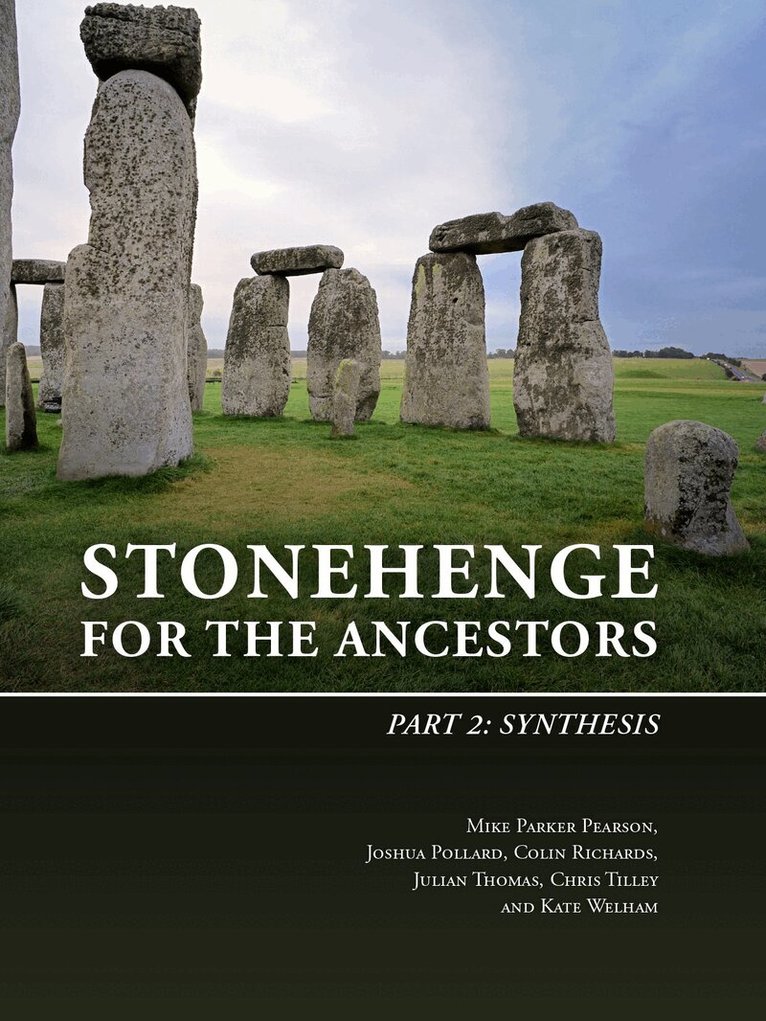
For many centuries, scholars and enthusiasts have been fascinated by Stonehenge, the world’s most famous stone circle. In 2003 a team of archaeologists commenced a long-term fieldwork project for the first time in decades. The Stonehenge Riverside Project (2003-2009) aimed to investigate the purpose of this unique prehistoric monument by considering it within its wider archaeological context.This is the second of four volumes which present the results of that campaign. It includes studies of the lithics from excavations, both from topsoil sampling and from excavated features, as well as of the petrography of the famous bluestones, as identified from chippings recovered during excavations. Other specialist syntheses are those of the land mollusca. The volume provides an overview of Stonehenge in its landscape over millennia from before the monument was built to the last of its five constructional stages. It concludes with a chapter placing Stonehenge in its full context within Britain and western Europe during the third millennium BC.With contributions by:Umberto Albarella, Michael Allen, Richard Bevins, Benjamin Chan, Robert Ixer, Claudia Minniti, Doug Mitcham and Sarah Viner-Daniels
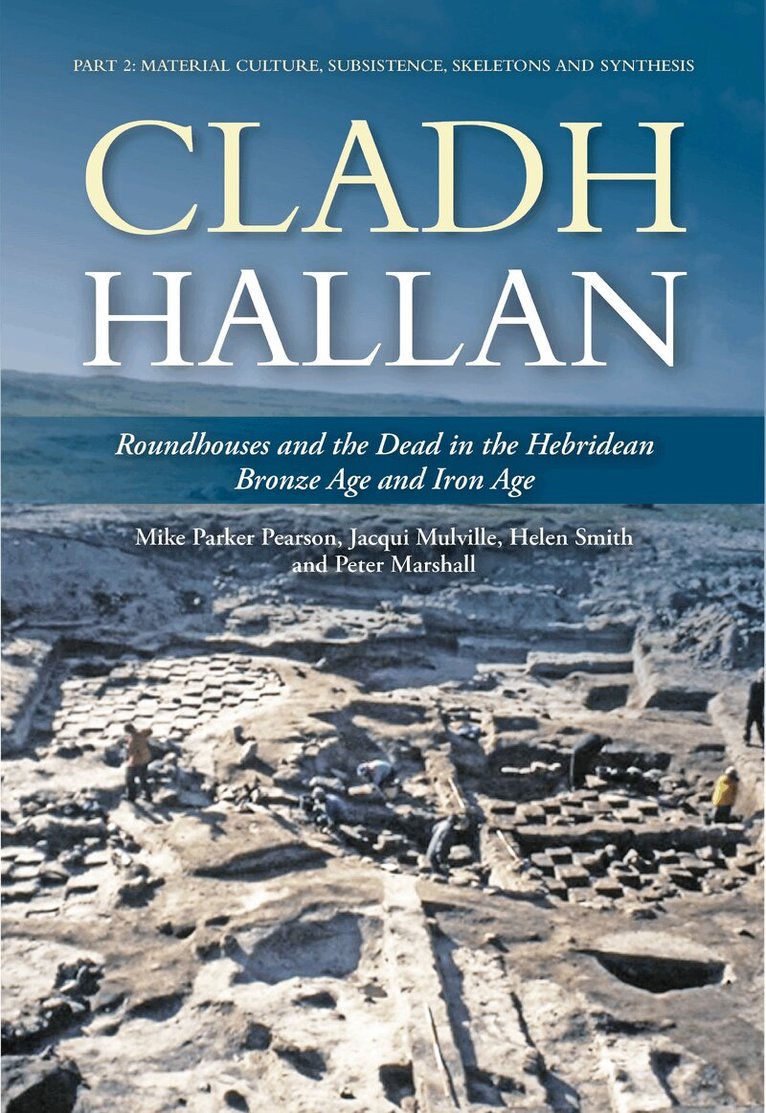
Cladh Hallan: Roundhouses and the Dead in the Hebridean Bronze Age and Iron Age
Part 2: Material Culture, Subsistence, Skeletons and Synthesis
Inbunden, Engelska, 2025
549 kr
Skickas
This second of two volumes presents archaeological and scientific studies of a wide range of materials from the unusually long-occupied Bronze Age and Iron Age site of Cladh Hallan on South Uist in the Western Isles of Scotland. These include metalworking debris, copper-alloy, gold and iron artifacts, bone and antler tools and ornaments, flint and quartz tools, coarse stone tools, pumice, shale ornaments and fuel ash slag. The metalworking assemblage, from casting weapons, tools and ornaments, is exceptional in its size and in its being stratified within a domestic context of production. Metal tools and ornaments, some placed as special deposits on house floors, include a gold-plated penannular ring and an iron object stratified within an 11th-century BC house floor, among the earliest finds of iron artefacts in Britain.The enormous and well-preserved environmental assemblage includes faunal remains of land mammals, whales, fish, birds and marine and terrestrial molluscs. Sheep were the most numerous domestic species within an assemblage of over 150,000 land mammalian remains, and Cladh Hallan has the largest collection of canine remains for any settlement in British later prehistory. Carbonized plant remains derive principally from cultivation of barley and associated weeds of cultivation.The site’s assemblage provides extensive material for chemical analysis of food residues, isotopic analysis of animal and human remains, osteological analysis of human remains, histological analysis of their processes of diagenesis, and genetic analysis of ancient DNA from animal and human remains. These analyses include full investigation of the human remains from two composite inhumations that had formerly been mummified, the first discovery of this mortuary practice in prehistoric Britain.The book concludes with a synthesis of results presented in the two volumes, presenting the rich insights provided by research on Cladh Hallan into life and death in the 2nd and early 1st millennia BC.
556 kr
Skickas
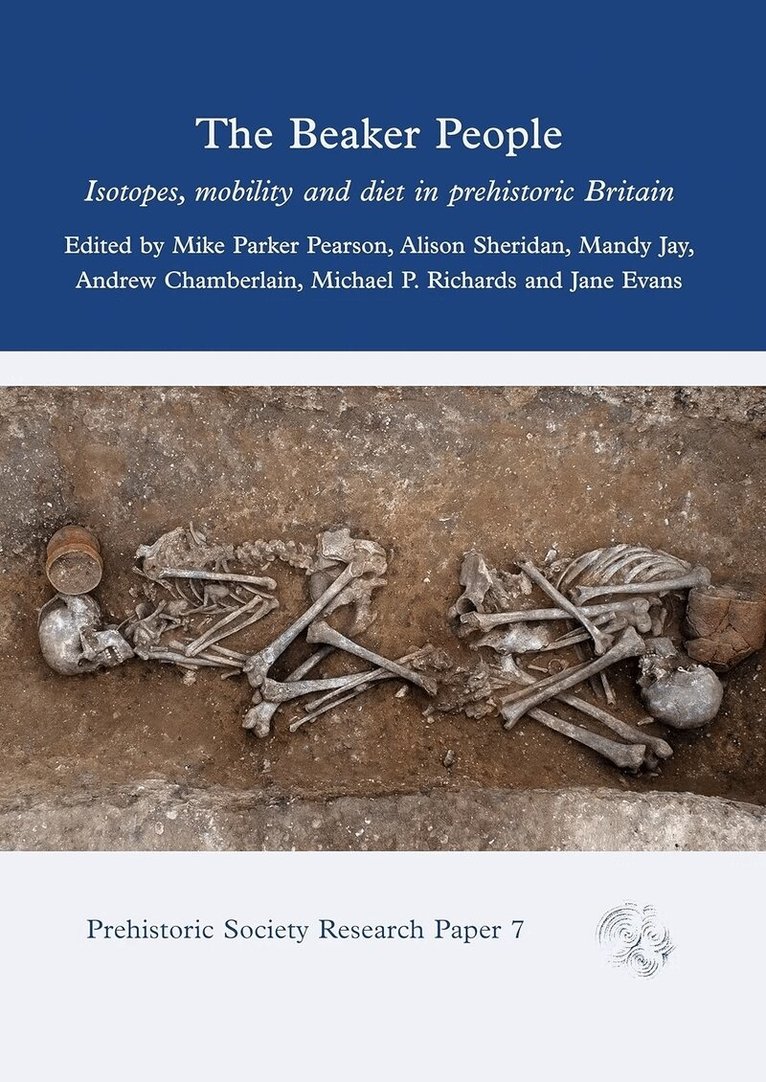
The Beaker People: isotopes, mobility and diet in prehistoric Britain presents the results of a major project that sought to address a century-old question about the people who were buried with Beakers a – the distinctive pottery of Continental origin that was current, predominantly in equally distinctive burials, in Britain from around 2450 BC. Who were these people? Were they immigrants and how far did they move around? What did they eat? What was their lifestyle? How do they compare with Britain’s earlier inhabitants and with contemporaries who did not use Beaker pottery? An international team of leading archaeologists and scientists, led by Professor Mike Parker Pearson, was assembled to address these questions. Around 300 skeletons were subjected to isotope analysis to explore patterns of mobility and diet, and 150 new radiocarbon dates were obtained. Dental microwear was examined for 64 individuals to provide further information about the food they had eaten, and new information on the sex and age of 201 people obtained. A comparative study was undertaken of the shape and size of Beaker users’ skulls and those of Neolithic people in the Peak District of England, to examine the long-held claim that there was a switch from long-headed to round-headed people with the appearance of Beakers. Tantalizing evidence for head-binding among Neolithic people was found. The range of objects found in Beaker graves was reviewed.In addition, the Beaker People Project was able to incorporate the results of another project, focusing on Beaker users in north-east Scotland (The Beakers and Bodies Project) along with other recently obtained data, including ancient DNA results. Overall, new light has been shed on 369 people: 333 Beaker and non-Beaker users from the core 2500–1500 BC period, along with 17 from the Neolithic and 19 from after 1500 BC. While the genetic data provide convincing evidence for immigration by Continental Beaker users, the isotopic data indicate a more detailed picture of movements, mostly of fairly short distances within Britain, by the descendants of the first Beaker users. This lavishly illustrated book presents a body of data that will be vital to studies of Chalcolithic and Early Bronze Age Britain for decades to come.