
Mike Peros – författare
Visar alla böcker från författaren Mike Peros. Handla med fri frakt och snabb leverans.
6 produkter
6 produkter
E-bok
Engelska, 2016342 kr
Läs direkt efter köp
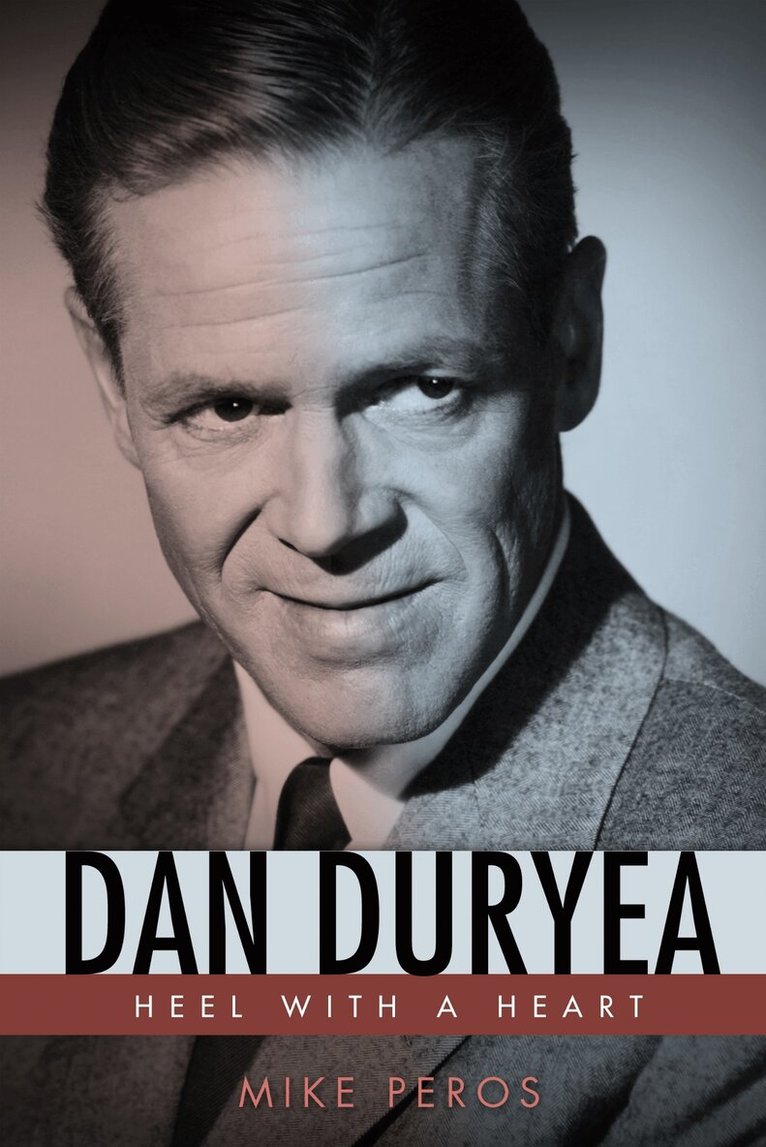
Dan Duryea (1907–1968) made a vivid impression on moviegoers with his first major screen appearance as the conniving Leo Hubbard in 1941''s classic melodrama The Little Foxes. His subsequent film and television career would span from 1941 until his death. Duryea remains best known for the nasty, scheming villains he portrayed in such noir masterpieces as Scarlet Street, Criss Cross, and The Woman in the Window. In each of these, he wielded a blend of menace, sleaze, confidence, and surface charm. This winning combination led him to stardom and garnered him the adoration of female fans, even though Duryea''s onscreen brutality so often targeted female characters. Yet this biography''s close examination of Duryea''s oeuvre finds him excelling in various roles in many genres—war films, westerns, crime dramas, and even the occasional comedy. Dan Duryea: Heel with a Heart is a full-scale, comprehensive biography that examines the tension between Duryea''s villainous screen image and his Samaritan personal life. At home, he proved to be one of Hollywood''s most honorable and decent men. Duryea remained married to the former Helen Bryan from 1931 until her death in 1967. A dedicated family man, he and Helen took an active role in raising their children and in the community. In his career, Duryea knew villainous roles were what the public wanted—there would be a public backlash if fans read an article depicting what a decent guy he was. Frustrated that he couldn''t completely shake his screen image and public persona, he wrestled with this restriction throughout his career. Producers and the public did not care to follow any new directions he hoped to pursue. This book, written with Duryea''s surviving son Richard''s cooperation, fully explores the life and legacy of a Hollywood icon ready for rediscovery.
E-bok
PDF, Engelska, 2016342 kr
Läs direkt efter köp
Dan Duryea (1907–1968) made a vivid impression on moviegoers with his first major screen appearance as the conniving Leo Hubbard in 1941''s classic melodrama The Little Foxes. His subsequent film and television career would span from 1941 until his death. Duryea remains best known for the nasty, scheming villains he portrayed in such noir masterpieces as Scarlet Street, Criss Cross, and The Woman in the Window. In each of these, he wielded a blend of menace, sleaze, confidence, and surface charm. This winning combination led him to stardom and garnered him the adoration of female fans, even though Duryea''s onscreen brutality so often targeted female characters. Yet this biography''s close examination of Duryea''s oeuvre finds him excelling in various roles in many genres—war films, westerns, crime dramas, and even the occasional comedy. Dan Duryea: Heel with a Heart is a full-scale, comprehensive biography that examines the tension between Duryea''s villainous screen image and his Samaritan personal life. At home, he proved to be one of Hollywood''s most honorable and decent men. Duryea remained married to the former Helen Bryan from 1931 until her death in 1967. A dedicated family man, he and Helen took an active role in raising their children and in the community. In his career, Duryea knew villainous roles were what the public wanted—there would be a public backlash if fans read an article depicting what a decent guy he was. Frustrated that he couldn''t completely shake his screen image and public persona, he wrestled with this restriction throughout his career. Producers and the public did not care to follow any new directions he hoped to pursue. This book, written with Duryea''s surviving son Richard''s cooperation, fully explores the life and legacy of a Hollywood icon ready for rediscovery.
Inbunden, Engelska, 2020
414 kr
Skickas inom 5-8 vardagar
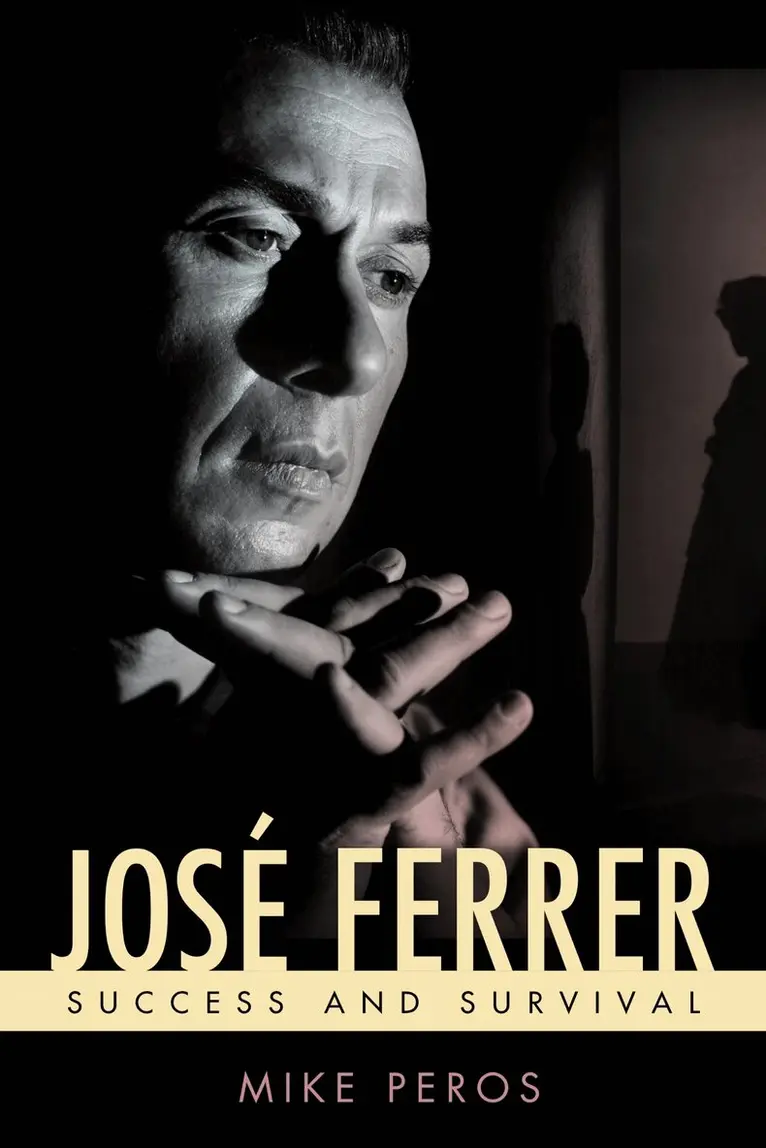
José Ferrer (1912-1992) became the first Puerto Rican actor to win the Best Actor Academy Award for the 1950 film version of Cyrano de Bergerac.His portrayal of the lovelorn poet/swordsman had already won him the Tony in 1947, and he would be identified with Cyrano for the rest of his life. Ferrer was a theatrical dynamo; in 1952 he directed Stalag 17, The Fourposter, and The Shrike (which he starred in) on Broadway, while New York City movie marquees were heralding his appearance in Anything Can Happen.At his apex in the 1950s, Ferrer capitalized on his Oscar with such triumphs as Moulin Rouge and The Caine Mutiny. He soon became a force behind the camera, acting and directing such critically well-received films as The Shrike and The Great Man. Yet in the late 1950s, such ambitious theatrical productions as Edwin Booth and Juno were critical and commercial flops and film studios lost their patience. By the mid-1960s, Ferrer took whatever roles he could get.He led a turbulent personal life. His first marriage to actress Uta Hagen ended in divorce and scandal. His personal and professional relationship with Paul Robeson landed Ferrer before the House Un-American Activities Committee. Ferrer's marriage to actress/dancer Phyllis Hill was marred by his infidelity, while initial wedded bliss with singer Rosemary Clooney soon eroded. In spite of everything, Ferrer endured and worked practically right up to his death. Proud of his Puerto Rican heritage, he donated his Oscar to the University of Puerto Rico and championed the work of Latino writers. He continuously evolved, stretching his talents. Ferrer's life is an American success story and a testament to reinvention and resilience.
E-bok
Engelska, 2020342 kr
Läs direkt efter köp
José Ferrer (1912–1992) became the first Puerto Rican actor to win the Best Actor Academy Award for the 1950 film version of Cyrano de Bergerac. His iconic portrayal of the lovelorn poet/swordsman had already won him the Tony in 1947, and he would be identified with Cyrano for the rest of his life. Ferrer was a theatrical dynamo with limitless energy; in 1952 he directed Stalag 17, The Fourposter, and The Shrike (which he starred in) on Broadway, while New York City movie marquees were heralding his appearance in Anything Can Happen. At his apex in the 1950s, Ferrer was in constant demand both in theater and movies. He capitalized on his Oscar with such triumphs as Moulin Rouge and The Caine Mutiny. Not content with merely acting, Ferrer soon became a force behind the camera, acting and directing such critically well-received films as The Shrike and The Great Man. Success proved difficult to sustain. In the late 1950s, such ambitious theatrical productions as Edwin Booth and Juno were critical and commercial flops, while film studios also lost their patience with him. By the mid-1960s, Ferrer took whatever roles he could get in films, television, or regional theater. In addition, Ferrer had a turbulent personal life. His first marriage to actress Uta Hagen ended in divorce and scandal. His personal and professional relationship with his Othello costar Paul Robeson landed Ferrer before the House Un-American Activities Committee. Ferrer’s marriage to actress/dancer Phyllis Hill was marred by his infidelity, while his initial wedded bliss with singer Rosemary Clooney eroded as his career began to ebb while hers started to peak. In spite of everything, Ferrer managed to endure and was working practically right up to his death. Ferrer maintained his pride in his Puerto Rican heritage, donating his Oscar to the University of Puerto Rico while championing the work of Latino poets and playwrights. He continuously evolved, striving to remain relevant, stretching his talents (including cabaret, operas, musicals, and yes, ballet!), and writing the occasional guest column for major newspapers. Ferrer’s life is an American success story and a testament to reinvention and resilience.
E-bok
PDF, Engelska, 2020342 kr
Läs direkt efter köp
José Ferrer (1912–1992) became the first Puerto Rican actor to win the Best Actor Academy Award for the 1950 film version of Cyrano de Bergerac. His iconic portrayal of the lovelorn poet/swordsman had already won him the Tony in 1947, and he would be identified with Cyrano for the rest of his life. Ferrer was a theatrical dynamo with limitless energy; in 1952 he directed Stalag 17, The Fourposter, and The Shrike (which he starred in) on Broadway, while New York City movie marquees were heralding his appearance in Anything Can Happen. At his apex in the 1950s, Ferrer was in constant demand both in theater and movies. He capitalized on his Oscar with such triumphs as Moulin Rouge and The Caine Mutiny. Not content with merely acting, Ferrer soon became a force behind the camera, acting and directing such critically well-received films as The Shrike and The Great Man. Success proved difficult to sustain. In the late 1950s, such ambitious theatrical productions as Edwin Booth and Juno were critical and commercial flops, while film studios also lost their patience with him. By the mid-1960s, Ferrer took whatever roles he could get in films, television, or regional theater. In addition, Ferrer had a turbulent personal life. His first marriage to actress Uta Hagen ended in divorce and scandal. His personal and professional relationship with his Othello costar Paul Robeson landed Ferrer before the House Un-American Activities Committee. Ferrer’s marriage to actress/dancer Phyllis Hill was marred by his infidelity, while his initial wedded bliss with singer Rosemary Clooney eroded as his career began to ebb while hers started to peak. In spite of everything, Ferrer managed to endure and was working practically right up to his death. Ferrer maintained his pride in his Puerto Rican heritage, donating his Oscar to the University of Puerto Rico while championing the work of Latino poets and playwrights. He continuously evolved, striving to remain relevant, stretching his talents (including cabaret, operas, musicals, and yes, ballet!), and writing the occasional guest column for major newspapers. Ferrer’s life is an American success story and a testament to reinvention and resilience.
Häftad, Engelska, 2020
346 kr
Skickas inom 10-15 vardagar
Dan Duryea (1907-1968) made a vivid impression on moviegoers with his first major screen appearance as the conniving Leo Hubbard in 1941's classic melodrama The Little Foxes. His subsequent film and television career would span from 1941 until his death. Duryea remains best known for the nasty, scheming villains he portrayed in such noir masterpieces as Scarlet Street, Criss Cross, and The Woman in the Window. In each of these, he wielded a blend of menace, sleaze, confidence, and surface charm. This winning combination led him to stardom and garnered him the adoration of female fans, even though Duryea's onscreen brutality so often targeted female characters. Yet this biography's close examination of Duryea's oeuvre finds him excelling in various roles in many genres - war films, westerns, crime dramas, and even the occasional comedy.Dan Duryea: Heel with a Heart is a full-scale, comprehensive biography that examines the tension between Duryea's villainous screen image and his Samaritan personal life. At home, he proved to be one of Hollywood's most honorable and decent men. Duryea remained married to the former Helen Bryan from 1931 until her death in 1967. A dedicated family man, he and Helen took an active role in raising their children and in the community.In his career, Duryea knew villainous roles were what the public wanted - there would be a public backlash if fans read an article depicting what a decent guy he was. Frustrated that he couldn't completely shake his screen image and public persona, he wrestled with this restriction throughout his career. Producers and the public did not care to follow any new directions he hoped to pursue. This book, written with Duryea's surviving son Richard's cooperation, fully explores the life and legacy of a Hollywood icon ready for rediscovery.