Mike Smylie - Böcker
Visar alla böcker från författaren Mike Smylie. Handla med fri frakt och snabb leverans.
12 produkter
12 produkter
119 kr
Skickas
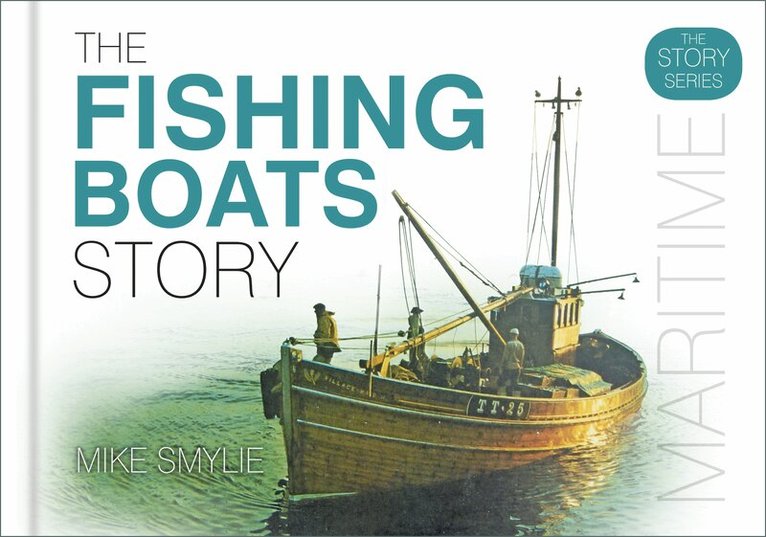
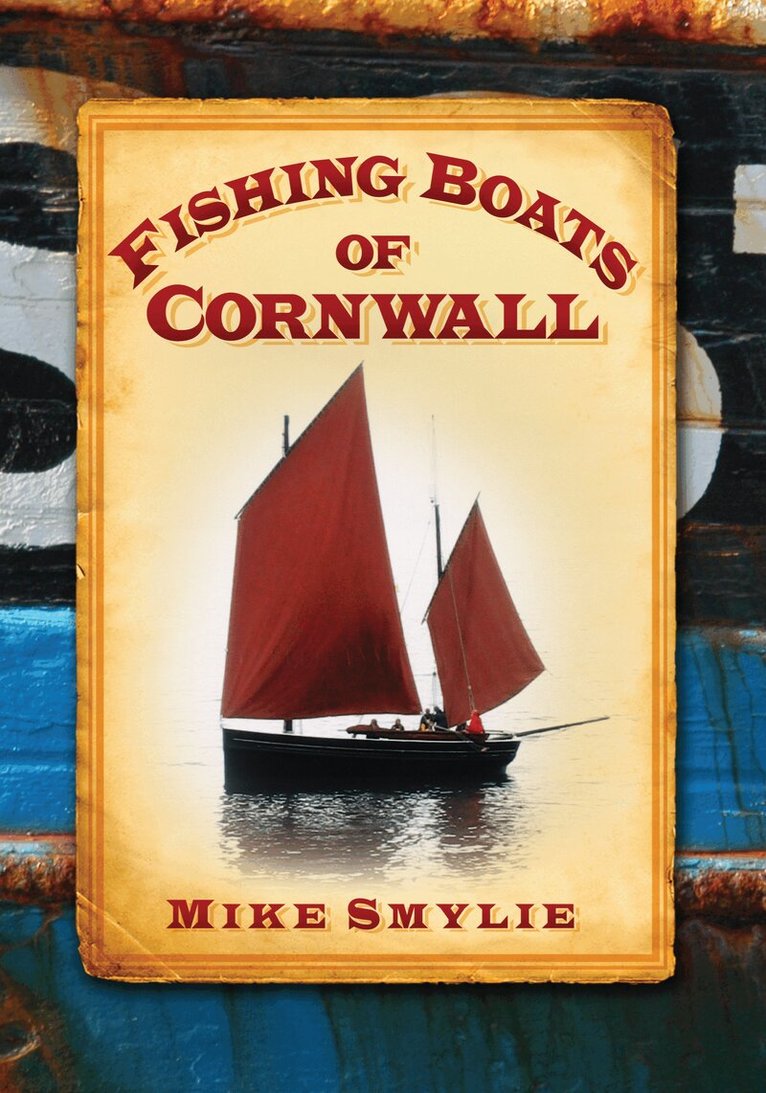
Britain has a history of producing and using a wonderful array of fishing boats, some of which still sail under private ownership. These older vessels developed in their own unique ways, dependent on local traditions, the type of fishing, their place of operation and innovation from fishermen and boatbuilders alike. Later, with motorisation, they changed dramatically through the steam era until the advent of the internal combustion engine. Today fishing boats old and new attract scores of people to fishing harbours everywhere, inspired by picturesque scenes, the life on board or the new breed of vessels with their modern technology in an ever-increasing competitive market.
196 kr
Skickas inom 7-10 vardagar
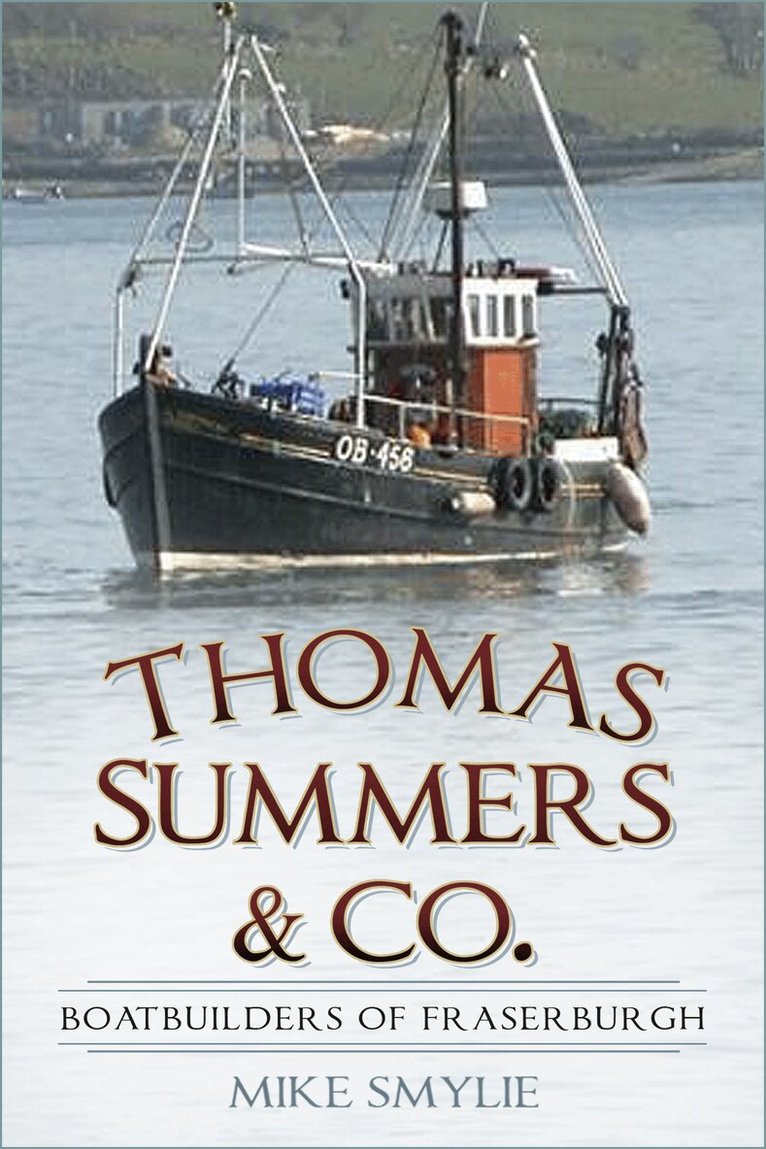
After the end of hostilities in 1945, the fishing industry was quick to establish some semblance of recovery and a surge of new builds and restoration of Admiralty motor fishing vessels soon followed. In Fraserburgh, on Scotland’s east coast, several established yards satiated this desire amongst the fishing-boat owners for new craft. Thus it wasn’t surprising that a new yard sprung up at the end of the 1940s when three local apprentices from one of the yards decided to set up their own boatbuilding yard on the breakwater, in what was a very exposed position. And so the yard of Thomas Summers & Co. was born, a yard that became synonymous with fine seaworthy fishing boats suited to various methods of fishing. In the space of just thirteen years they produced eighty-eight fishing vessels and their output was more prolific than most of the other Scottish boatyards. Many of these boats survive to this day, some still working as fishing vessels, and others converted to pleasure, a testament to their superb design and solid construction. Here, Mike Smylie recounts the story of Thomas Summers & Co. through historic records and personal memories of both fishermen and family members, with many striking photographs of the boats they built.
Voices from the Shoreline
The Ancient and Ingenious Traditions of Coastal Fishing
Häftad, Engelska, 2021
214 kr
Skickas
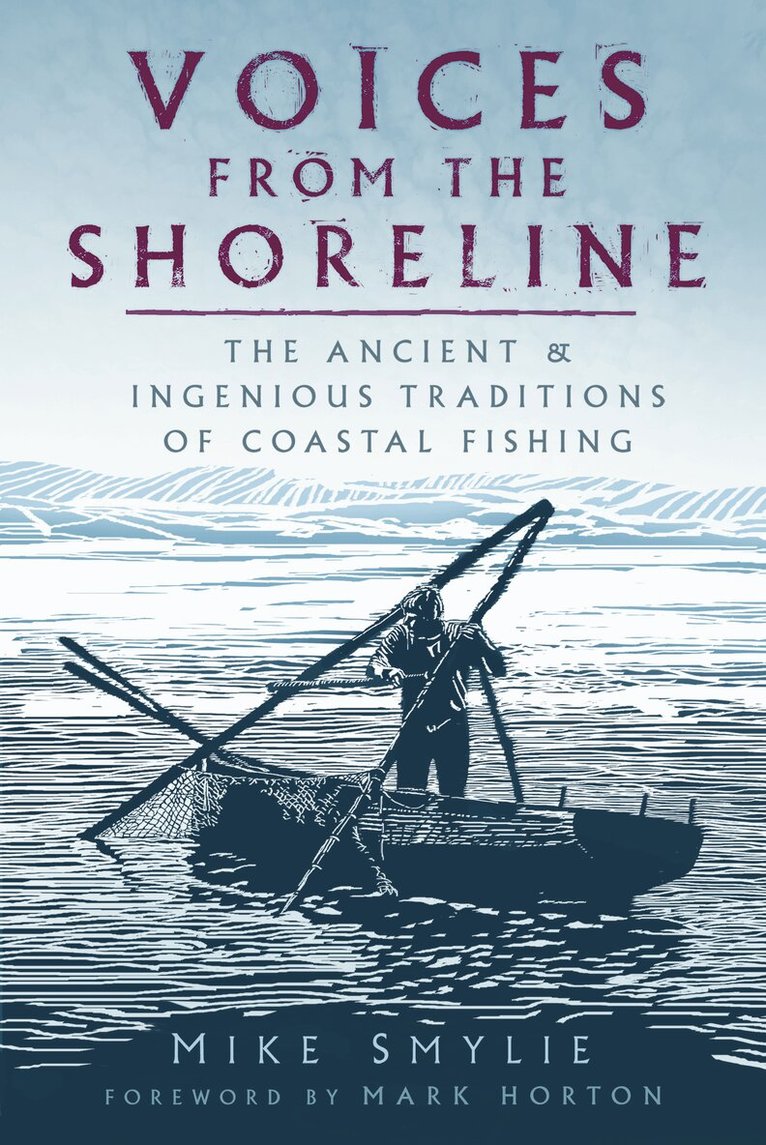
For generations, coastal fishermen, working at the very fringe between land and sea, have fished salmon and herring using methods passed down from father to son. Some of these ancient traditions have been traced back as far as the days when the men from Scandinavia colonised these lands in the eighth and ninth centuries; others are simply nineteenth century in origin.Sadly, in recent years stocks have dwindled and regulations limit local fishing practices. Today, some surviving methods, such as haaf-netting, are in danger of dying out, whilst other traditional fisheries now lie abandoned. Though herring stocks have recovered from their late twentieth-century decline, the Atlantic salmon is now under immense threat and more danger of extinction than ever before.Tracing and describing his own journey from North Devon, through Wales and up to the top of Scotland, along with interviews with many fishermen, both retired and working, Mike Smylie explores the social history of these indigenous fishing traditions and communities, presenting a picture of their lives, past, present and future.
214 kr
Skickas
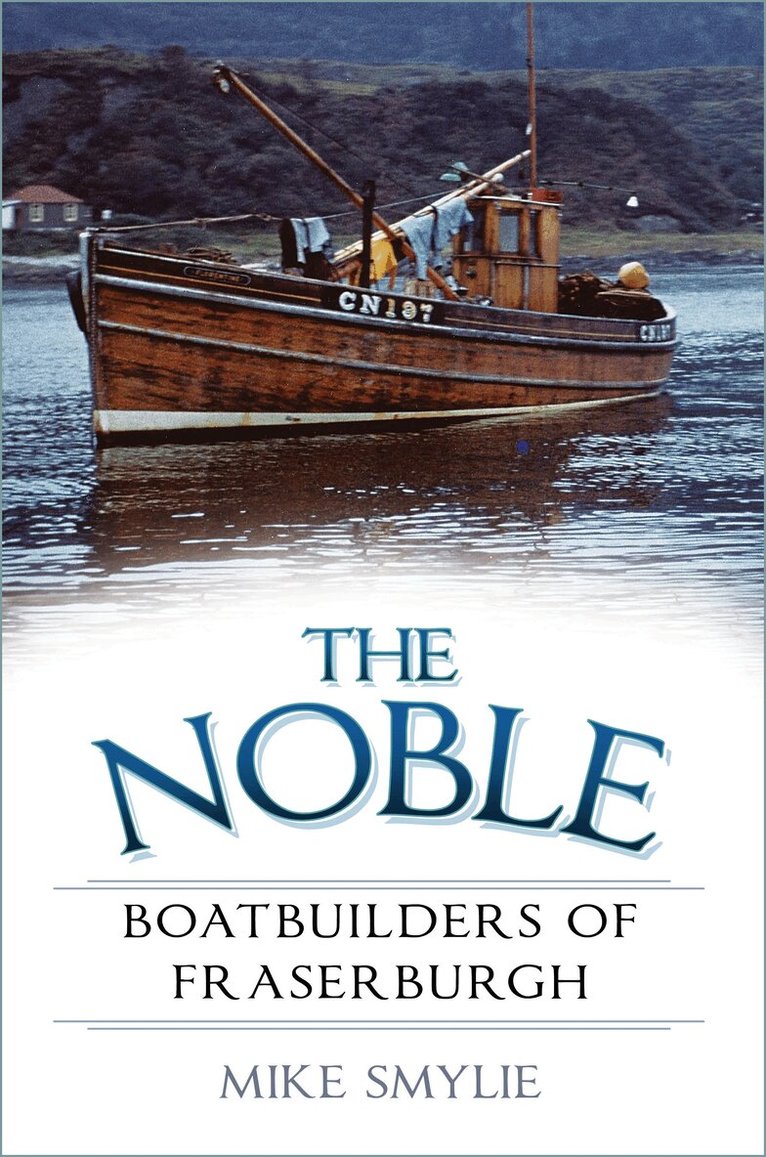
When Alexander Noble established his boatyard in 1898, he probably didn’t realise he was also establishing a new Noble tradition. Alexander’s yard would soon be handed over to his eldest son Wilson, who would set up Wilson Noble & Co. to build fishing boats – although he would branch out into minesweepers when needed in the Second World War. Meanwhile, second-youngest son James would break out on his own, thinking that the future of boatbuilding lay in yachts. Altogether, these companies built almost 400 boats, some of which are still working today, and would be a fixture on the Fraserburgh shoreline for nearly a century.Packed with images, interviews and recollections from the crew, The Noble Boatbuilders of Fraserburgh is a thoroughly researched tribute to these men and their boats, and is a fascinating look into an industry that once peppered our island’s shorelines.
185 kr
Tillfälligt slut
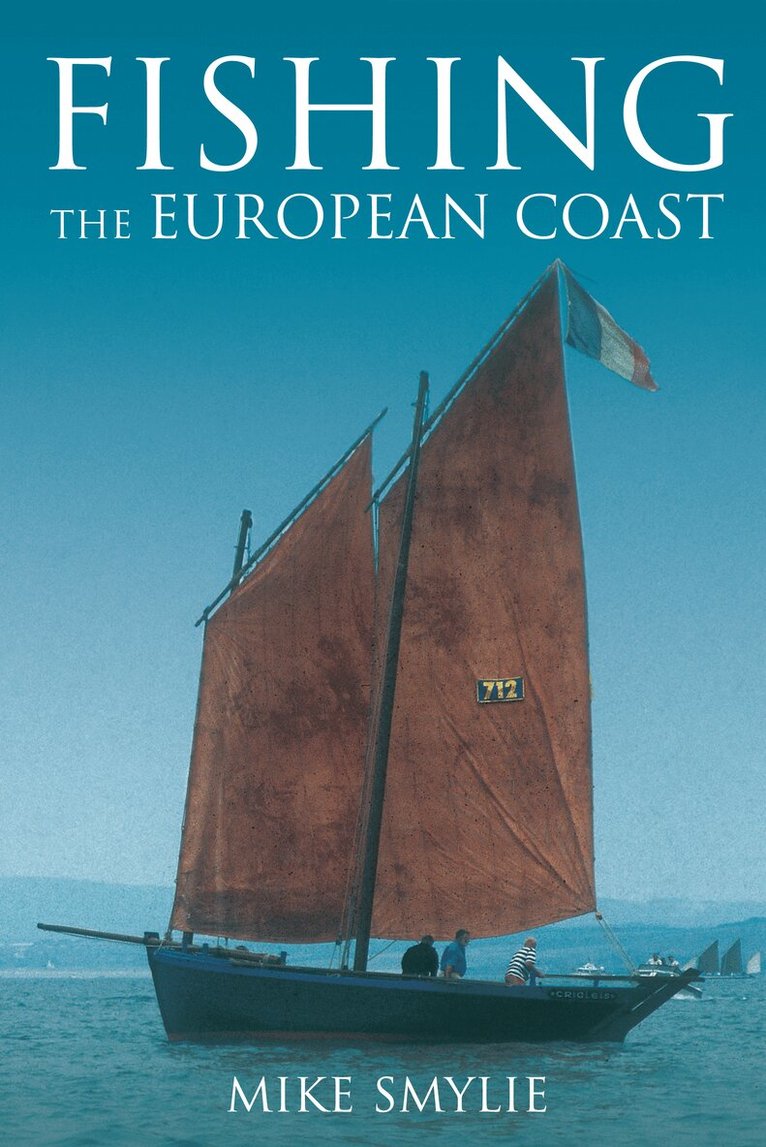
The coastline of Europe has one of the most diverse collections of fishing boats to be found upon any of the continental coasts of the world. From the Viking-influenced waters of Scandinavia and Northern Europe to the Southern European coasts with their roots firmly placed in the early vessels of the Eastern Mediterranean shipwrights of old, scholars have identified hundreds of different types of craft. For the first time fisheries historian Mike Smylie has put together a collection of many of these craft through his own pen and ink drawings. From the great sailing boats of the northern herring fisheries to the small river canoes and beach-based sail and oar craft, this book catalogues a general cross-sectional record of European fishing boats of the last two centuries, put together in one book for the first time in the English language. Although the roots of many of these vessels go back many generations, in the main those shown are still in existence in some form or other, even if not for their original intended use, and have survived through the skill of boatbuilders and fishermen, and more recently the dedication of enthusiastic owners.
180 kr
Skickas inom 11-20 vardagar
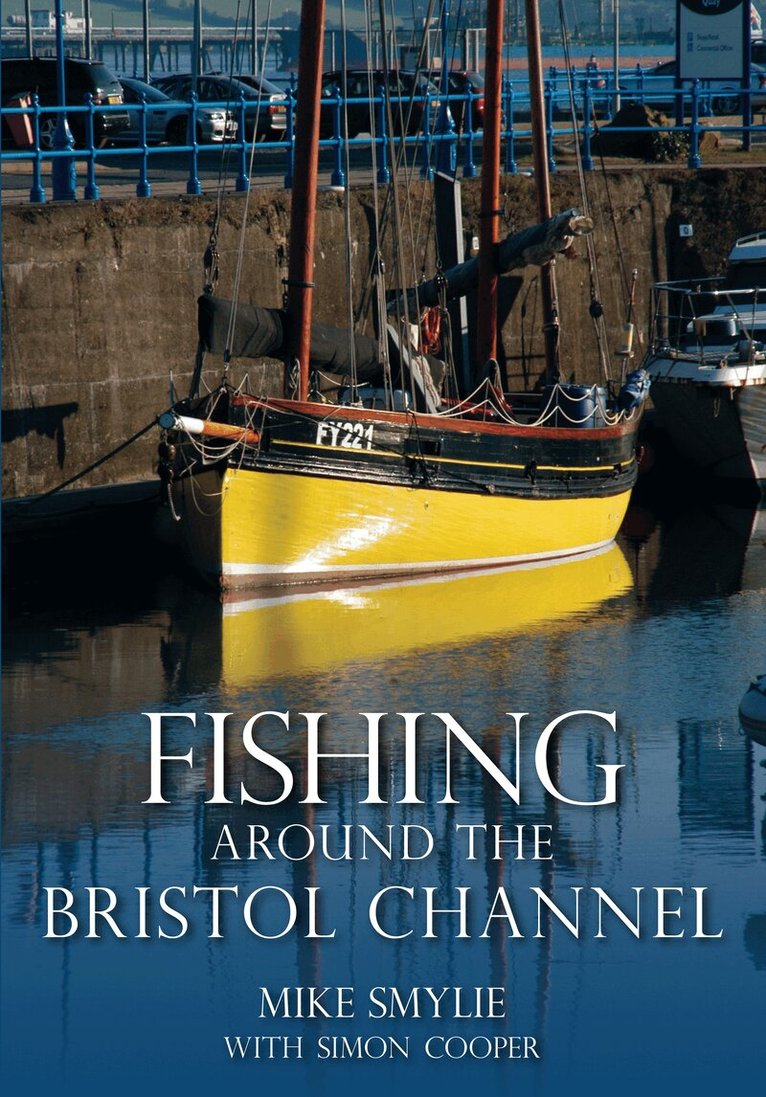
Fishing the Severn Sea – From Hartland Point to St Ann’s Head. The Bristol Channel, once one of the busiest fishing lanes in Great Britain, is a compelling area of the nation’s seas to discover, with a unique range of characteristics. In this book, renowned maritime historian Mike Smylie and Simon Cooper, expert in the field, delve into the variety of fishing methods used in the past and present around this coastline. The area from Hartland Point in the south-west of England to St Ann’s Head in Wales is examined in detail, via the lower reaches of the River Severn and its estuary, the River Wye and the south coast of Wales. Accompanied by previously unseen photographs and drawings, the authors present a fascinating account of the lives of the ‘Severn Sea’ fishermen, the boats they used and the way they went about bringing in their catches. Encompassing stories from the herring fishers of Clovelly to long-netting on the Severn and the harvest of oysters off Swansea, this book is a must for fishing enthusiasts and those with an interest in local history.
289 kr
Skickas
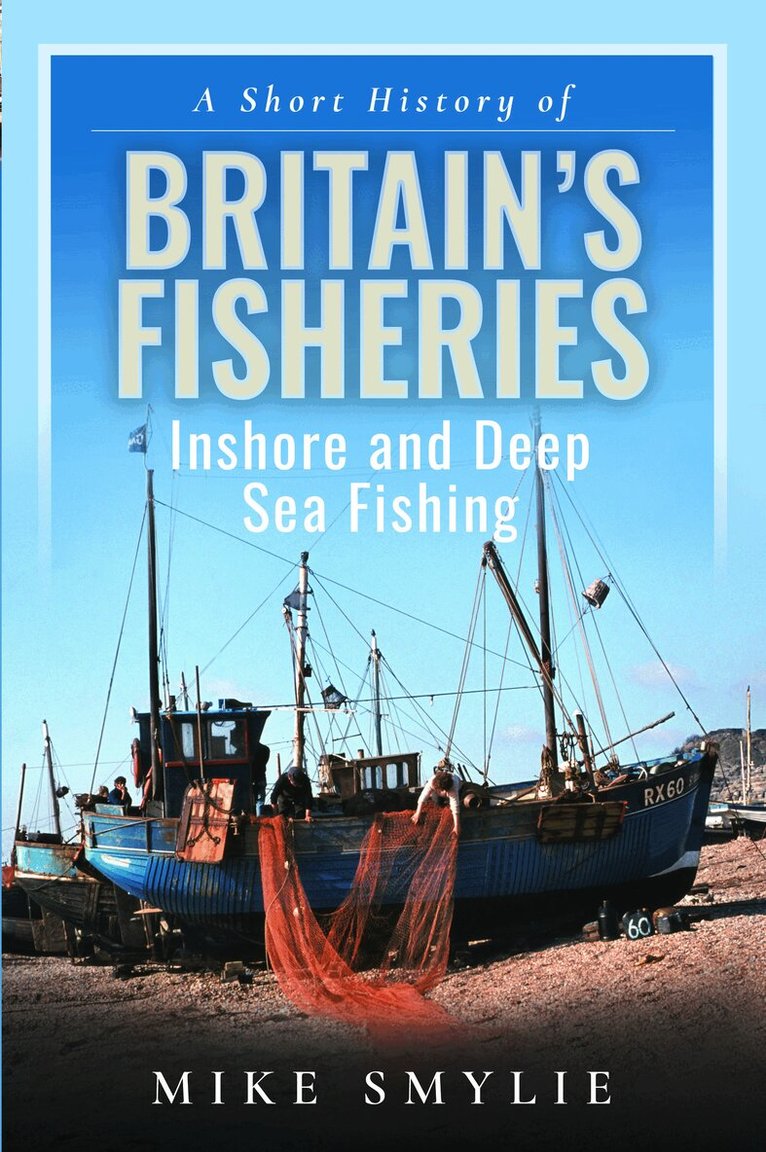
Wherever you fit into the debate about food - vegan, vegetarian, pescatarian, flexitarian, or carnivore - you cannot argue against the fact that fish have influenced our diet for millennia, and, for many, continue to do so today. We are, after all, an island nation surrounded by seas that were once extremely rich and diverse in its variety of both fish and shellfish, and it’s well known that early man was as much a hunter-gatherer on water as on land for fish are a great supplier of protein. Yet only in the last couple of centuries has fishing become an established occupation, and the last forty years has seen a multitude of change in what is now an industry.Outside the industry, little has been written about how this seafood is caught, landed and then reaches us, the consumer. We all know about fish and chip shops, but do we know the difference between a beam and otter trawl? What is the difference between a lobster pot and a lobster creel? Did you know oysters and salmon were once caught in such huge amounts they were regarded as poor man’s food? We all like ambling around colourful fishing harbours gazing at the boats, but just how much do we know about those that go out in such a dangerous environment and bring back the catch? With fish much talked about in today’s news, alongside the unhealthy state of the oceans, here we have the definitive guide to Britain’s commercial fisheries.
214 kr
Tillfälligt slut
For hundreds of years the design of fishing boats has followed traditional methods. Mike Smylie, author of Traditional Fishing Boats of Britain & Ireland (also published by Amberley) follows this seminal work with a new book on the fishing boats of Europe. The designs vary a lot, from the Mediterranean shore to the north of Norway, taking into account the catch, the climate and the seas. Covering the whole of Europe, Mike Smylie brings together the differing types of boat, with notes on their design, construction and use. Profusely illustrated, the book is the first to attempt coverage of all of the vernacular craft of the European coast line.
163 kr
Tillfälligt slut
The fishing industry has always been important to Britain. From the deepsea trawlers to the traditional craft that sailed around the coast, the harbours of the West Coast, Irish Sea and Bristol Channel were once full of craft, large and small, which employed men and women in their thousands. The third volume of Mike Smylie's Fishing Industry Through Time covers from the Solway Firth all the way to Hartland Point in Devon. Fishing was not just about the boats involved but also the people and Mike Smylie gives an insight into the lives of those who worked the boats, who repaired the nets and who gutted and sold the fish. From the mighty trawling port of Fleetwood to salmon fishing on the River Dee, from herring to prawns and cockles, he gives us a rare insight into an almost-lost industry that once employed huge numbers.
163 kr
Skickas inom 11-20 vardagar
Since Britain joined the European Economic Community in the mid-1970s, the fishing industry along our coasts has been under pressure from overfishing. Mike Smylie takes us on a tour of England’s North Sea coast, taking the reader to harbours that you could once walk over on the hundreds of fishing boats, and to east coast beaches and rivers that boasted their own fishing fleets.Each area of the coast had its unique boats, built for local conditions, as well as methods of catching the fish. From North Foreland on Kent’s Isle of Thanet to the River Tweed, Mike Smylie shows us the fishermen and women on shore and at sea, their boats, and the harbours, and tells us of the methods used to catch fish. He also documents the changes in and decline of the industry, from the times when it employed hundreds of thousands of working people.
183 kr
Skickas
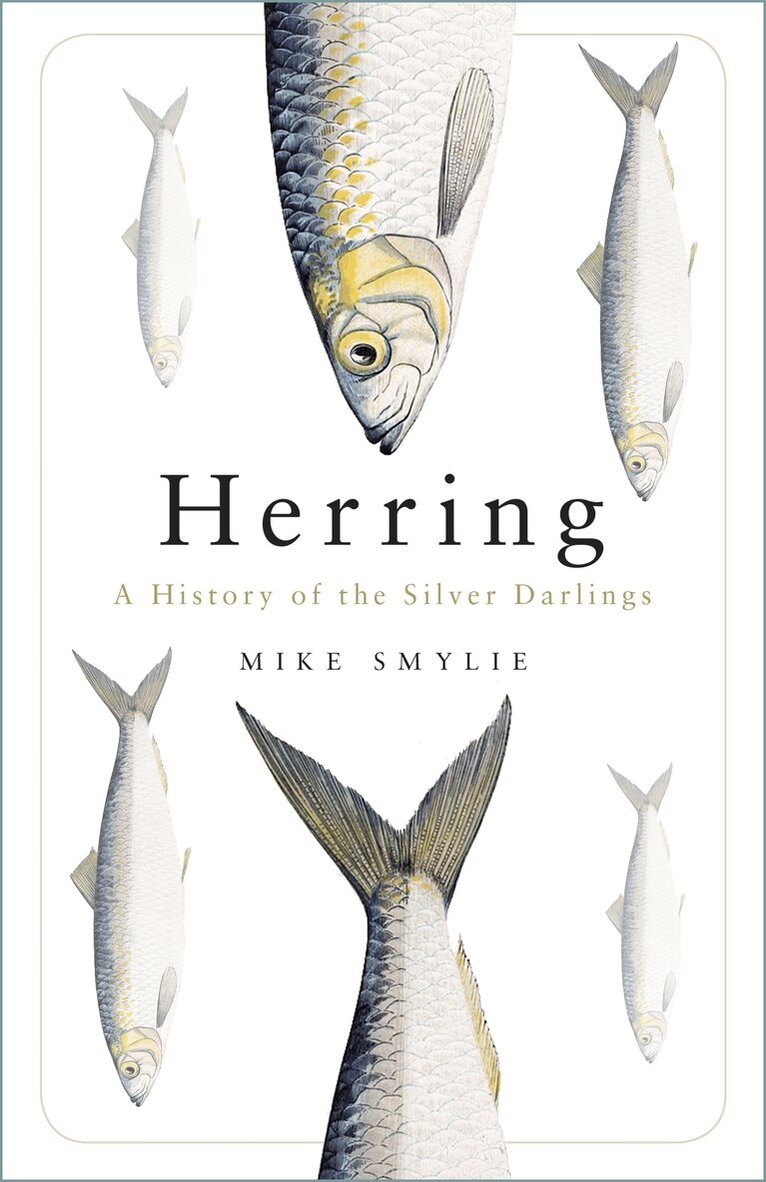
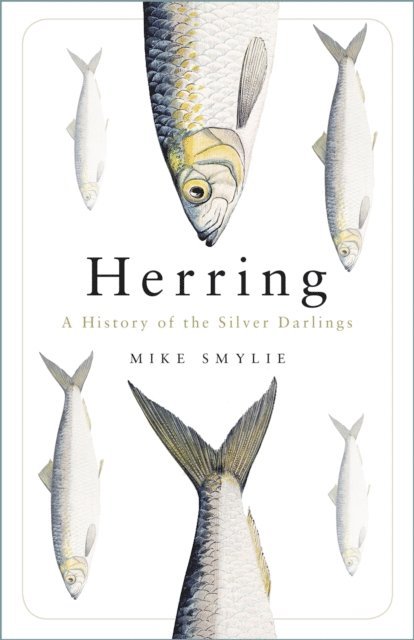
The story of herring is entwined in the history of commercial fishing. For over two millennia, herring has been commercially caught and its importance to the coastal peoples of Britain cannot be measured. At one point tens of thousands were involved in the catching, processing and sale of herring. They followed the shoals around the coast from Stornoway to Penzance and many towns on Britain’s east coast grew rich on the backs of the ‘silver darlings’.Fishing historian Mike Smylie looks at the effects of herring on the people who caught them, their unique ways of life, the superstitions of the fisher folk, their boats and the communities who lived for the silver darlings.With a wealth of illustrations, this fascinating book reveals the little-known history of the herring. And for those who’ve neglected the silver darlings for lesser fish such as cod and haddock, there are a number of mouth-watering recipes to try.
289 kr
Tillfälligt slut
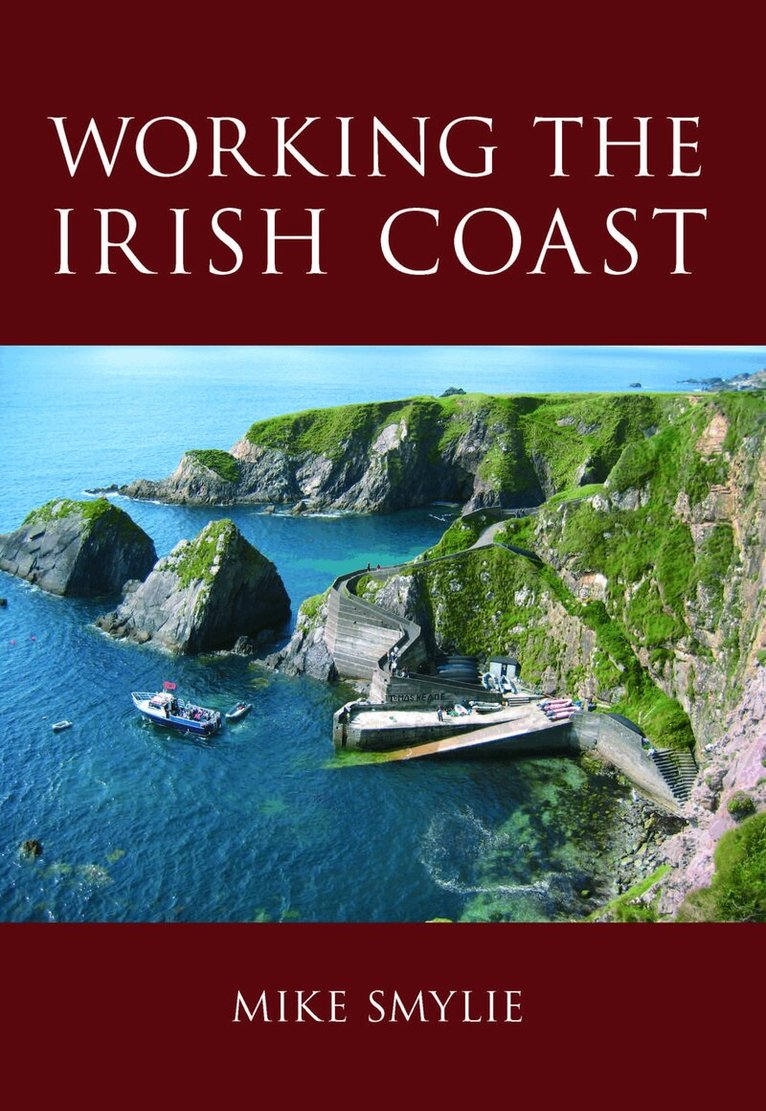
In Working the Irish Coast, Mike Smylie invites the reader to join him on his twenty-three-day journey around the Irish coast. Sleeping in his van and accompanied by his faithful dog, he leads us on a personal and informative trip, stopping off in many towns and harbours. He chats to the fishermen and boat-builders that he meets along the way, and observes with his expert eye the customs and practices associated with fishing in Ireland. This book includes a large number of photographs and detailed descriptions of the various vessels that are native to Ireland.