Mikita Brottman – författare
Visar alla böcker från författaren Mikita Brottman. Handla med fri frakt och snabb leverans.
26 produkter
A–Z of Exceptional Dogs
E-bok, 2014
88 kr
Lägg i varukorg
`You cannot help but fall in love with Grisby’ Jeffrey Massonin this charming bestiary of exceptional dogs, Mikita Brottman reflects on the role dogs play in our world, all explored through her relationship with her dog Grisby and many other examples of the dogs of great writers and artists from …
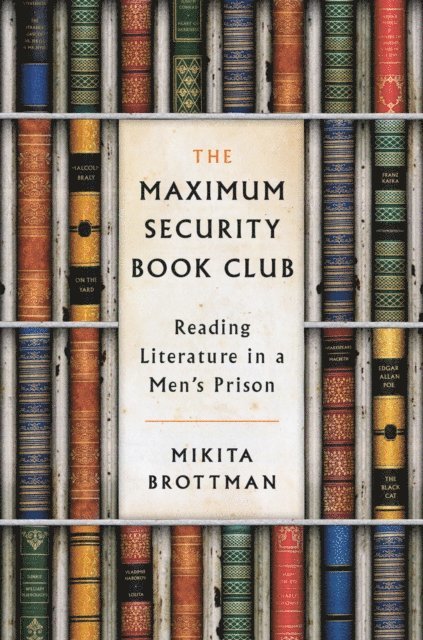
The Maximum Security Book Club: Reading Literature in a Men's Prison
Häftad, 2023
284 kr
Lägg i varukorg
Maximum Security Book Club
Reading Literature in a Men''s Prison
E-bok, 2024
101 kr
Lägg i varukorg
A riveting account of the two years literary scholar Mikita Brottman spent reading literature with criminals in a maximum-security men''s prison outside Baltimore, and what she learned from them—Orange Is the New Black meets Reading Lolita in Tehran.On sabbatical from teaching literature to …
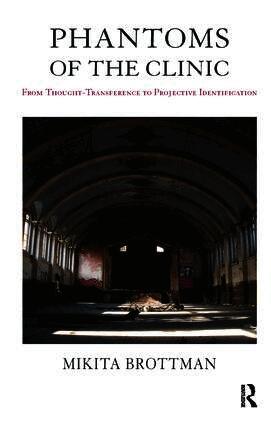
Phantoms of the Clinic
From Thought-Transference to Projective Identification
E-bok, 2018
693 kr
Lägg i varukorg
As Freud predicted, there has always been great anxiety about the place of psychoanalysis in contemporary life, particularly in relation to its ambiguous and complicated relationship to the realm of science. There is also a long history of widespread resistance, in both academia and medicine, to …
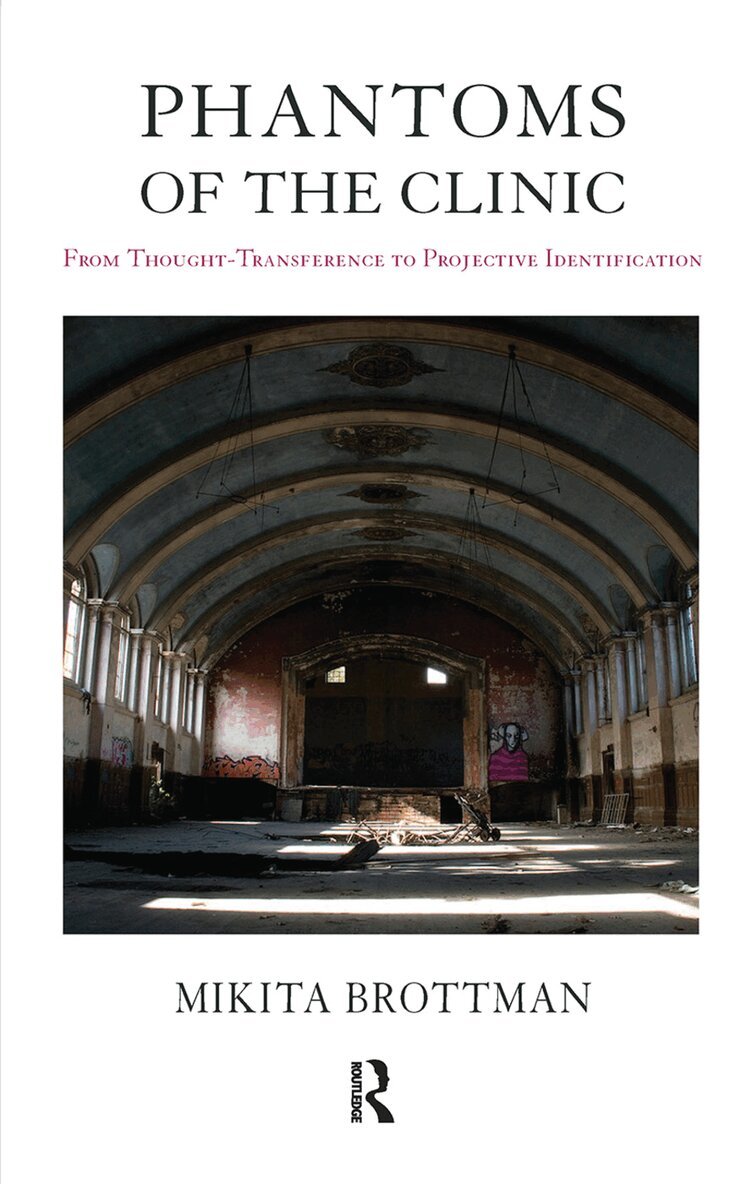
Phantoms of the Clinic
From Thought-Transference to Projective Identification
E-bok, 2018
693 kr
Lägg i varukorg
As Freud predicted, there has always been great anxiety about the place of psychoanalysis in contemporary life, particularly in relation to its ambiguous and complicated relationship to the realm of science. There is also a long history of widespread resistance, in both academia and medicine, to …
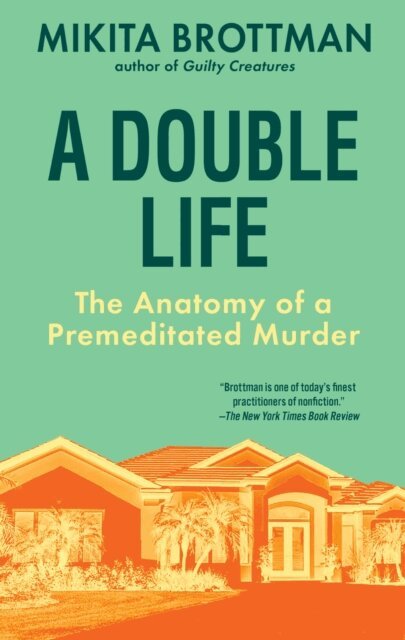
Double Life
The Anatomy of a Premeditated Murder
Inbunden, 2026
288 kr
Lägg i varukorg
With sharp psychological insight, the acclaimed author of Guilty Creatures digs into the sensational murder of Florida physician Teresa Sievers in this engrossing and unconventional true crime tale of holistic health, childhood doppelgangers, dark obsessions, and an open marriage. Teresa and Mark …
Double Life
The Anatomy of a Premeditated Murder
E-bok, 2026
308 kr
Lägg i varukorg
With sharp psychological insight, the acclaimed author of Guilty Creatures digs into the sensational murder of Florida physician Teresa Sievers in this engrossing and unconventional true crime tale of holistic health, childhood doppelgangers, dark obsessions, and an open marriage. Teresa and Mark …
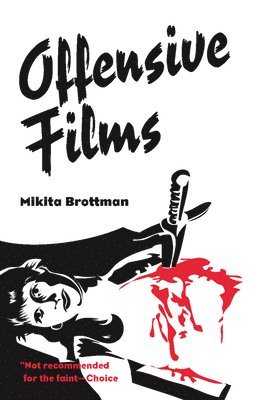
Offensive Films
Häftad, 2005
736 kr
Lägg i varukorg
Brottman offers a study of movies so offensive, that some are practically unwatchable. From the ever-popular ""Faces of Death"" movies to purported snuff films, from classic B-movies such as ""The Tingler"", to more popular but no less controversial films such as ""The Texas Chainsaw Massacre"", …
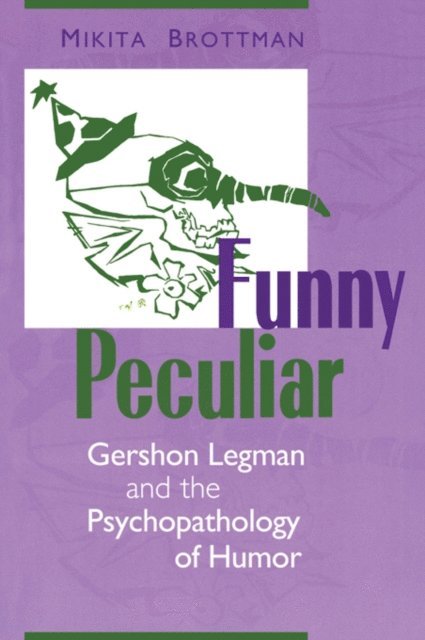
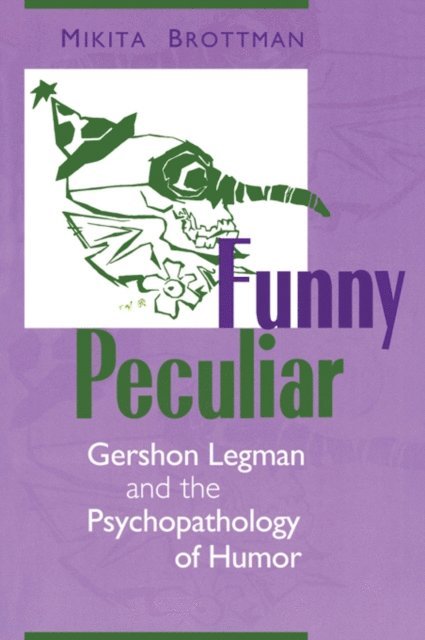
Funny Peculiar
Gershon Legman and the Psychopathology of Humor
Häftad, 2004
571 kr
Lägg i varukorg
Why are jokes funny? Why do we laugh? In Funny Peculiar, Mikita Brottman demurs from recent scholarship that takes laughter-- and the broader domain of humor and the comical--as a liberating social force and an endearing aspect of self-expression. For Brottman, there is nothing funny about …
Guilty Creatures
The true story of a perfect marriage, a cold-blooded murder and eighteen years of secrets
Häftad, 2027
126 kr
Kommande
'Murder, a love triangle, and small-town secrets . . . an unputdownable read' —The New York TimesMike and Denise Williams shared an ironclad bond with their childhood friends, Brian and Kathy Winchester. Devout, hardworking and well-liked, the two couples lived idyllic, quintessentially Southern …
Funny Peculiar
Gershon Legman and the Psychopathology of Humor
E-bok, 2013
607 kr
Lägg i varukorg
Why are jokes funny? Why do we laugh? In Funny Peculiar, Mikita Brottman demurs from recent scholarship that takes laughter-- and the broader domain of humor and the comical--as a liberating social force and an endearing aspect of self-expression. For Brottman, there is nothing funny about …
Funny Peculiar
Gershon Legman and the Psychopathology of Humor
E-bok, 2013
594 kr
Lägg i varukorg
Why are jokes funny? Why do we laugh? In Funny Peculiar, Mikita Brottman demurs from recent scholarship that takes laughter-- and the broader domain of humor and the comical--as a liberating social force and an endearing aspect of self-expression. For Brottman, there is nothing funny about …
Funny Peculiar
Gershon Legman and the Psychopathology of Humor
Inbunden, 2016
2658 kr
Lägg i varukorg
Why are jokes funny? Why do we laugh? In Funny Peculiar, Mikita Brottman demurs from recent scholarship that takes laughter-- and the broader domain of humor and the comical--as a liberating social force and an endearing aspect of self-expression. For Brottman, there is nothing funny about …
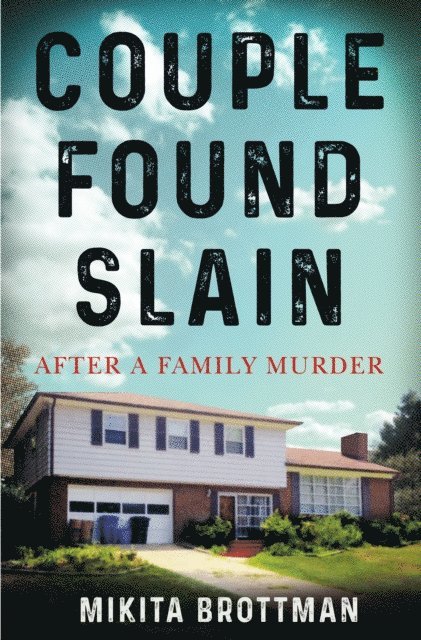
Couple Found Slain
After a Family Murder
E-bok, 2021
163 kr
Lägg i varukorg
“Mikita Brottman is one of today’s finest practitioners of nonfiction.” — The New York Times Book Review Critically acclaimed author and psychoanalyst Mikita Brottman offers literary true crime writing at its best, taking us into the life of a murderer after his conviction—when most stories end but …
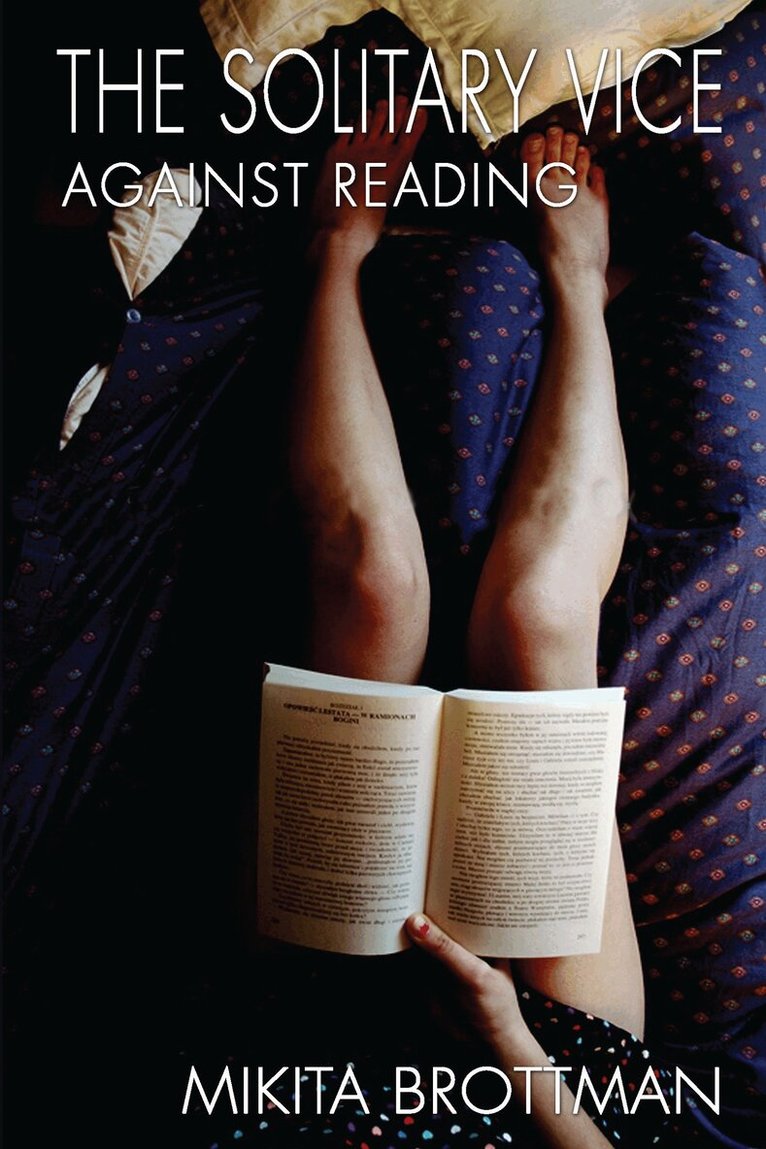
Solitary Vice
Against Reading
E-bok, 2008
171 kr
Lägg i varukorg
Mikita Brottman wonders, just why is reading so great? It’s a solitary practice, one that takes away from time that could be spent developing important social networking skills. Reading’s not required for health, happiness, or a loving family. And, if reading is so important, why are catchy slogans …
Guilty Creatures
Sex, God, and Murder in Tallahassee, Florida
E-bok, 2024
186 kr
Lägg i varukorg
“M urder, a love triangle, and small-town secrets in Tallahassee, Florida...an unputdownable read.” — The New York Times “A compelling psychological double portrait of what happens when two people are forever bound by a life-altering secret.” —Becky Cooper, bestselling author of We Keep the Dead …
Guilty Creatures
Sex, God, and Murder in Tallahassee, Florida
Ljudbok, 2024
298 kr
Lägg i varukorg
“M urder, a love triangle, and small-town secrets in Tallahassee, Florida...an unputdownable read.” — The New York Times “A compelling psychological double portrait of what happens when two people are forever bound by a life-altering secret.” —Becky Cooper, bestselling author of We Keep the Dead …
Phantoms of the Clinic
From Thought-Transference to Projective Identification
Häftad, 2011
605 kr
Lägg i varukorg
As Freud predicted, there has always been great anxiety about the place of psychoanalysis in contemporary life, particularly in relation to its ambiguous and complicated relationship to the realm of science. There is also a long history of widespread resistance, in both academia and medicine, to …
Phantoms of the Clinic
From Thought-Transference to Projective Identification
Inbunden, 2019
2406 kr
Tillfälligt slut
As Freud predicted, there has always been great anxiety about the place of psychoanalysis in contemporary life, particularly in relation to its ambiguous and complicated relationship to the realm of science. There is also a long history of widespread resistance, in both academia and medicine, to …
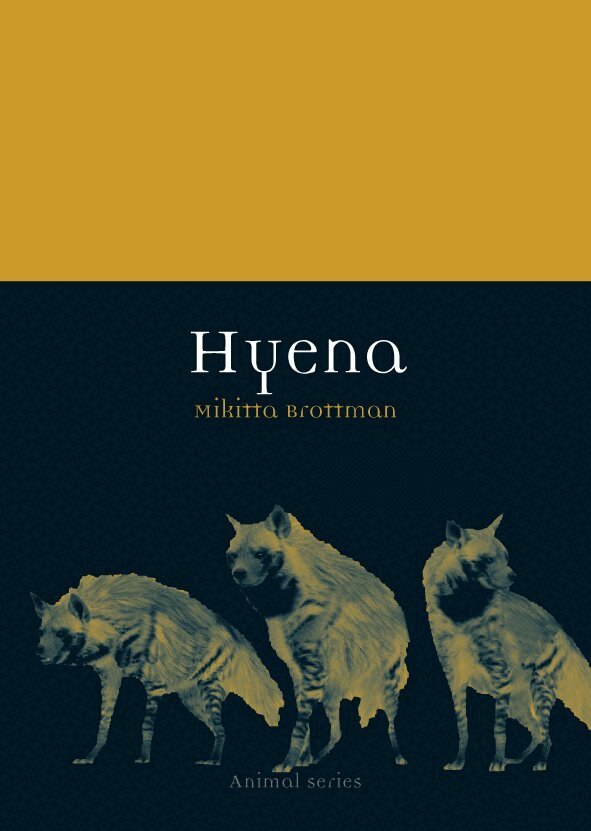
Hyena
Häftad, 2012
5,0 utav 5 stjärnor. Totalt antal röster: (1)
175 kr
Tillfälligt slut
Hyenas are almost universally regarded as vile, scheming creatures, skulking in the alleyways of the animal kingdom. Scorned as little more than scavenging carrion-eaters, vandals and thieves, they have long been associated with the malevolent and macabre. This book offers an alternative view of …