Mindie Lazarus-Black – författare
Visar alla böcker från författaren Mindie Lazarus-Black. Handla med fri frakt och snabb leverans.
6 produkter
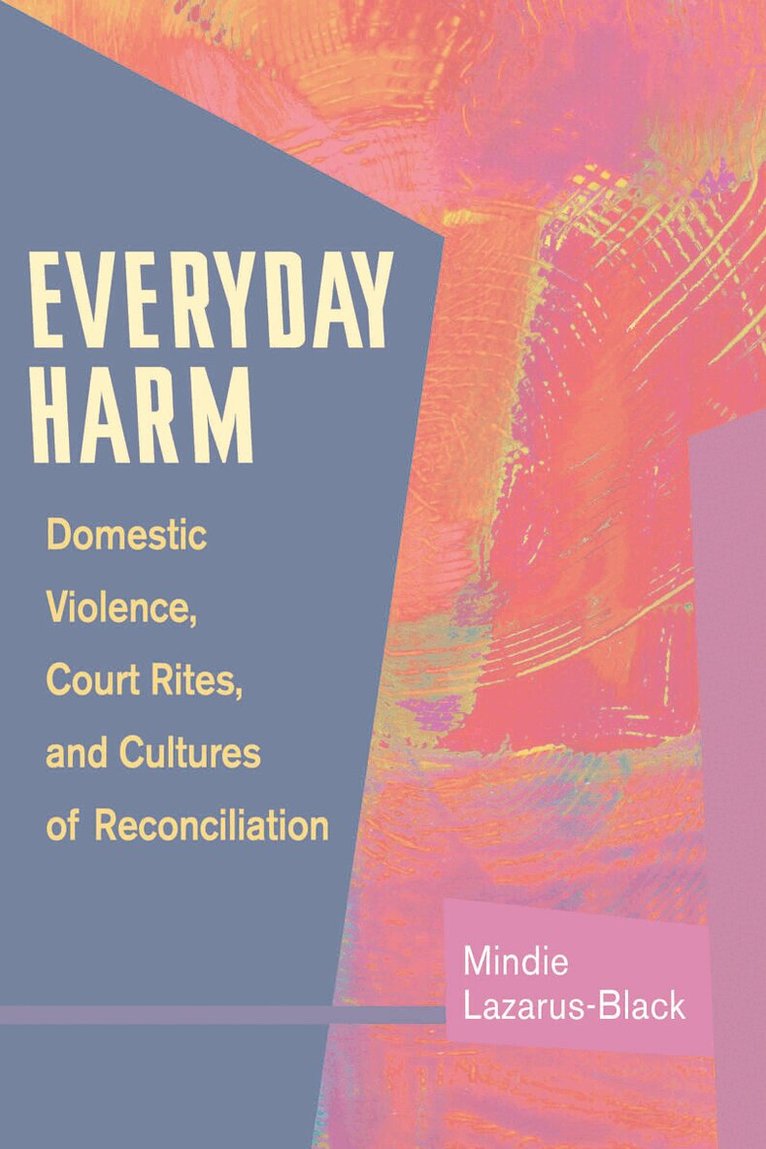
Everyday Harm
Domestic Violence, Court Rites, and Cultures of Reconciliation
E-bok, 2024
522 kr
Lägg i varukorg
Exposing the powerful contradictions between empowering rights and legal rites By investigating the harms routinely experienced by the victims and survivors of domestic violence, both inside and outside of law, Everyday Harm studies the limits of what domestic violence law can--and …
Everyday Harm
Domestic Violence, Court Rites, and Cultures of Reconciliation
Häftad, 2007
367 kr
Lägg i varukorg
Exposing the powerful contradictions between empowering rights and legal ritesBy investigating the harms routinely experienced by the victims and survivors of domestic violence, both inside and outside of law, Everyday Harm studies the limits of what domestic violence law can--and …
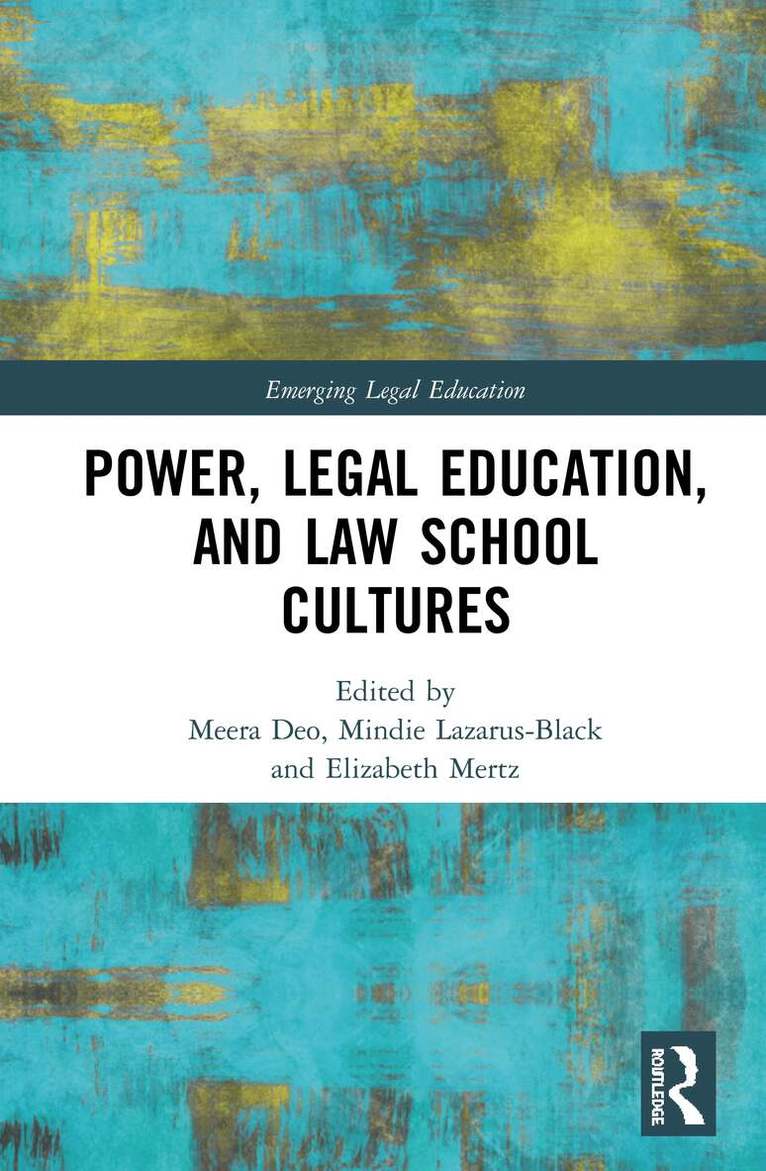
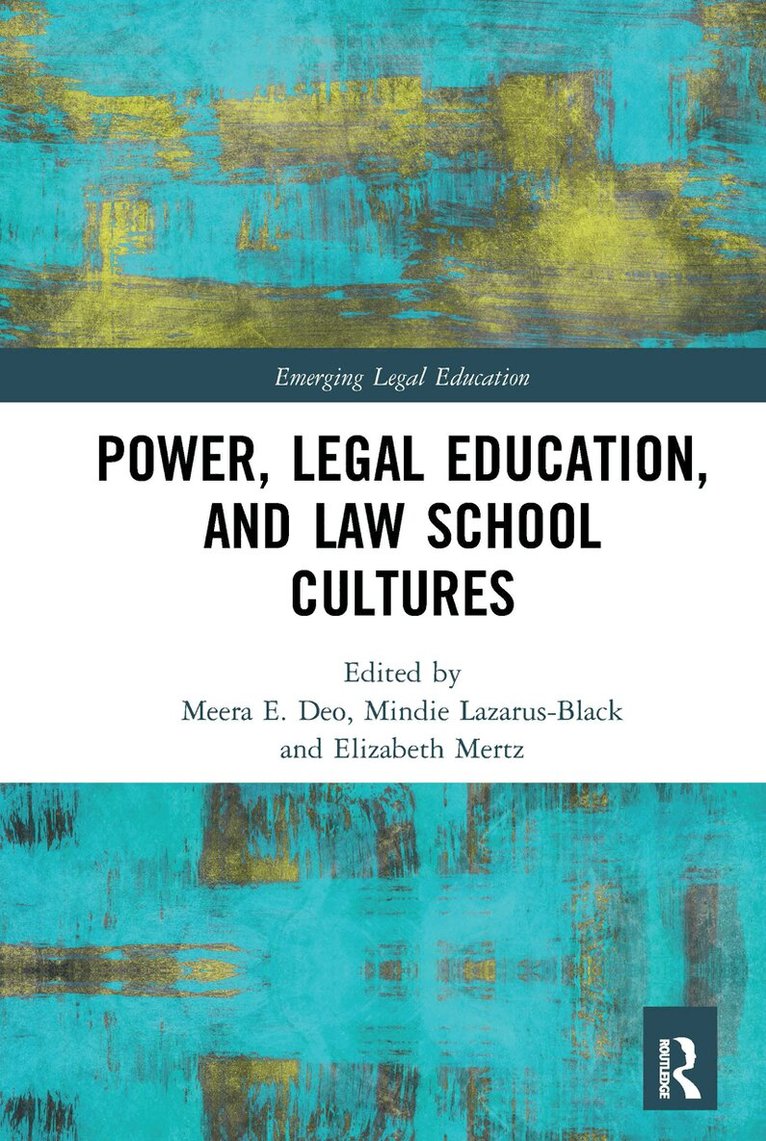
Power, Legal Education, and Law School Cultures
Av Meera Deo, Mindie Lazarus-Black m. fl.
Inbunden, 2019
2311 kr
Lägg i varukorg
There is a myth that lingers around legal education in many democracies. That myth would have us believe that law students are admitted and then succeed based on raw merit, and that law schools are neutral settings in which professors (also selected and promoted based on merit) use their expertise …
Power, Legal Education, and Law School Cultures
Av Elizabeth Mertz, Mindie Lazarus-Black m. fl.
E-bok, 2019
791 kr
Lägg i varukorg
There is a myth that lingers around legal education in many democracies. That myth would have us believe that law students are admitted and then succeed based on raw merit, and that law schools are neutral settings in which professors (also selected and promoted based on merit) use their expertise …
Power, Legal Education, and Law School Cultures
Av Elizabeth Mertz, Mindie Lazarus-Black m. fl.
E-bok, 2019
791 kr
Lägg i varukorg
There is a myth that lingers around legal education in many democracies. That myth would have us believe that law students are admitted and then succeed based on raw merit, and that law schools are neutral settings in which professors (also selected and promoted based on merit) use their expertise …
Power, Legal Education, and Law School Cultures
Av Meera Deo, Mindie Lazarus-Black m. fl.
Häftad, 2021
636 kr
Lägg i varukorg
There is a myth that lingers around legal education in many democracies. That myth would have us believe that law students are admitted and then succeed based on raw merit, and that law schools are neutral settings in which professors (also selected and promoted based on merit) use their expertise …