Mindy N. Besaw - Böcker
Visar alla böcker från författaren Mindy N. Besaw. Handla med fri frakt och snabb leverans.
3 produkter
3 produkter
372 kr
Skickas inom 7-10 vardagar
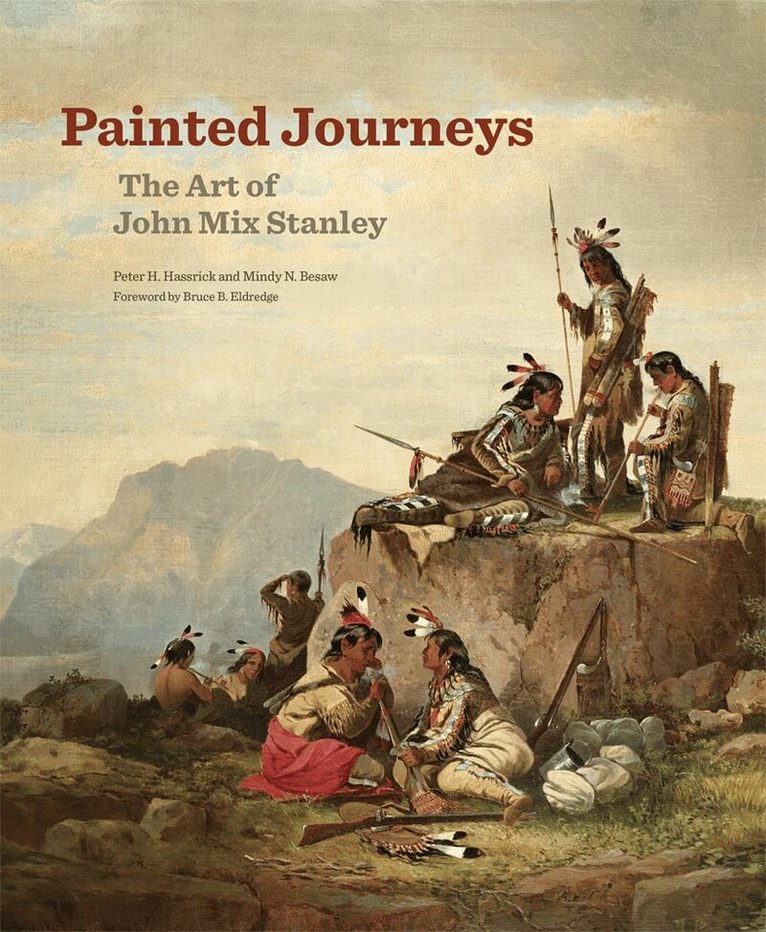
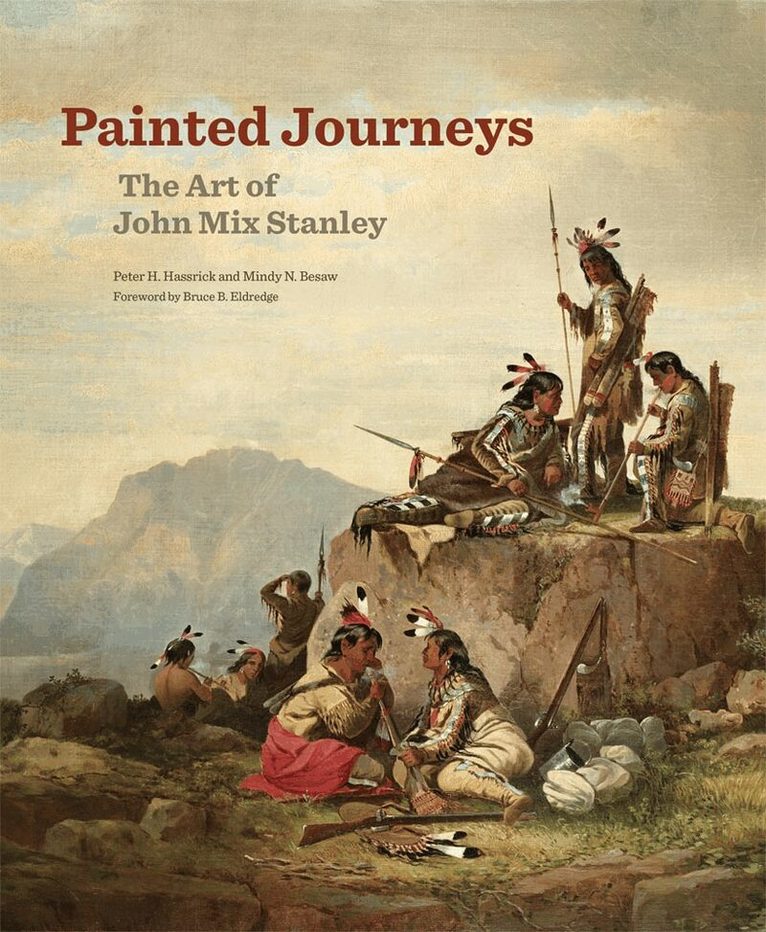
Artist-explorer John Mix Stanley (1814-1872), one of the most celebrated chroniclers of the American West in his time, was in a sense a victim of his own success. So highly regarded was his work that more than two hundred of his paintings were held at the Smithsonian Institution - where in 1865 a fire destroyed all but seven of them. This volume, featuring a comprehensive collection of Stanley's extant art, reproduced in full color, offers an opportunity - and ample reason - to rediscover the remarkable accomplishments of this outsize figure of nineteenth-century American culture.Originally from New York State, Stanley journeyed west in 1842 to paint Indian life. During the U.S.-Mexican War, he joined a frontier military expedition and traveled from Santa Fe to California, producing sketches and paintings of the campaign along the way - work that helped secure his fame in the following decades. He was also appointed chief artist for Isaac Stevens's survey of the 48th parallel for a proposed transcontinental railroad. The essays in this volume, by noted scholars of American art, document and reflect on Stanley's life and work from every angle. The authors consider the artist's experience on government expeditions; his solo tours among the Oregon settlers and western and Plains Indians; and his career in Washington and search for government patronage, as well as his individual works.With contributions by Emily C. Burns, Scott Manning Stevens, Lisa Strong, Melissa Speidel, Jacquelyn Sparks, and Emily C. Wilson, the essays in this volume convey the full scope of John Mix Stanley's artistic accomplishment and document the unfolding of that uniquely American vision throughout the artist's colorful life. Together they restore Stanley to his rightful place in the panorama of nineteenth-century American life and art.
586 kr
Skickas inom 7-10 vardagar
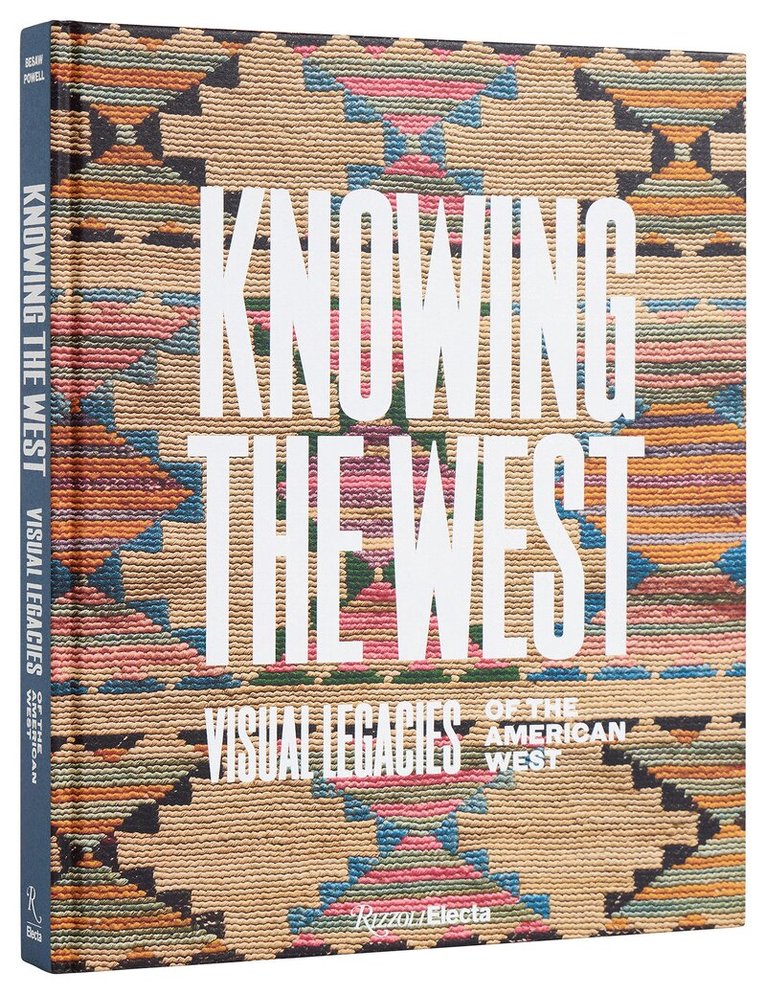
Knowing the West encourages deeper consideration of a familiar topic, to celebrate the wide variety of cultures that together reflect the complex histories and stories of the American West. Astonishing in range, historical significance, medium, and quality, more than 120 artworks by Native American and non-Native artists are presented including textiles, baskets, paintings, pottery, sculpture, beadwork, saddles, and prints honoring a large percentage of women-makers, in particular. The artworks are shown in meaningful dialogue, such as a California basket by Elizabeth Hickox (Wiyot/Karuk), juxtaposed with a large-scale California landscape by Albert Bierstadt, emphasizing influence and exchange and pointing out different ways of thinking about land and place. Multiple texts by a diverse range of scholars with broad-reaching perspectives explore topics such as Lakota winter counts, saddle designs, Euro-American artists as collectors, printmaking, diplomacy, Hispanic art traditions at the border, and Pueblo and Hopi potters. This unprecedented volume includes artworks from the late 18th to early 20th centuries from more than 35 distinct tribal nations alongside American artists.
602 kr
Skickas inom 7-10 vardagar
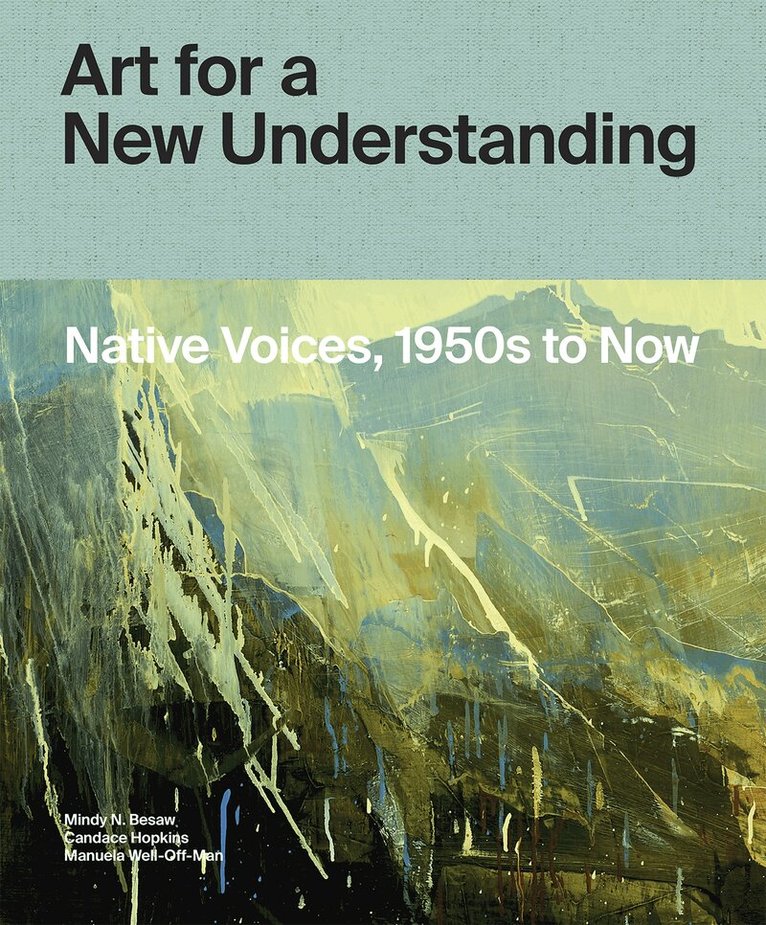
Art for a New Understanding, an exhibition from Crystal Bridges Museum of American Art opening this October, seeks to radically expand and reposition the narrative of American art since 1950 by charting a history of the development of contemporary Indigenous art from the United States and Canada, beginning when artists moved from more regionally-based conversations and practices to national and international contemporary art contexts.This accompanying book documents and expands on the histories and themes of this exciting exhibition.This fully illustrated volume includes essays by art historians and historians and reflections by the artists included in the collection. Also included are key contemporary writings—from the 1950s onward—by artists, scholars, and critics, investigating the themes of transculturalism and pan-Indian identity, traditional practices conducted in radically new ways, displacement, forced migration, shadow histories, the role of personal mythologies as a means to reimagine the future, and much more.As both a survey of the development of Indigenous art from the 1950s to the present and a consideration of Native artists within contemporary art more broadly, Art for a New Understanding expands the definition of American art and sets the tone for future considerations of the subject. It is an essential publication for any institution or individual with an interest in contemporary Native American art, and an invaluable resource in ongoing scholarly considerations of the American contemporary art landscape at large.