Ming Sing – författare
Visar alla böcker från författaren Ming Sing. Handla med fri frakt och snabb leverans.
10 produkter
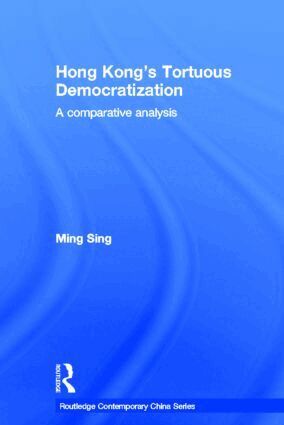
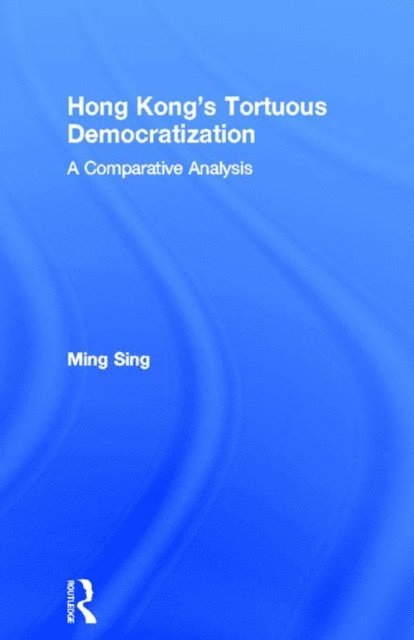
Hong Kong's Tortuous Democratization
A Comparative Analysis
Av Ming Sing
Inbunden, 2003
2510 kr
Lägg i varukorg
This book raises interesting questions about the process of democratization in Hong Kong. It asks why democracy has been so long delayed when Hong Kong's level of socio-economic development has become so high. It relates democratization in Hong Kong to wider studies of the democratization process …
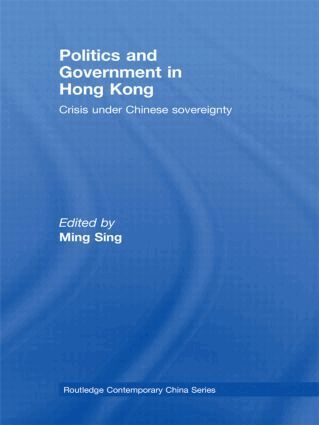
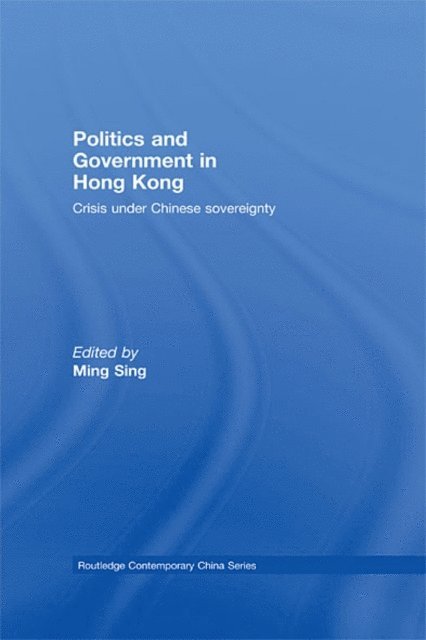
Politics and Government in Hong Kong
Crisis under Chinese sovereignty
Av Ming Sing
Inbunden, 2008
1521 kr
Lägg i varukorg
This book examines the government of Hong Kong since its handover to mainland China in 1997, focusing in particular on the anti-government mass protests and mobilisations in the years since 2003. It argues that Hong Kong has been poorly governed since transferring to Chinese rule, and that public …
Politics and Government in Hong Kong
Crisis under Chinese sovereignty
Av Ming Sing
Häftad, 2012
502 kr
Lägg i varukorg
This book examines the government of Hong Kong since its handover to mainland China in 1997, focusing in particular on the anti-government mass protests and mobilisations in the years since 2003. It argues that Hong Kong has been poorly governed since transferring to Chinese rule, and that public …
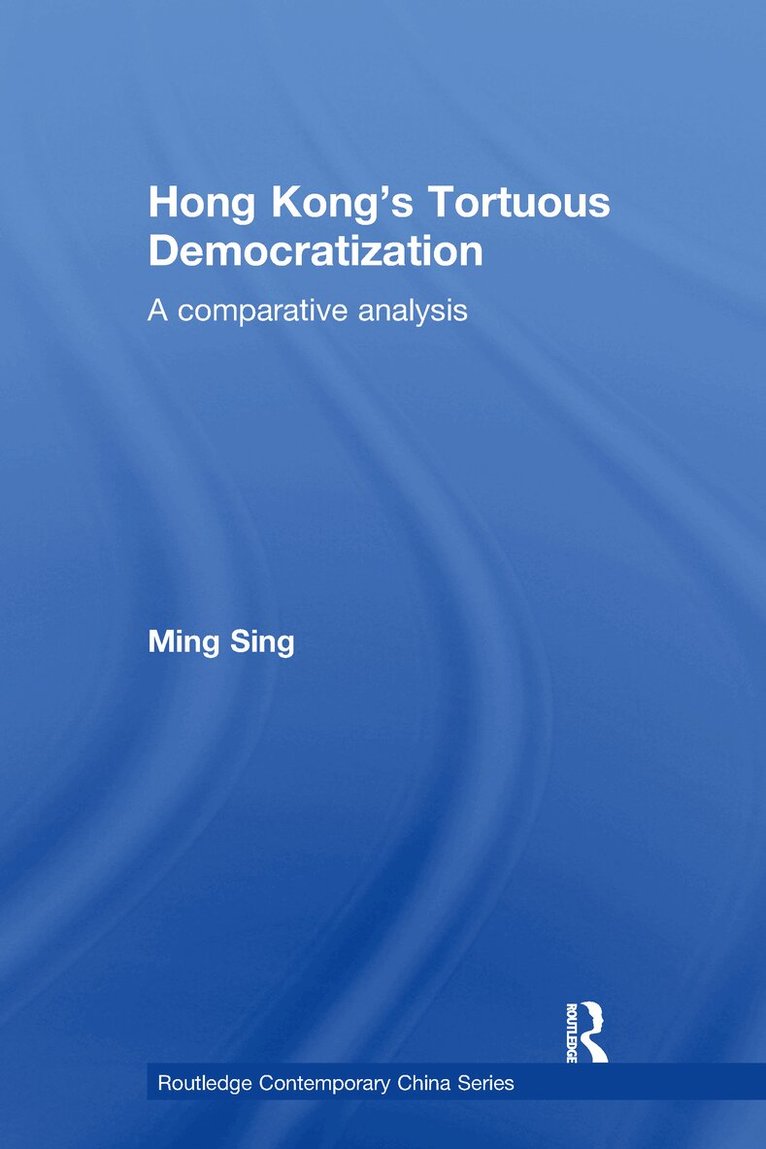
Hong Kong's Tortuous Democratization
A Comparative Analysis
Av Ming Sing
Häftad, 2013
720 kr
Lägg i varukorg
This book raises interesting questions about the process of democratization in Hong Kong. It asks why democracy has been so long delayed when Hong Kong's level of socio-economic development has become so high. It relates democratization in Hong Kong to wider studies of the democratization process …
Politics and Government in Hong Kong
Crisis under Chinese sovereignty
Av Ming Sing
E-bok, 2008
589 kr
Lägg i varukorg
This book examines the government of Hong Kong since its handover to mainland China in 1997, focusing in particular on the anti-government mass protests and mobilisations in the years since 2003. It argues that Hong Kong has been poorly governed since transferring to Chinese rule, and that public …
Politics and Government in Hong Kong
Crisis under Chinese sovereignty
Av Ming Sing
E-bok, 2008
589 kr
Lägg i varukorg
This book examines the government of Hong Kong since its handover to mainland China in 1997, focusing in particular on the anti-government mass protests and mobilisations in the years since 2003. It argues that Hong Kong has been poorly governed since transferring to Chinese rule, and that public …
Hong Kong's Tortuous Democratization
A Comparative Analysis
Av Ming Sing
E-bok, 2004
849 kr
Lägg i varukorg
This book raises interesting questions about the process of democratization in Hong Kong. It asks why democracy has been so long delayed when Hong Kong''s level of socio-economic development has become so high. It relates democratization in Hong Kong to wider studies of the democratization process …
Hong Kong's Tortuous Democratization
A Comparative Analysis
Av Ming Sing
E-bok, 2004
849 kr
Lägg i varukorg
This book raises interesting questions about the process of democratization in Hong Kong. It asks why democracy has been so long delayed when Hong Kong''s level of socio-economic development has become so high. It relates democratization in Hong Kong to wider studies of the democratization process …
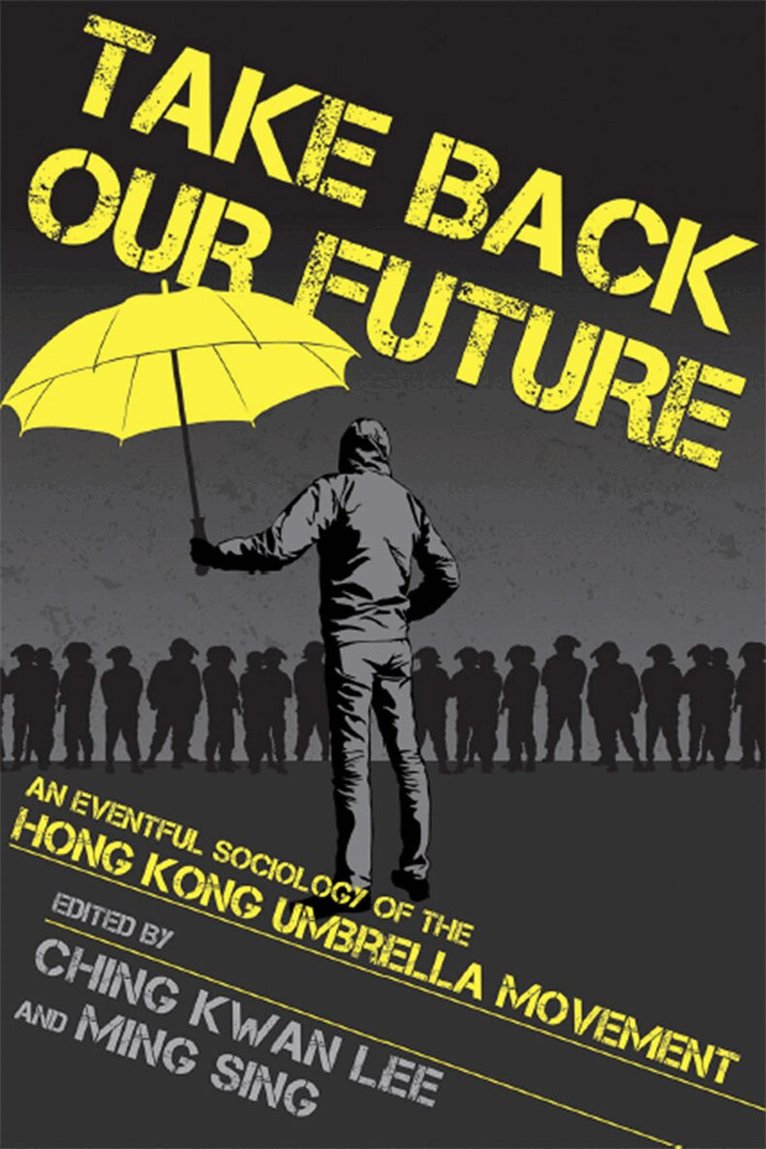
Take Back Our Future
An Eventful Sociology of the Hong Kong Umbrella Movement
Inbunden, 2019
1694 kr
Lägg i varukorg
In a comprehensive and theoretically novel analysis, Take Back Our Future unveils the causes, processes, and implications of the 2014 seventy-nine-day occupation movement in Hong Kong known as the Umbrella Movement. The essays presented here by a team of experts with deep local knowledge ask: how …
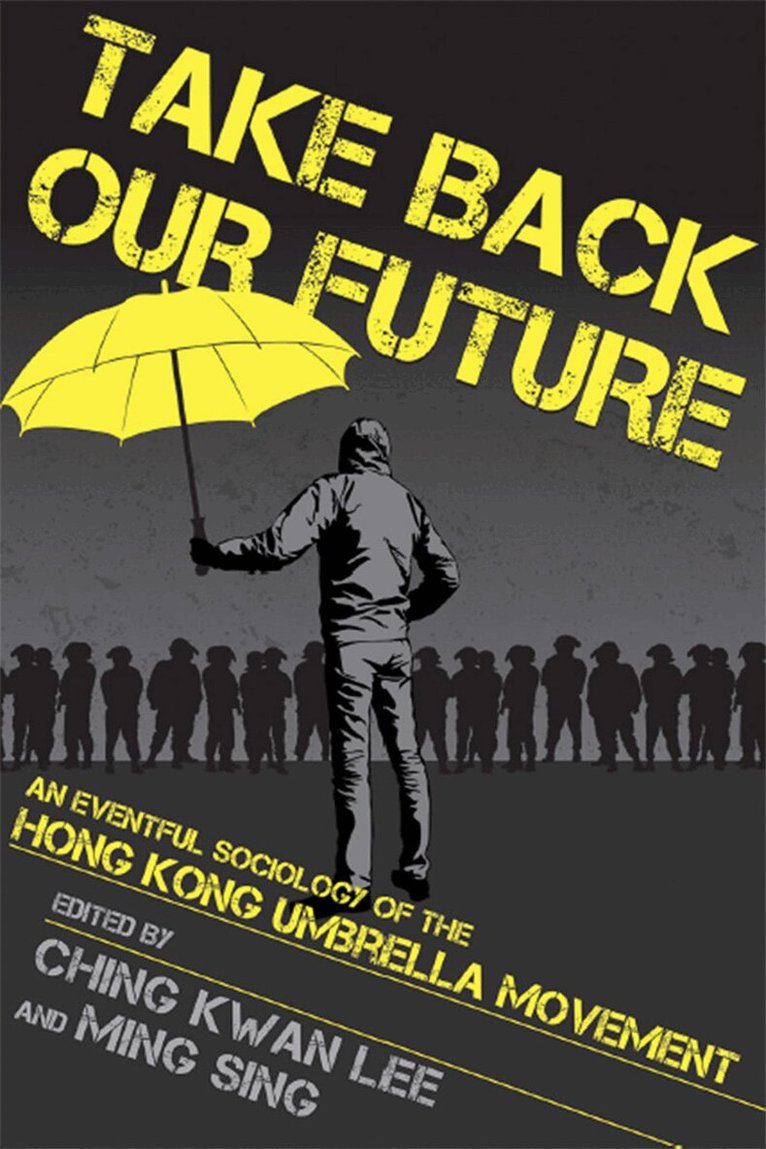
Take Back Our Future
An Eventful Sociology of the Hong Kong Umbrella Movement
Häftad, 2019
443 kr
Lägg i varukorg
In a comprehensive and theoretically novel analysis, Take Back Our Future unveils the causes, processes, and implications of the 2014 seventy-nine-day occupation movement in Hong Kong known as the Umbrella Movement. The essays presented here by a team of experts with deep local knowledge ask: how …