Minrose C. Gwin - Böcker
Visar alla böcker från författaren Minrose C. Gwin. Handla med fri frakt och snabb leverans.
3 produkter
3 produkter
491 kr
Skickas inom 7-10 vardagar
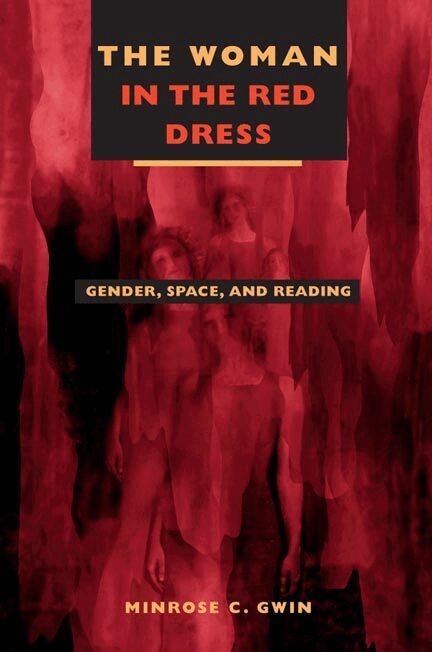
Minrose Gwin's lyrical meditation on material, textual, and cultural space in women's literature covers a varied terrain, encompassing how space is configured and experienced in narrative and how those dimensions can reshape the reader's imaginative encounters with questions of identity, location, and transformation. Ranging widely among contemporary writers such as Joy Harjo, Toni Morrison, Sandra Cisneros, Keri Hulme, Gcina Mhlope, and Marlen Haushofer, Gwin proposes the intersection of reading and space as a site for locating gender in specific social relations, geographies, and histories, as well as dislocating gender in terms of how it can be imagined. Like the transformed woman in the red dress of Harjo's poem "Deer Dancer," literature and the reading of it can create spaces of possibility, engagement, and danger leading into and out of physical, social, and historical constriction. Graceful and impassioned, The Woman in the Red Dress offers important new approaches to narratives about father-daughter incest, stories that contaminate the myth of home as a safe space and map a geography of sexual violence, victimization, and survival. Gwin situates her analysis of fiction such as Morrison's The Bluest Eye, Alice Walker's The Color Purple, Dorothy Allison's Bastard out of Carolina, and Jane Smiley's A Thousand Acres within contemporary debates concerning survivor discourse, theories of domestic space, and issues of race and class. She also explores books--such as Hulme's The Bone People--that enter a murky and liminal queer space in which gender itself travels and the most claustrophic physical and social spaces can unexpectedly unhinge and open.Assaying the mysterious process by which readers are moved and re-moved by the stories they read, Gwin's provocative study links those narratives to questions of home and travel, place and displacement, materiality and metaphor, identity and imaginative flight.
1 156 kr
Skickas inom 5-8 vardagar
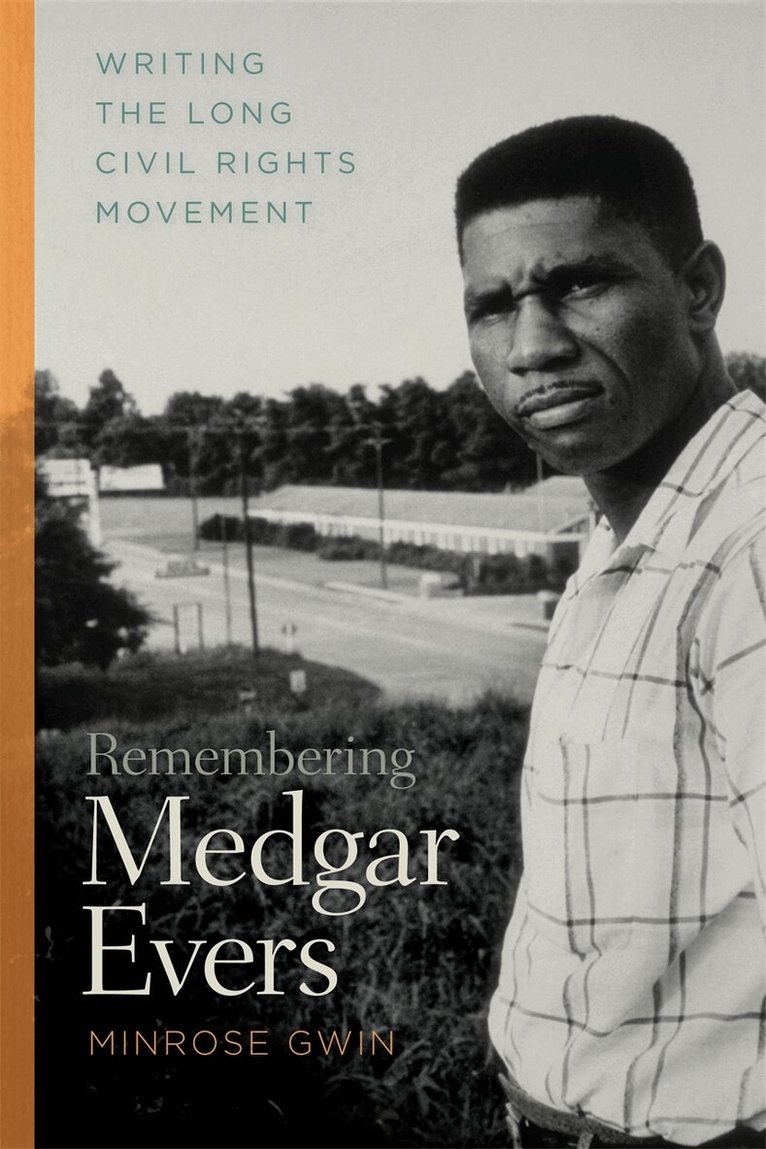
As the first NAACP field secretary for Mississippi, Medgar Wiley Evers put his life on the line to investigate racial crimes (including Emmett Till’s murder) and to organize boycotts and voter registration drives. On June 12, 1963, he was shot in the back by white supremacist Byron De La Beckwith as the civil rights leader unloaded a stack of “Jim Crow Must Go” T-shirts in his own driveway. His was the first assassination of a high-ranking public figure in the civil rights movement.While Evers’s death ushered in a decade of political assassinations and ignited a powder keg of racial unrest nationwide, his life of service and courage has largely been consigned to the periphery of U.S. and civil rights history. In her compelling study of collective memory and artistic production, Remembering Medgar Evers, Minrose Gwin engages the powerful body of work that has emerged in response to Evers’s life and death—fiction, poetry, memoir, drama, and songs from James Baldwin, Margaret Walker, Eudora Welty, Lucille Clifton, Bob Dylan, and Willie Morris, among others. Gwin examines local news accounts about Evers, 1960s gospel and protest music as well as contemporary hip-hop, the haunting poems of Frank X Walker, and contemporary fiction such as The Help and Gwin’s own novel, The Queen of Palmyra. In this study, Evers springs to life as a leader of “plural singularity,” who modeled for southern African Americans a new form of cultural identity that both drew from the past and broke from it; to quote Gwendolyn Brooks, “He leaned across tomorrow.”Fifty years after his untimely death, Evers still casts a long shadow. In her examination of the body of work he has inspired, Gwin probes wide-ranging questions about collective memory and art as instruments of social justice. “Remembered, Evers’s life’s legacy pivots to the future,” she writes, “linking us to other human rights struggles, both local and global.”A Sarah Mills Hodge Fund Publication.
318 kr
Skickas inom 3-6 vardagar
As the first NAACP field secretary for Mississippi, Medgar Wiley Evers put his life on the line to investigate racial crimes (including Emmett Till’s murder) and to organize boycotts and voter registration drives. On June 12, 1963, he was shot in the back by white supremacist Byron De La Beckwith as the civil rights leader unloaded a stack of “Jim Crow Must Go” T-shirts in his own driveway. His was the first assassination of a high-ranking public figure in the civil rights movement.While Evers’s death ushered in a decade of political assassinations and ignited a powder keg of racial unrest nationwide, his life of service and courage has largely been consigned to the periphery of U.S. and civil rights history. In her compelling study of collective memory and artistic production, Remembering Medgar Evers, Minrose Gwin engages the powerful body of work that has emerged in response to Evers’s life and death—fiction, poetry, memoir, drama, and songs from James Baldwin, Margaret Walker, Eudora Welty, Lucille Clifton, Bob Dylan, and Willie Morris, among others. Gwin examines local news accounts about Evers, 1960s gospel and protest music as well as contemporary hip-hop, the haunting poems of Frank X Walker, and contemporary fiction such as The Help and Gwin’s own novel, The Queen of Palmyra. In this study, Evers springs to life as a leader of “plural singularity,” who modeled for southern African Americans a new form of cultural identity that both drew from the past and broke from it; to quote Gwendolyn Brooks, “He leaned across tomorrow.”Fifty years after his untimely death, Evers still casts a long shadow. In her examination of the body of work he has inspired, Gwin probes wide-ranging questions about collective memory and art as instruments of social justice. “Remembered, Evers’s life’s legacy pivots to the future,” she writes, “linking us to other human rights struggles, both local and global.”A Sarah Mills Hodge Fund Publication.